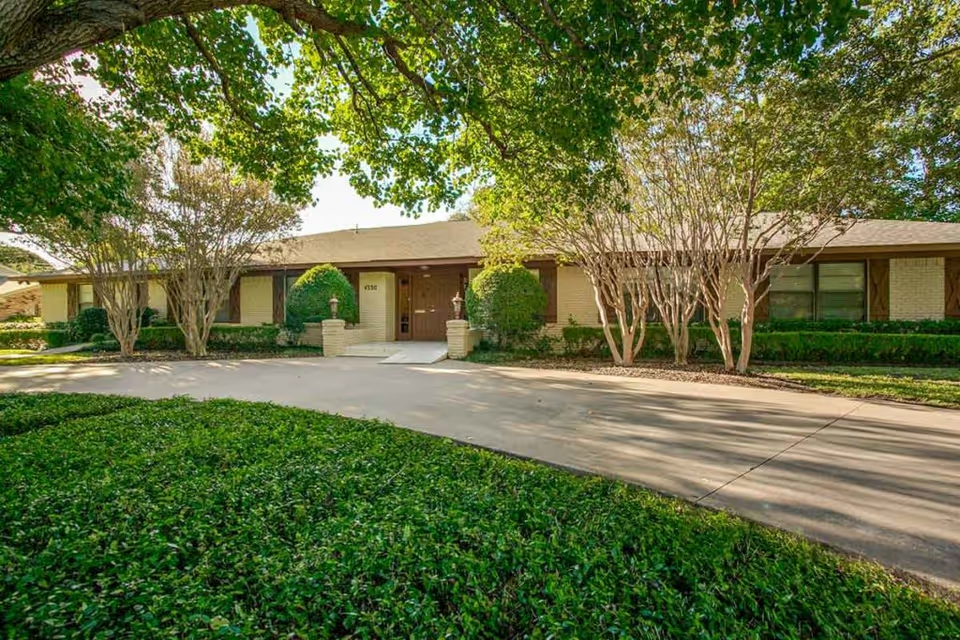
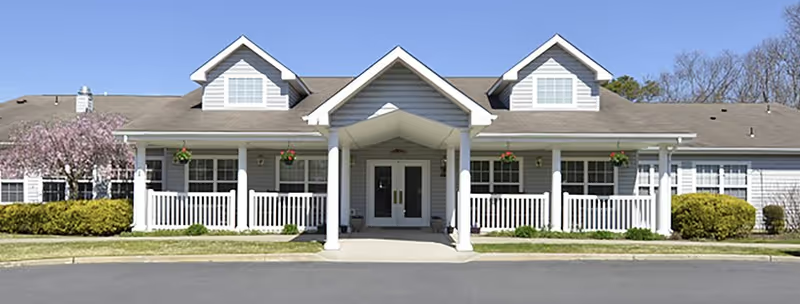
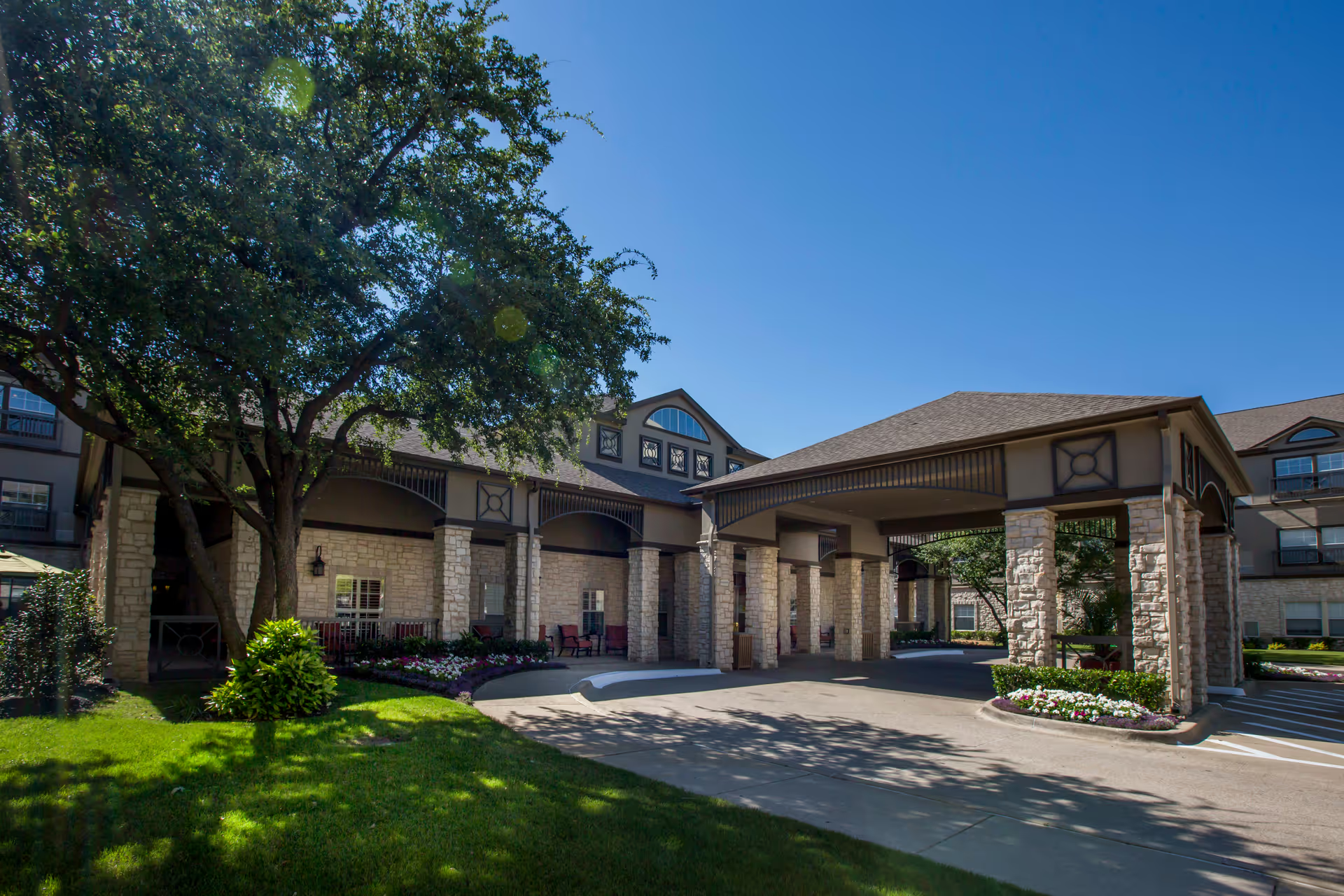
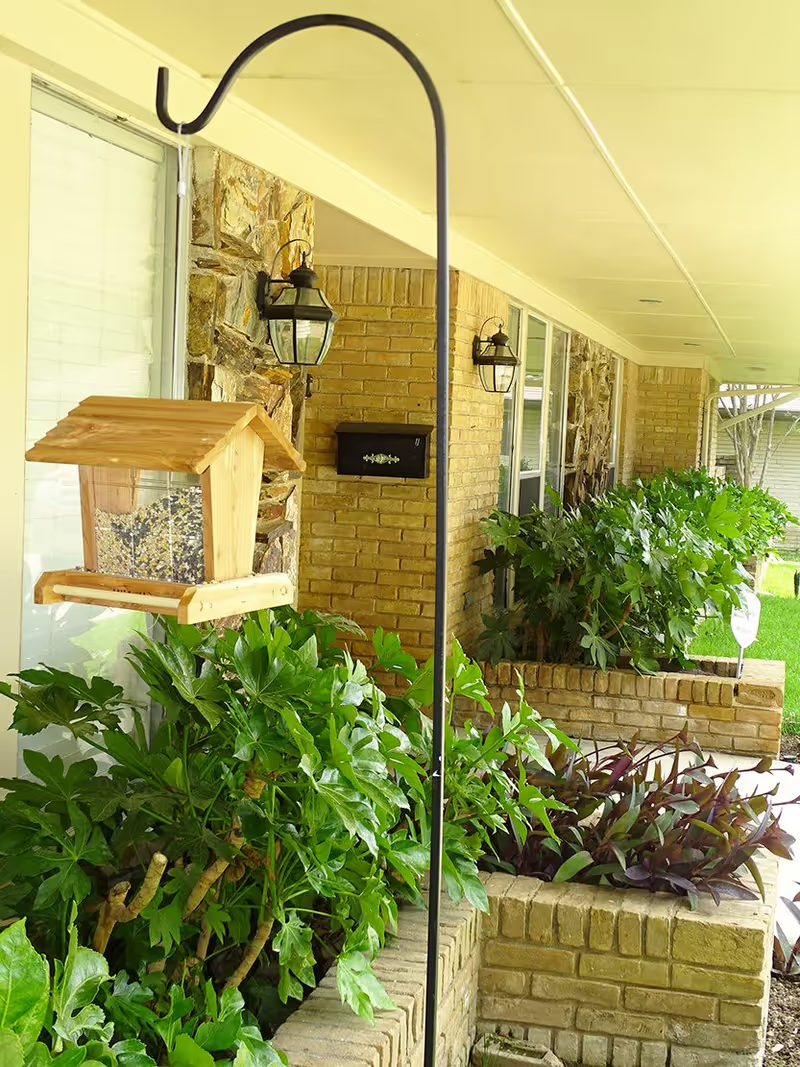
Sunrise on Hillcrest is described consistently as an attractive, well-maintained assisted‑living community with strong life‑enrichment programming and an emphasis on resident quality of life. Review summaries emphasize bright common areas, well-kept grounds and outdoor walking spaces, a welcoming entry experience, and in‑house dining amenities including a bistro. The community presents as intimate in scale with social dining, multiple visiting areas, and pet-friendly features that support a home‑like atmosphere for many residents.
Care and staffing are central strengths in most accounts. Families and visitors frequently note compassionate, personable caregivers, examples of attentive transfers, and supportive end‑of‑life and hospice interactions. The presence of 24‑hour nursing coverage and a defined memory‑care unit are cited as important clinical assets, and reviewers describe clear care plans, privacy‑preserving routines, and staff who call residents by name. Long tenures among some staff members contribute to continuity of care and familiarity with residents' needs.
Dining and activities receive repeatedly positive mention. An on‑site kitchen, served meals, chef flexibility to prepare non‑menu items, and a varied menu are highlighted alongside robust programming — memory games, gardening, outings, exercise and therapeutic activities, cooking classes, and social events. The life‑enrichment approach appears broad and active, with opportunities for residents to participate in group outings and in‑house celebrations that support social engagement.
Physical plant and accommodations are viewed favorably overall: clean, bright apartments (often compact), accessible bathroom features such as low‑threshold showers, multiple common areas, and attractive landscaping. The community’s size and layout support frequent social interaction, though several families noted that unit footprints are modest and that some floorplans were smaller than desired.
Notable operational patterns warrant attention. Reviews commonly point to periodic understaffing that can affect how often residents are checked and how promptly needs are met, and several accounts describe inconsistencies in clinical training and medication handling. Communication gaps between nursing, administration, and caregiving staff appear as an operational weakness in some summaries, and there are isolated concerns about billing transparency and ancillary charges. Administrative turnover and occasional organizational disorganization were also mentioned as contributors to uneven experiences.
Fit and value emerge as considerations. The community is frequently recommended for residents who benefit from moderate assistance, active programming, and memory‑care support in a small, gardened setting. Conversely, reviewers indicate the facility may be less well suited to residents with very high medical dependency or needs for frequent skilled nursing oversight. Cost is described as premium by some families relative to expectations, and food or service consistency can vary by floor or time. Prospective families should balance the facility’s strengths in compassionate caregiving, engaging programming, and attractive environment against the potential for intermittent staffing or communication gaps, and should use a tour and direct questions about staffing patterns, medication protocols, and fee structure when evaluating fit.