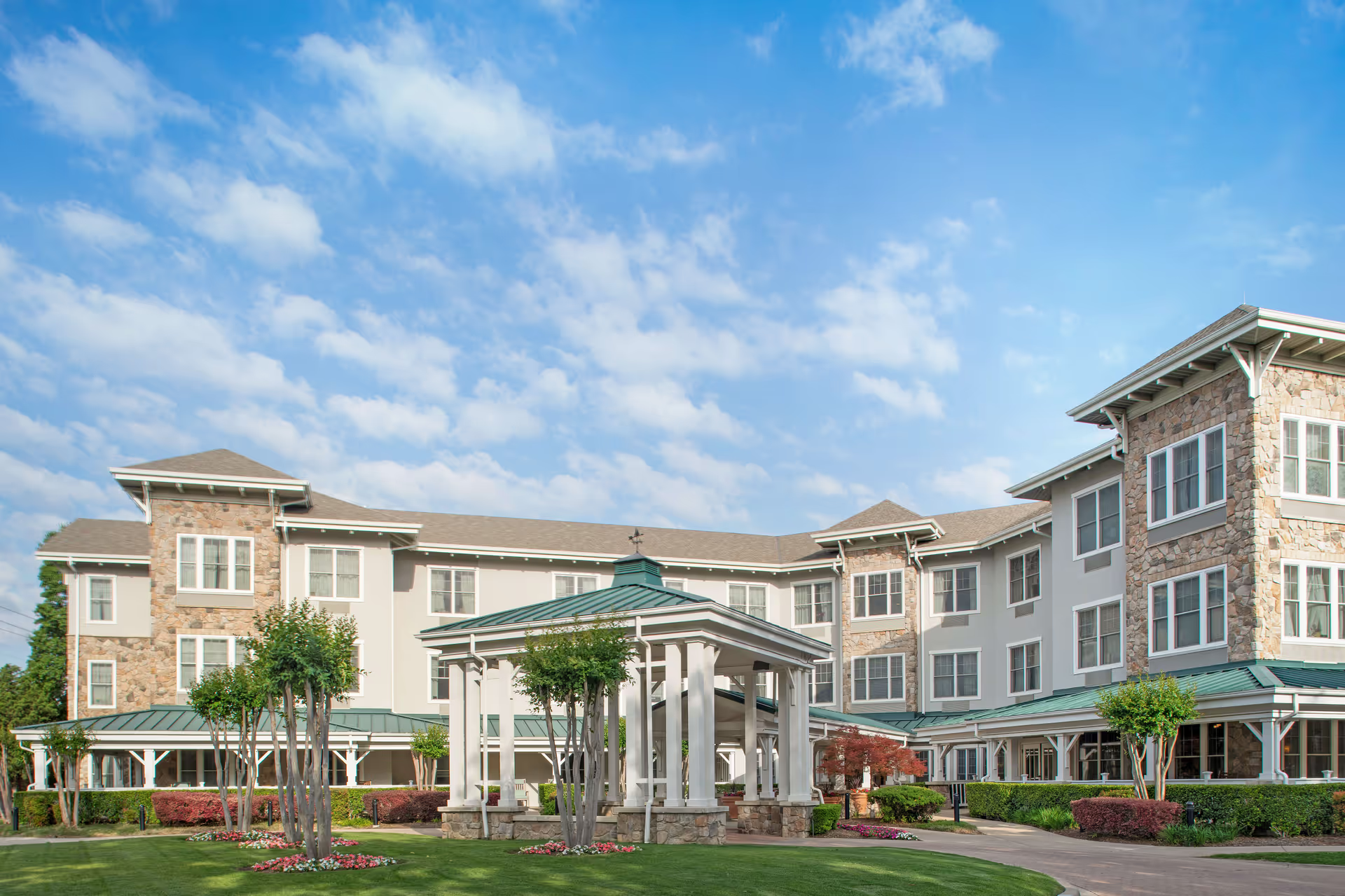
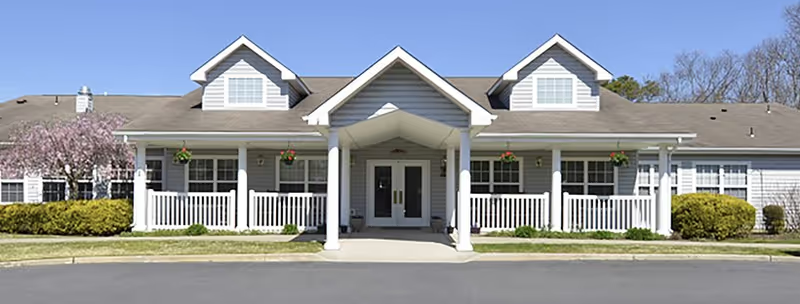
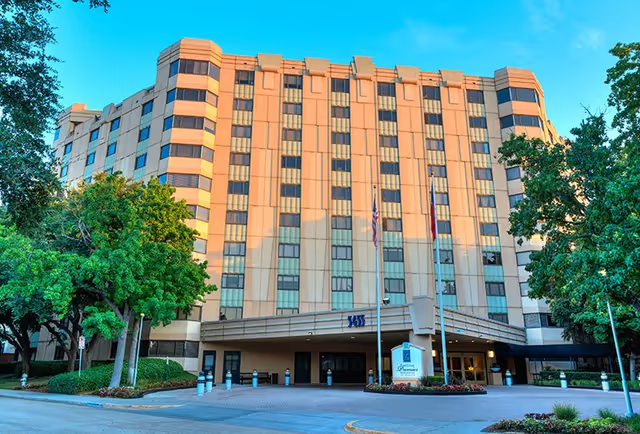
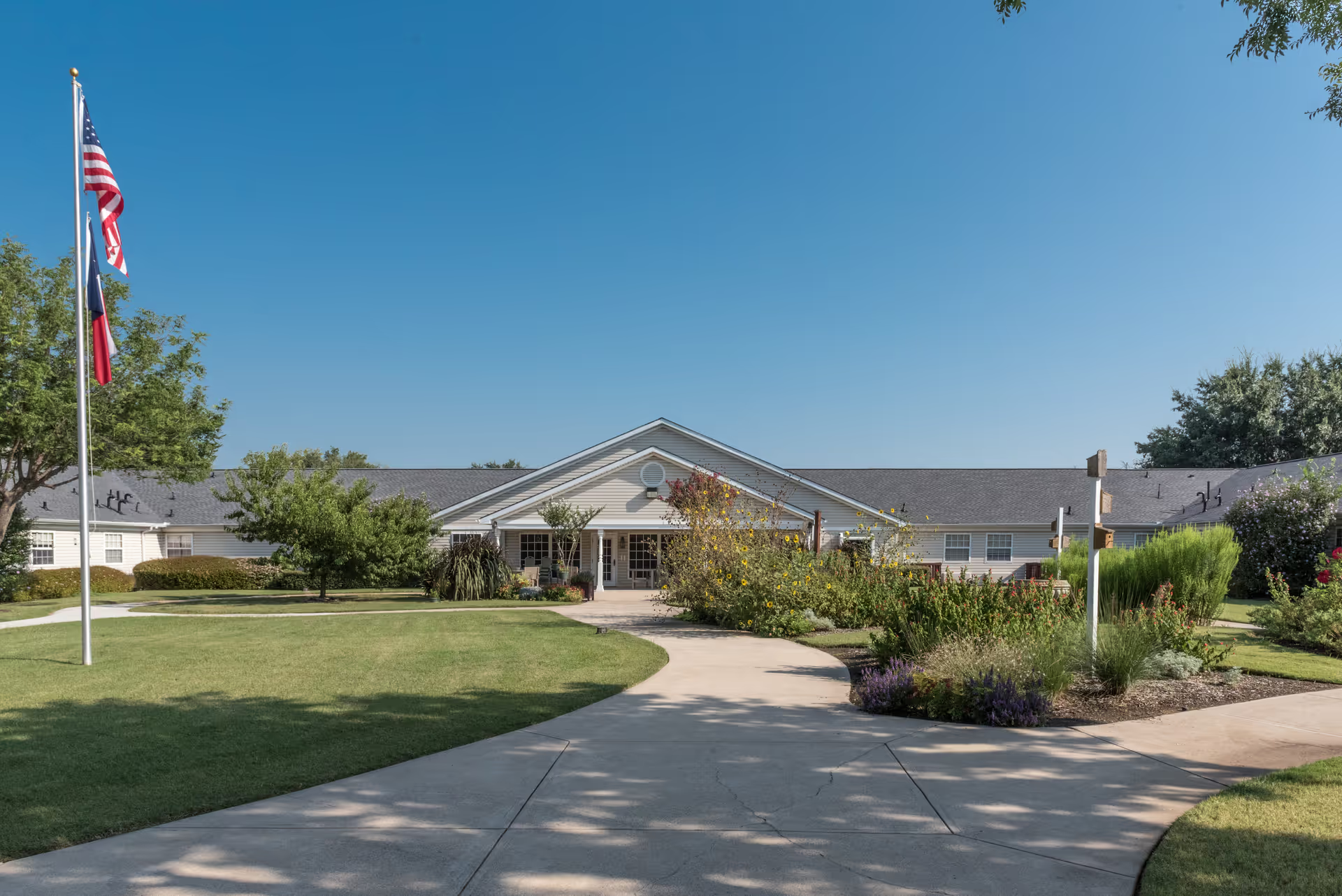
Overall impression: The Reserve at North Dallas presents as a modern, resort-style senior living community with many strengths in staffing, programming, and physical amenities. Across accounts, staff interactions are the facility’s strongest feature—employees at multiple levels (concierge, resident ambassadors, dining servers, and move-in coordinators) are described as warm, helpful, and engaged. Many residents and families highlight effective move-in assistance, strong social integration, and staff who proactively support events and individual needs. The building and apartments attract praise for spacious floor plans, in-unit laundry and kitchens, attractive common spaces, and a generally well-maintained, hotel-like atmosphere.
Care and staffing: Clinical and daily-care experiences are mixed. Several accounts describe attentive, compassionate caregiving and timely maintenance responses, while others note patterns consistent with understaffing—delayed responses, thin coverage at night, and occasional lapses in follow-up. These operational staffing constraints appear to affect levels of service and responsiveness more than the commitment of individual staff members. Communication gaps are also a recurring theme: family contact information errors, delayed hospital notifications, and inconsistent follow-through on requests point to process weaknesses in care coordination rather than uniformly poor bedside care.
Dining and activities: The community offers a broad, active calendar and varied programming (arts, fitness, games, religious services, and outings) that many residents find fulfilling. Dining is a major differentiator for impressions: some reviewers describe restaurant-quality meals, attentive servers, and an appealing bistro, while others report a noticeable decline in food quality and service changes after policy updates. Operational changes such as meal-ticket systems, monthly meal allowances, and additional charges for to-go items have created confusion and perceived value reductions for some residents on fixed incomes. Activity programming is consistently praised for breadth and quality, and transportation/outing services are seen as a reliable benefit.
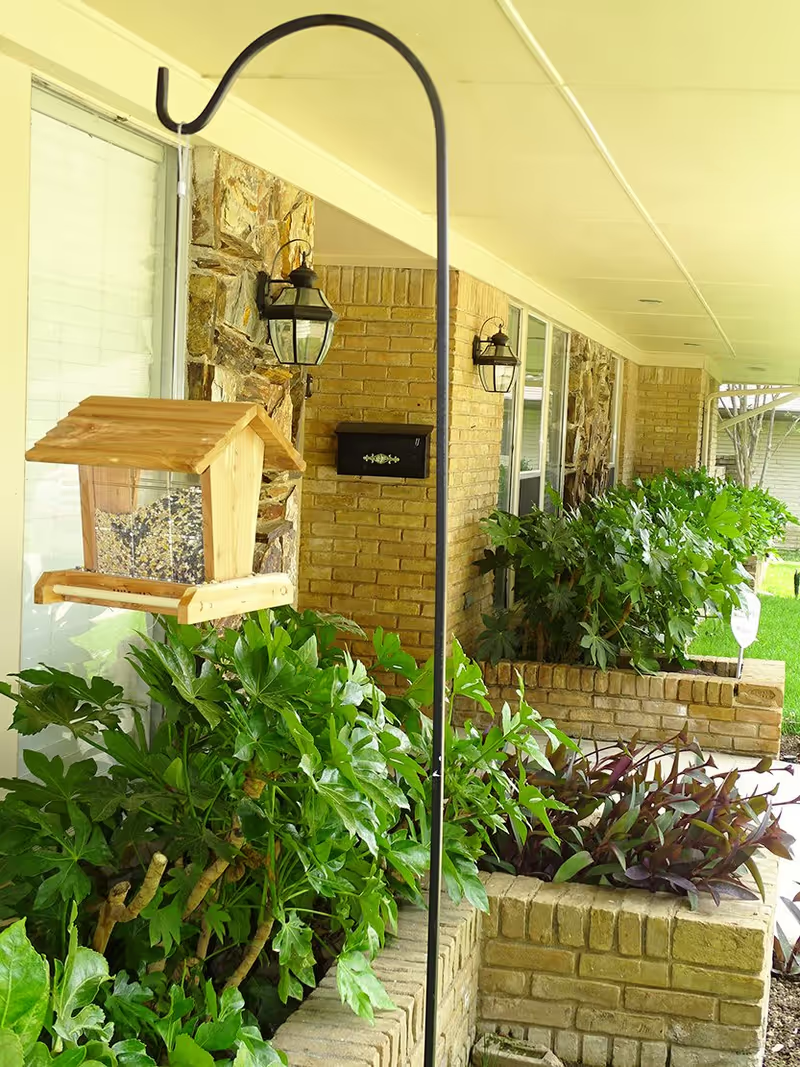
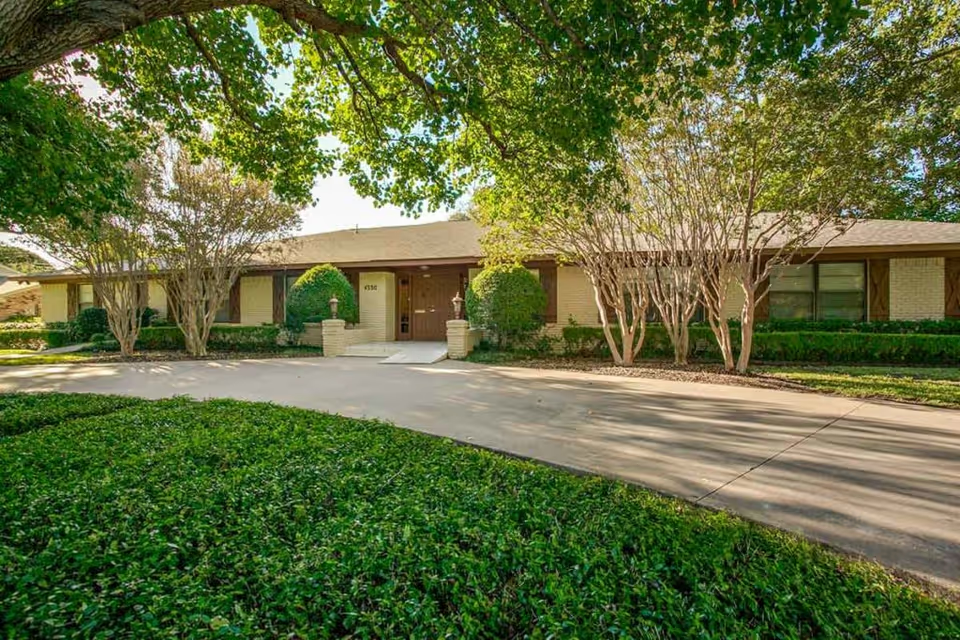
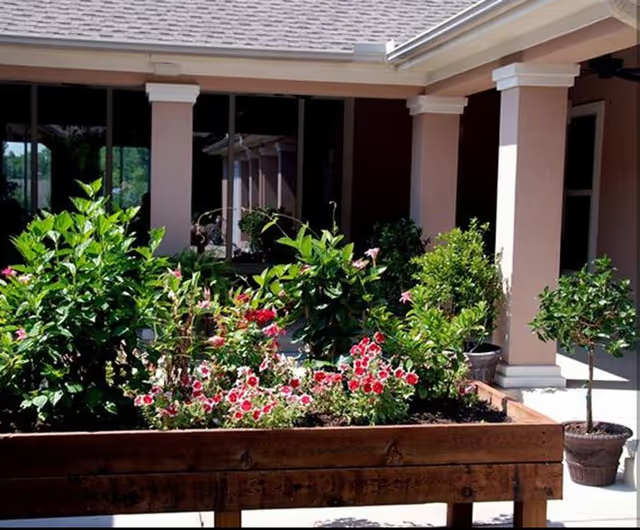
Facilities and safety: Physically, the community is often described as clean, modern, and attractively appointed, with well-kept gardens and inviting lounges. However, there are recurring sanitation and housekeeping inconsistencies—spot-cleaning gaps, pest-control concerns in some units or common areas, and variable maid service—that suggest uneven execution of facility upkeep. Notably, emergency-preparedness shortcomings (lack of backup generator, elevator power issues during outages, and limited severe-weather procedures) are an operational risk flagged by families and should be clarified by management. Additionally, the facility’s size and layout can pose navigation challenges for some residents and visitors.
Management and patterns: A pattern of management turnover and recent ownership/management change is associated with several operational transitions—pricing pressure, altered dining policies, and staffing shifts—that have produced uncertainty among residents and families. Billing transparency and meal-pricing structures have been singled out as areas needing clearer communication and better alignment with residents’ expectations. While many accounts emphasize exemplary individual staff members and effective departmental leaders, systemic process gaps (communication, emergency planning, housekeeping consistency, and staffing levels) emerge as the primary operational concerns.
Bottom line: For prospective residents and families, the community offers strong social programming, attractive living spaces, and many deeply committed staff members who create a welcoming environment. Evaluate the facility by asking for current staffing ratios, a clear copy of meal-pricing and allowance policies, recent emergency-preparedness plans (including generator status and severe-weather procedures), and examples of housekeeping and pest-control service schedules. Those priorities will help determine whether the facility’s strengths align with your care, safety, and budget requirements given the variability described in operations and management stability.