Overall impression: Arden Courts of Richardson is characterized in many accounts as a specialized memory‑care community with strong clinical coverage and a highly engaged caregiving team. Numerous families describe a warm, home‑like environment, long‑tenured staff, and visible expertise in Alzheimer’s and dementia care. The facility’s programmatic strengths and outdoor amenities are frequently highlighted alongside descriptions of a smooth admissions process and active family communication.
Care and staff: The facility is commonly praised for compassionate, affectionate caregivers and for having experienced nursing and management teams. Families note 24/7 nursing coverage, consistent caregiver assignments, and staff who know residents’ preferences and histories. This continuity appears to contribute to individualized attention, emotional support, and residents’ adaptation to the community. However, there are recurring concerns about training and responsiveness for residents with more challenging behaviors; several accounts indicate that staff performance can vary and that some families felt the need to monitor care closely or seek alternative placements when those needs were not consistently met.
Activities and dining: Arden Courts offers a robust activity calendar oriented to people with memory loss — live music, singalongs, group exercise, salon services, and family events such as holiday celebrations are frequently mentioned. The overall activity program is a consistent strength and seems to support resident engagement. Comments on dining are mixed: many families appreciate food variety and meal services, though affordability and price increases are a concern for some. A few observations suggest daytime services are stronger than overnight coverage, which may affect evenings and late‑night needs.
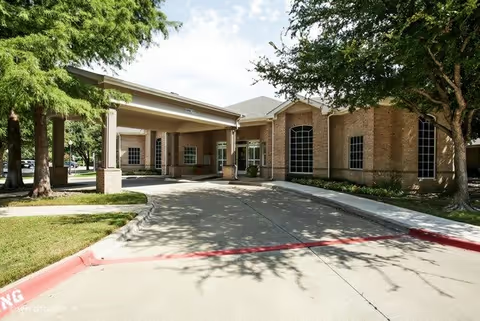
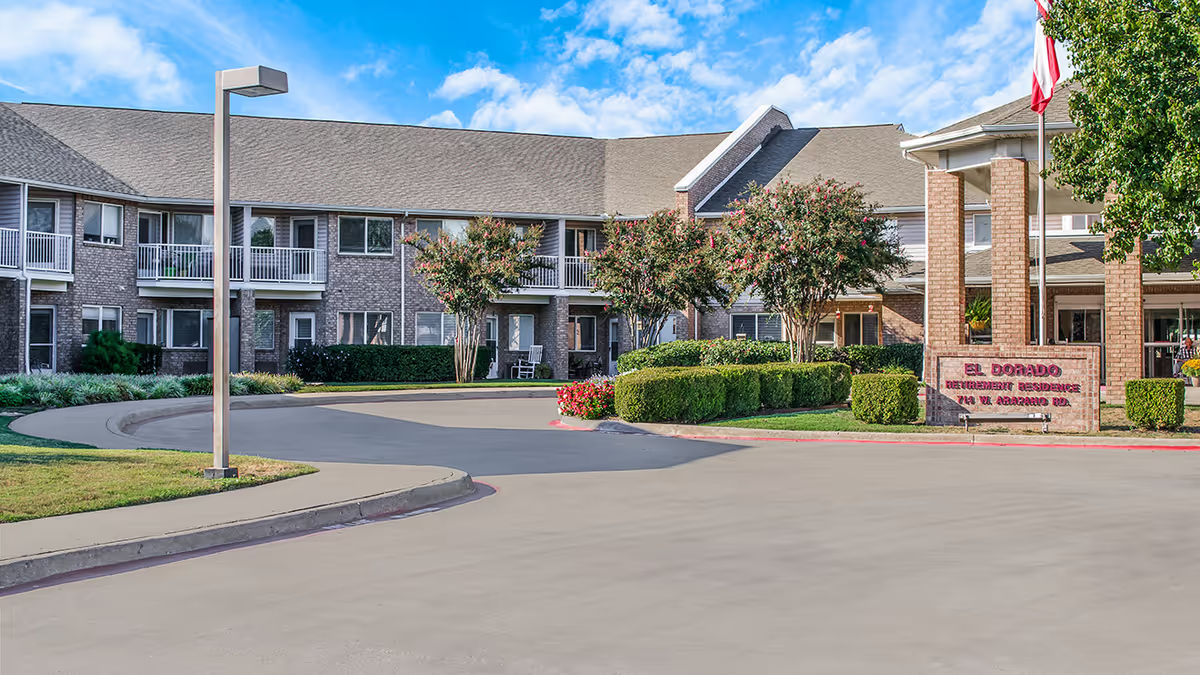
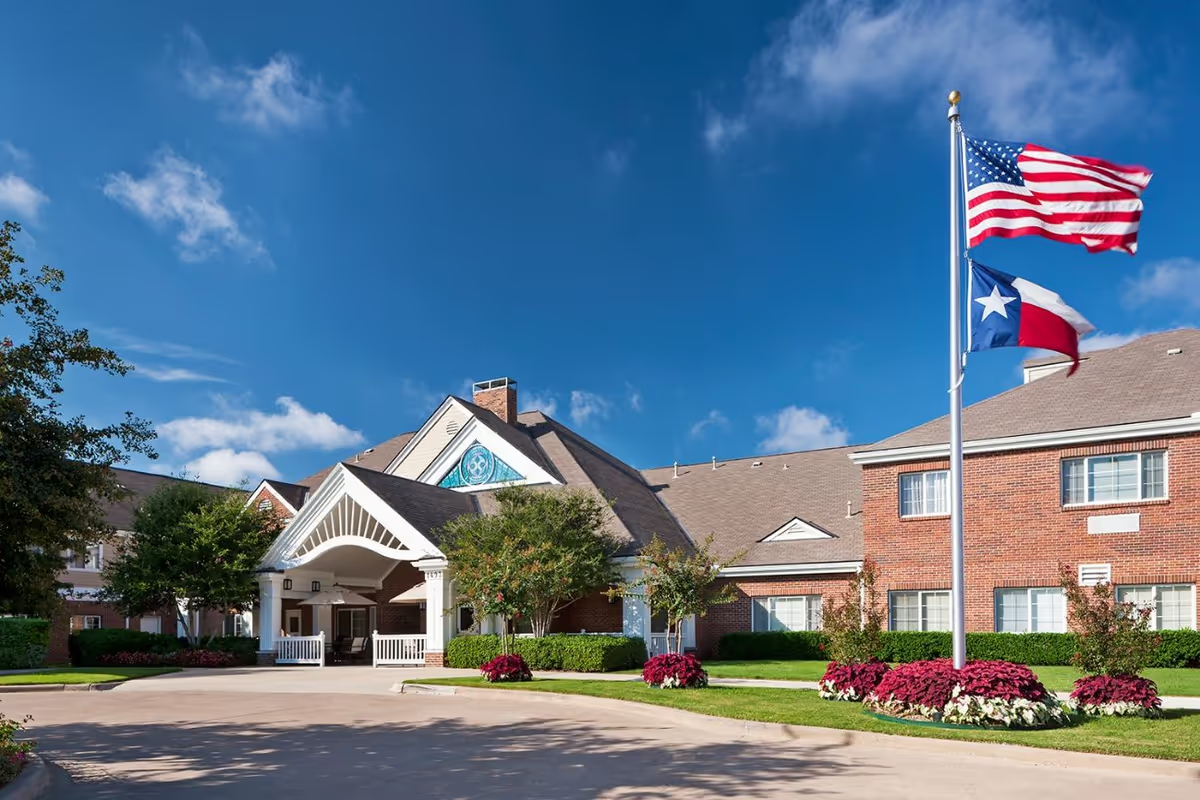
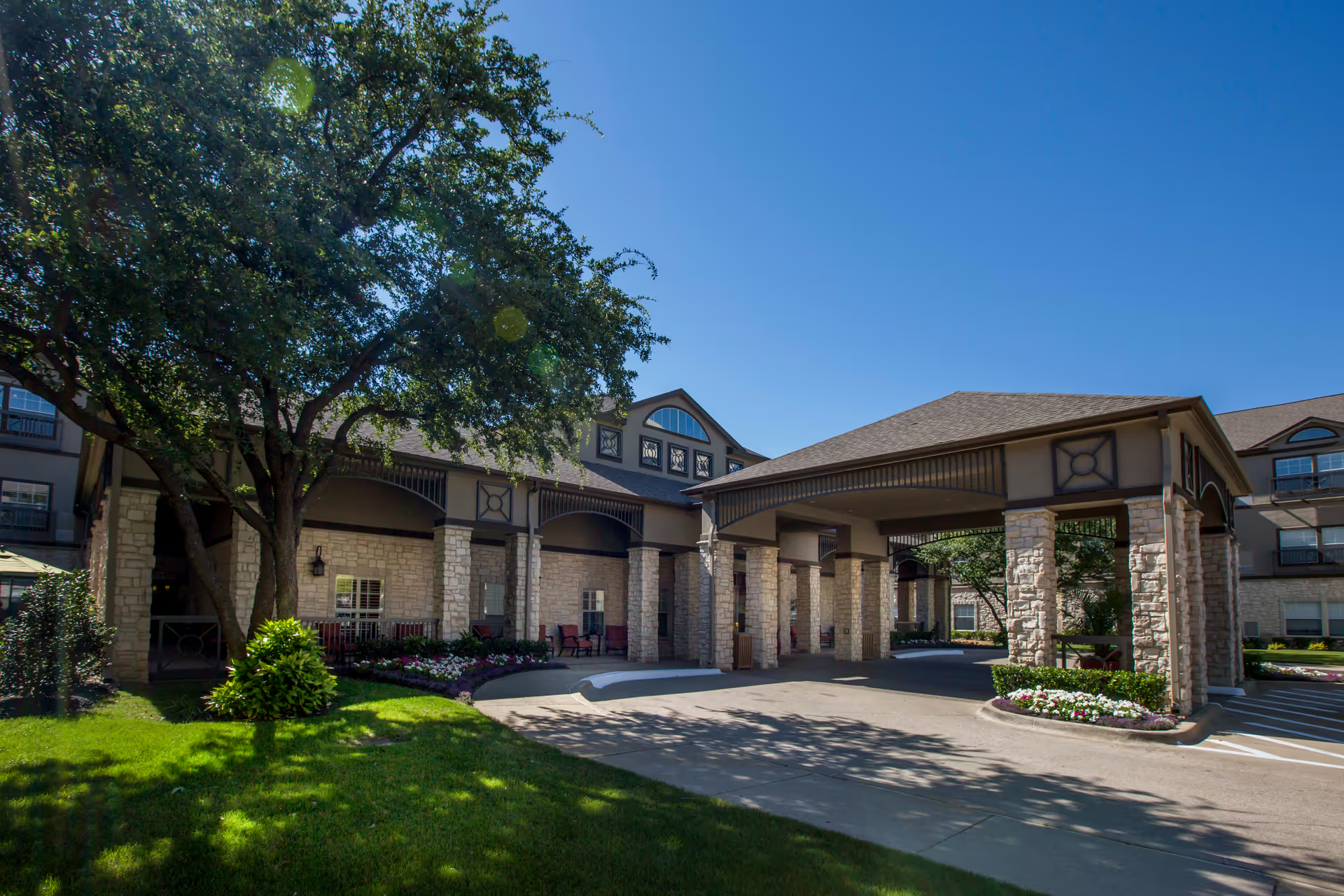
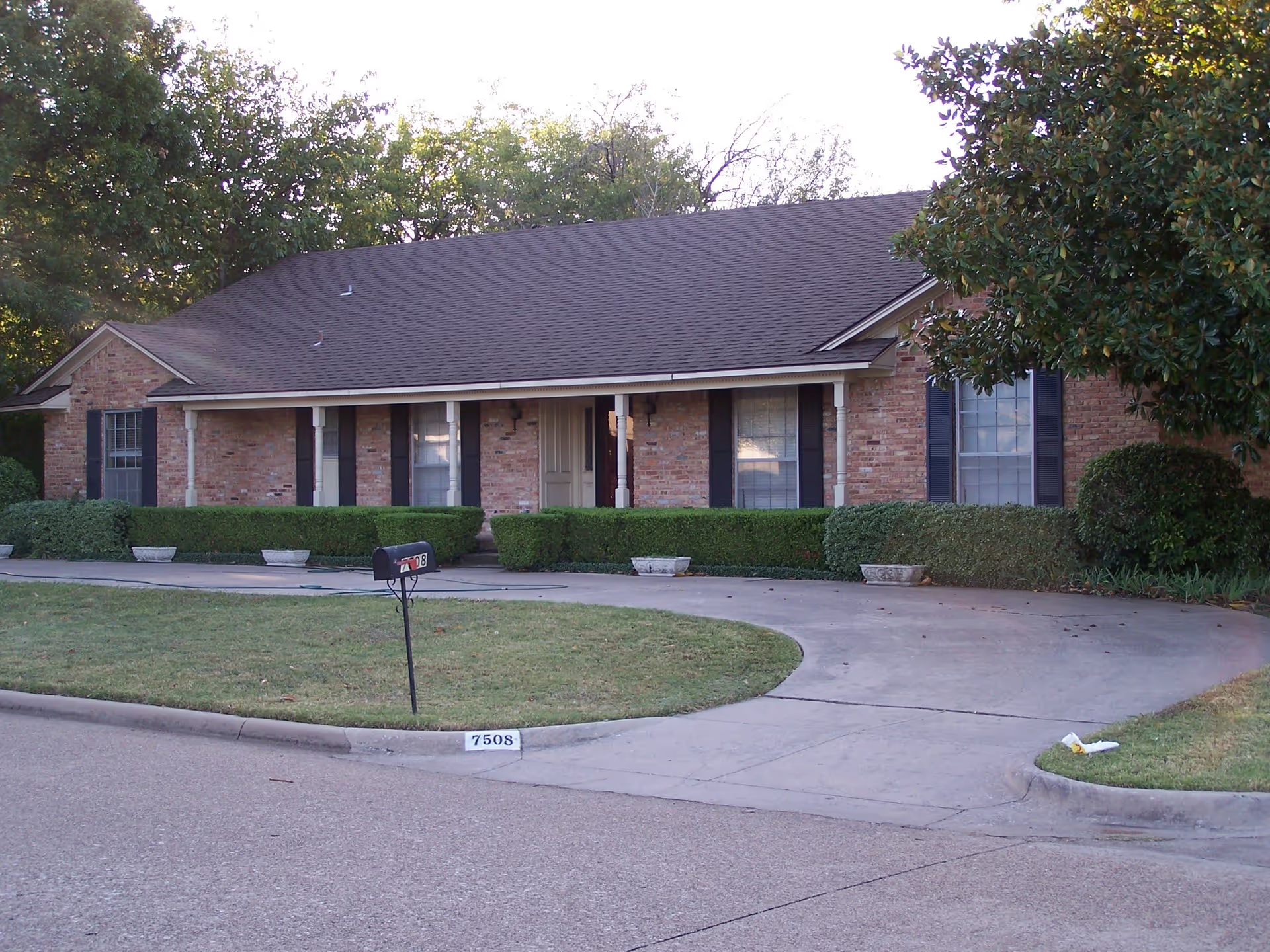
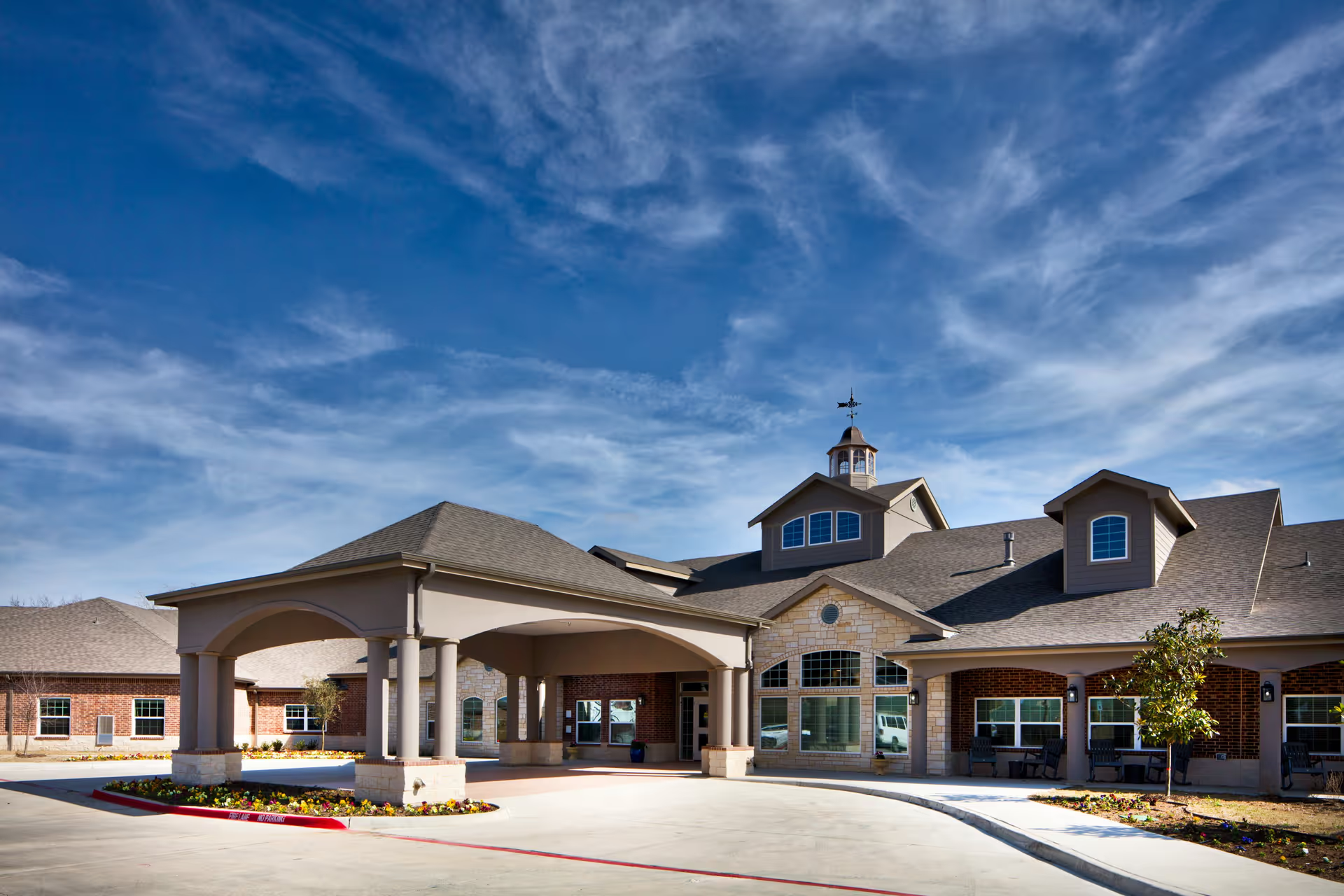
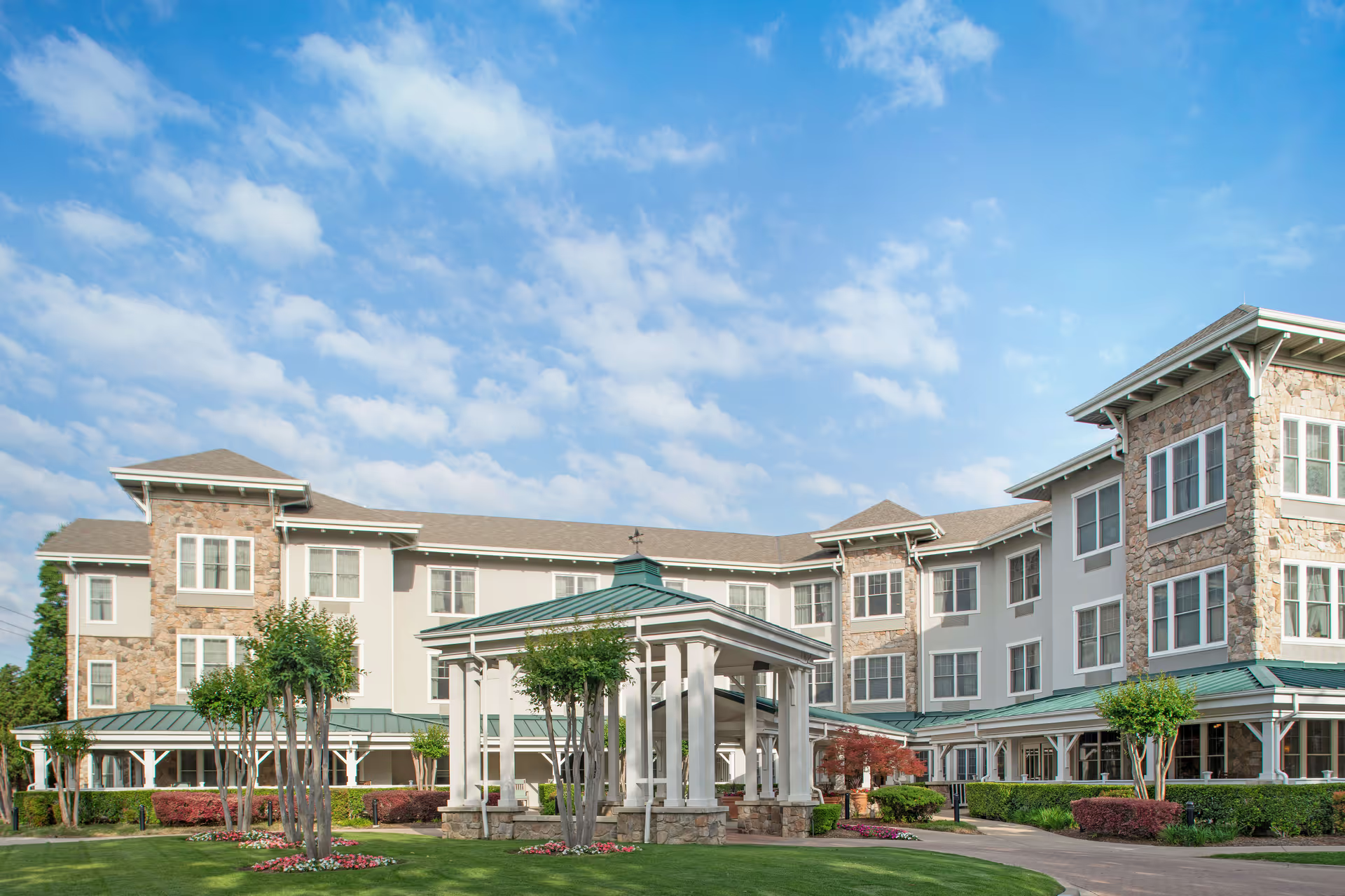
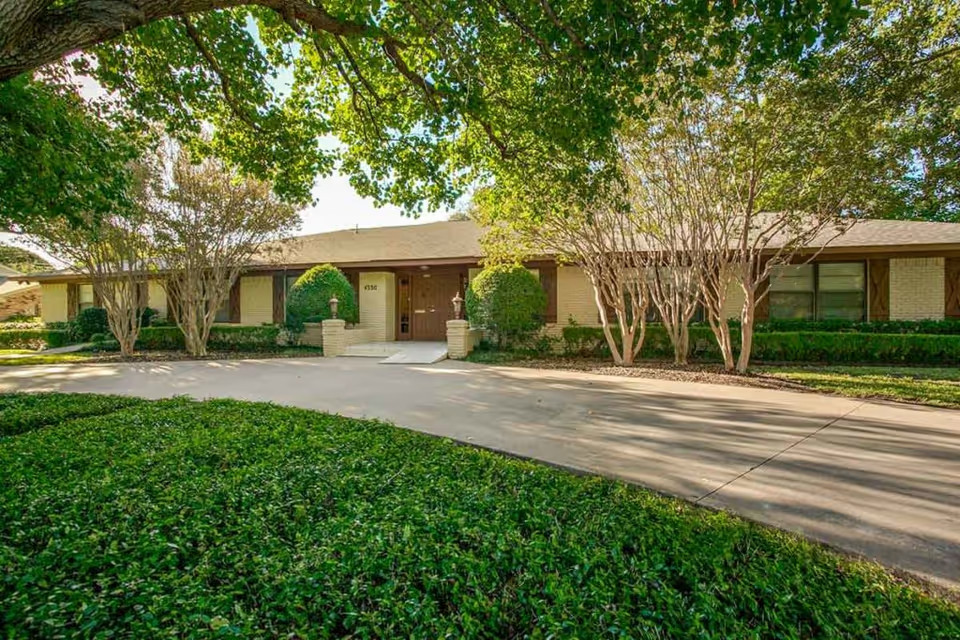
Facilities and safety: The physical environment receives positive remarks for cleanliness, maintenance, and a secure, home‑like atmosphere. Distinctive strengths include private rooms, multiple small‑house layouts, and a large fenced backyard with walking paths and garden areas. Safety measures such as secure building access and transparency about staffing ratios are also noted. A few families cited dissatisfaction with certain floor plans or configuration limitations and mentioned periodic disruptions related to renovations.
Management and operations: Admissions and transition support are generally described as smooth, with responsive leadership and regular updates for families in many accounts. Conversely, there are intermittent descriptions of a dismissive communication tone from management and variable responsiveness in specific cases. Operational weaknesses appearing across reviews include intermittent understaffing on particular shifts—especially nights—gaps in staff training for high‑behavior needs, and localized inconsistencies in care that prompt some families to provide additional oversight.
Notable patterns and considerations: The dominant pattern is highly positive staff engagement, meaningful activity programming, and a solid memory‑care focus that works well for many residents. That said, the positive experiences are not universal: a minority of families reported care inconsistencies significant enough to require relocation. Prospective families should weigh the facility’s clear strengths in memory care, staffing continuity, and outdoor amenities against the operational issues noted above. For residents with pronounced behavioral needs or for families who are particularly concerned about overnight coverage, it is advisable to discuss specific staffing, training protocols, and night‑shift practices with leadership during tours and to request references about those aspects before making a placement decision.