Overall impression The Wellington at Arapaho is described predominantly as a socially active, staff-forward community with a broad activity schedule and many on-site amenities. Strengths most frequently cited include a welcoming, compassionate staff, a long-tenured activities director, frequent outings and live entertainment, and a variety of apartment sizes and common spaces that support socializing and recreation. Families and residents commonly praise the grounds, decor, and a sense of community; for independent, active residents the environment is consistently characterized as engaging and home-like.
Care and staff Staff interactions are a clear asset: reviewers repeatedly describe attentive, kind, and helpful caregivers, housekeeping, and maintenance teams who respond to requests. Several accounts highlight individualized attention from nursing or wellness directors and positive clinical supports such as on-site physical and occupational therapy. At the same time, there is a recurring theme of variability in staffing and responsiveness — especially in assisted-living contexts — with some reports of delayed responses to calls, inconsistent personal-care follow-through, and turnover that affects continuity. Prospective families should verify current staffing levels and handoff/communication protocols for residents with higher medical needs.
Dining Dining is a mixed area. The community offers restaurant-style service, three meals a day in many cases, salad bars, and dietitian-informed options; some reviewers praise specific cooks and individualized meal delivery from chefs. However, a consistent pattern across reviews points to uneven food quality and service: meals can be inconsistent in temperature and preparation, vegetables are sometimes overcooked or substituted, portions of the menu rely on pre-prepared items, and service pacing can feel rushed. Those for whom daily dining is a major factor should sample multiple-meal periods and ask about current culinary leadership and kitchen staffing.
Activities and social life Activity programming is a pronounced strength. The Wellington provides a wide variety of on-site programming (bingo, card games, bridge, crafts, chair exercise), regular field trips and shopping shuttles, live performers, and holiday events. Participation is actively encouraged but not forced; dedicated entertainment and regular outings are often singled out as driving residents’ social engagement and improved mood.
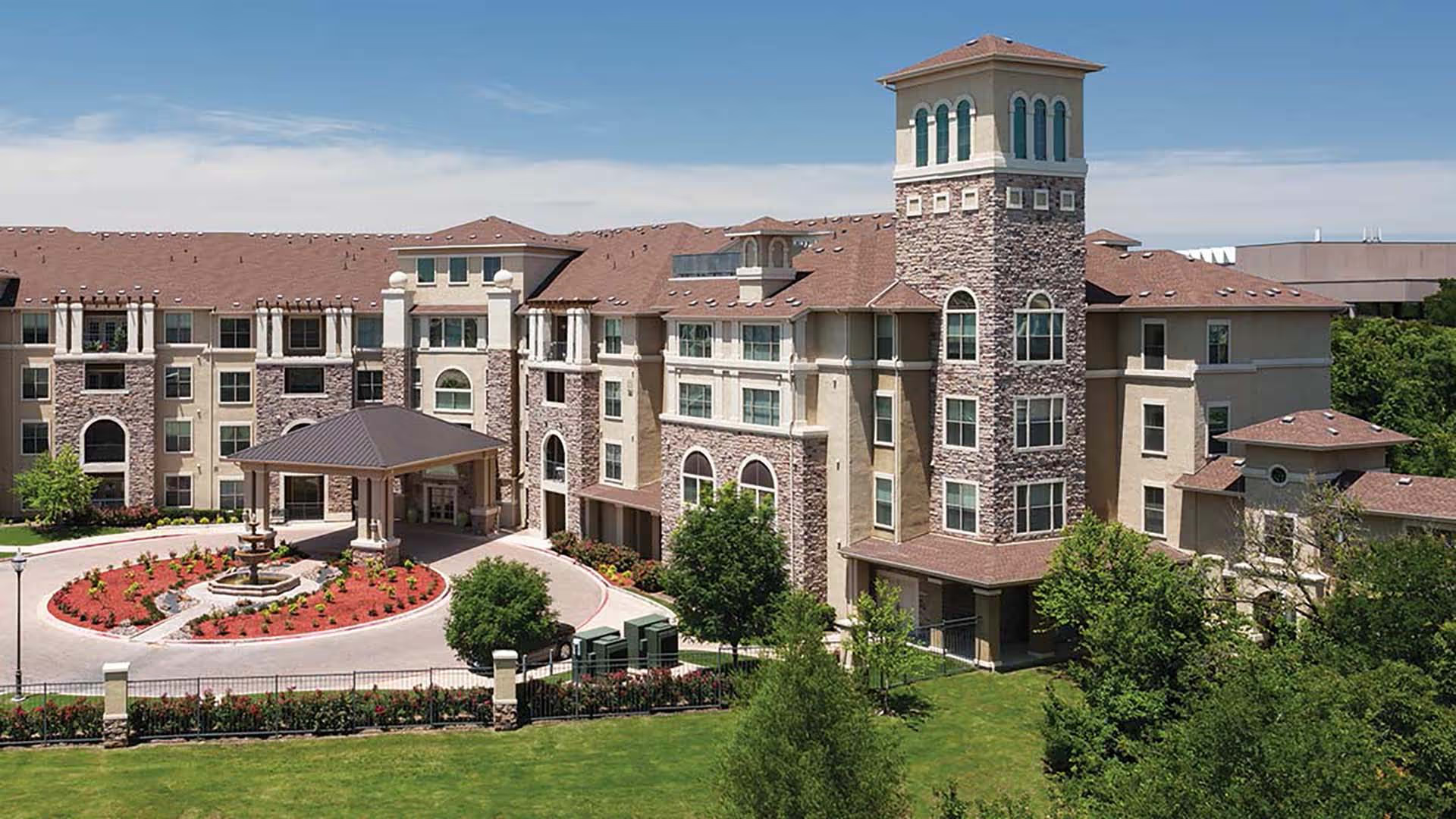
Facilities and operations The campus combines recently updated units (granite counters, refreshed carpets and paint) with older building stock and active renovation work. Common areas, outdoor courtyards, and walking paths receive positive comments, and maintenance response is generally regarded as prompt. Nevertheless, reviews indicate operational challenges tied to aging infrastructure and renovation impacts (noise, temporary limitations), intermittent elevator outages affecting accessibility, and occasional lapses in housekeeping continuity. There are also several mentions of pest-control and broader sanitation concerns in some units; these are serious operational issues that prospective residents should raise and confirm how the community addresses and documents remediation.
Management and administrative patterns Perceptions of management and administration are mixed. Many reviewers compliment hands-on directors, safety focus during infection-control events, improved communication under new leadership, and honest sales consultants. Conversely, there are repeated mentions of unclear or unexpected fees, periodic rent increases, billing disputes, and uneven front-desk or managerial responsiveness. Some families reported meaningful improvements after management changes, while others described ongoing frustration with communication and policy enforcement. Clarifying the fee structure, contract terms, and escalation paths during a tour is advisable.
Notable patterns and recommendations A clear pattern is variability: strong, consistent praise for staff, activities, and social life contrasts with recurring operational weaknesses around dining consistency, assisted-living staffing continuity, housekeeping reliability, pest control, and administrative transparency. The Wellington generally fits residents who prioritize social programming, regular outings, and an active communal life. Families of residents with higher or more consistent clinical care needs should investigate assisted-living staffing ratios, call-response times, medication and incident-communication procedures, and sanitation/pest-control records. For all prospects, visiting during multiple meal periods, reviewing recent inspection and pest-control records, and asking for written fee and staffing policies will help align expectations with the unit-level experience.