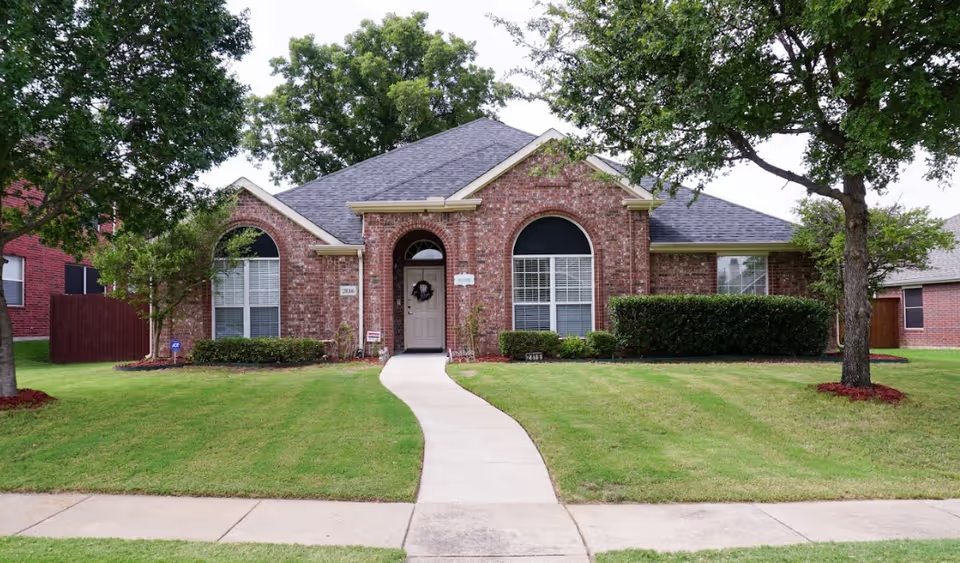
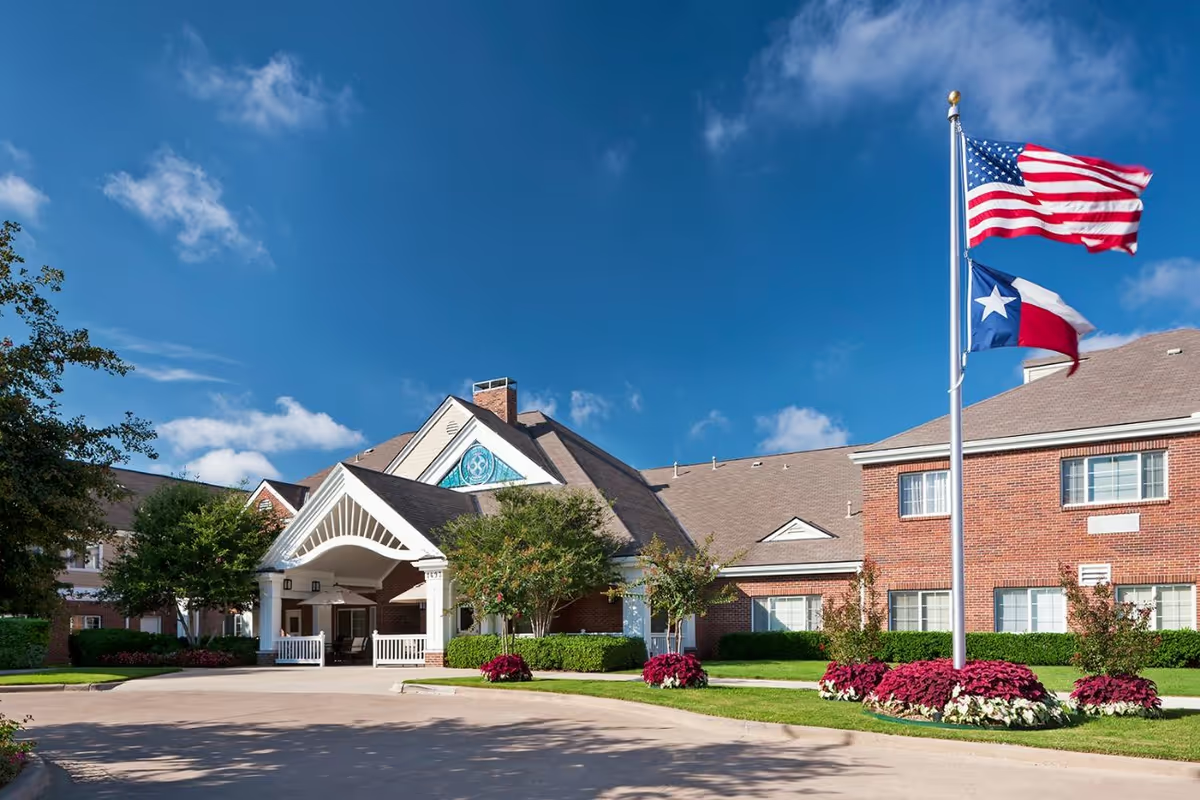
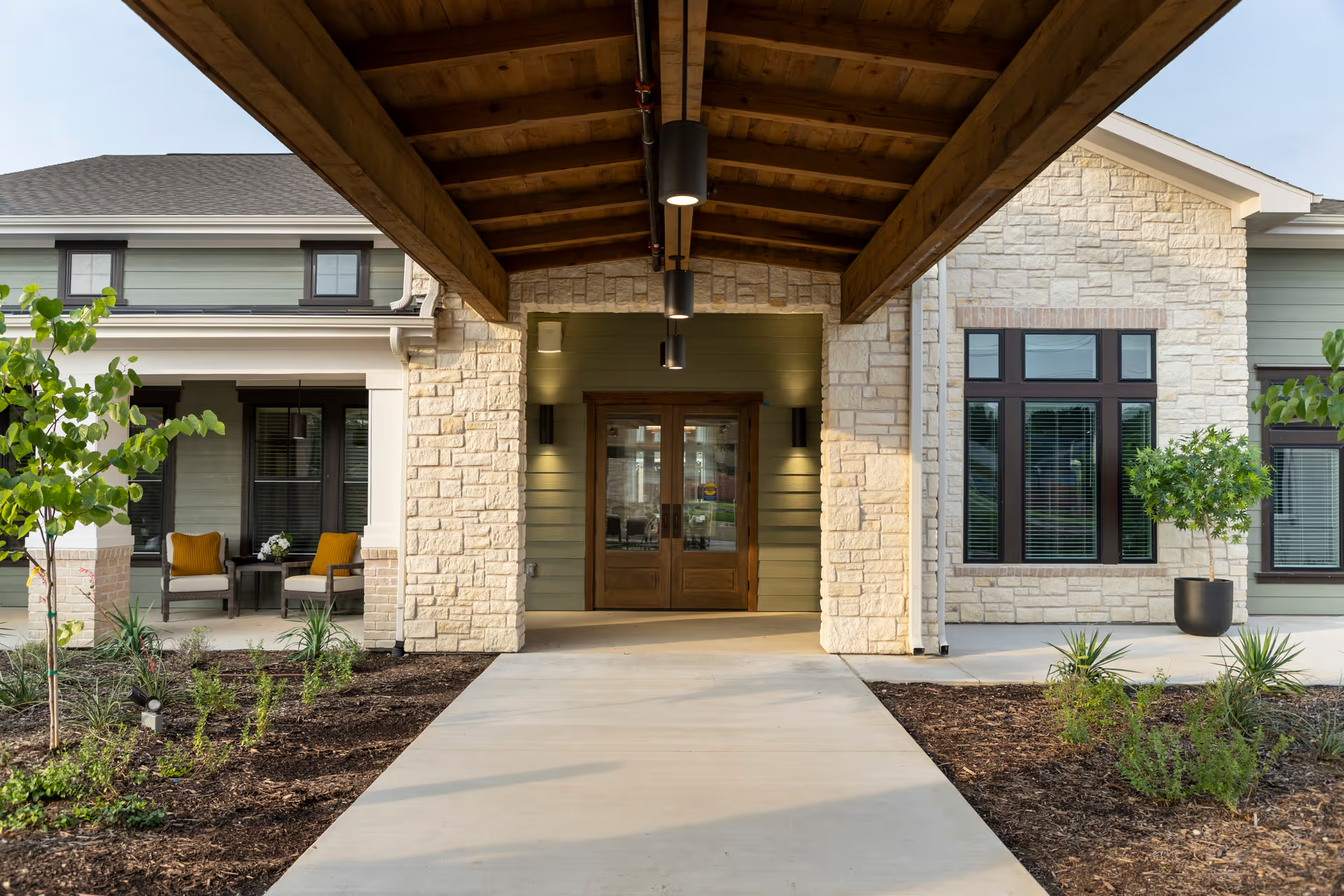
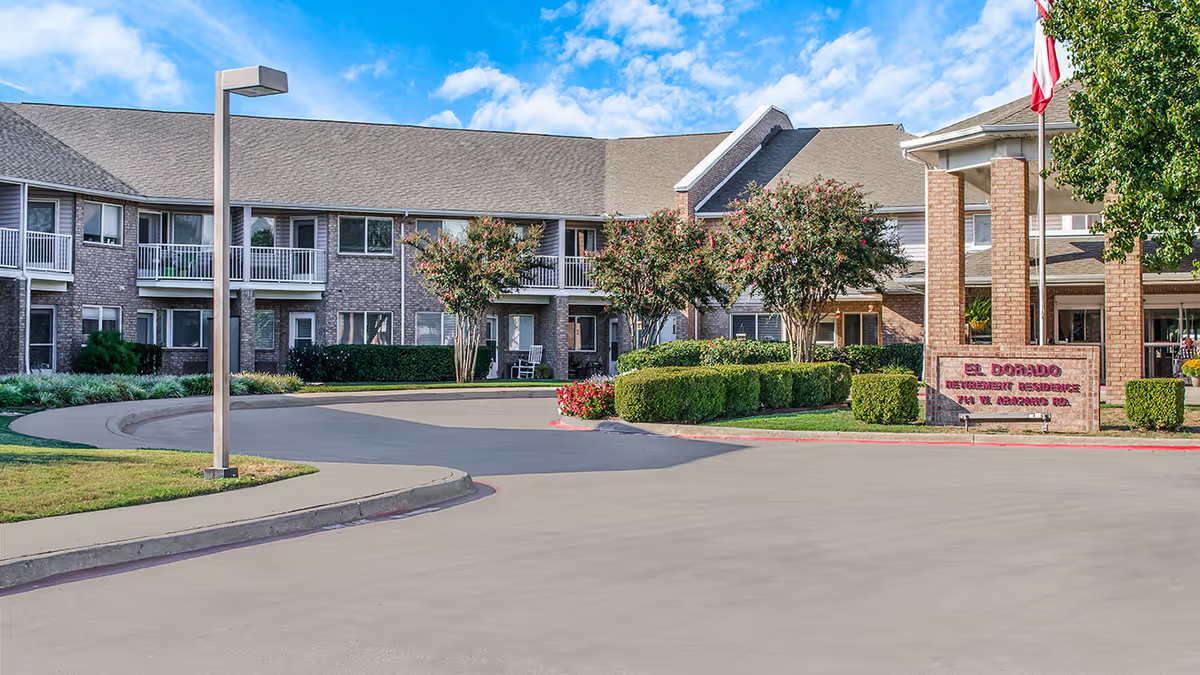
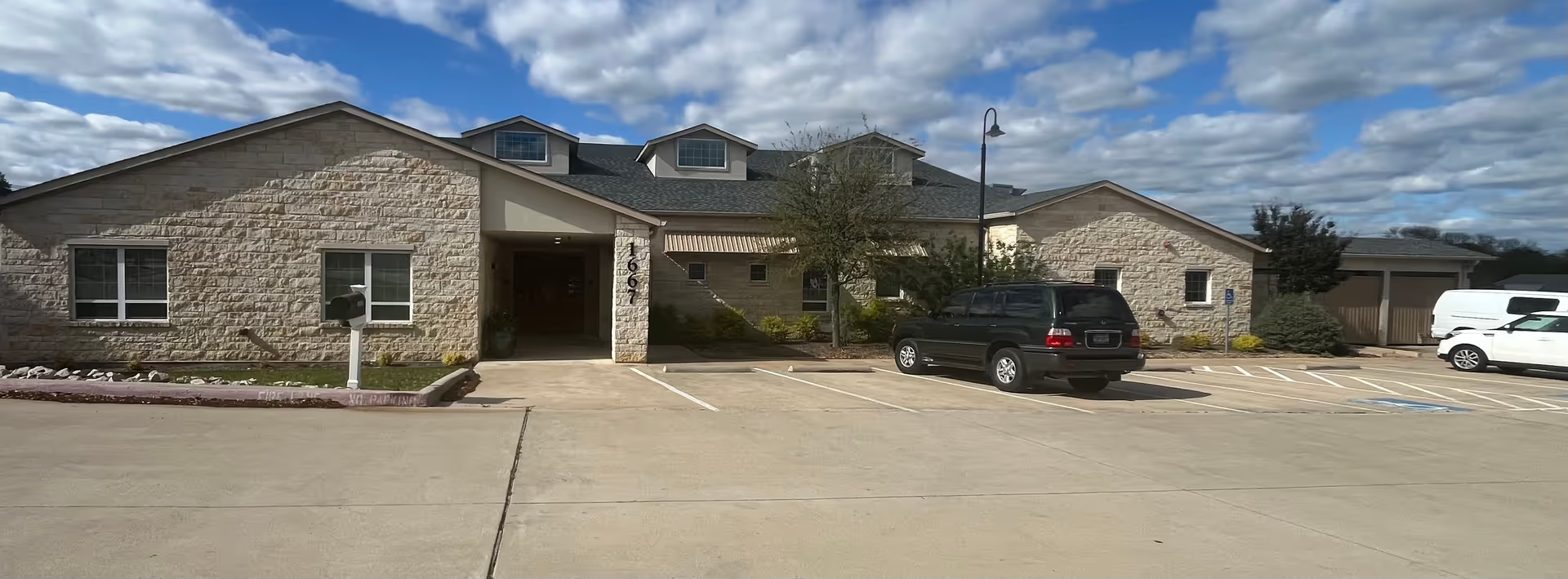
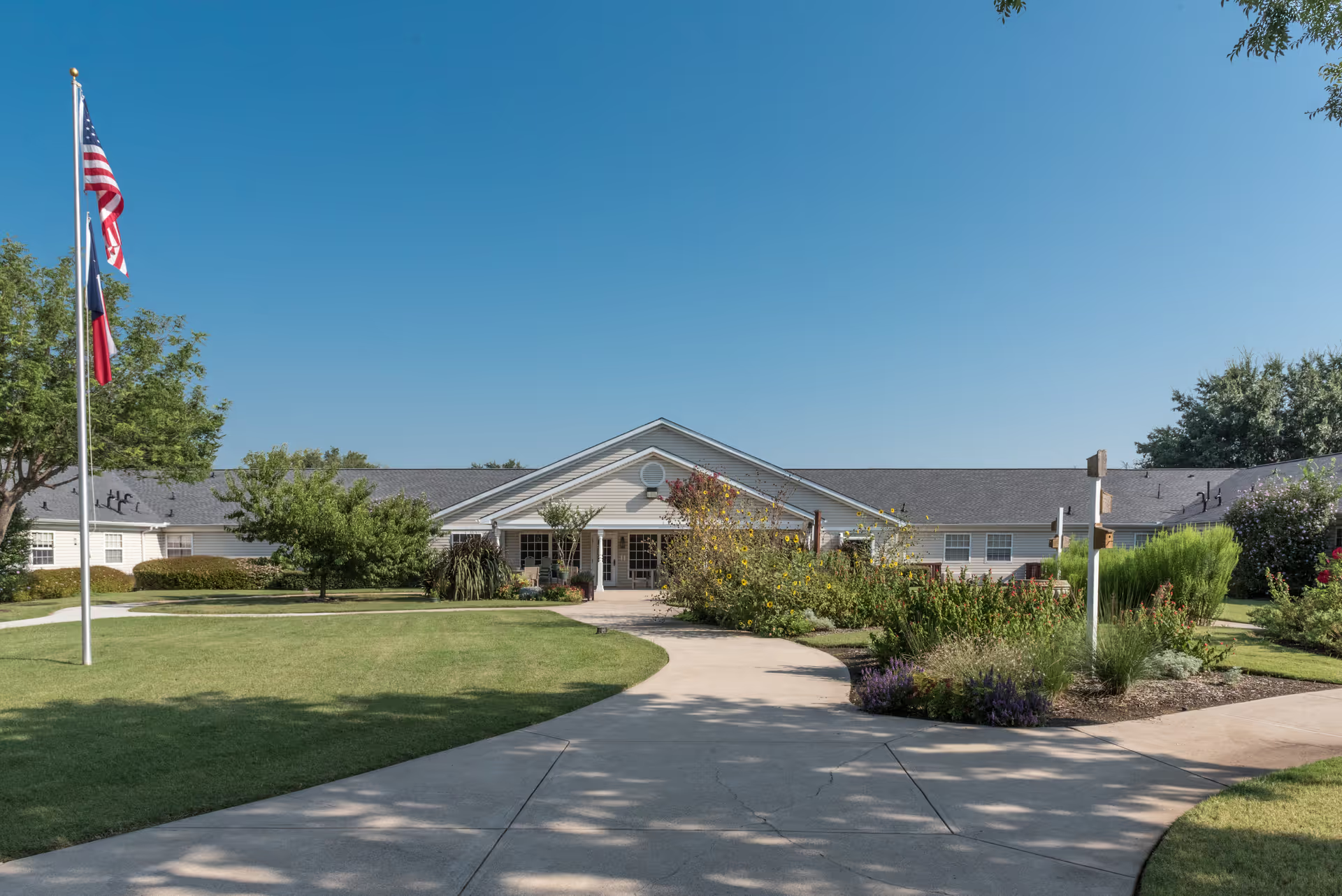
Twin Rivers Assisted Living and Memory Care is described overall as a clean, bright, single-story community with a strong emphasis on personalized, family-style care. Many families praise the facility’s appearance, wide hallways and updated decor, and note convenient on-site services such as a salon, gym and physical-therapy support. The environment is frequently characterized as welcoming and home-like, with accessible common areas, a veteran recognition wall, pet-friendly policies, and well-maintained grounds and gardens.
Care quality and staff performance receive predominantly positive comments. Reviewers commonly highlight compassionate, attentive caregivers, visible involvement from memory-care specialists, and supportive nursing and rehab staff during transitions or post-acute care. Several accounts describe individualized attention, quick responses to family concerns, and direct engagement from leadership and activities personnel. The community’s culture is often described as family-like, with staff praised for patience, kindness, and the ability to form personal relationships with residents.
Dining and activities are recurring strengths. The dining program is noted for chef involvement, varied menus, and balanced choices; however, there are intermittent notes about meal-temperature consistency and constrained variety when costs or staffing pressures arise. The activities calendar is robust, with musical entertainment, arts and crafts, puzzles, fitness options, movie and activity rooms, and daily social programming that families say supports residents’ mental and physical engagement.
Facility operations receive mixed feedback. Many reviews applaud cleanliness, prompt maintenance, and the visual upkeep of furnishings and public spaces. At the same time, several families raised operational concerns that represent pattern-level risks: inconsistent staff conduct or attentiveness in some shifts, variable medication-management practices, and communication gaps between staff, management, and families. There are also mentions of leadership turnover and occasional difficulty obtaining satisfactory resolution after raising concerns, which some families interpret as limited transparency in incident investigation and follow-up.
Practical considerations include pricing and ancillary fees: some families find base rates competitive but note that extras and ancillary requirements can increase total cost and affect menu variety. A few reviewers also flagged training and night-shift security coverage as areas where consistency could improve. Prospective families should weigh the facility’s strong caregiving reputation, memory-care competencies, and well-maintained environment against these operational considerations.
For families considering Twin Rivers, recommended due diligence items include asking about current staffing ratios (including night coverage), medication-administration protocols, incident-investigation and family-notification procedures, detailed pricing and ancillary-fee disclosures, and meal-service practices (including typical service times and temperature controls). These targeted questions can help clarify whether the facility’s generally positive strengths align with a particular resident’s clinical and logistical needs.