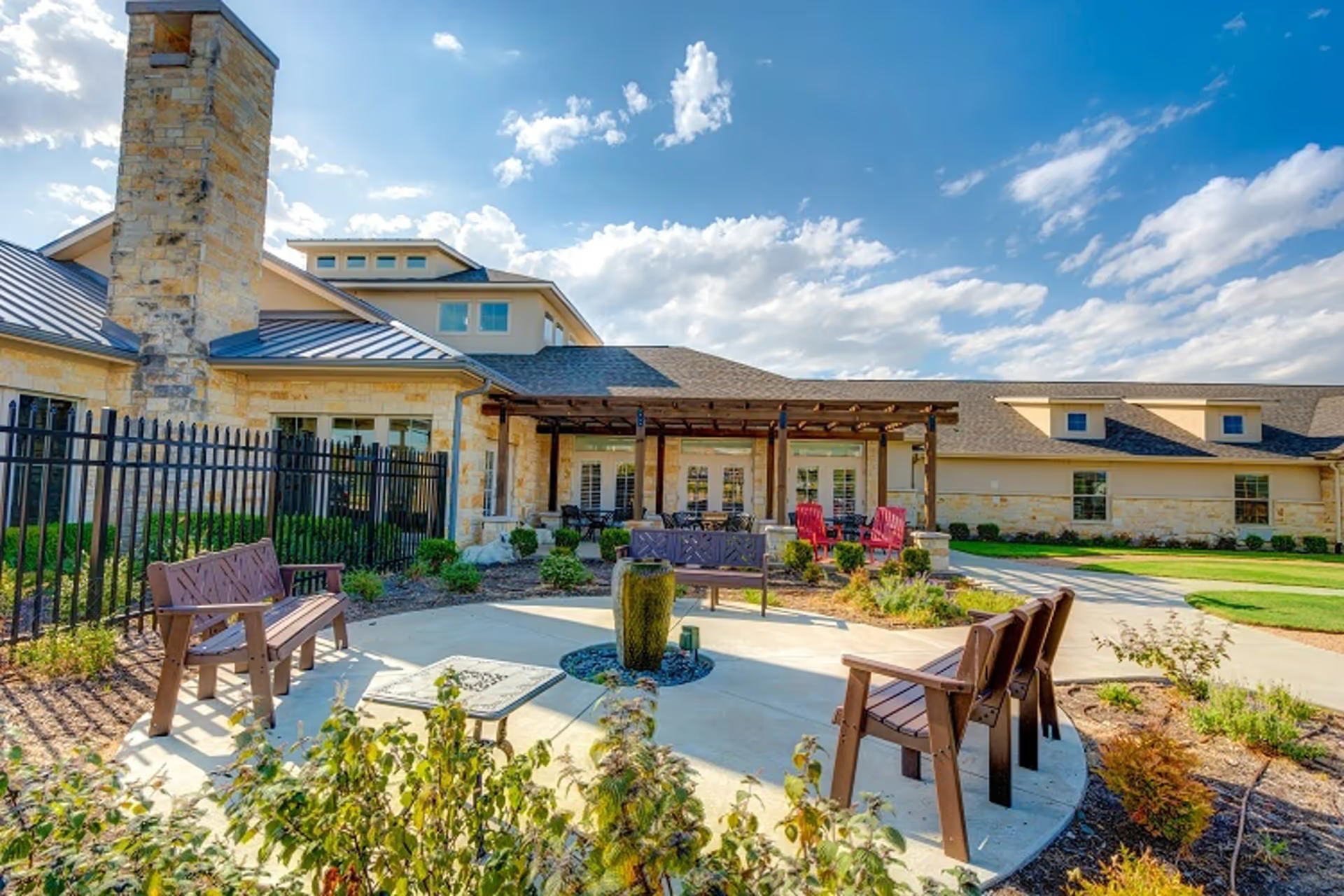
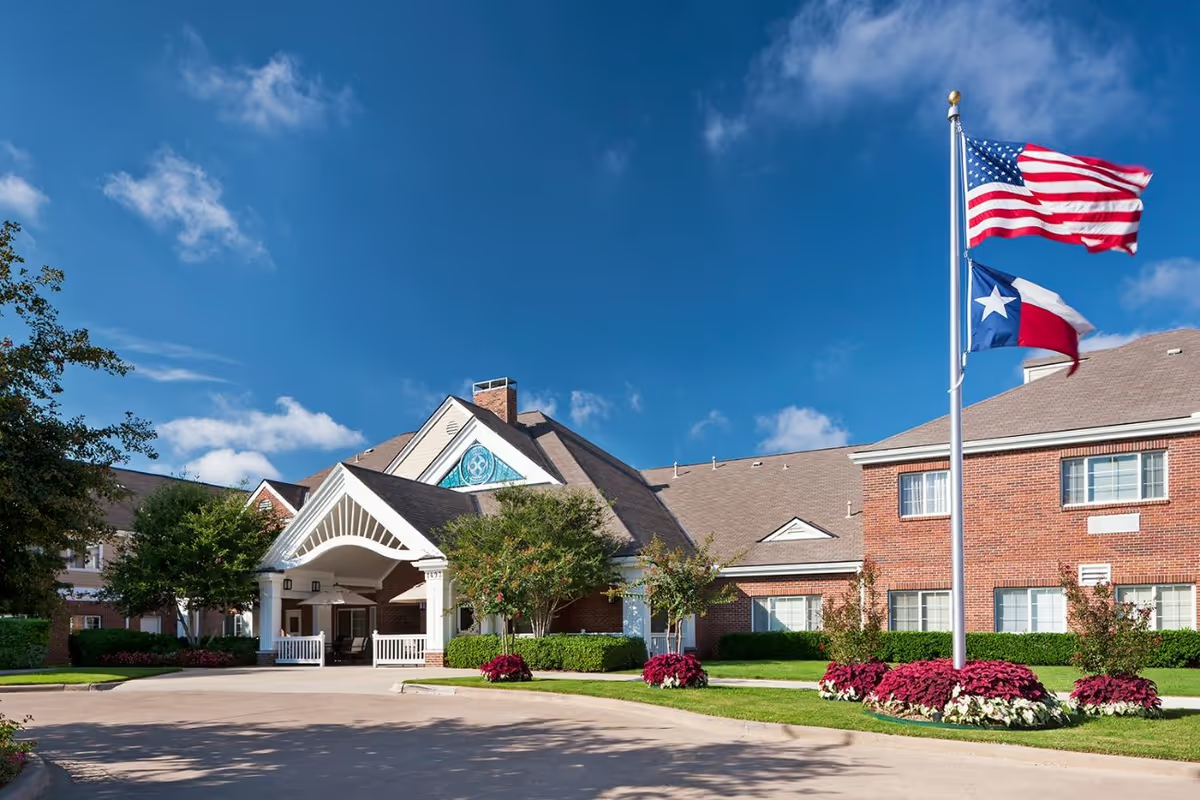
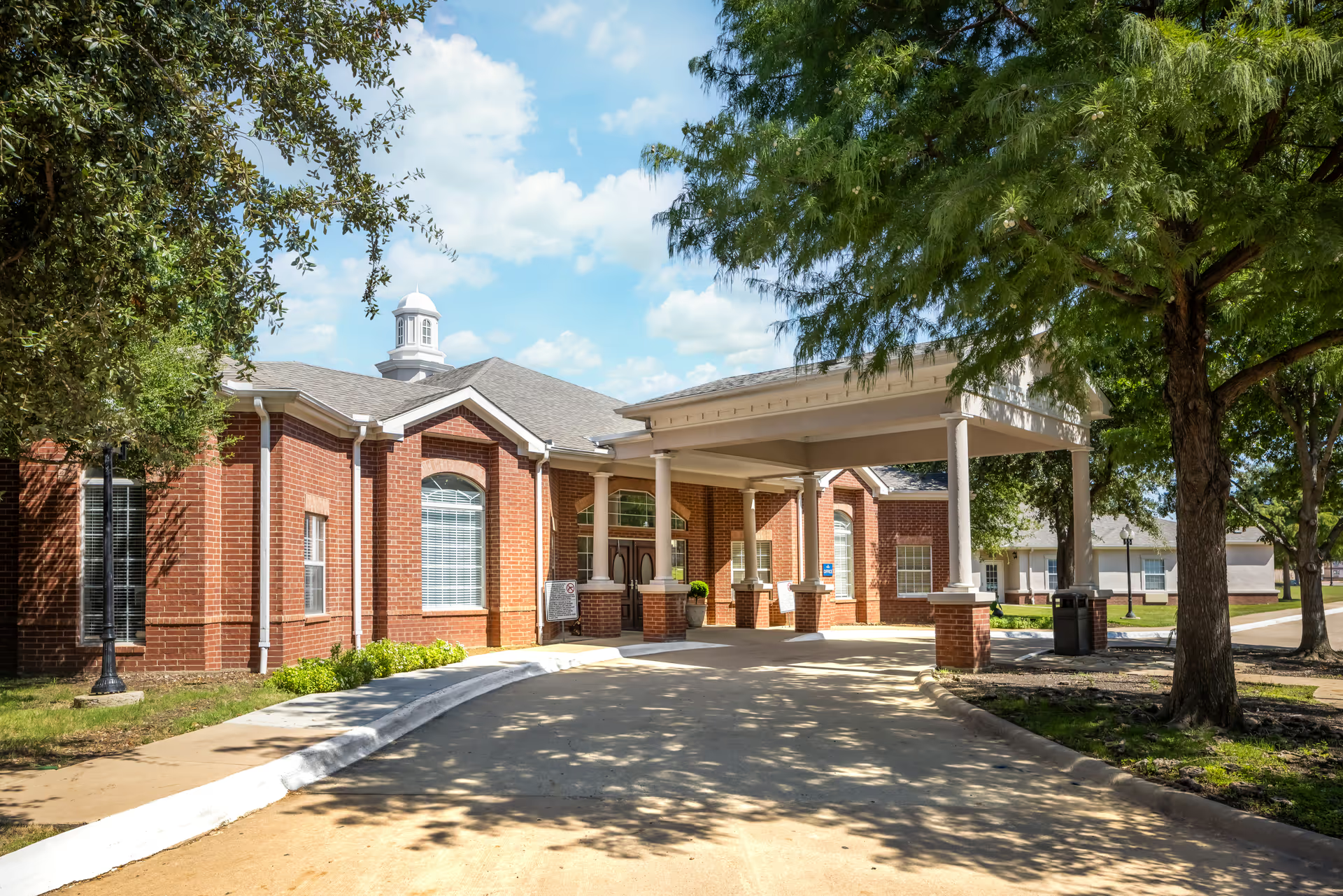
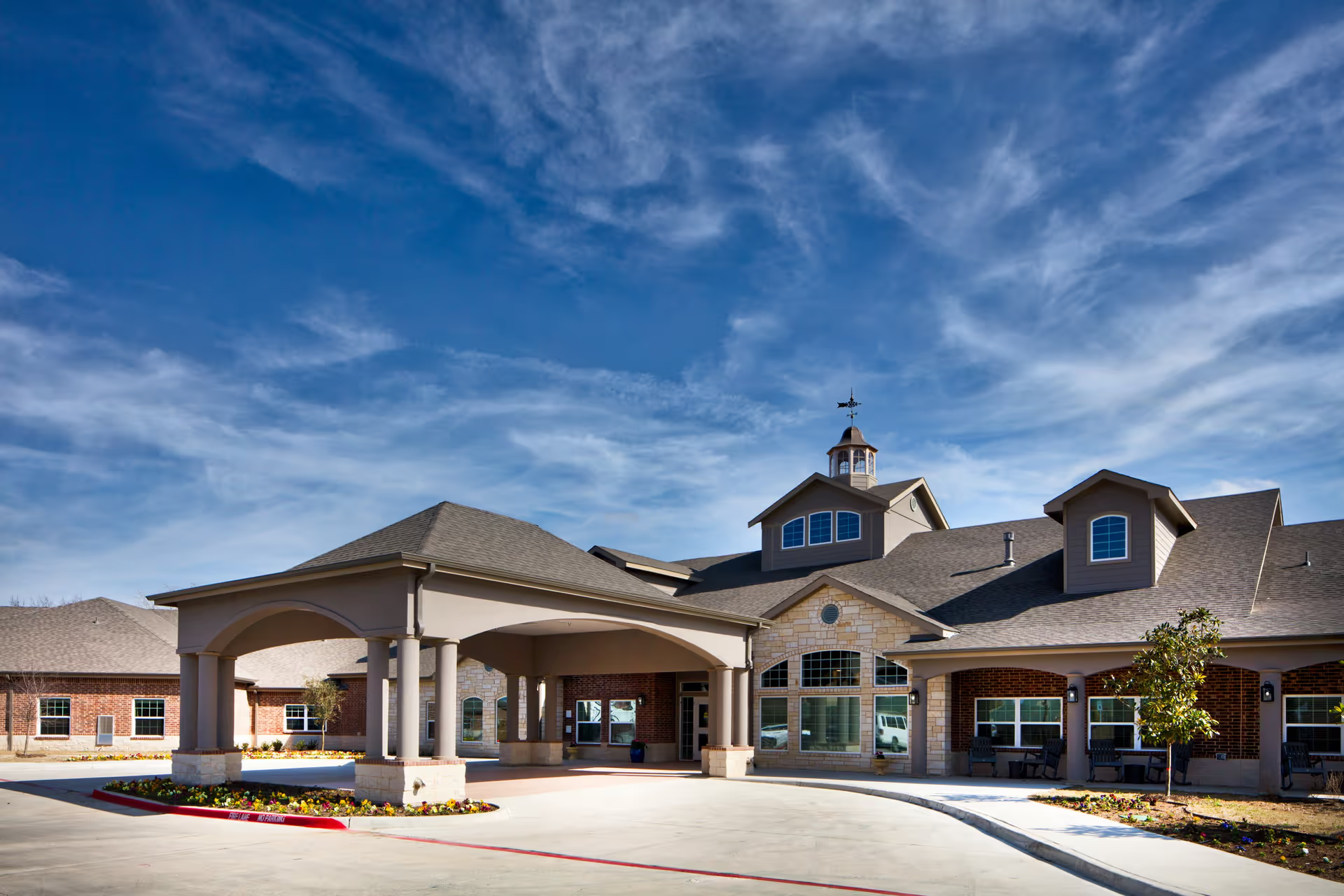
Bader House Memory Care presents as a small, dementia-focused residence with many reviewers emphasizing a home-like atmosphere and personalized attention. The facility's physical design—bright, open interiors, a pass-through window to the kitchen, and a sizable secure outdoor yard with a soft walking path—supports free movement and social interaction. Meals are consistently described as home-style and freshly prepared on-site, and families highlight opportunities for resident–chef contact. The programmatic focus on Alzheimer’s and dementia care is reflected in the small capacity and an activity calendar that, according to many families, includes celebrations, guest entertainers, and regular outdoor time.
Care quality descriptions are mixed but cluster around two patterns. Numerous families report compassionate, attentive caregiving, attentive nursing oversight, and administrative staff who are efficient and empathetic; these accounts describe measurable improvement in residents' mood and function and characterize the staff as an extension of family. Conversely, a subset of accounts raises operational concerns that affect perceived quality: inconsistent staffing levels, frequent staff or nurse turnover, and episodes where staff responsiveness or professionalism was judged inadequate. Reviewers also raised concerns about medication-management practices and behavioral-incident documentation; these are presented by families as areas meriting direct inquiry during a tour.
Dining and activities are frequently cited as strengths. Reviewers often note daily, home-style menus with fresh ingredients, a warm dining environment, and a schedule of activities that is generally followed. The facility's size appears to support personalized activity engagement and family-focused events. However, a few families reported variability in activity engagement across shifts, indicating that the consistency of programming may depend on staffing at particular times.
Facility and safety observations are likewise mixed. The home-like design, cleanliness, and outdoor amenities are positive features. At the same time, several reviews expressed concerns about security-process consistency—specifically room-locking and wandering-risk controls—and about how the facility handled infection events and visitation during an outbreak. These comments suggest prospective families should ask about current safety protocols, door/room-locking procedures, and infection-event policies.
Management and value perceptions vary. Many reviewers praise hands-on, communicative leadership and an administrative team that welcomes family involvement. Other families described slower response to concerns, unclear billing or refund practices, and a perceived mismatch between cost and delivered value. Given this variability, callers and visitors should discuss staffing ratios, turnover, medication oversight procedures, incident-reporting practices, refund and billing policies, and how leadership communicates with families.
Overall, Bader House appears to offer a strongly person-centered, dementia-focused environment with notable strengths in atmosphere, dining, and small-community caregiving. At the same time, recurring operational themes—staffing consistency, medication-management controls, security-process consistency, and administrative communication—are areas prospective families should probe directly during visits and in written policy review. A detailed tour, review of staffing schedules, medication protocols, safety procedures, and written contractual terms will help families assess whether the facility’s strengths align with their expectations and risk tolerance.