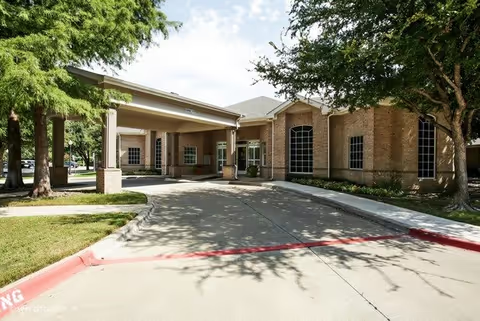
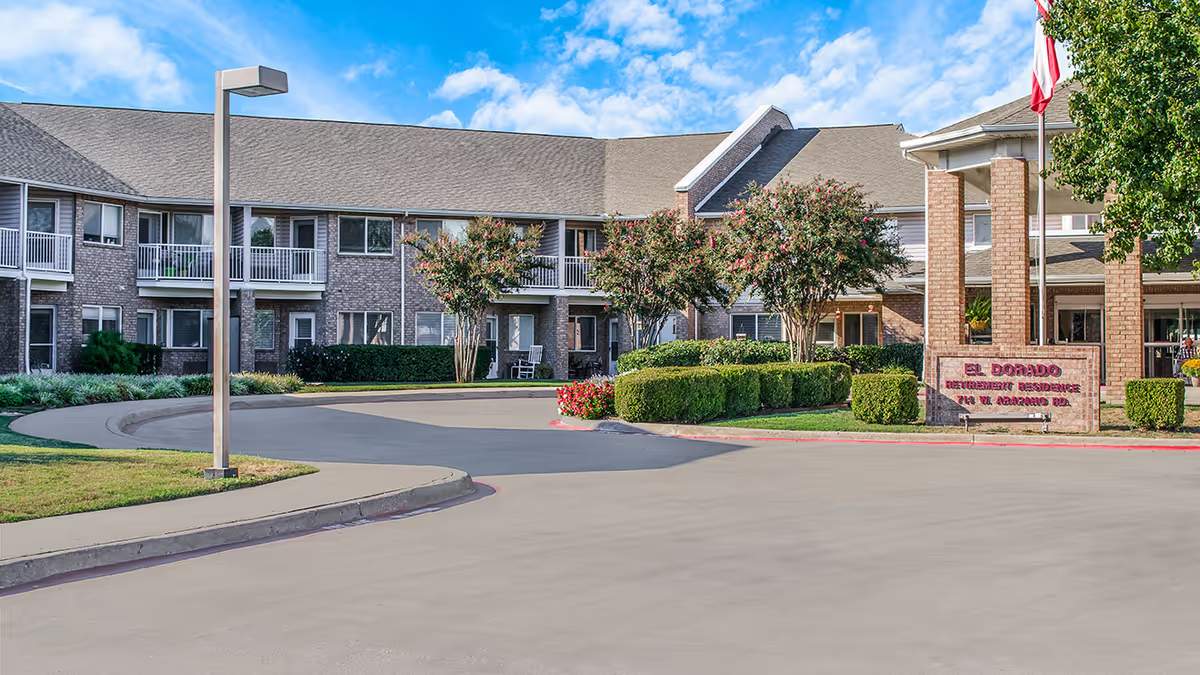
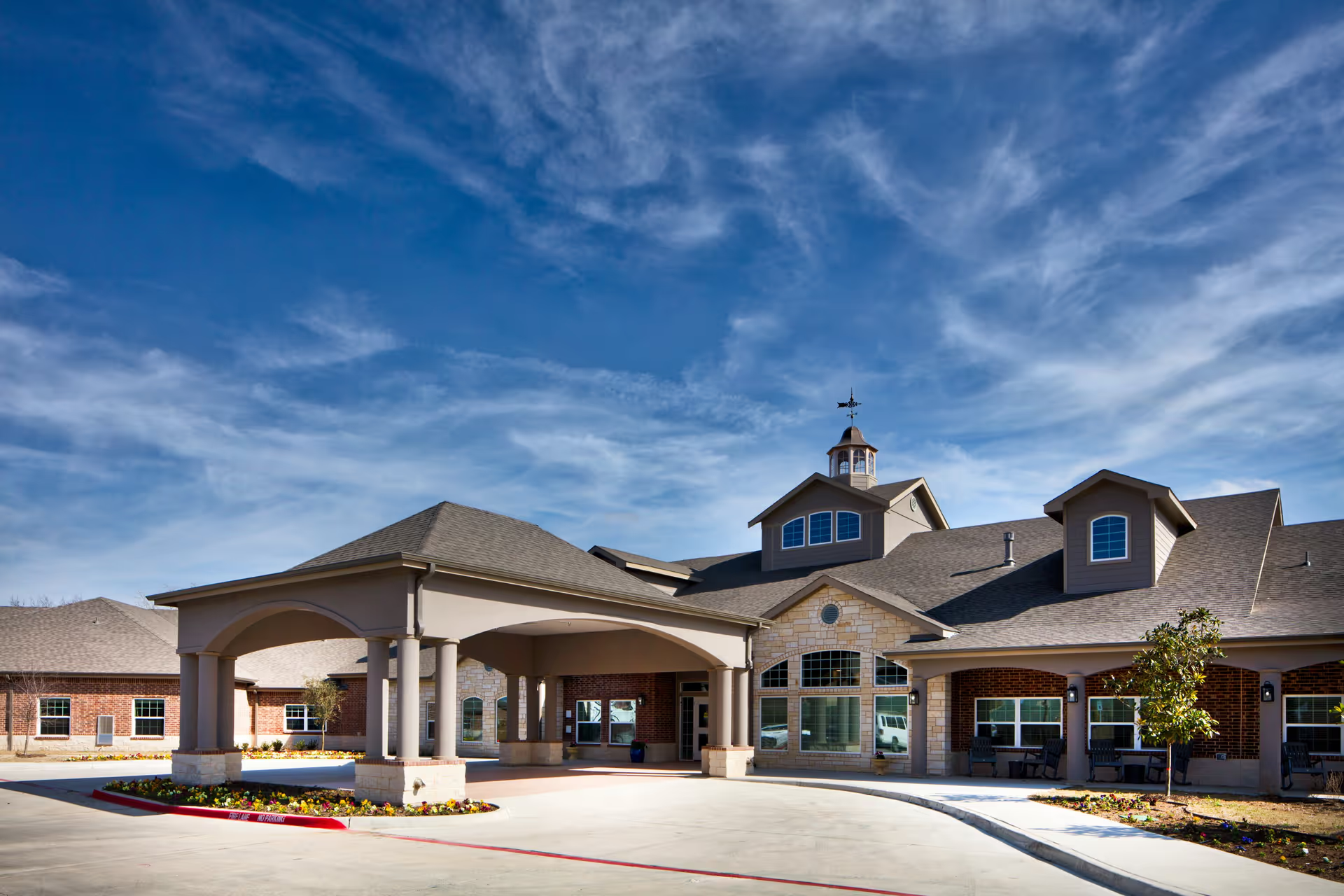
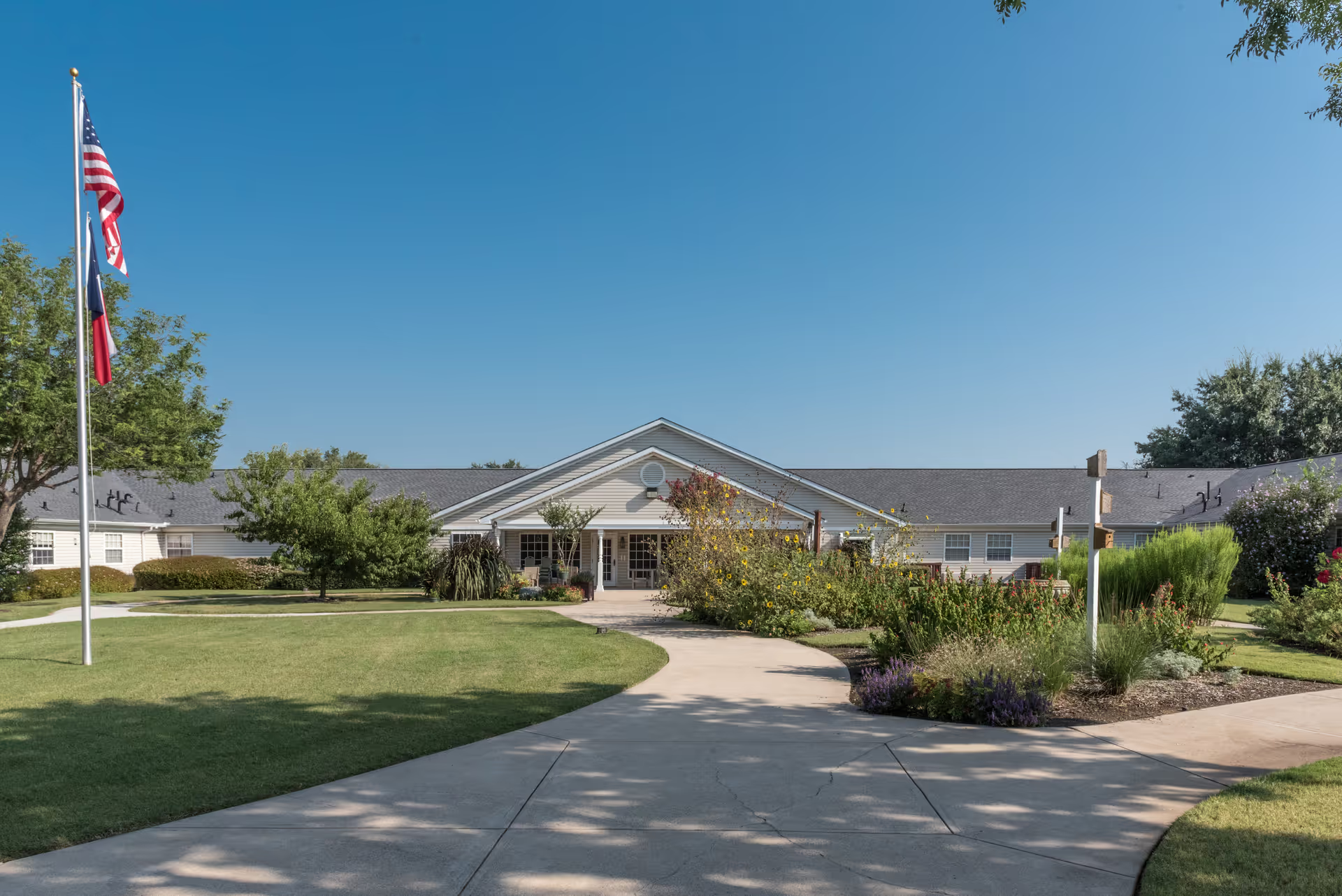
Overall impression: Monarch at Richardson is described as a warm, well-kept community with strong assisted-living services and a staff culture that many families find compassionate and communicative. Reviewers commonly cite friendly admissions/tour staff, caregivers who learn residents' names, and consistent family communication. The facility's dining program is repeatedly praised for homestyle offerings, an accommodating chef, and pleasant meal presentation. Cleanliness and upkeep of rooms and common areas are frequently noted as strengths, and the campus landscaping and nearby walking trail contribute to a home-like atmosphere.
Care quality and staffing: Assisted-living care is generally characterized as high-quality and attentive. Memory care receives mixed assessments — while the community has safety features (including wander-prevention systems) and structured memory activities, several families expressed concern that the memory-care program does not consistently adapt to advanced dementia needs. Reviewers described instances that suggest gaps in clinical monitoring and delayed responses to acute changes in condition; those accounts point to potential weaknesses in monitoring protocols and emergency-response timeliness. Staffing stability is another theme: many reviewers praised individual staff members, but there are recurring comments about variable staffing coverage, particularly on weekends, which may affect supervision and responsiveness at certain times.
Staff and culture: The staff are widely described as warm, respectful, and family-oriented. Positive notes include attentive caregiving, staff who greet residents by name, proactive family communication, and a generally upbeat atmosphere. These interpersonal strengths appear to be a consistent asset for residents’ day-to-day experience, contributing to the facility’s homelike tone.
Dining and activities: Dining is a clear strength—many reviews highlight tasty, homemade-style meals, accommodating menu changes, and a personable dining staff. Activity programming is active and varied in many areas: music groups, exercise classes, games, reading groups, and memory-focused sessions are reported. However, activity intensity and variety appear uneven across days and between units; some families observed limited programming during certain periods or that small-group options predominated over larger, more varied offerings.
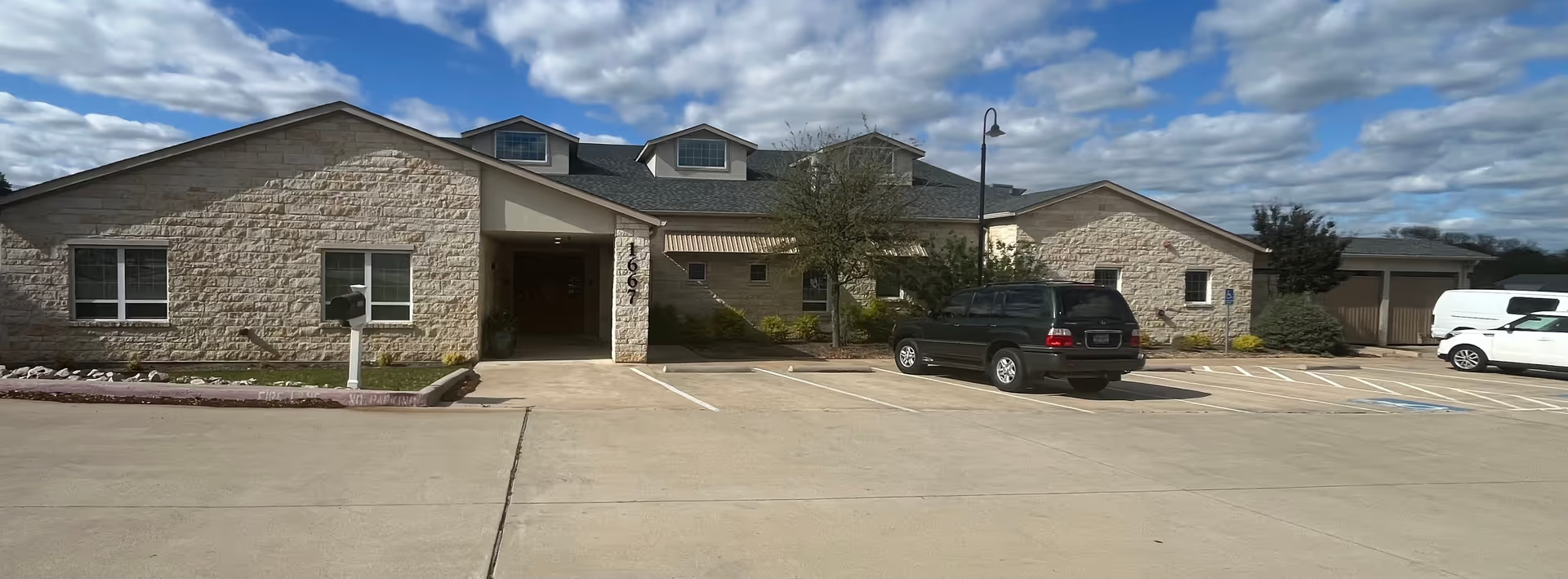
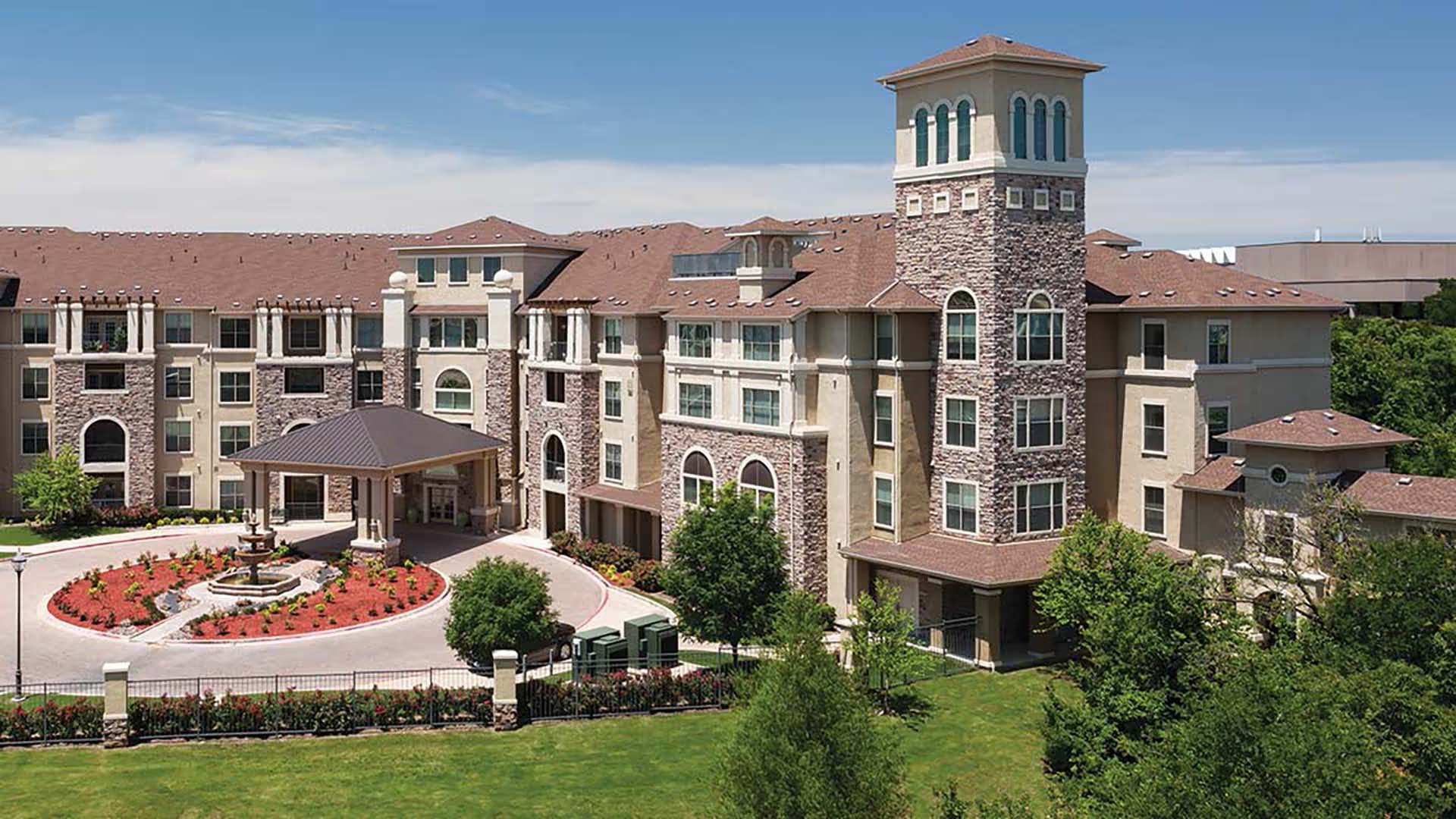
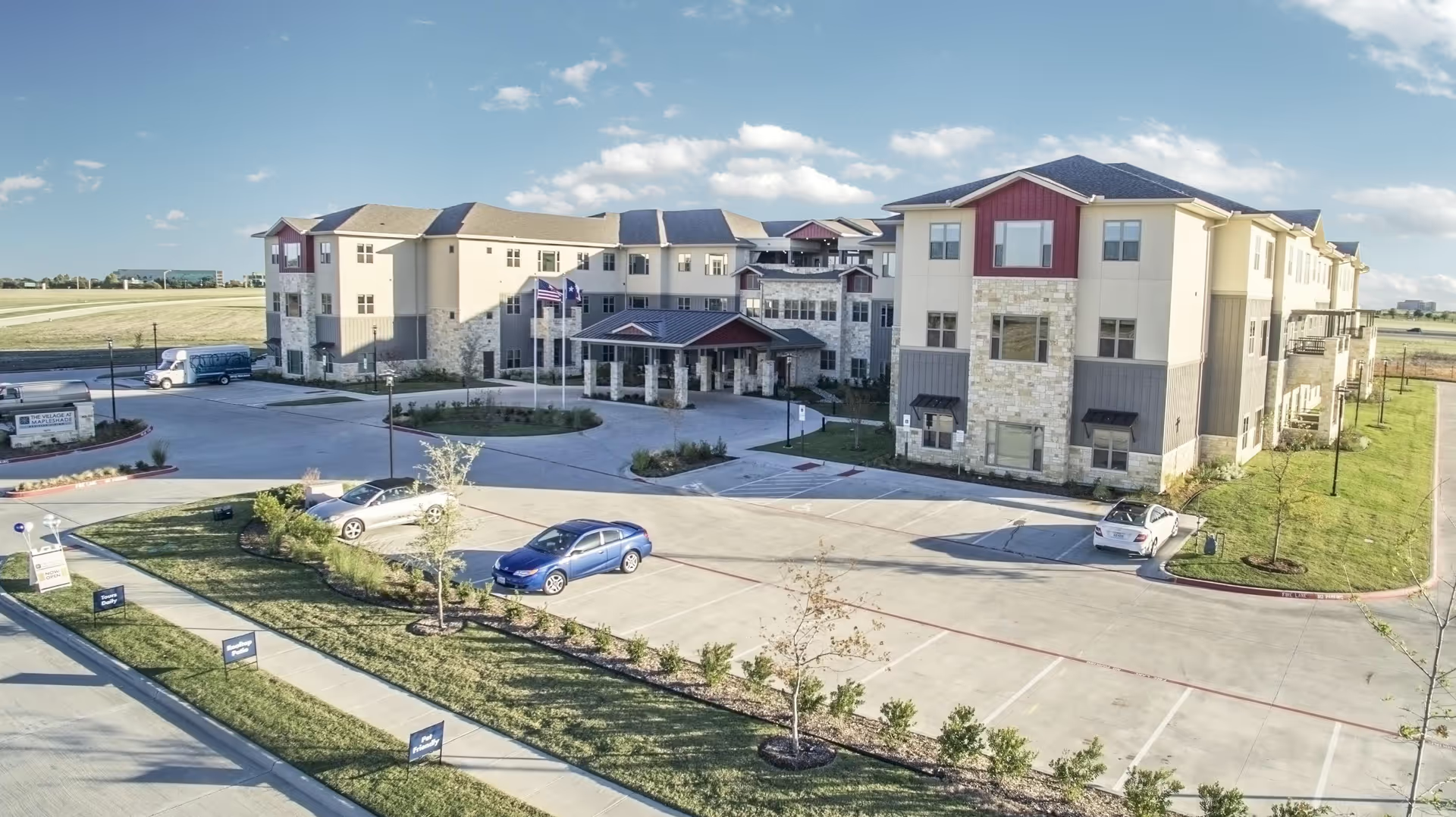
Facilities and operations: The community's physical plant is generally well regarded: renovated rooms, clean common areas, and attractive outdoor spaces. Ongoing remodeling was mentioned as creating periodic disarray, which suggests communication and operational planning around renovations could be improved to minimize resident disruption. Reviewers also noted instances of personal belongings being misplaced despite labeling, indicating weaknesses in personal-item tracking and inventory controls. Finally, the community is not a skilled-nursing facility; families seeking higher-acuity onsite nursing should plan accordingly or confirm available clinical services.
Patterns and considerations for prospective families: The dominant pattern is a positive assisted-living experience supported by caring staff and strong dining/activity offerings, with more variable outcomes in memory care. Prospective families should clarify how the memory-care program individualizes plans for advanced dementia, ask about staffing patterns (including weekend coverage), review emergency-response protocols, and discuss the facility’s process for inventorying and safeguarding personal items. For those prioritizing social engagement and a home-like dining experience, Monarch at Richardson appears attractive; for residents needing frequent clinical oversight or skilled-nursing services, families should confirm clinical capacity and response procedures before placement.