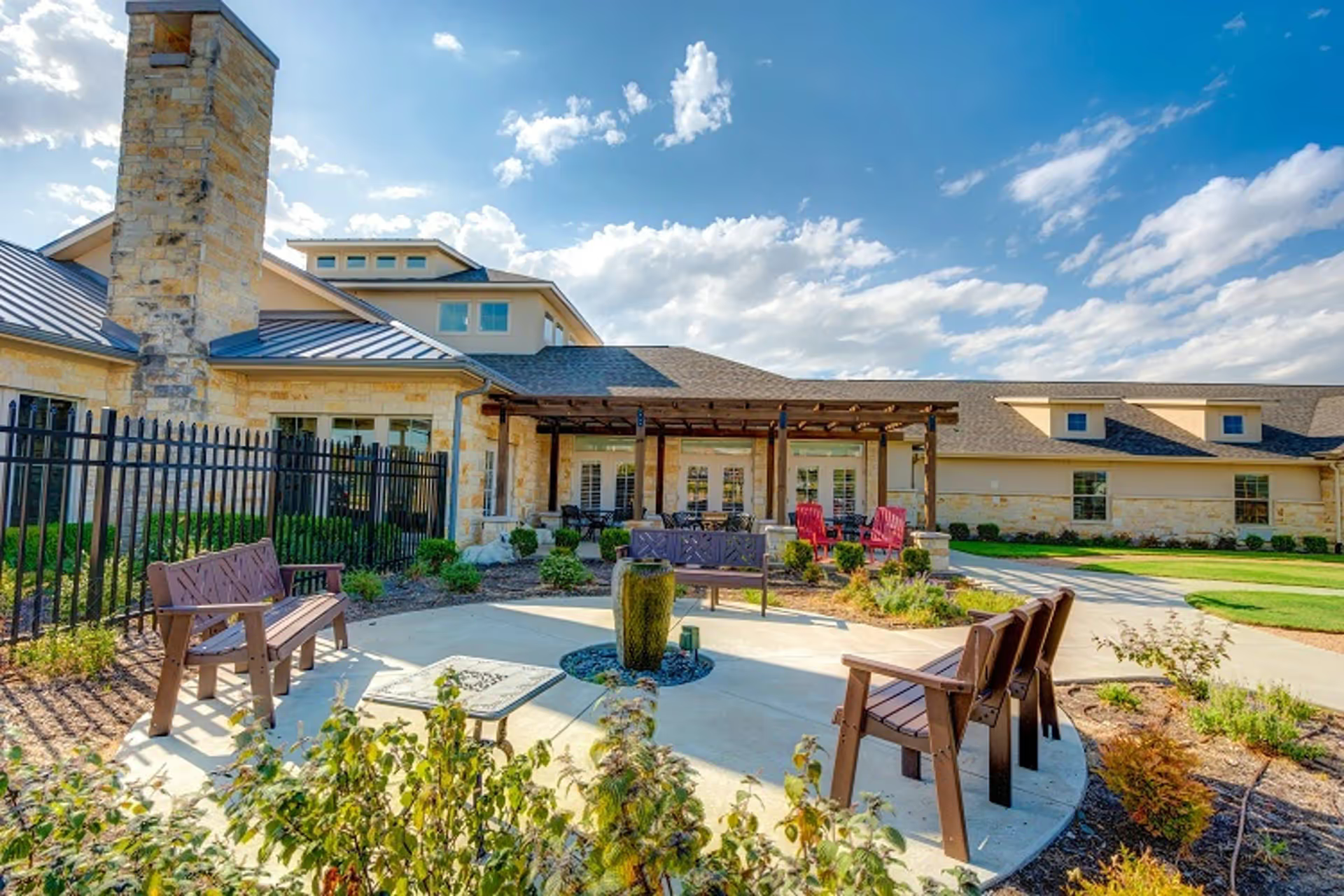
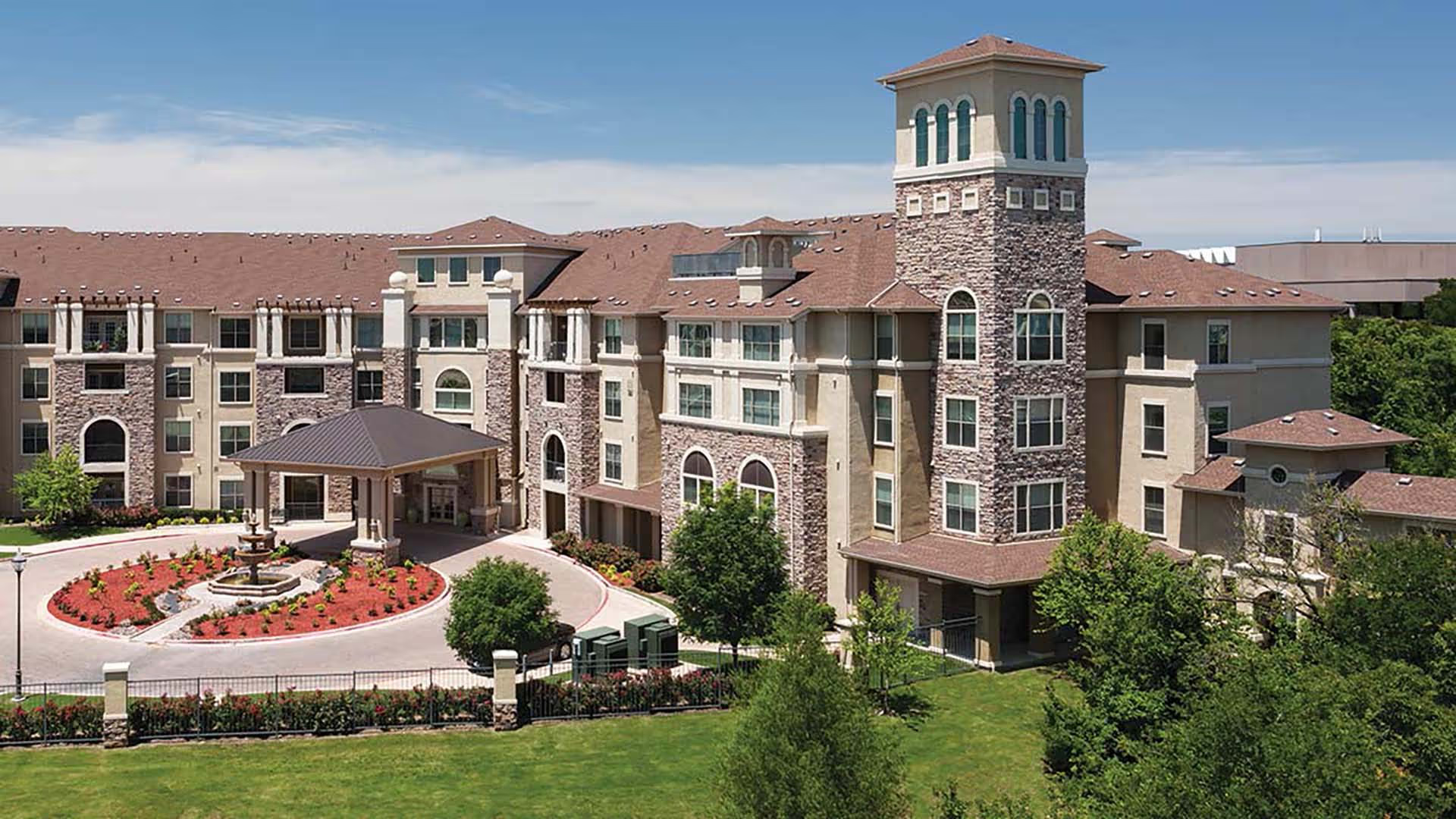
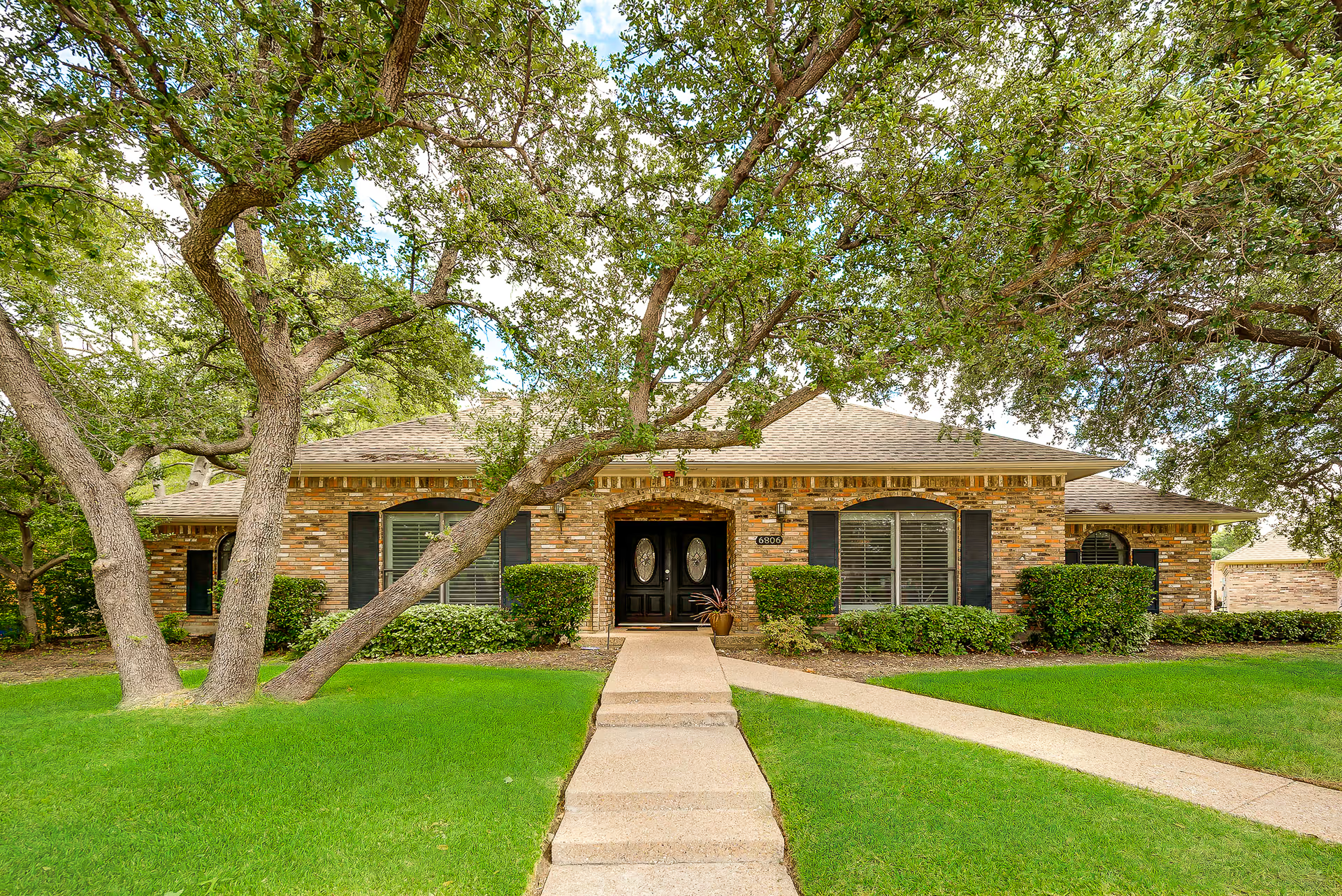
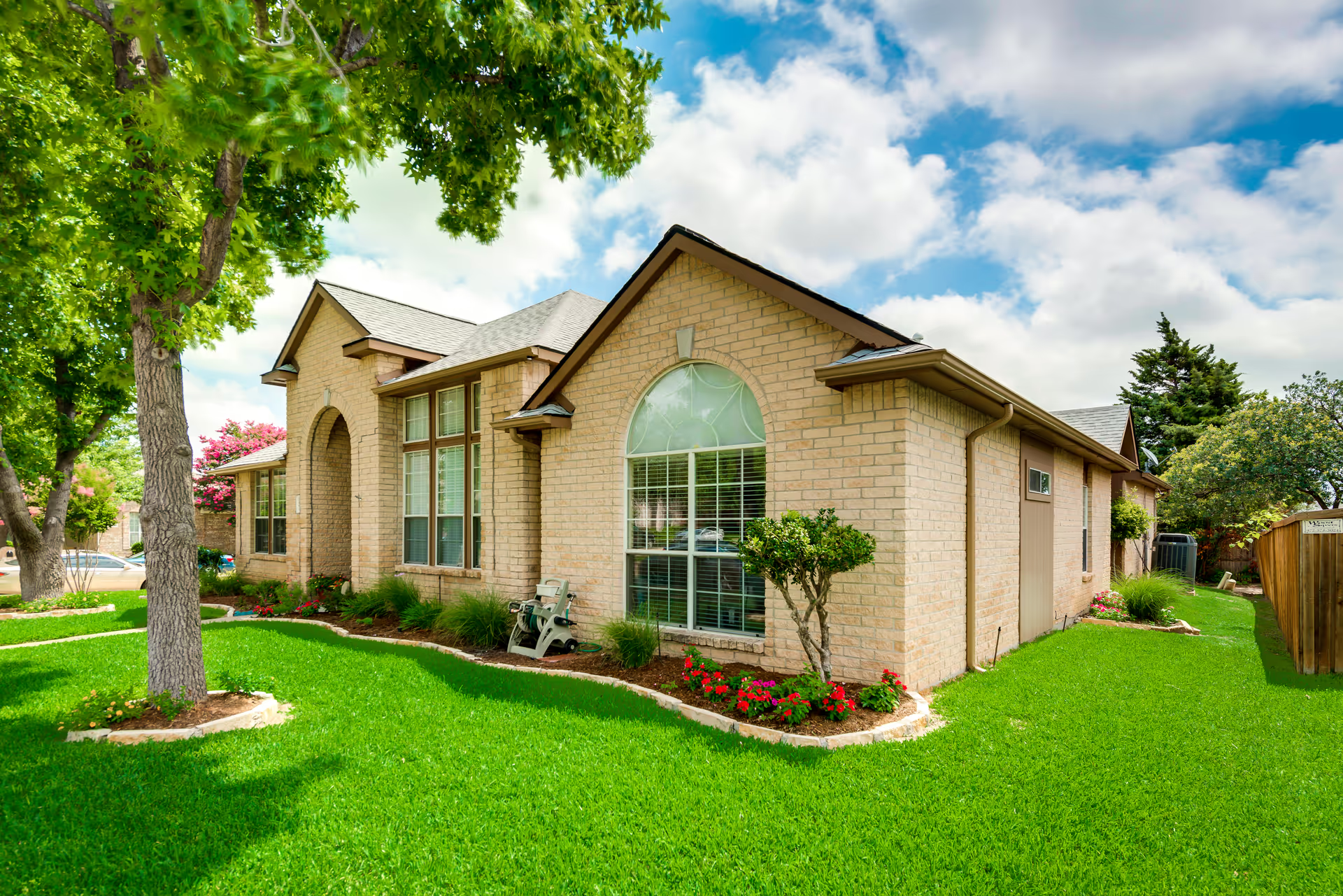
Village on the Park Plano presents a contrast between a high-quality hospitality environment and recurring operational challenges. Reviewers consistently praise the community’s physical plant: bright, modern apartments, well-appointed and resort-like common areas, attractive landscaping and a range of on-site amenities (salon, bistro, movie theater, fitness and multiple outdoor dining spaces). The dining program receives many compliments for restaurant-style presentation, an accomplished culinary team, themed family dinners and menu variety; dozens of families described enjoyable meals and positive dining-room interactions. The activities program is broad and active, with frequent outings, classes, faith-based groups, arts and gardening options and an engaged activities director that many residents and families valued.
Care and staffing present a mixed picture. Numerous families described warm, compassionate caregivers, accessible front‑desk personnel, and periods when clinical leadership and long-tenured staff provided strong, personalized care — including effective 24-hour nursing coverage and notable responsiveness during the COVID period. At the same time, a persistent pattern of turnover at executive, nursing and direct-care levels emerged across reviews. That instability, coupled with reliance on temporary or agency staff, produced inconsistent staffing coverage (notably on weekends or during transitions), variability in caregiver assignment, and complaints about delayed responses to nurse‑call requests.
Clinical-process weaknesses were a recurring concern. Several families cited medication-administration and pharmacy coordination problems — including missing or late doses, medication-list mix-ups, and supply issues — that suggest gaps in medication management systems. There were also reports indicating insufficient follow-up after hospital discharges and concerns with wound care and pressure‑injury management for residents with complex needs. Prospective residents who require advanced clinical oversight or wound management should probe clinical staffing, physician/medical-director availability, and post‑hospital protocols before moving in.
Operational areas that require attention include housekeeping and laundry consistency and administrative responsiveness. While many accounts describe an exceptionally clean and well-maintained environment, other families experienced inconsistent room cleaning, laundry delays, and service gaps. Communication and administrative processes drew mixed remarks as well: some families praised proactive executive directors who communicate by phone and text, while others experienced slow paperwork processing, difficulty getting timely callbacks from care supervisors, and concerns about billing transparency and rate increases.
Dining quality is generally a strength but not uniform. The culinary team and presentation receive frequent accolades, yet a subset of families reported meal-service interruptions, cold or low‑quality plated items, menu limitations for specialized diets (for example diabetic-friendly options), and inconsistent portioning. Activity offerings and social engagement were consistently highlighted as strong contributors to resident quality of life; the program appears to support social connection and meaningful participation for many residents.
In summary, Village on the Park Plano offers a high‑quality physical environment, engaging activities and many caring staff members who create a welcoming community for residents. However, operational variability — especially staffing turnover, medication-management controls, housekeeping consistency, and intermittent communication breakdowns — creates uneven experiences. Prospective residents and families should arrange multiple visits (including mealtimes and weekend observations), ask specific questions about staffing ratios, agency use, medication and wound‑care protocols, hospice/end‑of‑life policies, housekeeping schedules, and contract/billing terms, and identify the on‑site clinical leadership responsible for complex-care oversight. Those steps will help determine whether the community’s strengths align with an individual’s clinical and social needs.