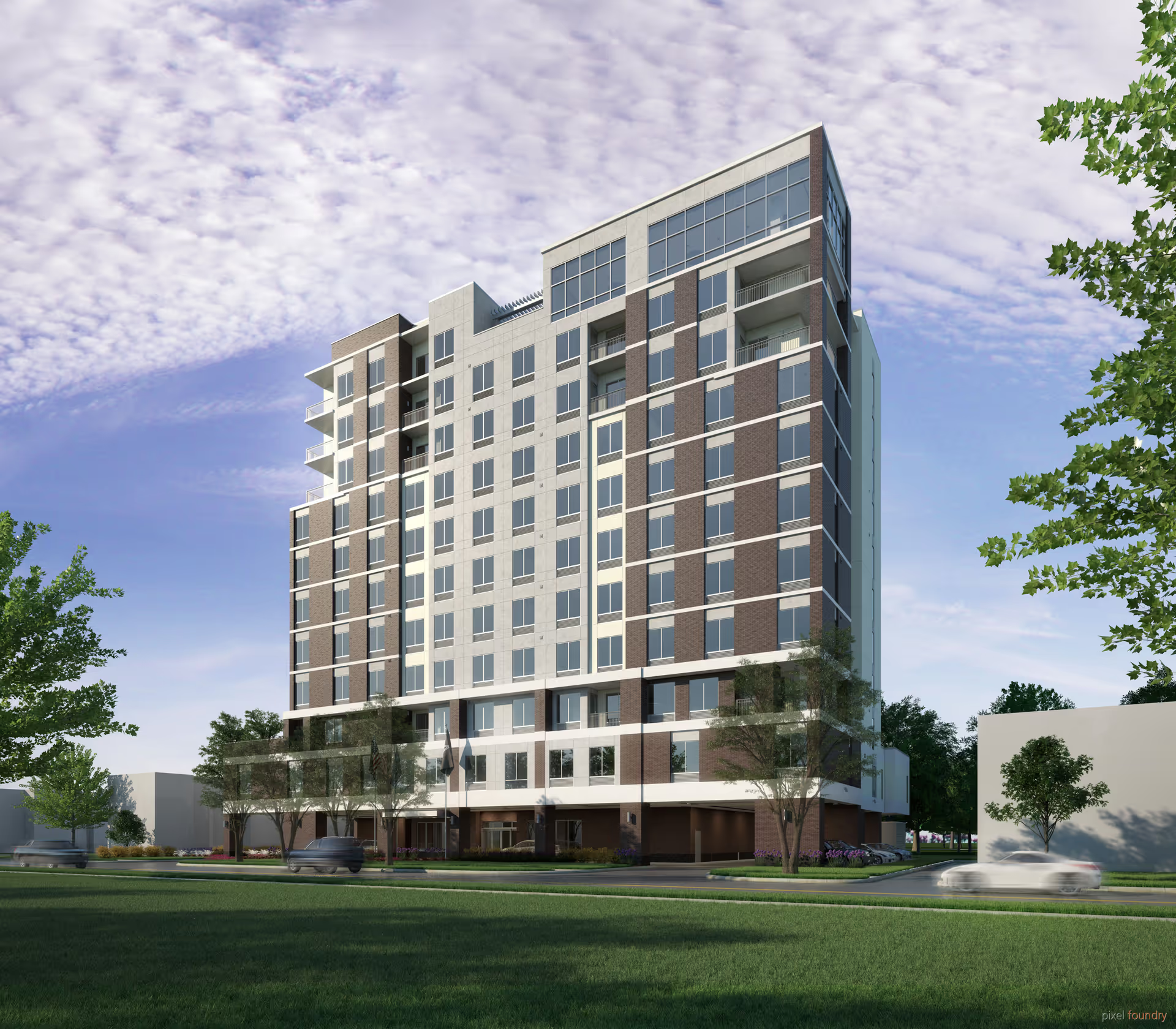
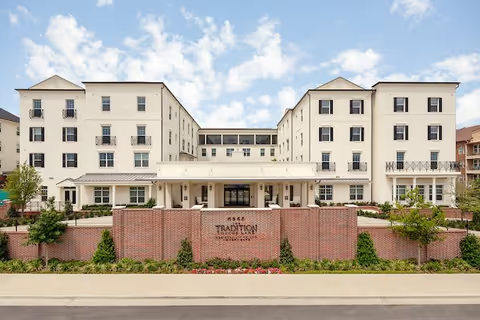
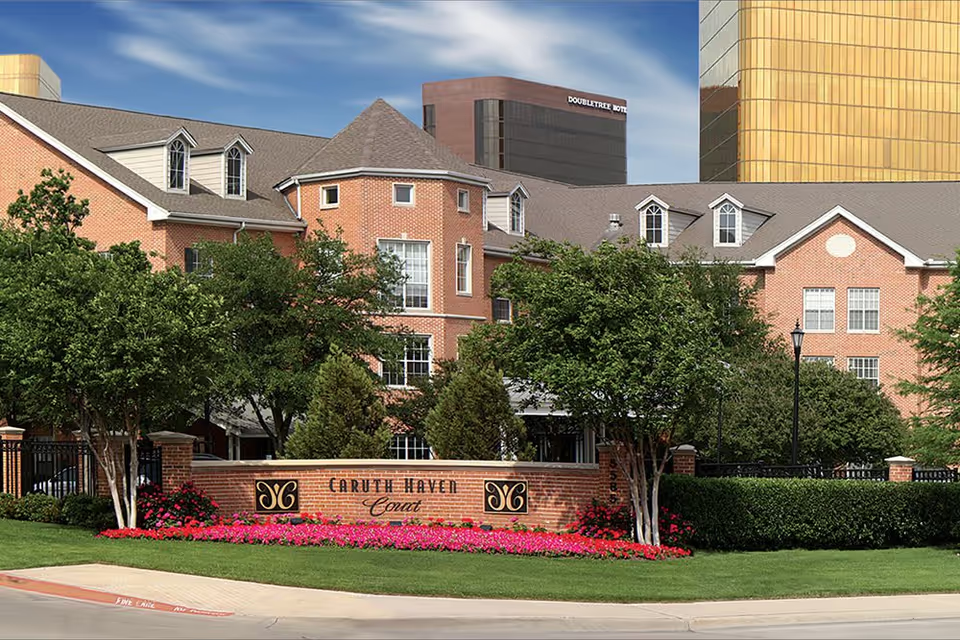
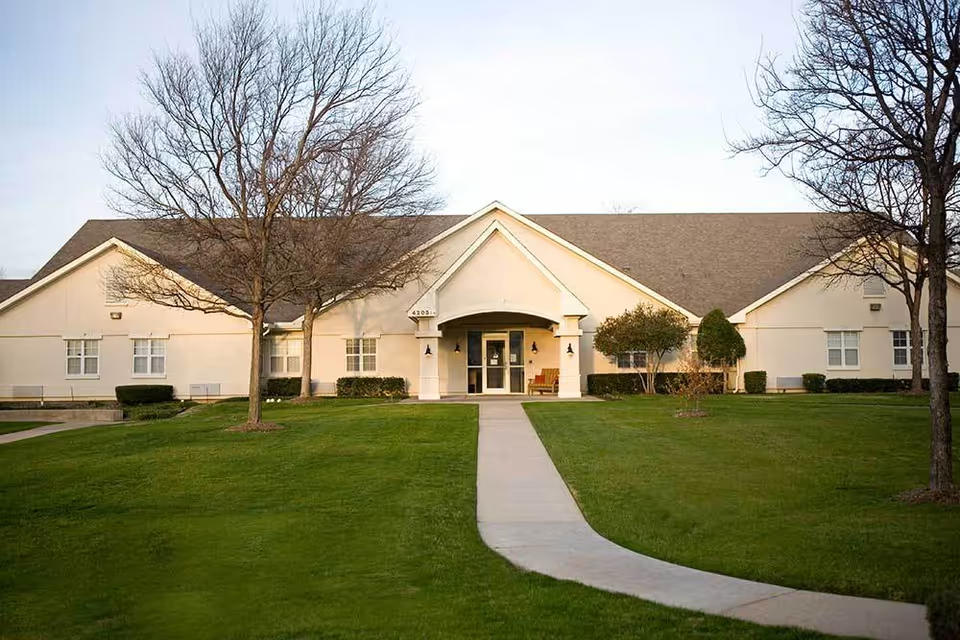
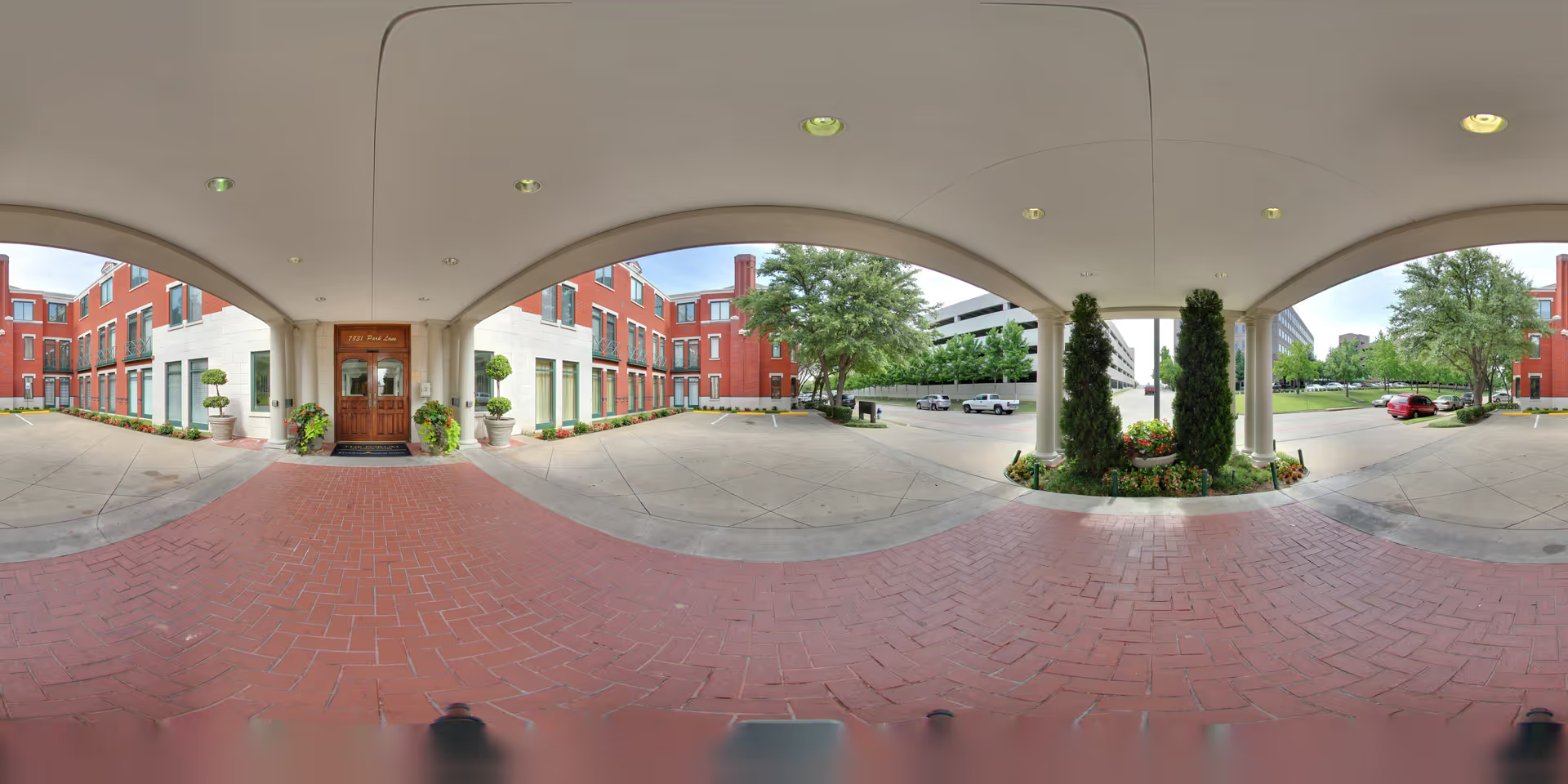
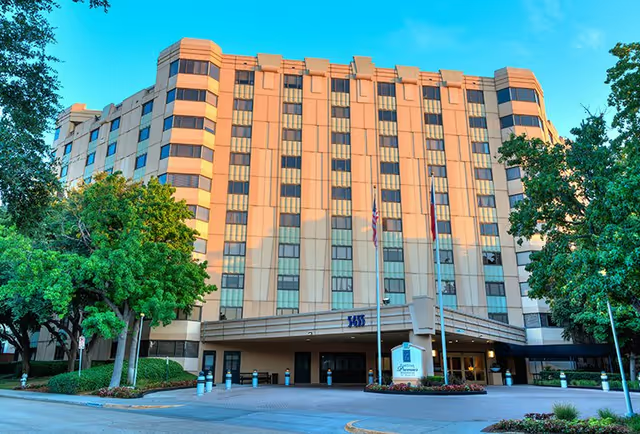
Overall impression: Silverado Turtle Creek (Iris Memory Care/Turtle Creek references appear across feedback) presents as a small, boutique memory-care community with a strong emphasis on dementia-specific programming and a homelike environment. Many families and visitors highlight the facility’s cleanliness, attractive common areas, well-kept grounds and accessible courtyards. The community’s size and layout are repeatedly described as conducive to close staff–resident relationships and a sense of community.
Care and staff: A dominant theme is the presence of compassionate, dementia-trained caregivers and long-tenured staff who provide personalized attention and non-pharmacological approaches to behavior management. Several families described improved mood, engagement, and weight stabilization for residents after admission. Management and some clinical leaders (including a named admissions/marketing liaison) are commonly portrayed as accessible and supportive. That said, there are recurring operational concerns suggesting variability in clinical reliability: reviewers describe isolated but serious clinical issues such as medication-administration problems, missed or delayed clinical interventions, and fall-related hospitalizations. These indicate inconsistency in clinical oversight and occasional understaffing that families should probe during a tour.
Dining and activities: Dining is frequently praised for appealing, nutritious meals and a pleasant dining experience. Activities programming receives strong positive remarks for diversity (music, crafts, baking, balloon volleyball, yoga, gardening, intergenerational events) and meaningful engagement. However, there is a contrasting pattern where scheduled daily activities are not always delivered consistently and volunteer opportunities appear limited at times. Prospective families should clarify activity schedules, staffing for programming, and how the community handles missed or modified activities.
Facilities and operations: The physical plant and décor are widely recognized as bright, well-maintained, and thoughtfully designed with comfortable apartments and inviting communal spaces. At the same time, operational inconsistencies were noted: housekeeping and laundry reliability vary, there are isolated sanitation and bathing-area maintenance concerns, some units have shared bathrooms or lack showers, and a few reviewers raised personal-item security issues. The provider operates a private-pay, premium-cost model; cost and limited private-room availability were recurring practical considerations for families.
Management and patterns: Leadership generally receives praise for transparency and family engagement, and many accounts describe prompt communication, photos/updates, and collaborative clinical interaction. Nevertheless, a subset of families described lapses in communication and delays in sharing significant clinical information. The overall pattern is mixed: many families report high satisfaction and peace of mind, while a smaller but consequential set of experiences point to operational gaps in clinical consistency, housekeeping, and property controls.
Recommendation and considerations: This community appears well suited for families seeking a small, specialized memory-care setting with active programming, strong dining, and a family-oriented culture. When evaluating the facility in person, prospective residents and families should explicitly review clinical protocols and documentation (medication-administration practices, fall-prevention procedures, infection-response policies), staffing ratios and shift coverage, housekeeping and laundry workflows, private-room availability, and property/item security measures. Asking for examples of incident response, recent staffing levels, and how missed activities or clinical concerns are escalated will help determine whether the community’s strengths align with a given resident’s clinical and safety needs.