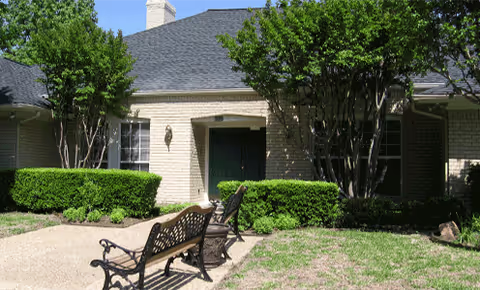
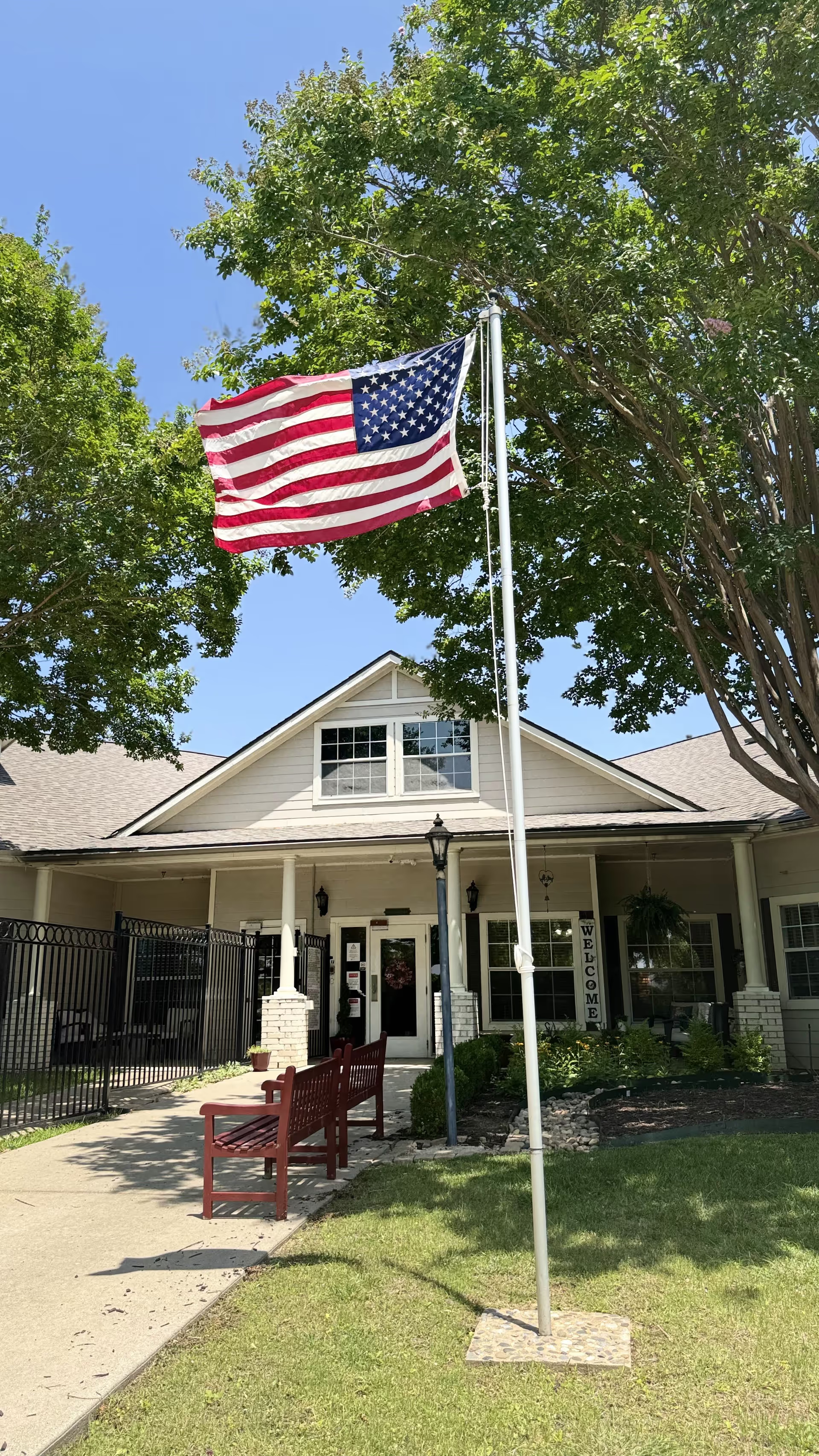
Overall impression: The Hillcrest of North Dallas elicits strongly polarized feedback. Many families and clinicians praise the facility's therapy services, engaged activities program, and individual staff members who provide attentive, compassionate care. At the same time, a sizable number of accounts describe systemic operational weaknesses that materially affect some residents' experience. Prospective residents and families will find examples of excellent short-term rehabilitation, warm social programming, and a well-maintained, attractive building alongside recurring operational concerns that merit careful evaluation.
Care quality: Therapy and rehabilitation services are a consistent strength; physical, occupational, and speech therapists receive frequent praise for helping residents regain function. Nursing and CNA performance is described variably — some reviewers note skilled clinical care and attentive nurses, while others document medication-timing errors, missed medication administrations, slow responses to call lights, inconsistent incontinence care, and occurrences of pressure-injury and skin-breakdown concerns. Several reviews describe serious adverse outcomes and concerns following a resident's death; families called attention to delays in escalation, record-access barriers, and uneven clinical follow-up. These mixed accounts suggest reliable rehab capability but intermittent gaps in day-to-day clinical reliability and safety processes.
Staff and management: A dominant theme is staffing instability. High turnover, frequent shift changes, and reliance on different nursing personnel undermine continuity for many residents. Reviewers praise particular caregivers, nurses, and managers by name, indicating pockets of strong personnel and dedicated leadership at the unit level. However, others report variable staff conduct, inconsistent training, and concerns about tone and responsiveness. Management stability and transparency are additional areas of concern: accounts reference administrative turnover, perceived lack of managerial accountability, difficulties obtaining clinical records, and disagreements with leadership decisions following ownership changes.
Dining and activities: The facility's activities program is a clear positive with regular music, piano, and group events that many residents enjoy. Dining receives mixed feedback: several reviewers commend an engaged dietary manager and flexible meal accommodations (including extra trays and tailored options), while others cite greasy or inconsistent meals, meal delays, and limited weekend offerings. Observing mealtimes during a tour and discussing dietary accommodations is advisable.
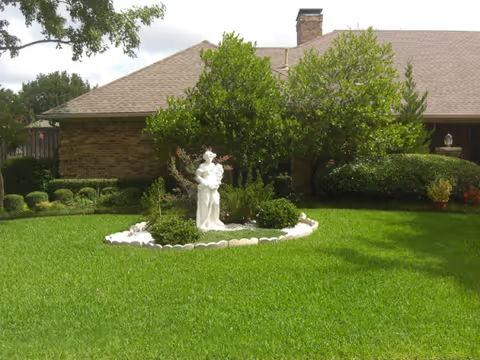
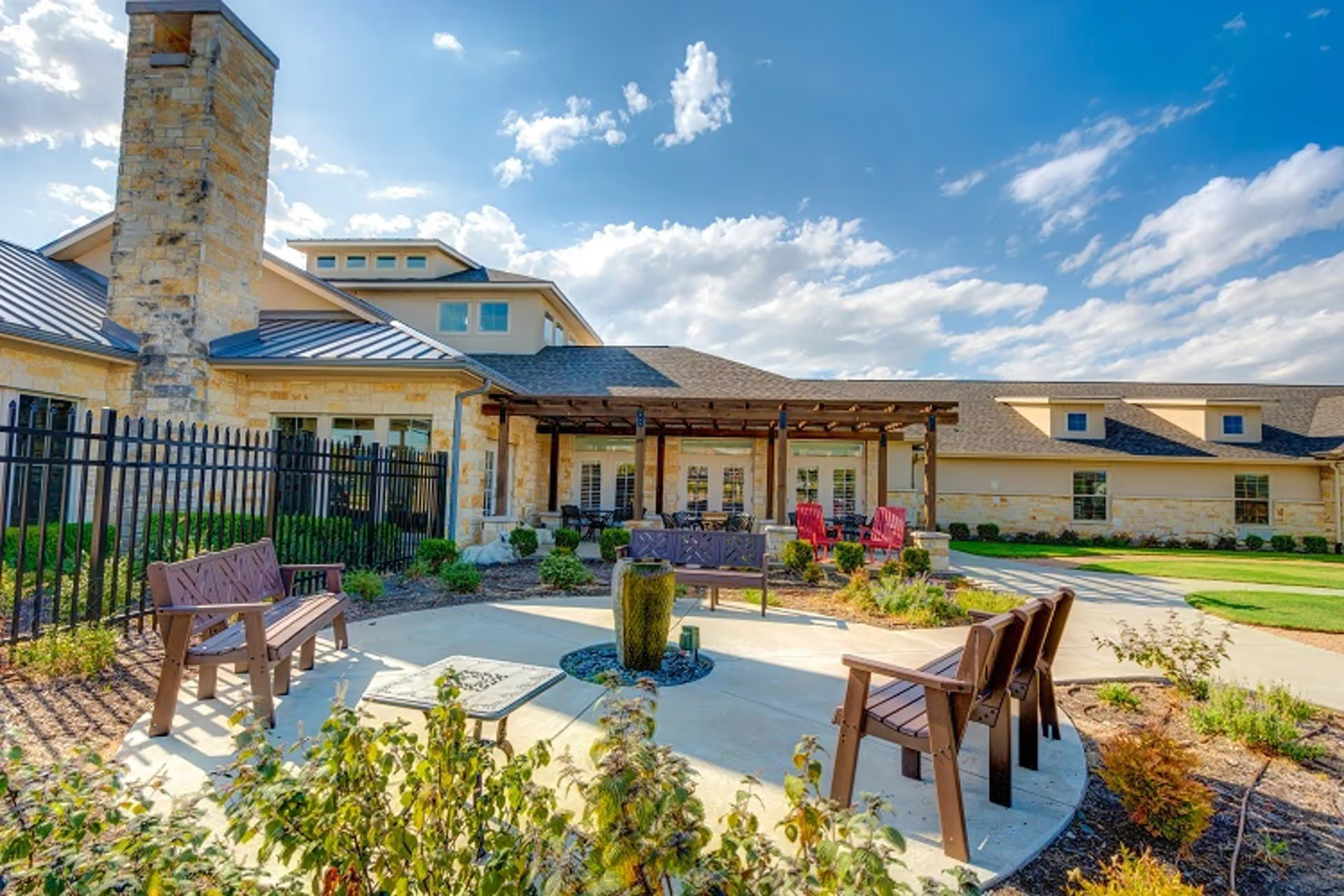
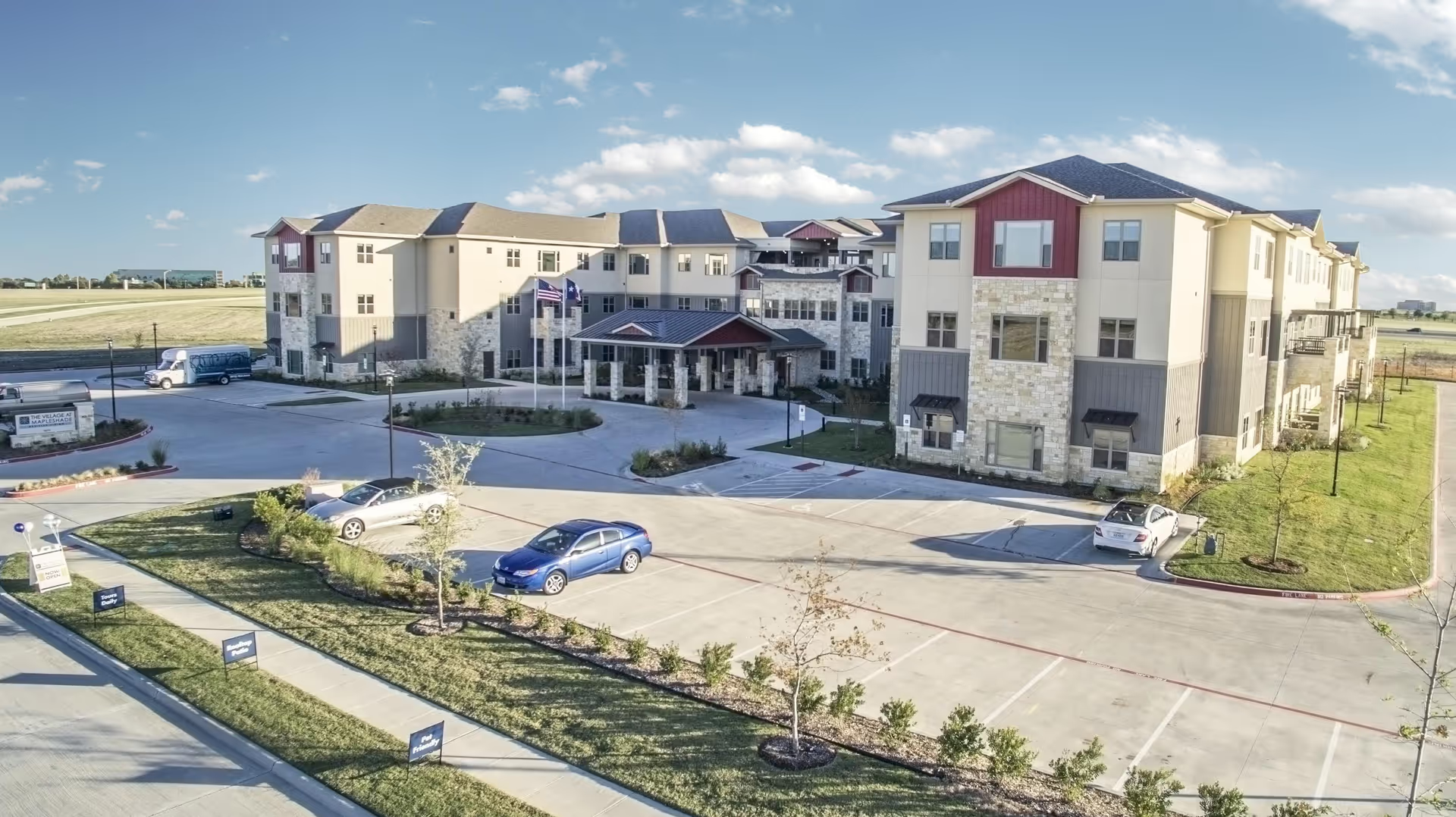
Facilities and operations: The building and common areas are often described as attractive and well-appointed. At the same time, multiple operational issues are reported: HVAC failures and summertime air-conditioning problems, maintenance items such as wall damage, intermittent pest-control and odor concerns in portions of the building, and laundry-tracking weaknesses. Housekeeping and cleanliness are praised in many accounts, but sanitation inconsistencies appear in other reports; this variability points to uneven execution of environmental services.
Safety, infection control, and regulatory patterns: Reviewers raised concerns about infection-control practices during the COVID period, including PPE availability and outbreak management. There are references to regulatory flags and federal fines and a low Medicare quality rating, which indicate the facility has faced compliance scrutiny. There are also serious allegations of inappropriate staff conduct in isolated instances; such claims should prompt prospective families to request facility incident logs, staffing ratios, and recent survey/inspection reports.
Notable patterns and recommendations: The overall pattern is one of contrast — strong therapy and activity programming and numerous individual caregivers who provide excellent, person-centered care, coupled with operational and administrative weaknesses that create inconsistent experiences. Before placement, families should schedule an in-person visit that includes observing mealtimes and a shift change, asking for recent inspection reports and staffing ratios, reviewing medication-administration and incident-reporting protocols, confirming infection-control policies, and speaking directly with the social worker and nursing leadership about continuity plans. Where possible, seek references from current resident families and request written documentation of how clinical concerns and family communications are handled to assess whether the facility's strengths align with the prospective resident's clinical and safety needs.