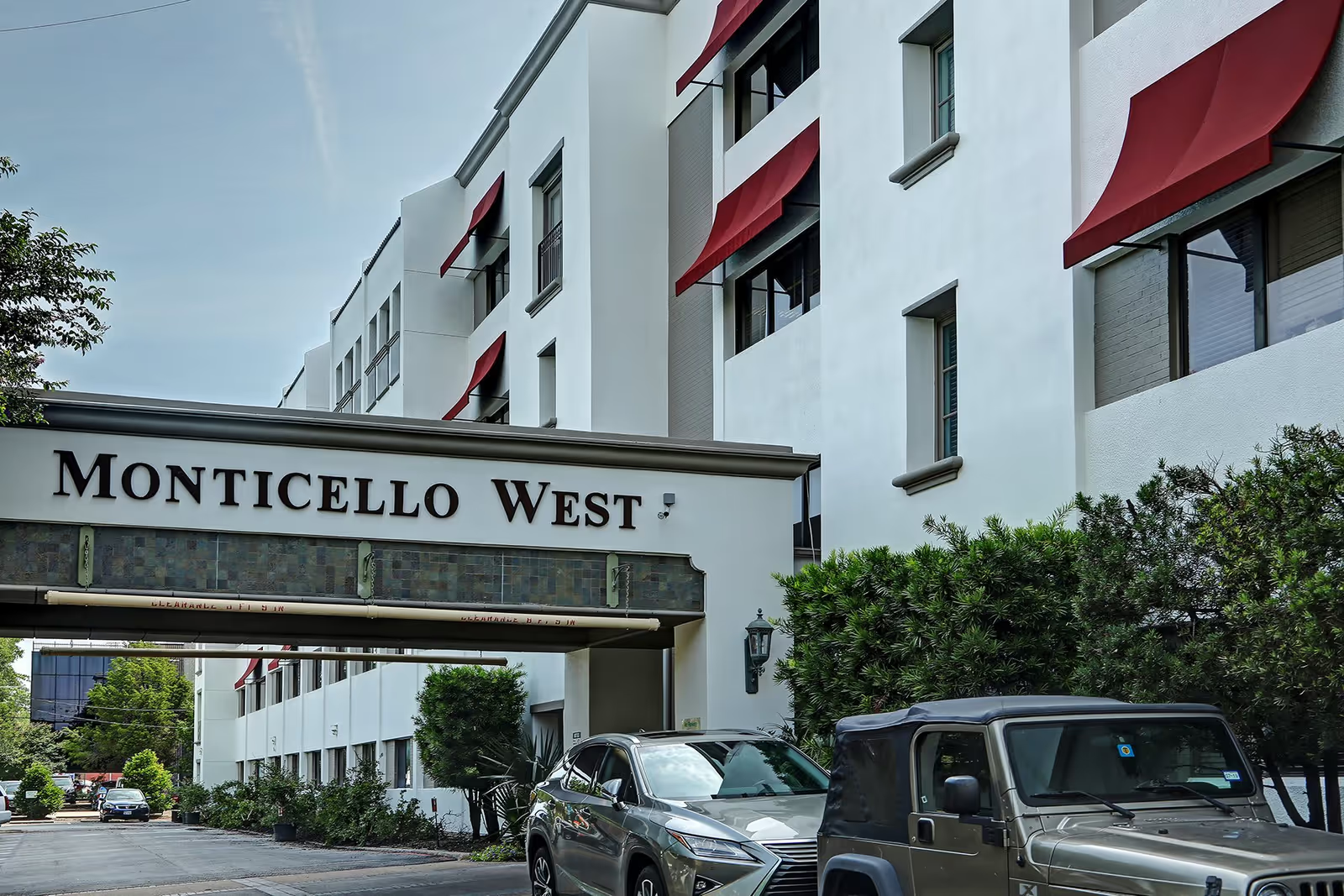
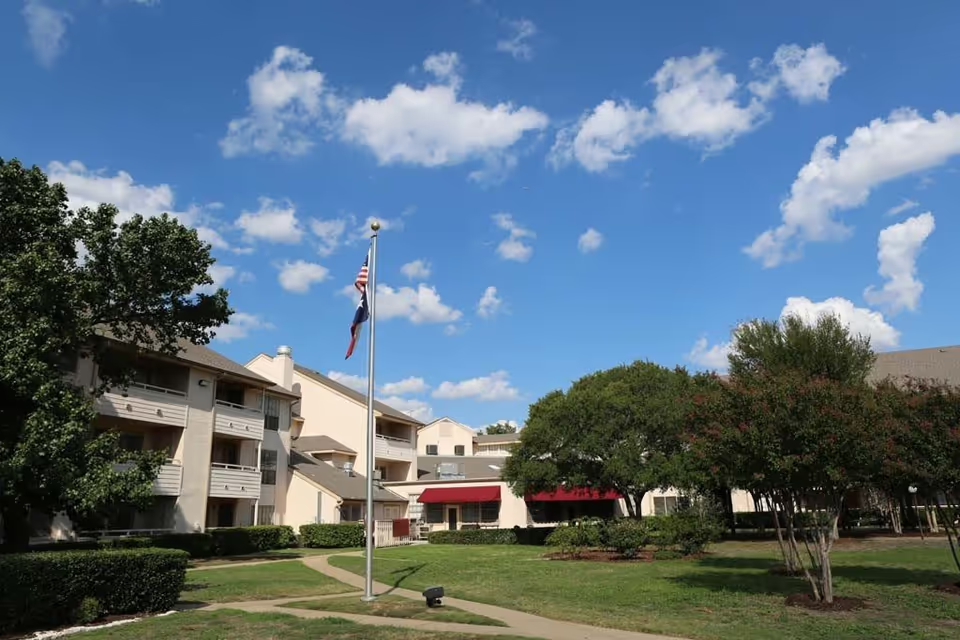
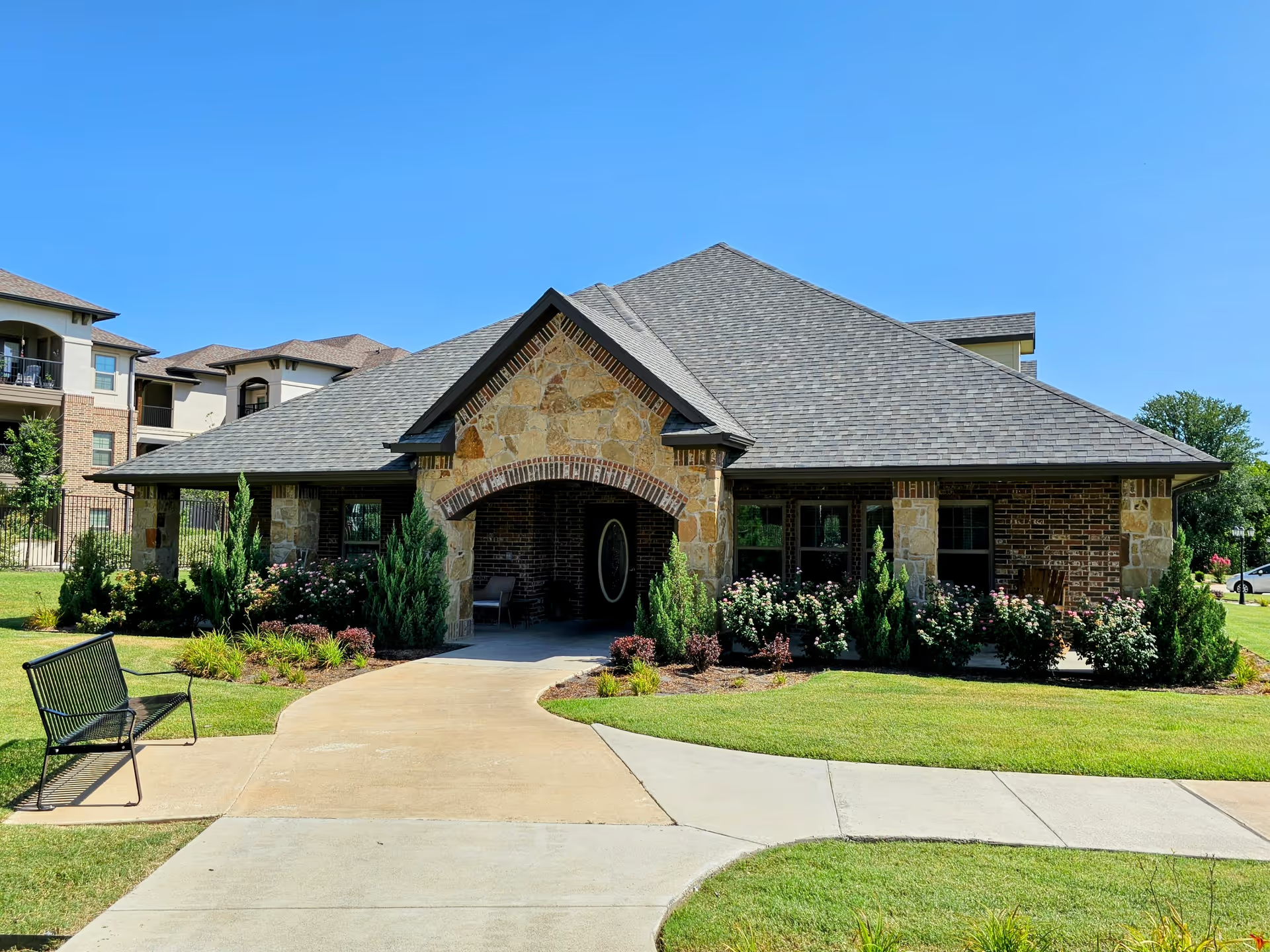
The Villages of Dallas presents a mixed but clarifying profile: many families and clinicians praise its rehabilitation services, amenity-rich campus, and a culture of personalized, compassionate care, while a pattern of operational inconsistencies raises substantive concerns. Strengths cluster around therapy and clinical resources — reviewers consistently highlight effective physical, occupational, and speech therapy programs, an on-site physician presence, and an indoor aquatic therapy pool and well-equipped gym that support recovery and mobility. The campus offers multiple living options (cottages, apartments) and a range of care levels (independent living through memory and skilled nursing), which appealed to residents who valued continuity of care and a community atmosphere.
Staff quality is the single most polarized area. Many reviews describe nursing and therapy teams as attentive, skilled, and warm, and several accounts note long-tenured staff and a family-like culture that supports resident well-being. At the same time, recurring themes include high turnover, shift-to-shift variability in competence, and episodes of inattentiveness that families associated with delayed assistance or incomplete tasks. These operational staffing challenges appear to drive several of the facility-level issues noted below (medication timing, responsiveness to calls, and inconsistent personal care practices).
Dining, activities, and programming are frequently cited as positive aspects: the facility offers structured activities, community outings, musical performances, and individualized dining preferences remembered by staff. However, there is noteworthy variability in meal delivery and quality, including complaints about timing, limited menu options at certain meals, and occasional cold or late trays. Prospective families should evaluate dining schedules and menu flexibility relative to individual needs.
Physical plant and amenities receive largely favorable commentary for cleanliness in common areas, attractive landscaping, and comfortable shared spaces; reviewers repeatedly praise the chapel, movie room, pool, and gardens. Nevertheless, some families reported uneven cleanliness or sanitation standards in particular units or bathrooms, concerns about equipment reliability (elevators, fans, oxygen monitoring), and isolated pest-control issues. Maintenance responsiveness is highlighted positively in many accounts, but infrastructure and reliability problems were reported often enough to merit specific inquiry during a visit.
Management and administration elicit mixed impressions. Several reviewers commended responsive leadership, immediate follow-up from administrators, and effective admissions processes. Conversely, others described decreased oversight following an ownership change, billing delays, reduced security presence, and inconsistent communication with families about incidents. A small number of reviews included serious allegations concerning clinical oversight and end-of-life coordination; these statements are outliers but significant enough that families should ask about clinical governance, incident reporting, and hospice procedures.
Overall impression and suggestions for families: The Villages of Dallas offers substantial clinical and lifestyle resources that many families find valuable, particularly for rehabilitation and active community living. However, persistent operational weaknesses — primarily staffing consistency, medication and emergency-response processes, and variability in sanitation and meal service — warrant careful vetting. Recommended actions for prospective residents and family members include on-site observation of staffing levels across shifts, direct questions about medication-administration protocols and incident reporting, review of hospice coordination processes, and sampling of meal service at different times. These targeted inquiries will help determine whether the facility’s strengths align with an individual’s clinical and quality-of-life priorities.