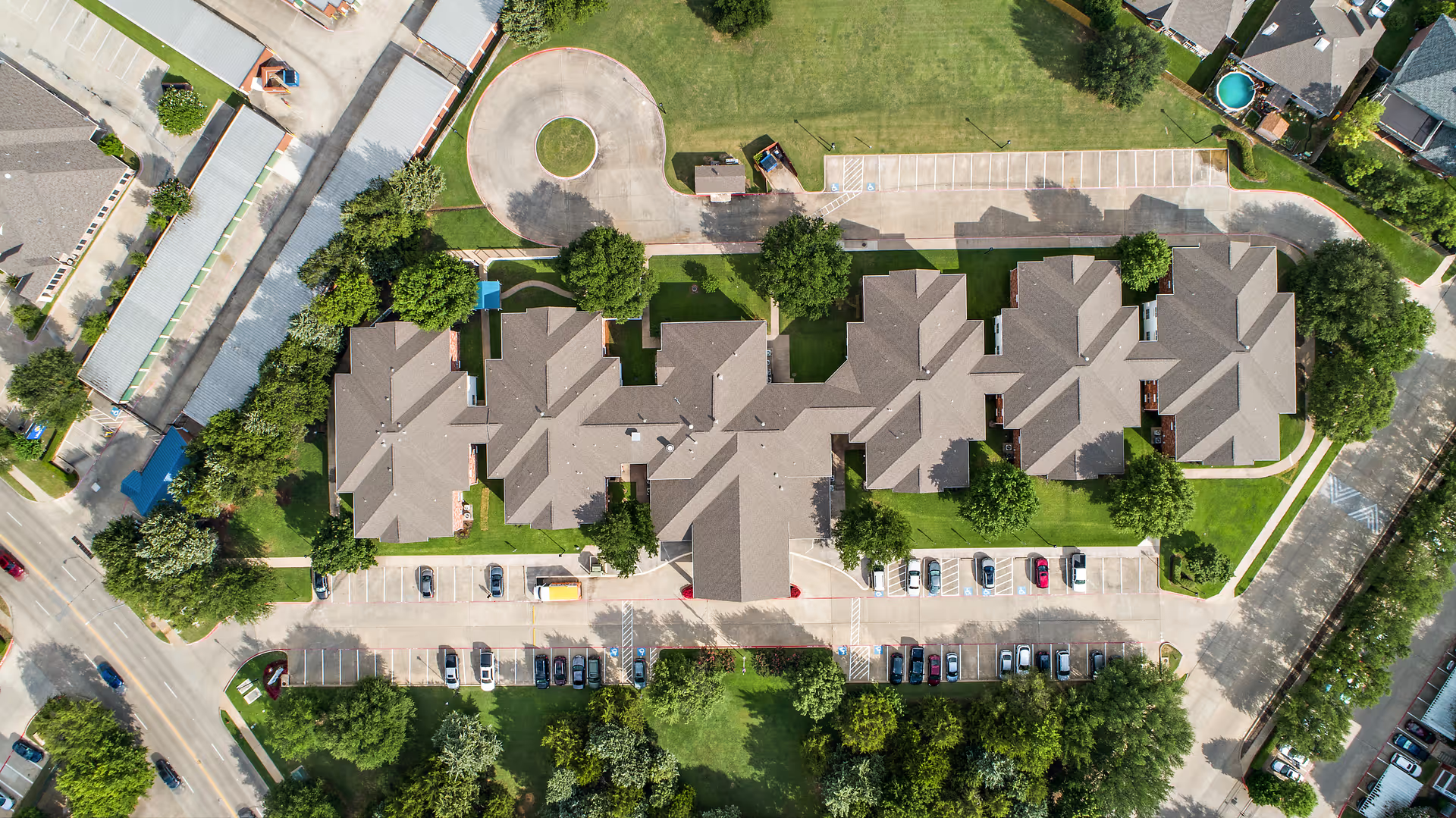
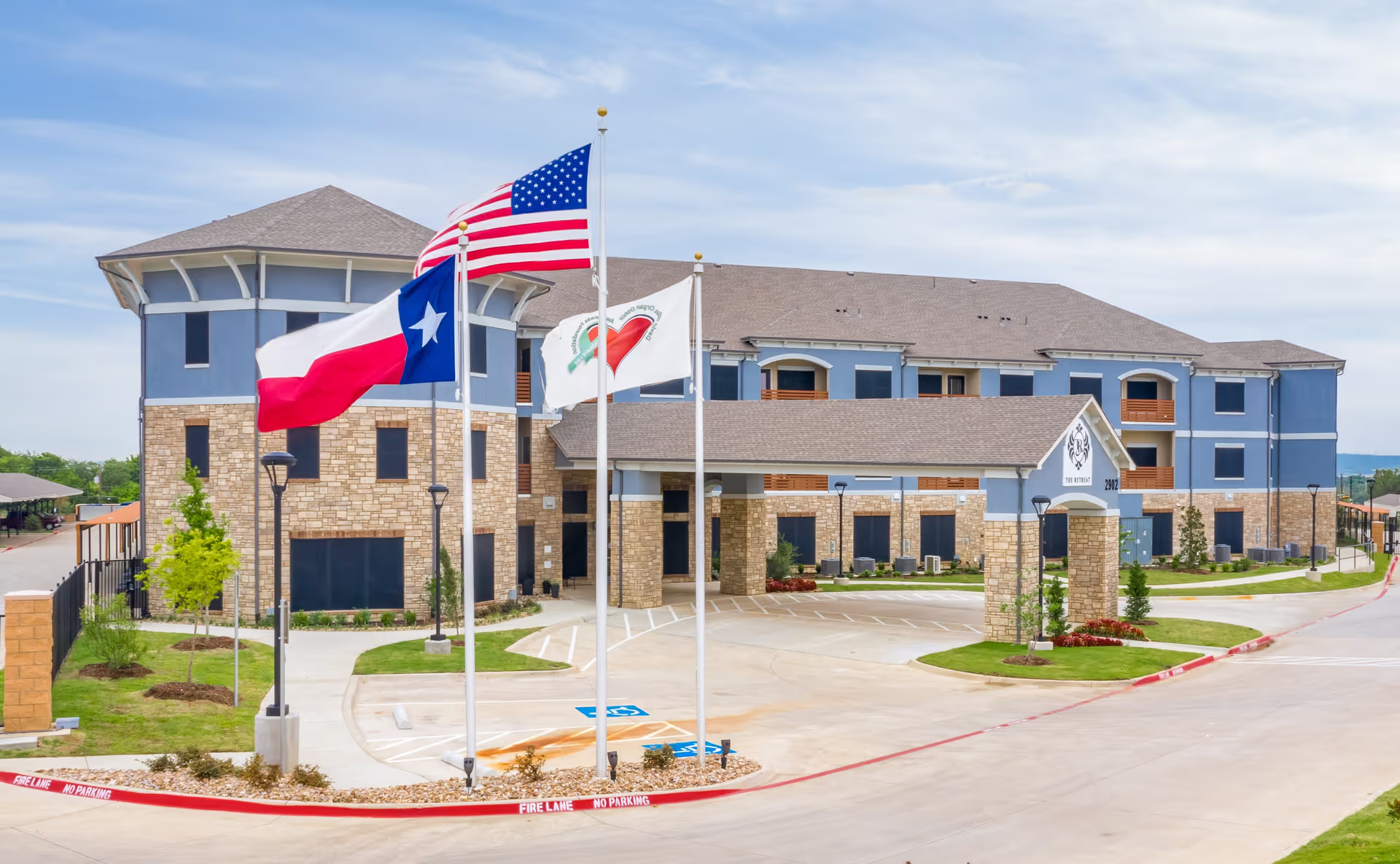
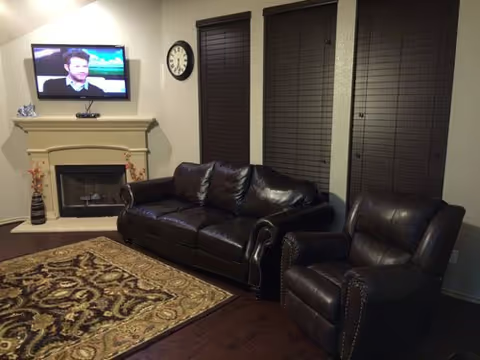
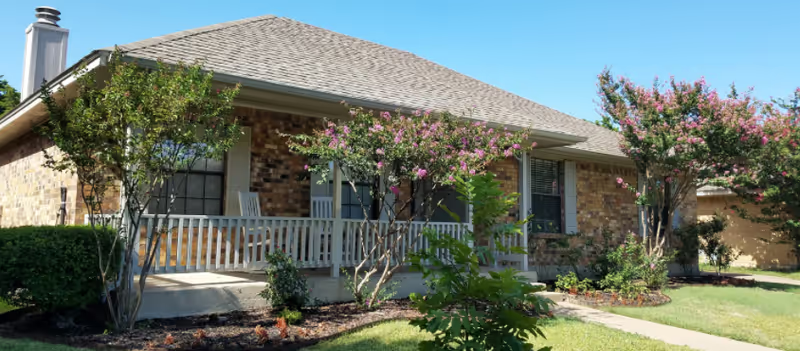
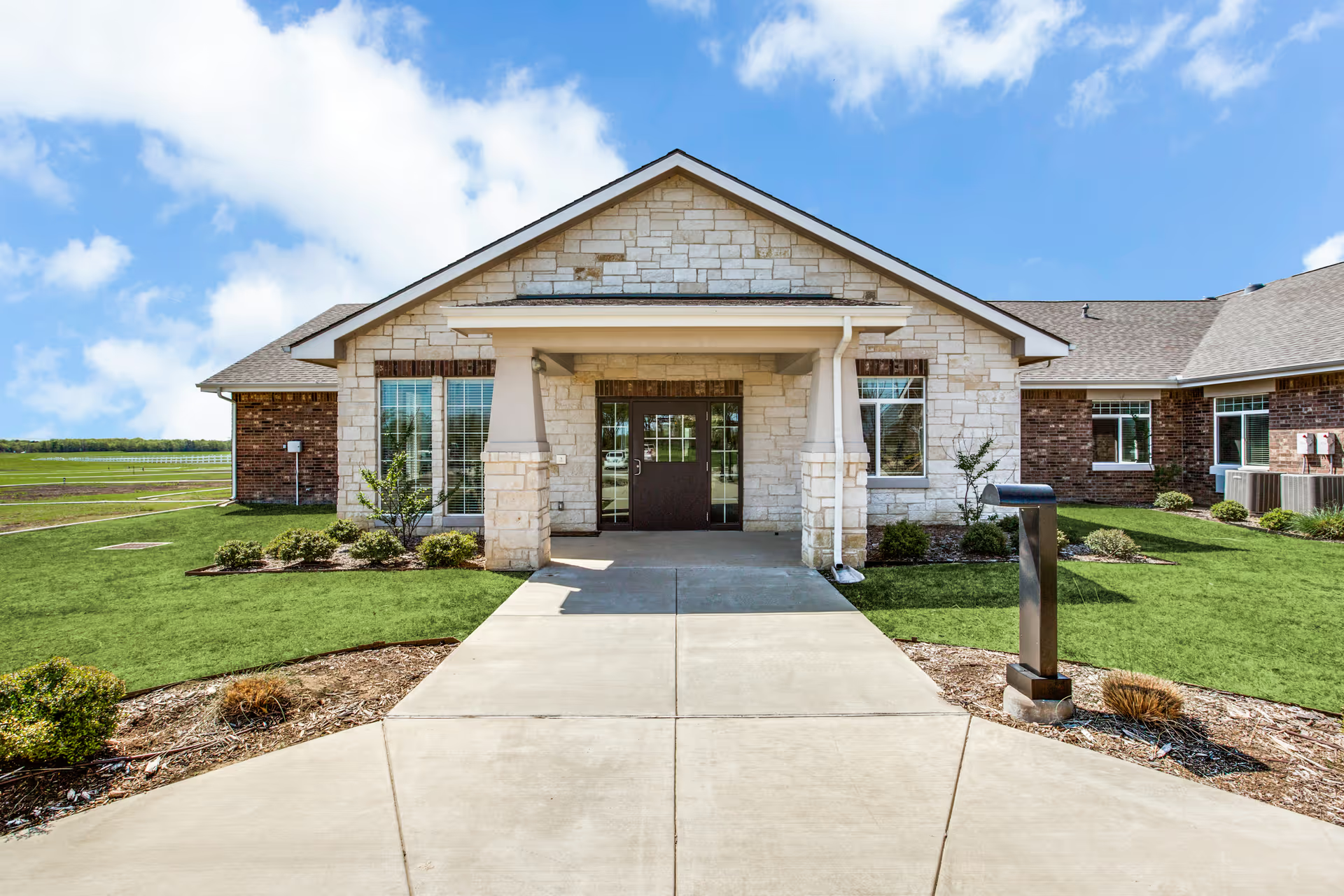
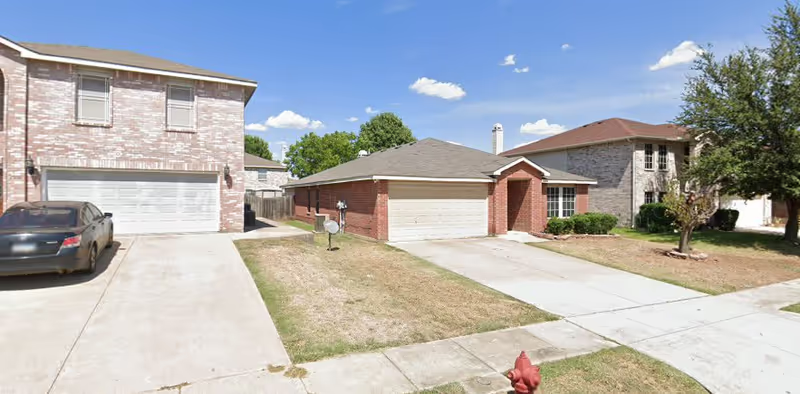
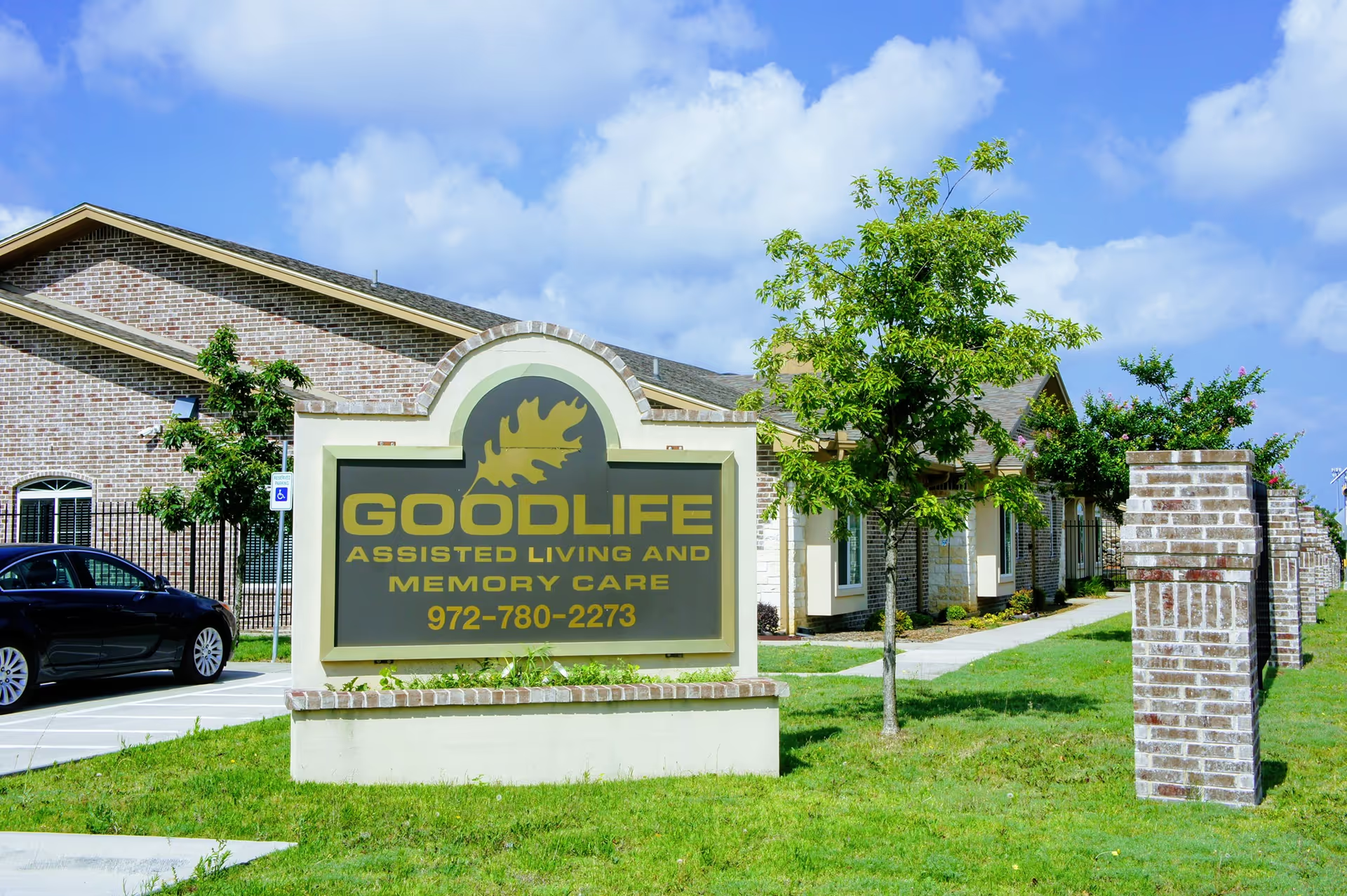
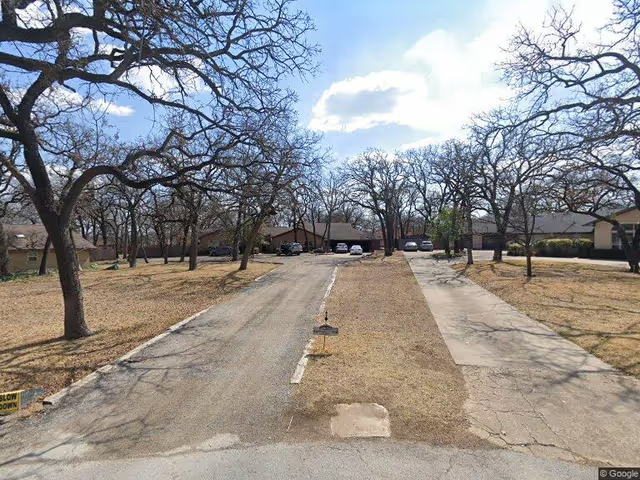
Overall impression: Reviews portray Mayberry Gardens as a new, well-kept small-house assisted living and memory-care campus with a strong emphasis on a home-like atmosphere. Families and visitors frequently highlight the facility's bright, spacious common areas, wide hallways, no-stairs layout, landscaped outdoor seating, and pet-friendly policies. The campus design and small household model are repeatedly described as fostering personalized attention and a family-style environment.
Care and staff: A consistent strength identified across reviews is the quality of interpersonal care. Many accounts emphasize compassionate, attentive caregivers, one-on-one memory-care support, and an engaged, hands-on management team that is often reachable by phone or text. On-site nurses and staff who coordinate with hospitals and families are repeatedly noted for proactive communication and clinical involvement. At the same time, a clear pattern of operational challenges emerges: high staff turnover, recruitment difficulties, and variability in staff training and clinical skill levels. Those operational weaknesses are associated with inconsistent care quality between different houses on campus, occasional delays in response, and concerns about staff conduct or technique in specific interactions. Reviewers advise prospective families to ask about current staffing levels, staff training protocols, and transfer/assistance procedures.
Dining and activities: Dining is frequently mentioned as a positive feature — home-cooked, nutritious meals and a welcoming dining environment are praised, and staff often accommodate individual preferences. However, reviewers also point to variability in meal quality depending on the cook and occasional missed or delayed meal service when staffing is thin. Programmatically, the community offers a range of activities (puzzles, bingo, crafts, holiday events, sing-alongs) and has an activities director onsite; these are appreciated for resident engagement. Activity schedules have at times been interrupted by infection-control restrictions or staffing shifts, and some families felt the small-house model limits the number and variety of social options compared with larger facilities.
Facilities and operations: The physical plant is frequently described as spotless and new, with ample natural light and well-maintained grounds. Housekeeping and sanitation are generally commended, but reviewers also document intermittent lapses in cleaning and room upkeep in specific instances, suggesting inconsistency in service delivery. Operational concerns cluster around staffing continuity, which can affect housekeeping, laundry, and assistance tasks. There are also reports suggesting variability in experience across different houses on the same campus; this points to unit-level differences in management, staffing, or workflows rather than a uniform system-wide profile.
Management and notable patterns: The ownership and administrative approach is described as family-oriented and accessible, with several reviewers noting positive, responsive interactions with managers and owners. The facility's openness to hospice arrangements and its coordination with external medical teams are viewed favorably. Notable patterns to weigh: (1) strong interpersonal culture and individualized care in many instances; (2) operational fragility tied to staffing and training that can produce uneven experiences; and (3) design trade-offs inherent to the small-house model — greater personalization but fewer large-group social opportunities and sometimes smaller private rooms.
Guidance for prospective families: Prospective residents and families should balance the appeal of a newer, home-style campus and highly praised caregiving with the operational risks tied to staffing continuity and training. Suggested due-diligence items include asking for current staffing ratios, turnover rates, staff training and competency-check protocols (especially for transfers and medication administration), examples of how the community manages housekeeping and meal continuity during staff shortages, and the opportunity to visit or review life in multiple houses on the campus. These targeted questions can help determine whether the facility's strengths align with a particular resident's clinical and social needs.