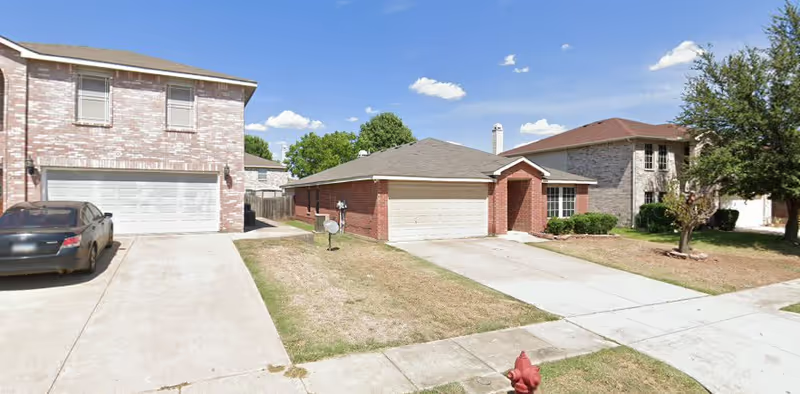
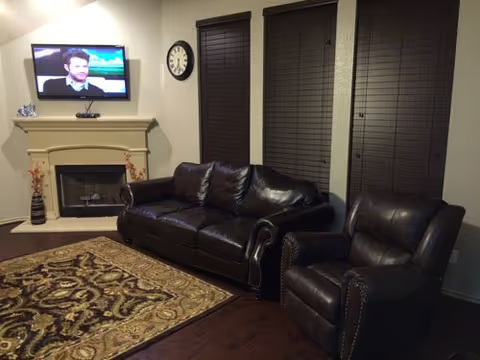
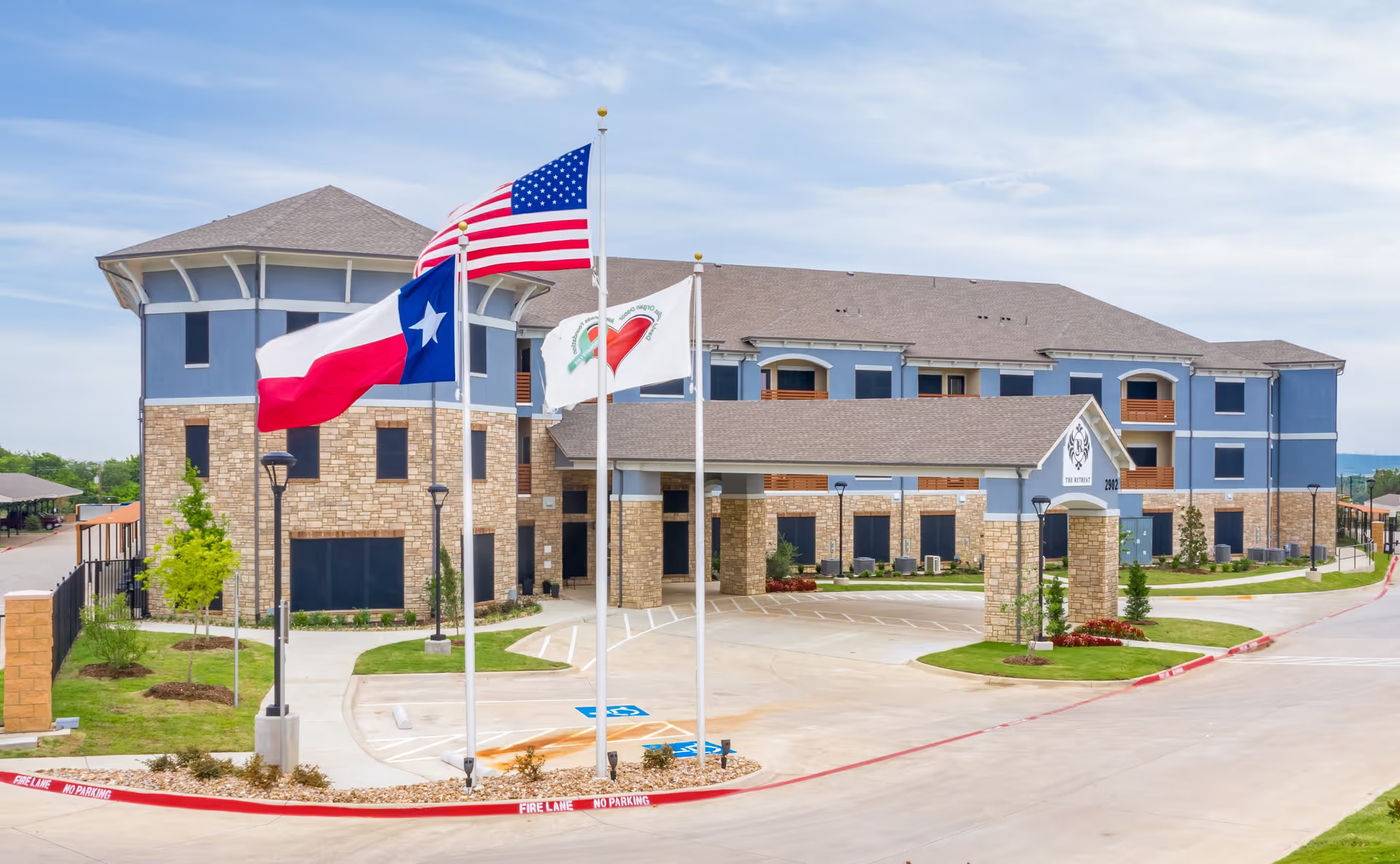
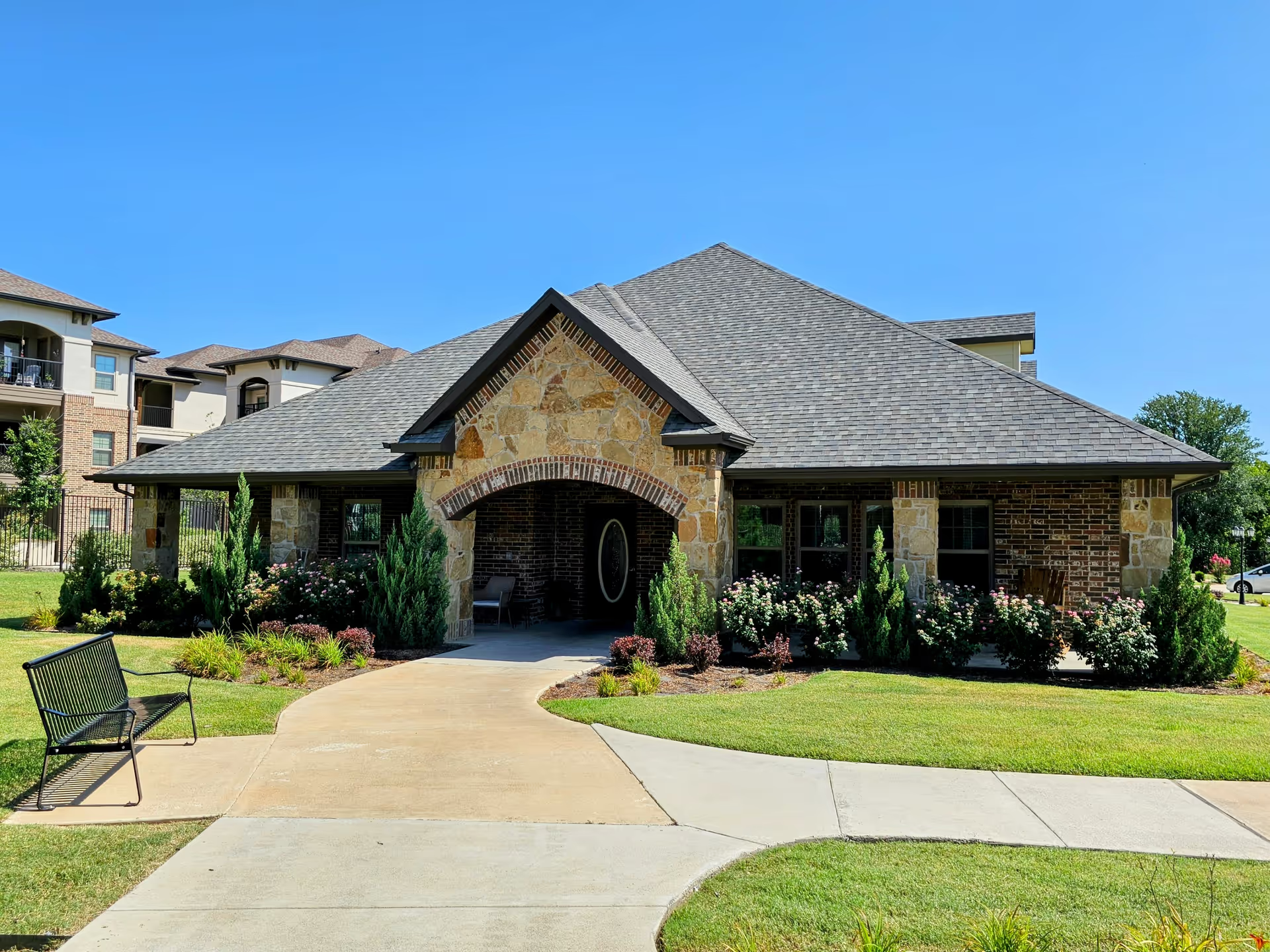
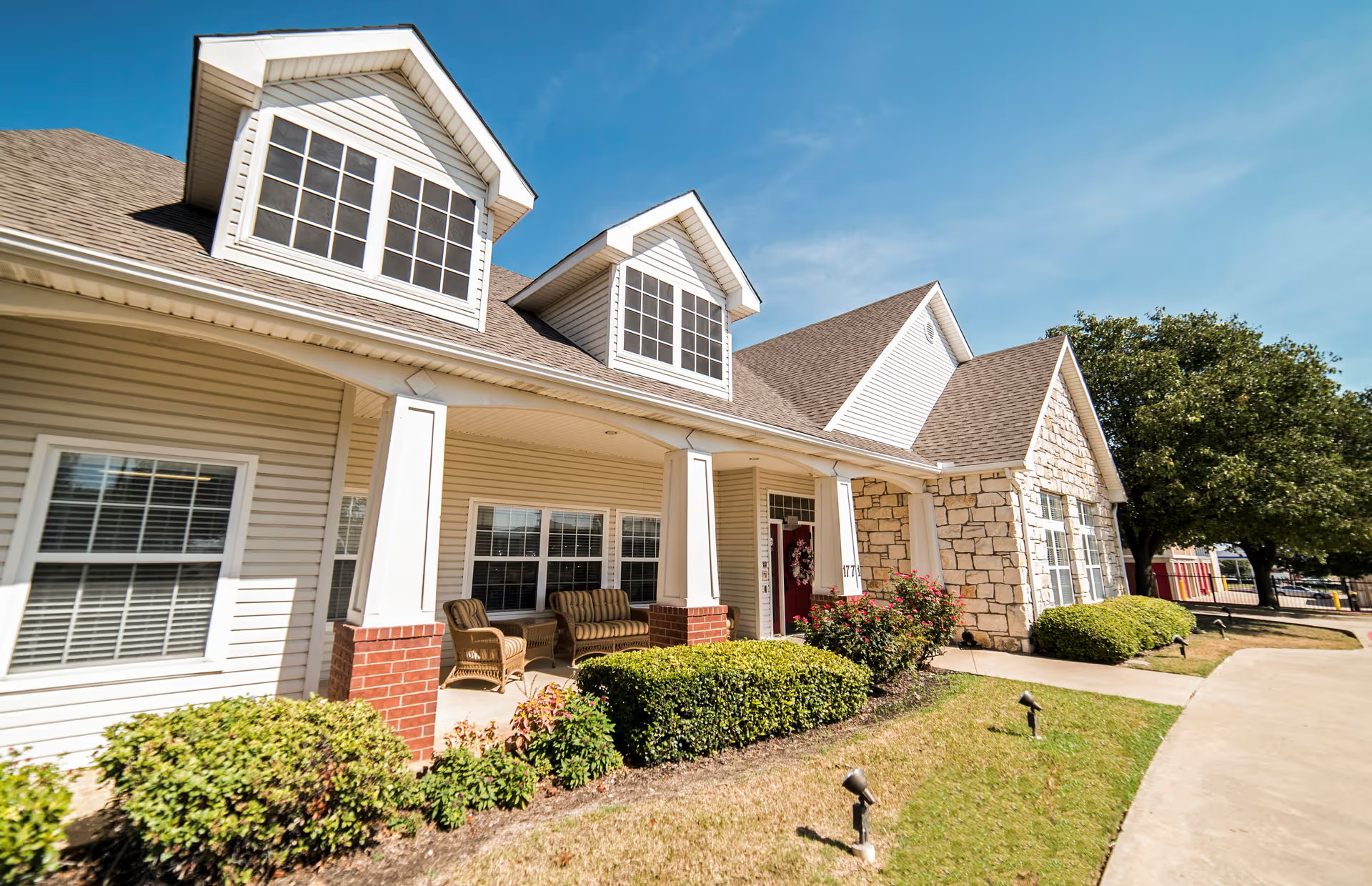
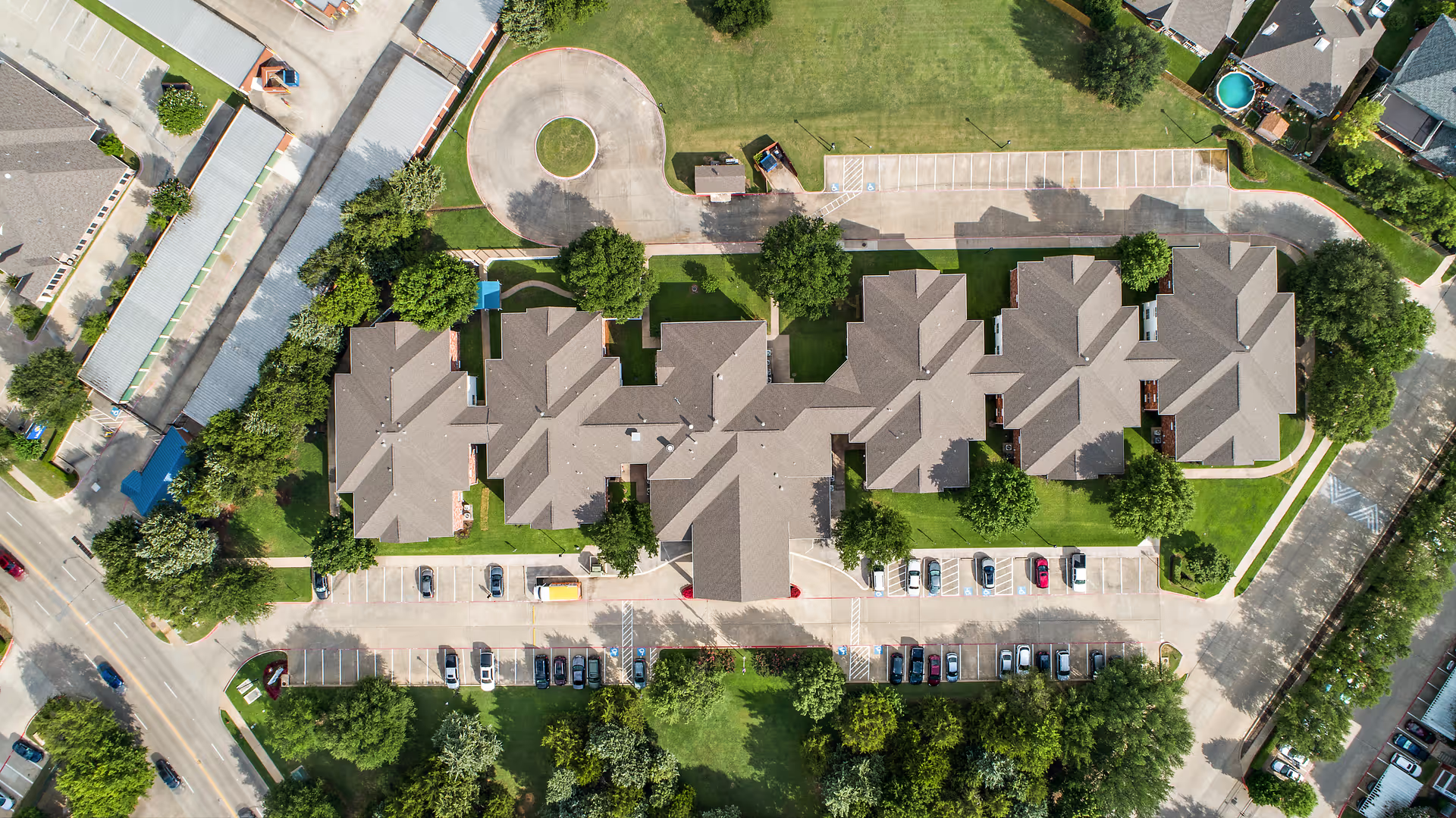
Oxford Glen Memory Care at Grand Prairie elicits consistently strong comments about day-to-day person-centered care, social programming, and facility amenities. Many families describe staff as compassionate, dementia-aware, and attentive; reviewers highlight an overall home-like design with small clusters, open common areas, enclosed patios and outdoor courtyards, and a lakefront location. Leadership and long-tenured management receive repeated praise; the nursing director and named administrators are often cited for transparent communication and active involvement with residents and families.
Clinical strengths cited include a dementia-focused staffing model, a favorable staff-to-resident ratio, on-site nursing coverage, an in-house physician/pharmacy arrangement, and partnerships for behavioral/psych services. Activities programming is prominent: reviewers note structured daily routines, singing, crafts, exercise classes, musical guests, family events, and outings that promote socialization and engagement. Dining is generally viewed positively — three full meals per day with snacks are available and the dining program is described as appealing by many families, though some reviewers requested more dementia-tailored meal options.
Despite numerous positive reports, a pattern of operational concerns also appears. The most significant clinical trend described is inconsistent oversight of chronic conditions and gaps in medication/therapy follow-through; reviewers described at least one serious clinical incident resulting in hospitalization, and there is mention of an external investigation. Relatedly, families reported variability in staff performance and professionalism (including occasional distractibility and inconsistent caregiving behaviors), intermittent sanitation issues in some resident rooms, and lapses in how acute incidents are handled. These items suggest uneven execution of clinical protocols and room-level housekeeping standards.
Administrative and operational weaknesses were also noted. Several families referenced problems with billing, deposit refunds, and rigid policy handling of sensitive situations; some experienced delays or difficult communication with administrative staff. While the facility maintains secure locked units, a few reviewers flagged entrance-control inconsistencies and the absence of a dedicated greeter at the front entrance. Cost is another recurring theme: memory-care pricing is described as above average, and prospective families should weigh the premium cost against the individualized care needs.
Overall, Oxford Glen presents a strong memory-care model with many commendable features — engaged activities, a welcoming environment, visible leadership, and staff who often provide compassionate dementia care. At the same time, there are actionable concerns around clinical consistency, room-level sanitation, administrative responsiveness, and billing practices. Prospective residents and families would be well served to tour multiple cluster homes, request details on clinical protocols (chronic-condition monitoring, medication administration, incident escalation), ask for housekeeping and infection-control procedures, review billing and refund policies, and meet the consistent day and night nursing staff before making a placement decision.