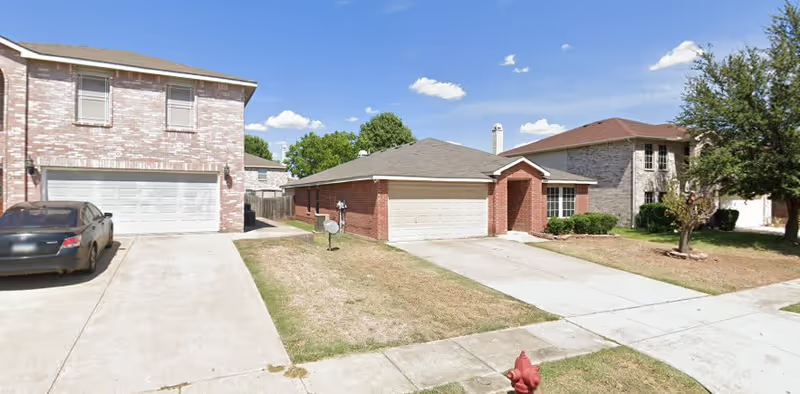
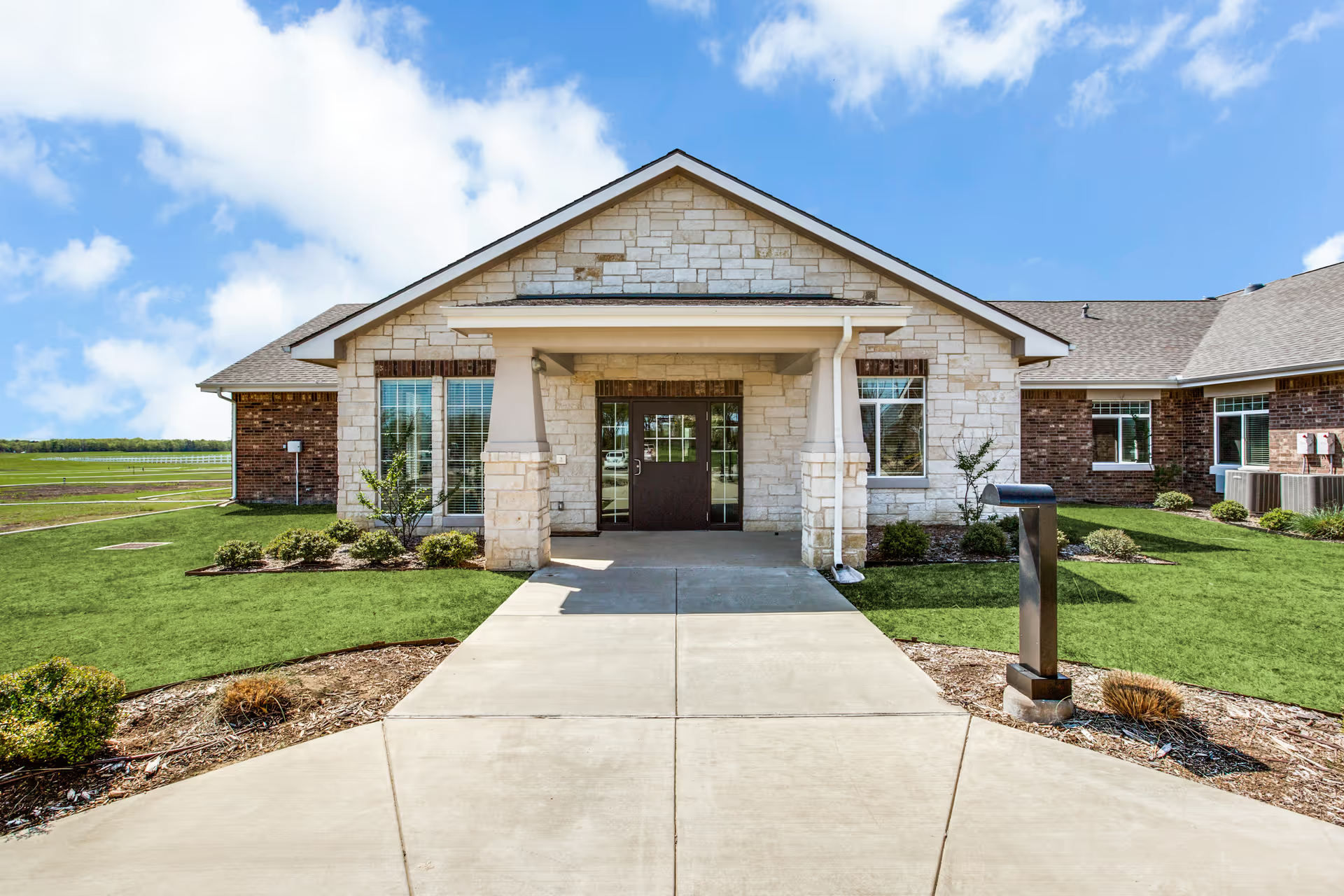
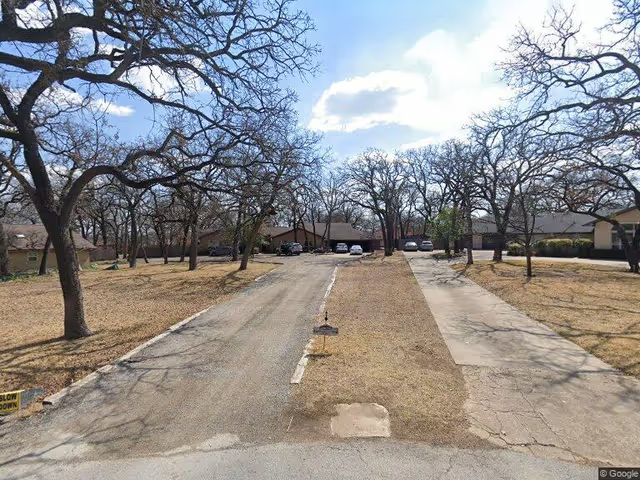
Abby’s Place presents as a small, family-operated residential care home with a consistent emphasis on personalized, faith-informed caregiving. Reviewers highlight active owner involvement and a close caregiver team, which contributes to a household atmosphere rather than an institutional feel. Cleanliness and upkeep are recurring strengths: the interior is described as spotless, and the yard and surrounding neighborhood are consistently characterized as well maintained and secure.
Care quality is generally described as compassionate and attentive. Staff members are identified by name in several accounts and praised for patience, professional commitment, and regular communication with families. The home has experience with dementia and Alzheimer’s care, and some families reported observable clinical stability and improved appetite after admission. That said, a few comments reference "bumps along the way," which suggest occasional lapses in coordination or consistency; families should expect the types of operational variability that can occur in small, individualized settings.
Dining and routines are commonly noted as positive features. Meals are described as homemade and appealing to residents, and caregivers reportedly maintain regular hygiene routines, including daily showers for those who receive them. These elements appear to contribute to resident comfort and appetite. Activity programming is less developed: reviewers frequently describe limited formal activities, so social engagement in this setting is likely to be more one-on-one or family-driven rather than organized group programming.
Facilities and logistics align with a personal-care home model. The residence is described as attractive, quiet, and conveniently located near family in many cases, with a secure backyard that supports outdoor time. The model favors residents who benefit from a home-like environment and regular personal assistance. Several reviewers, however, noted that the facility is not set up for higher clinical acuity or non-ambulatory needs and that families were advised to pursue skilled nursing options for more complex medical care.
Patterns to note when evaluating Abby’s Place: the facility’s strengths are in individualized attention, spiritual support, cleanliness, and family communication. Limitations include minimal structured activities, a scope of care suited primarily to ambulatory or low-to-moderate needs, and occasional operational inconsistencies during transitions or when care needs change. Some families also experienced restricted visitation during infection-control periods, a factor to clarify with management. Prospective residents and families should confirm clinical eligibility, the expected level of activity programming, contingency plans for increasing care needs, and current visitation policies during a visit or intake conversation.