Overall impression: Reviews convey a facility with many operational strengths alongside notable variability in certain clinical and operational areas. Positive themes cluster around compassionate caregiving, strong leadership, and effective rehabilitation; families frequently describe attentive nurses and CNAs, an active therapy department, clean and pleasant physical spaces, and a welcoming, home-like culture. These elements contribute to many families feeling reassured about care quality and to multiple accounts of successful functional improvement and supportive end-of-life and memory-care services.
Care and staff: Clinical strengths are concentrated in rehabilitation, therapy, and direct-care interactions. Reviewers consistently highlight therapists, dedicated CNAs, and nurses who provide emotional support and individualized care plans. Administration and unit leadership are repeatedly described as engaged, which appears to support coordinated care and a positive workplace culture. At the same time, some accounts indicate variability in care performance between shifts and occasional delays in responsiveness. These patterns translate into uneven experiences for families: while many praise the staff, others describe times when care timeliness and attention were less consistent.
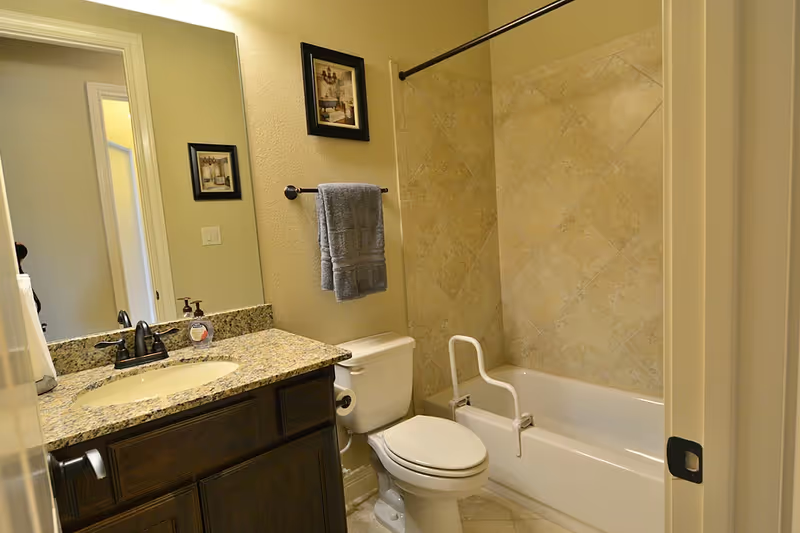
Safety and clinical operations: Several comments raise operational concerns that affect resident safety and sleep quality. Specific process-level issues include a facility policy limiting bedrail use, delayed issuance of mobility or fall-mitigation equipment, and questions about in-room shower accessibility. One review references escalation to a regulatory body. These matters suggest gaps in fall-prevention protocols and equipment provisioning that prospective families should clarify during a tour or intake discussion.
Dining and activities: Activity programming is a relative strength—programming is described as purposeful, engaging, and contributing to a nurturing environment. Dining and housekeeping receive frequent praise for cleanliness, pleasant smells, and generally enjoyable meals. However, there are isolated concerns about meal suitability for residents with particular dietary preferences or tolerances (for example, spice level), indicating the need to confirm menu flexibility and special-diet accommodations.
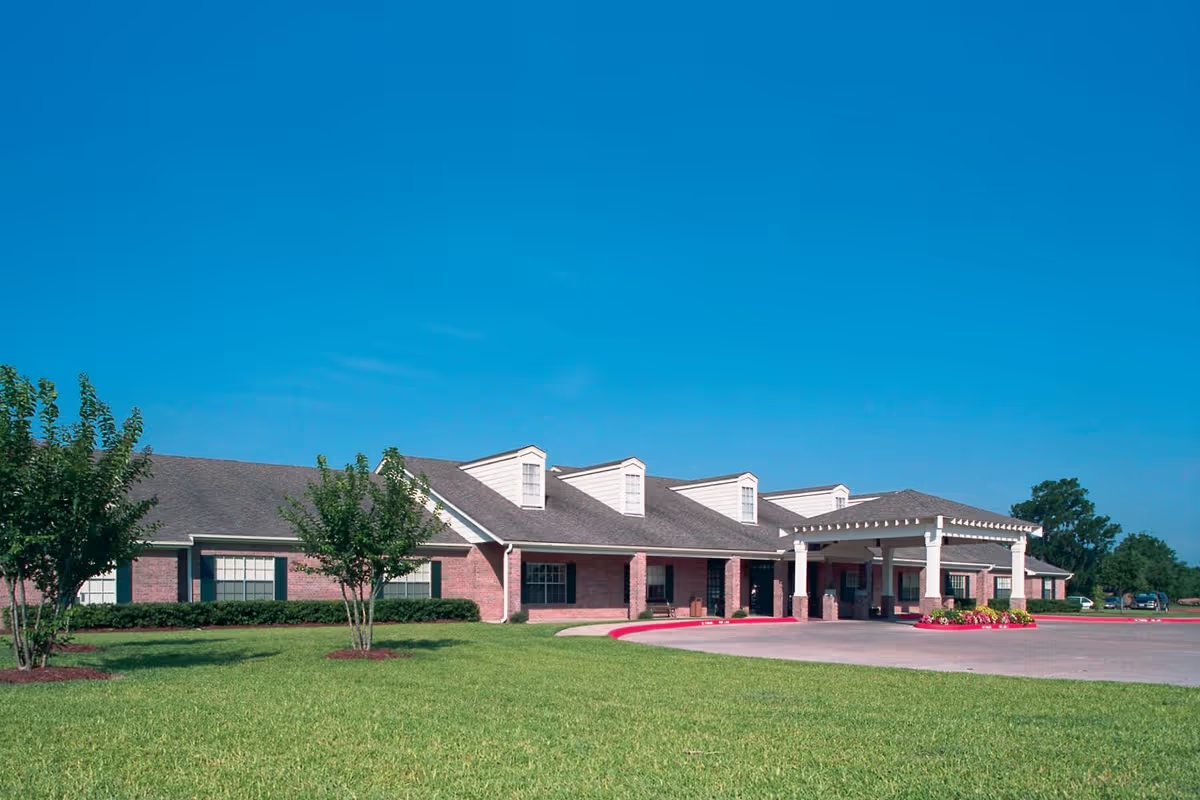
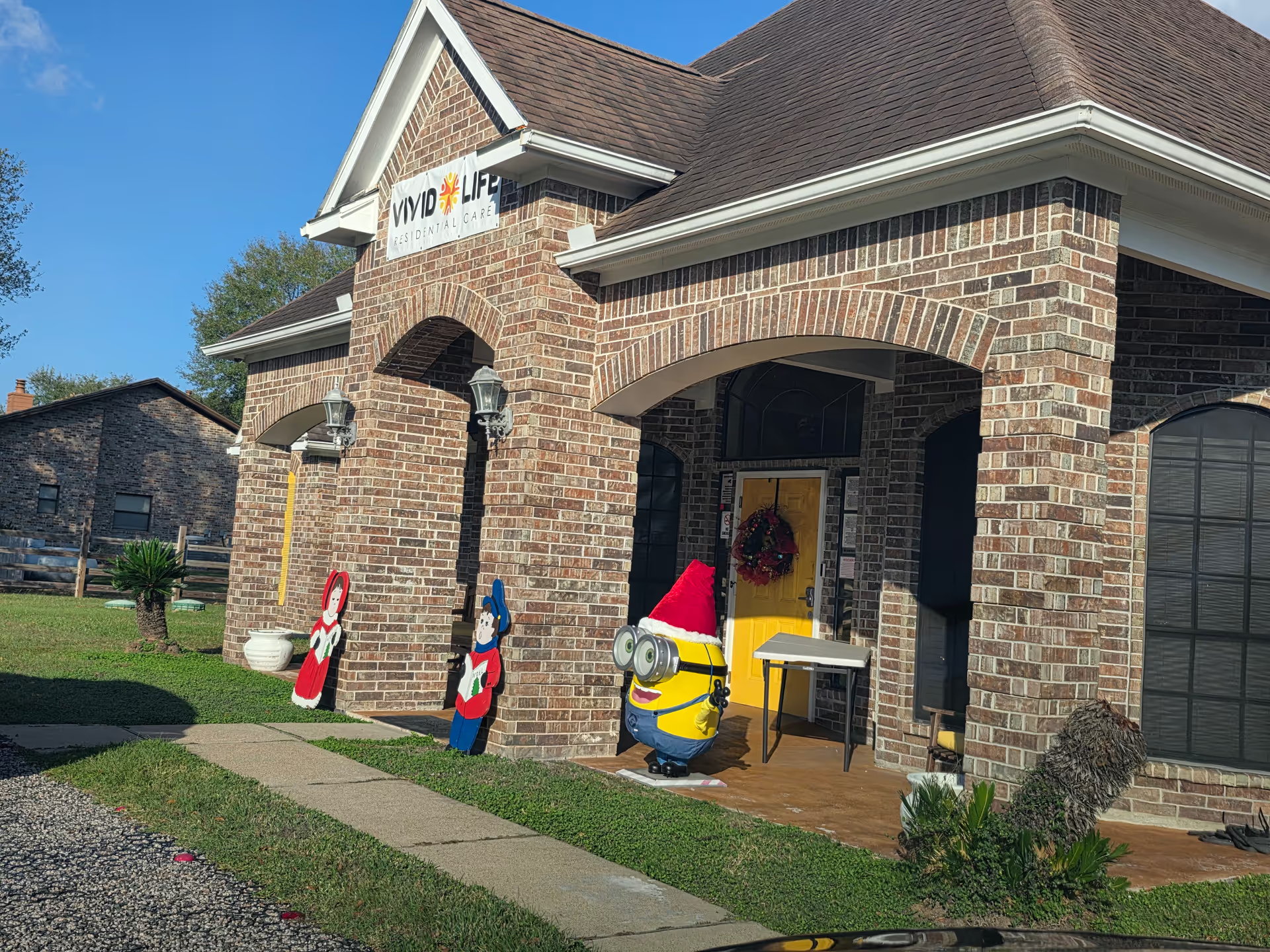
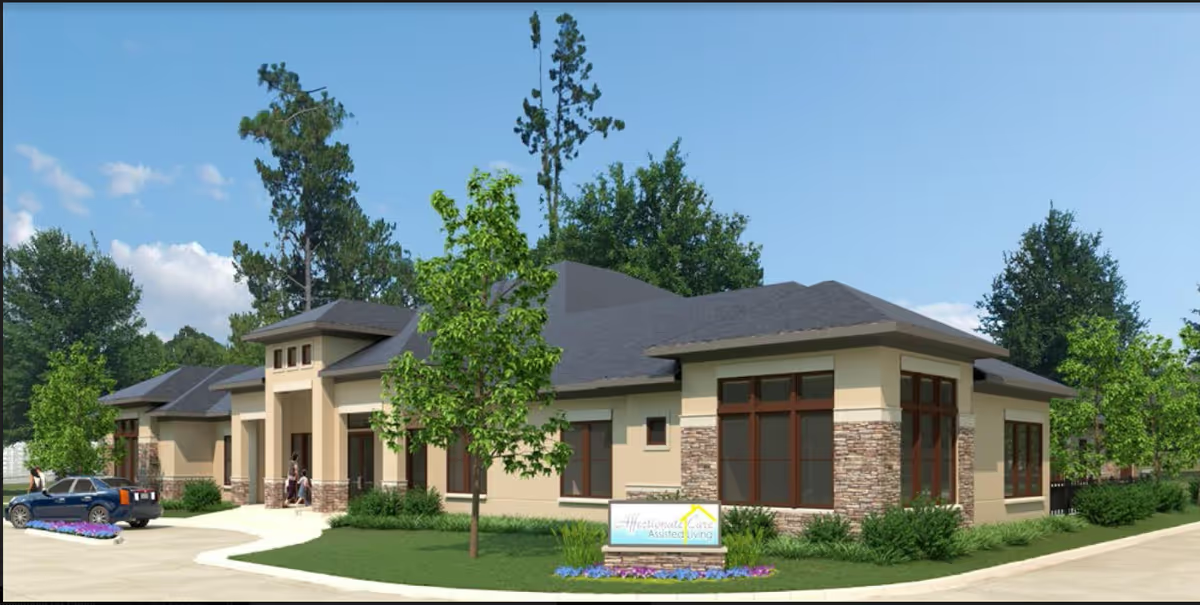
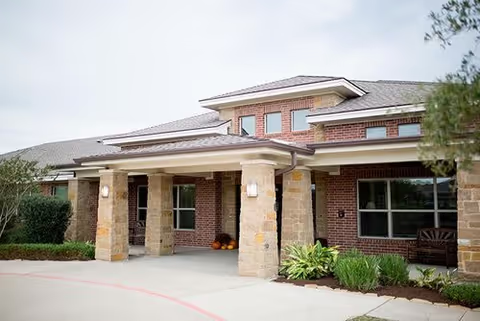
Facilities and management: The physical plant is consistently described as clean, well maintained, and comfortable, with attractive common areas and adequate space for mobility. Leadership and many frontline staff are credited with creating a supportive atmosphere and facilitating smooth admissions. Operational weaknesses noted include inconsistent staffing levels, occasional delays in transportation to appointments, variable phone responsiveness, and at least one allegation involving resident funds — all of which point to areas where administrative controls and staff allocation could be strengthened.
What families should verify: During a visit, families may wish to ask about fall-prevention policies and how safety equipment is requested and delivered, typical staffing ratios across shifts, procedures for medication and financial security, transportation and appointment logistics, and menu accommodations for special diets. The facility demonstrates clear strengths in rehabilitation, housekeeping, and relational care, but confirming consistency of those strengths across shifts and specific operational safeguards will help prospective residents and families make an informed decision.