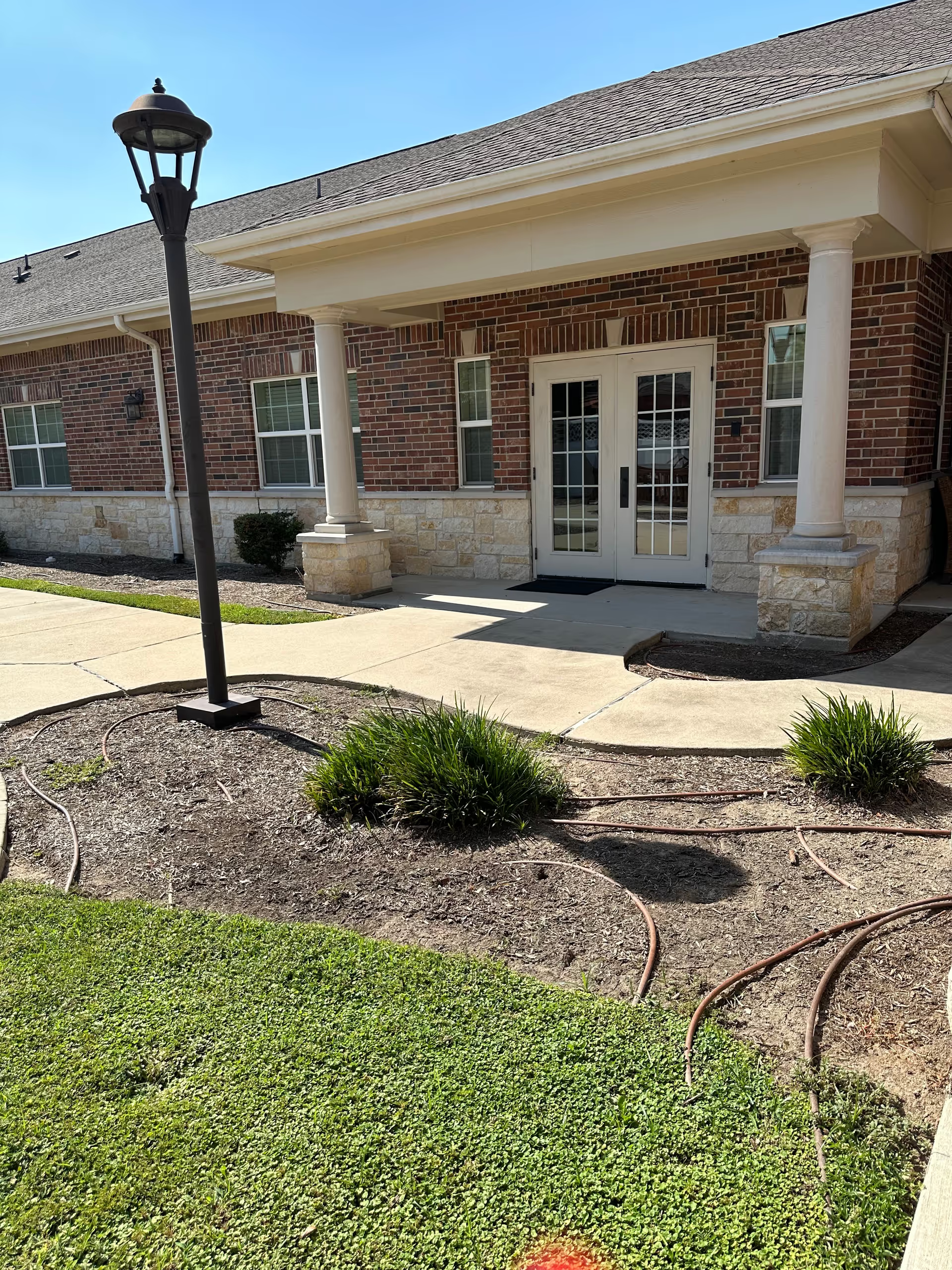
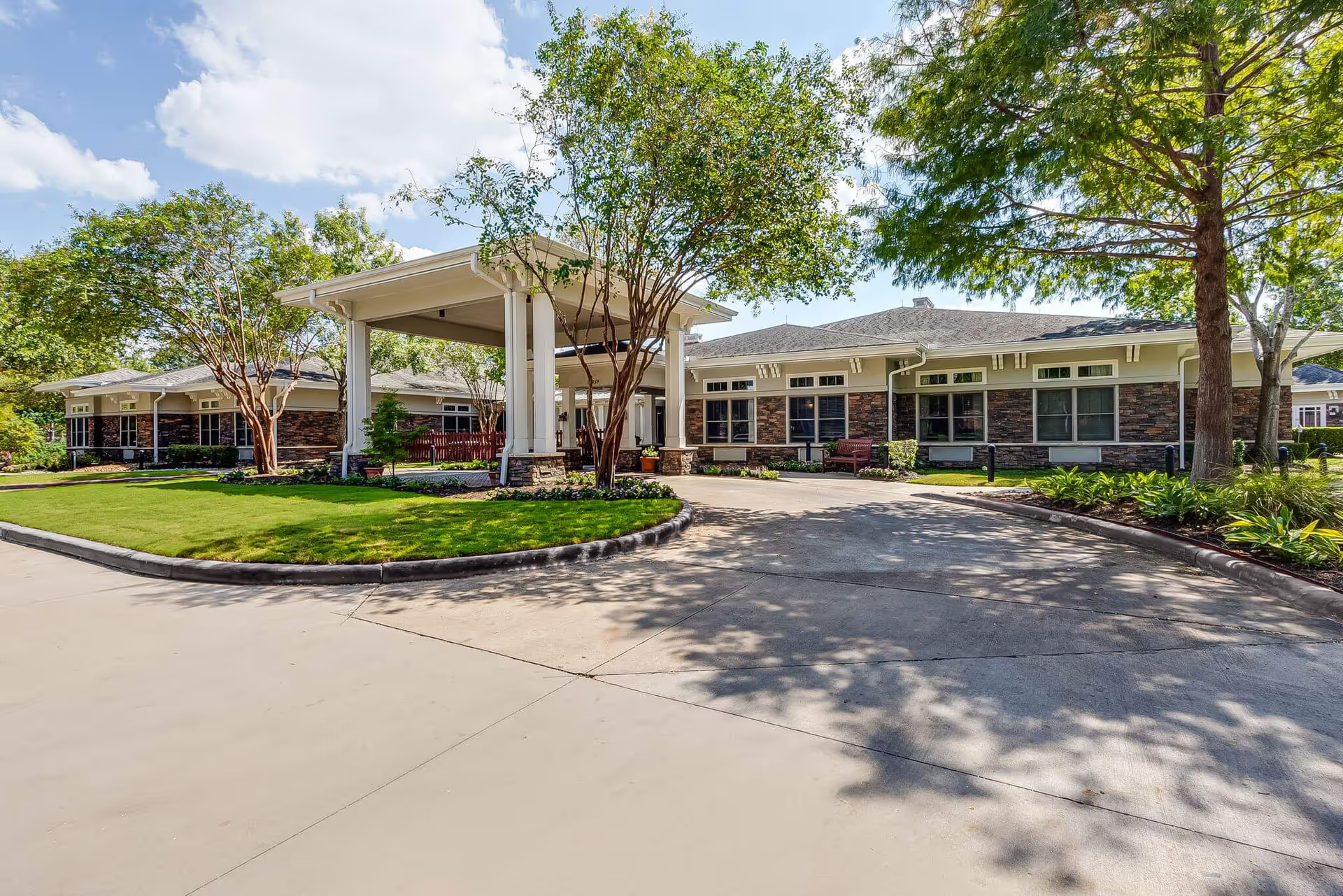
WoodCreek Bend Memory Care is frequently described as a small, residential-style memory care community with a distinctly family-like atmosphere and a focus on individualized dementia programming. Many families praised the facility’s memory-care expertise, use of Montessori-informed engagement, and published activity schedules that include family nights and regular social events. Reviewers commonly highlighted quick, supported move-ins and an accessible executive director who communicates about medical issues and day-to-day care.
Care quality and staff characteristics are central strengths in the reviews. Caregivers are often characterized as compassionate, attentive, and invested in residents’ histories and preferences; several accounts describe observable functional gains (improvements in speech, mobility, and mood). Leadership and resident-coordinator roles are often singled out as responsive, and staff are credited with creating a calm, hospitable environment. At the same time, the community appears to experience staffing instability: high turnover and variable staff-to-resident ratios were raised repeatedly, and reviewers noted insufficient night coverage and evidence of caregiver fatigue. There are also reports pointing to inconsistent staff conduct and occasional concerns about the tone and professionalism of specific employees.
Dining and activities receive largely positive mentions. Meals are described as home-cooked and varied, with special events and treats; some families consider the dining experience a highlight. Activity programming is generally robust and memory-focused, with Montessori-style engagement, meaningful daily activities, published calendars, and outdoor opportunities. However, a number of reviewers described variability in activity frequency and intensity—while many residents participate in purposeful programs, others reported limited offerings at times.
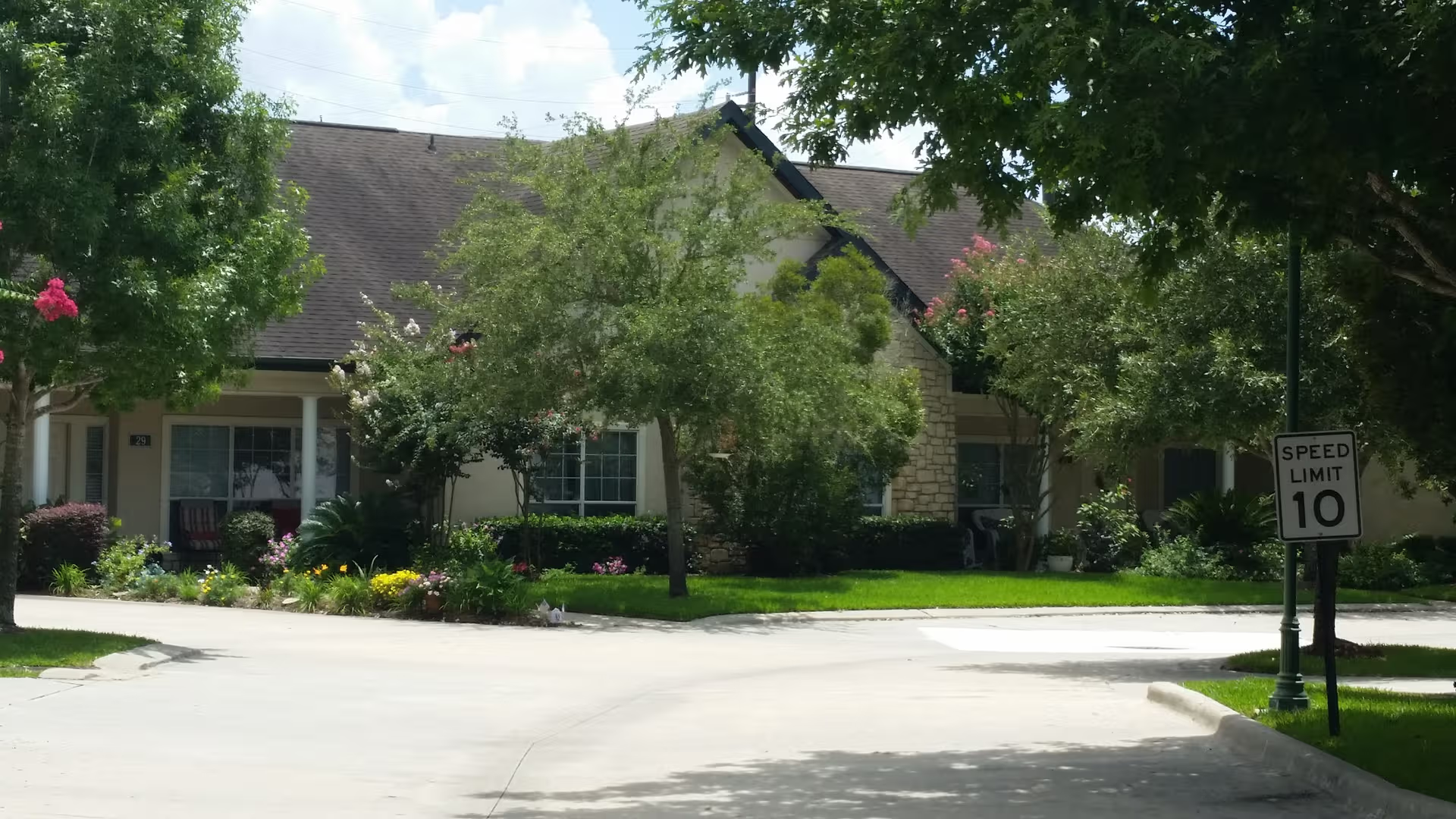
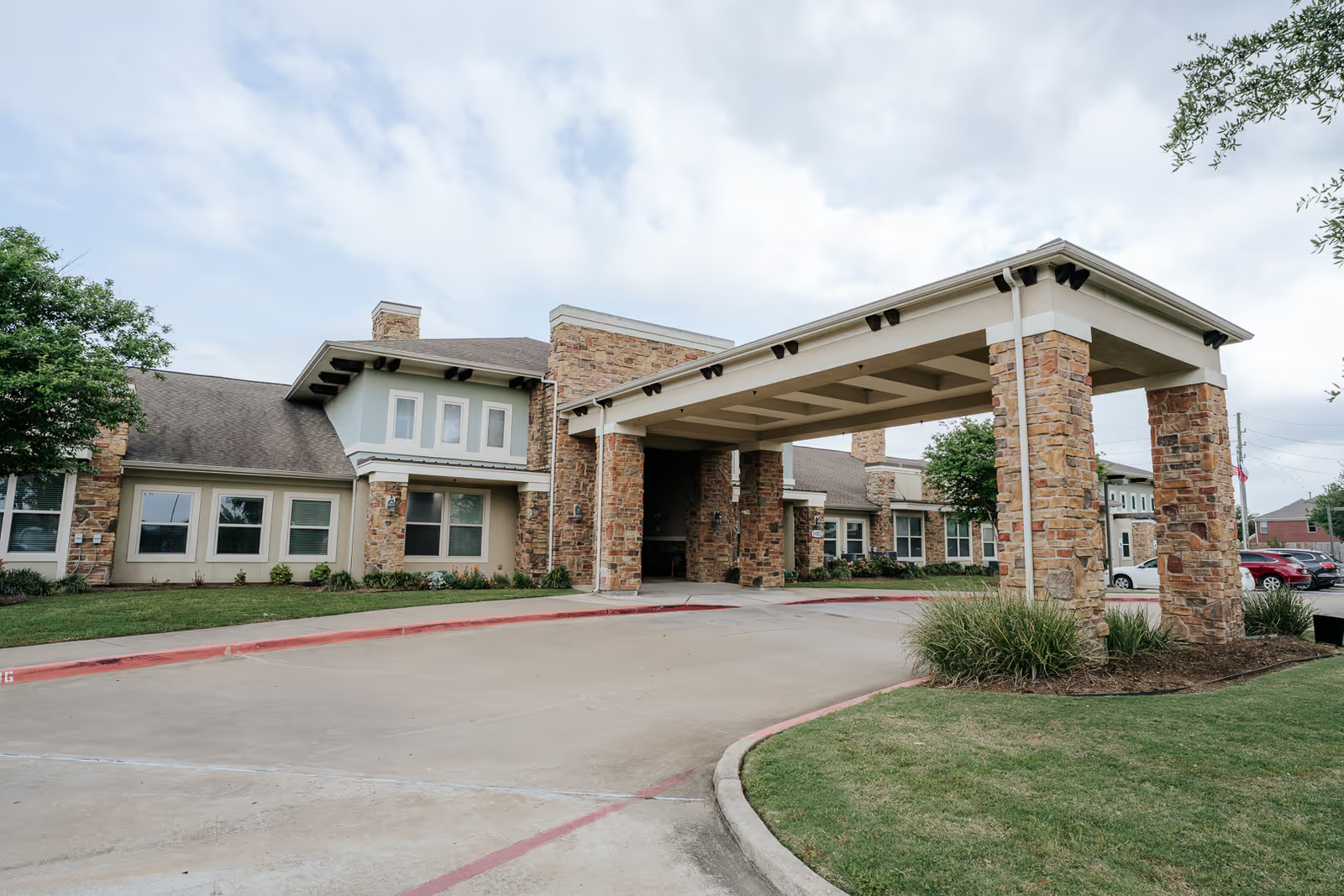
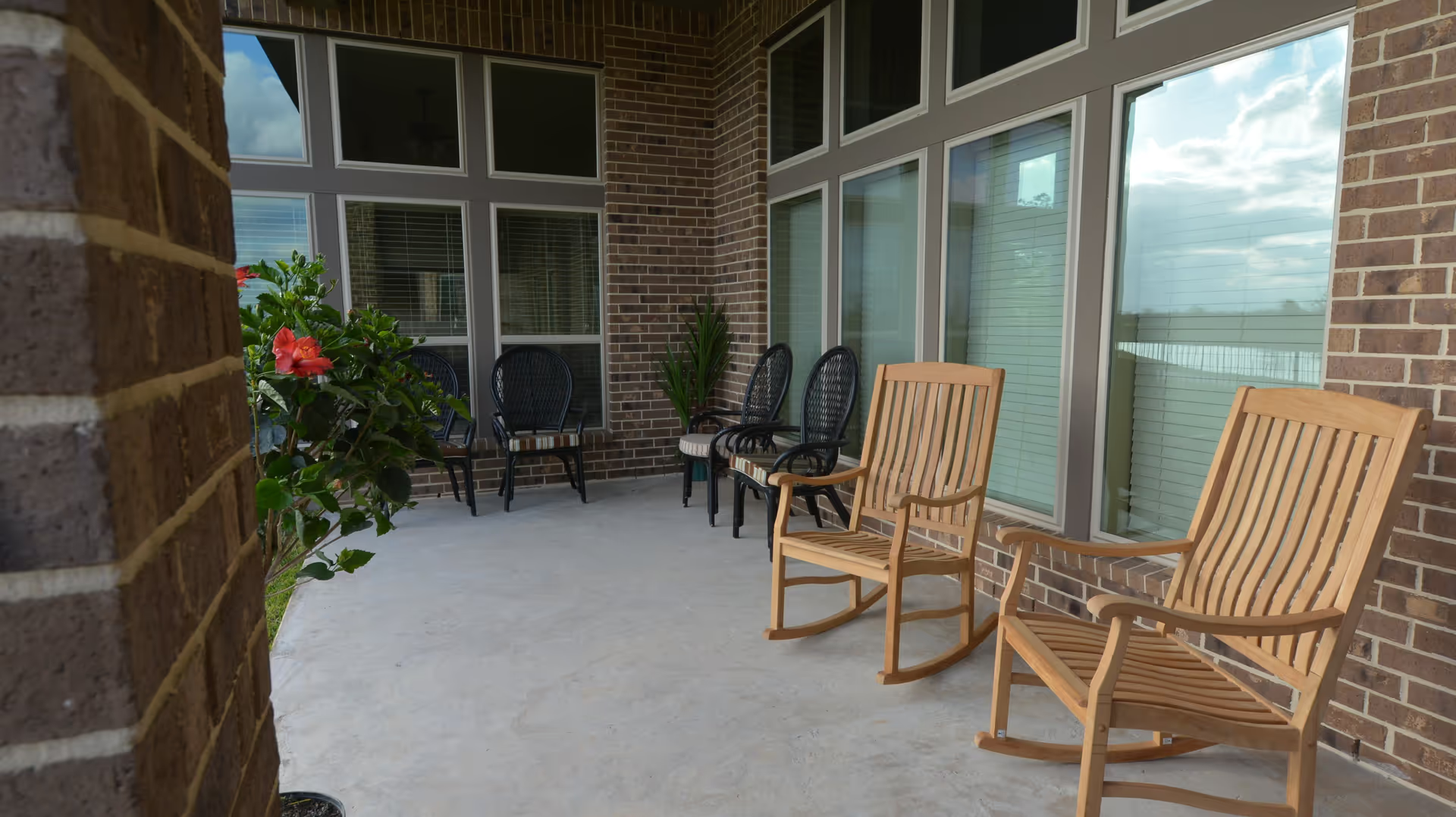
Facility features include home-like, decoratable resident rooms, a flexible floor plan, a large courtyard, indoor walking space, and amenities such as an in-house salon and a vegetable garden. Several reviewers noted planned renovations (library, spa/tranquility areas), while others described parts of the building as dated and in need of updates. Cleanliness and housekeeping are often praised, but there are also specific sanitation and laundry inconsistencies reported that suggest gaps in consistency of environmental services.
Management and operations present a mixed picture. Positive comments emphasize approachable leadership, thorough communication during admissions, and the community’s perceived value relative to alternatives. Conversely, reviewers raised concerns about administrative turnover, occasional lapses in after-hours communication, unclear ancillary fee practices, and visitation restrictions during infection-control periods. There are also isolated but serious allegations regarding discriminatory behavior and unfair personnel practices; these claims warrant direct follow-up by prospective families and inspectors.
Overall, WoodCreek Bend appears to offer a caring, memory-focused environment with many features families appreciate: engaged staff, meaningful programming, homelike rooms, and accessible leadership. Prospective residents and families should weigh these strengths against operational considerations—notably staffing stability, occasional housekeeping inconsistencies, clarity around fees, and the semi-private room model. For families prioritizing specialized memory-care approaches and a community-oriented culture, WoodCreek Bend may be a strong match; for those who require guaranteed private rooms, consistently high overnight staffing, or documented uniformity in housekeeping, further questions and an in-person assessment of current staffing and cleanliness protocols are advisable.