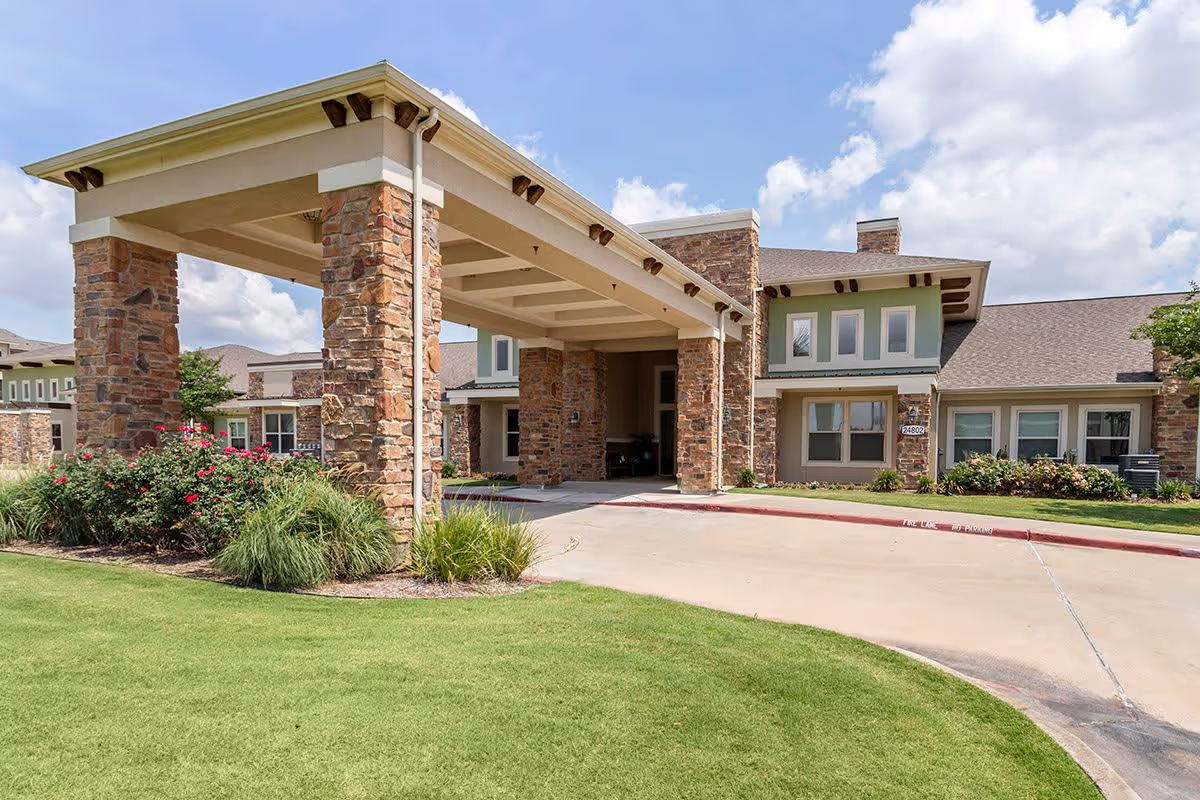
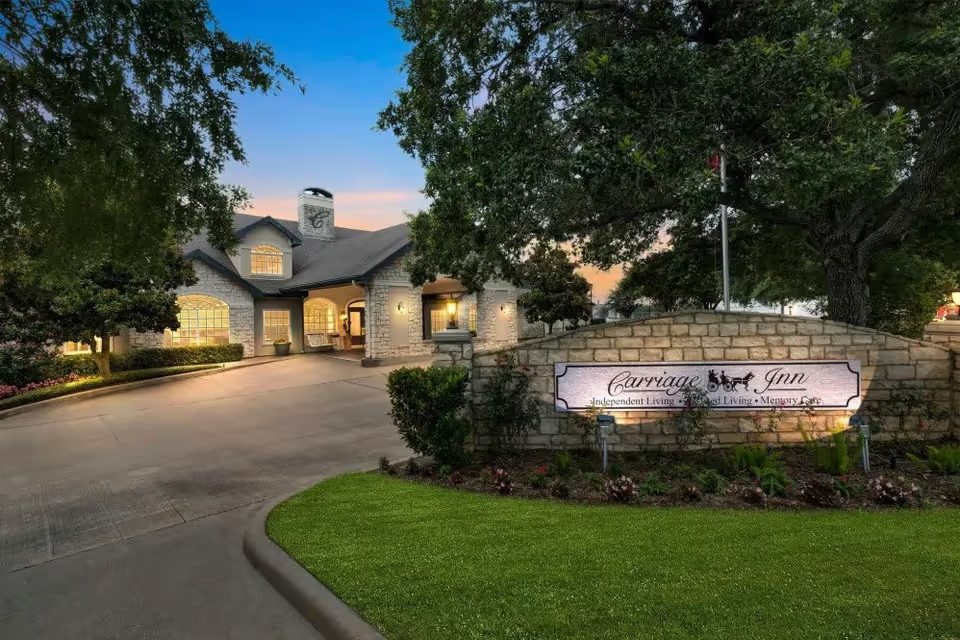
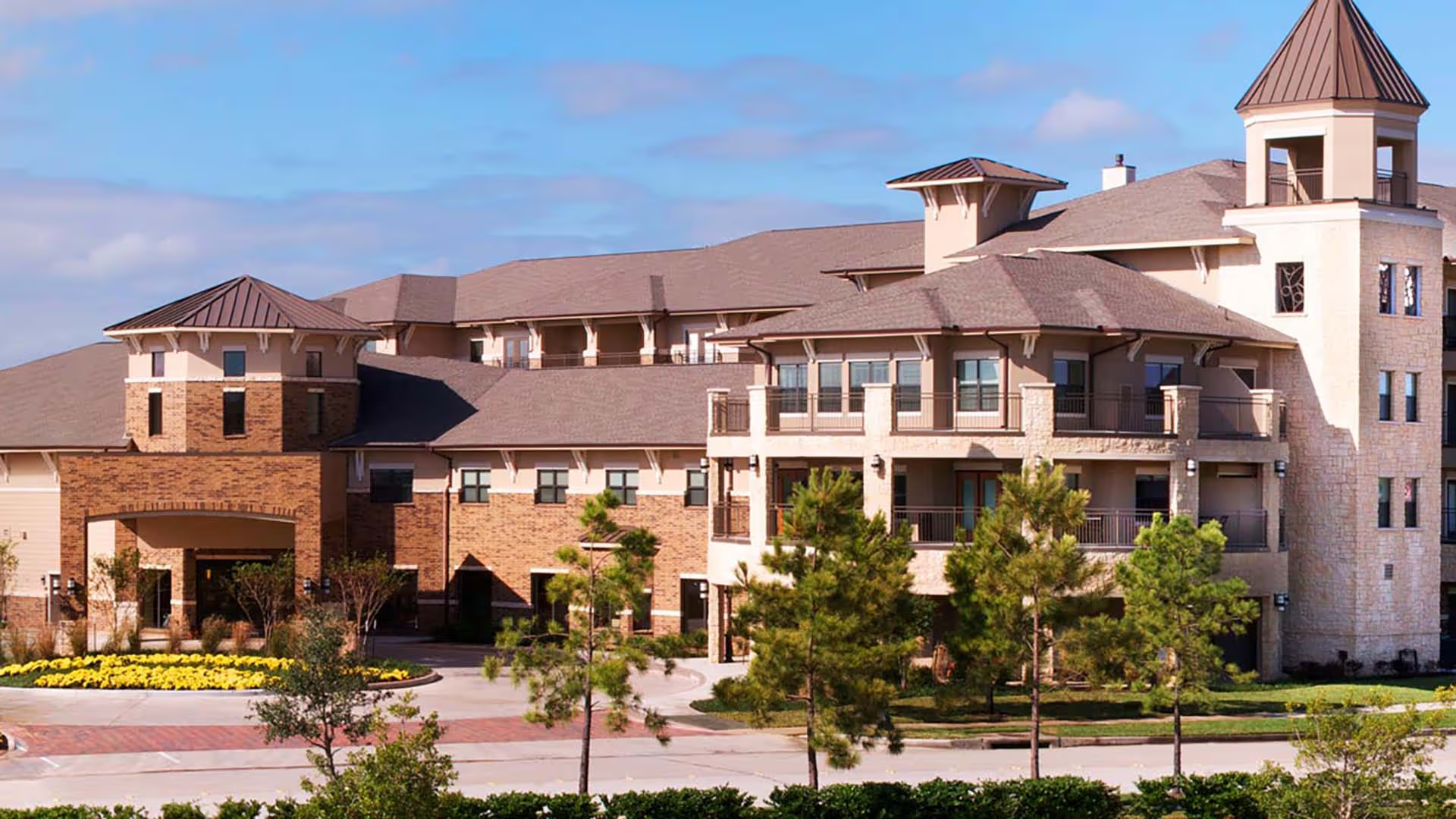
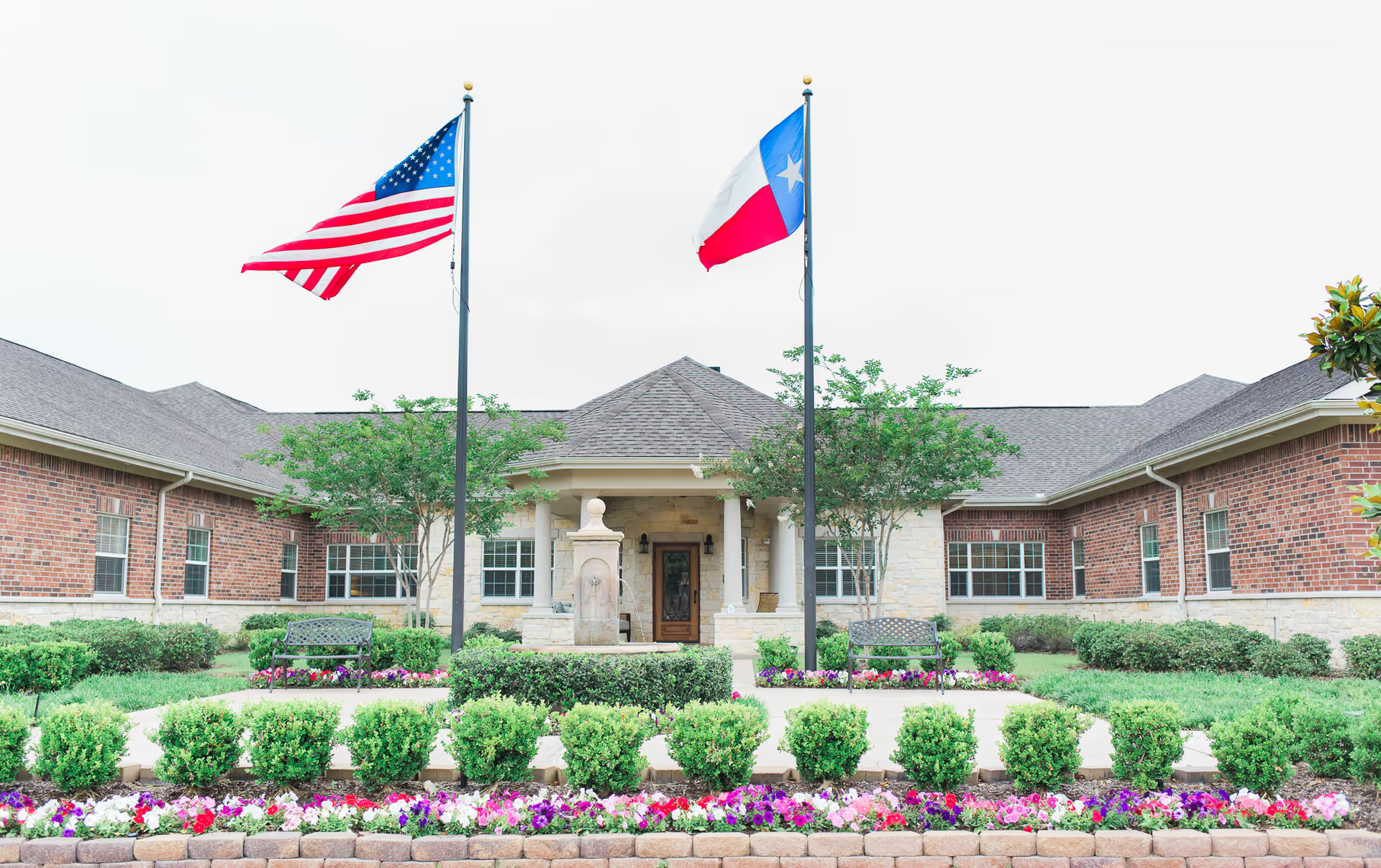
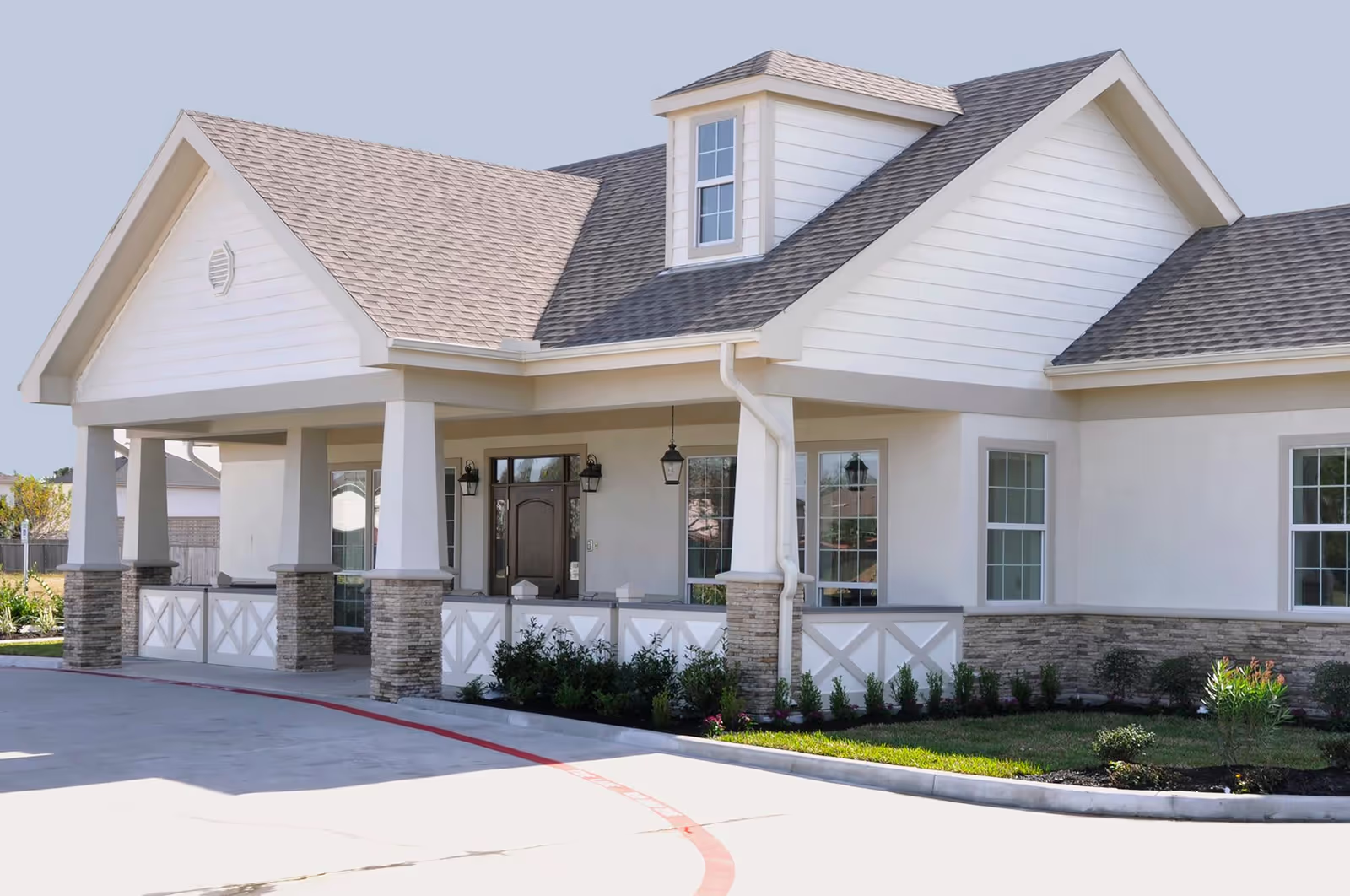
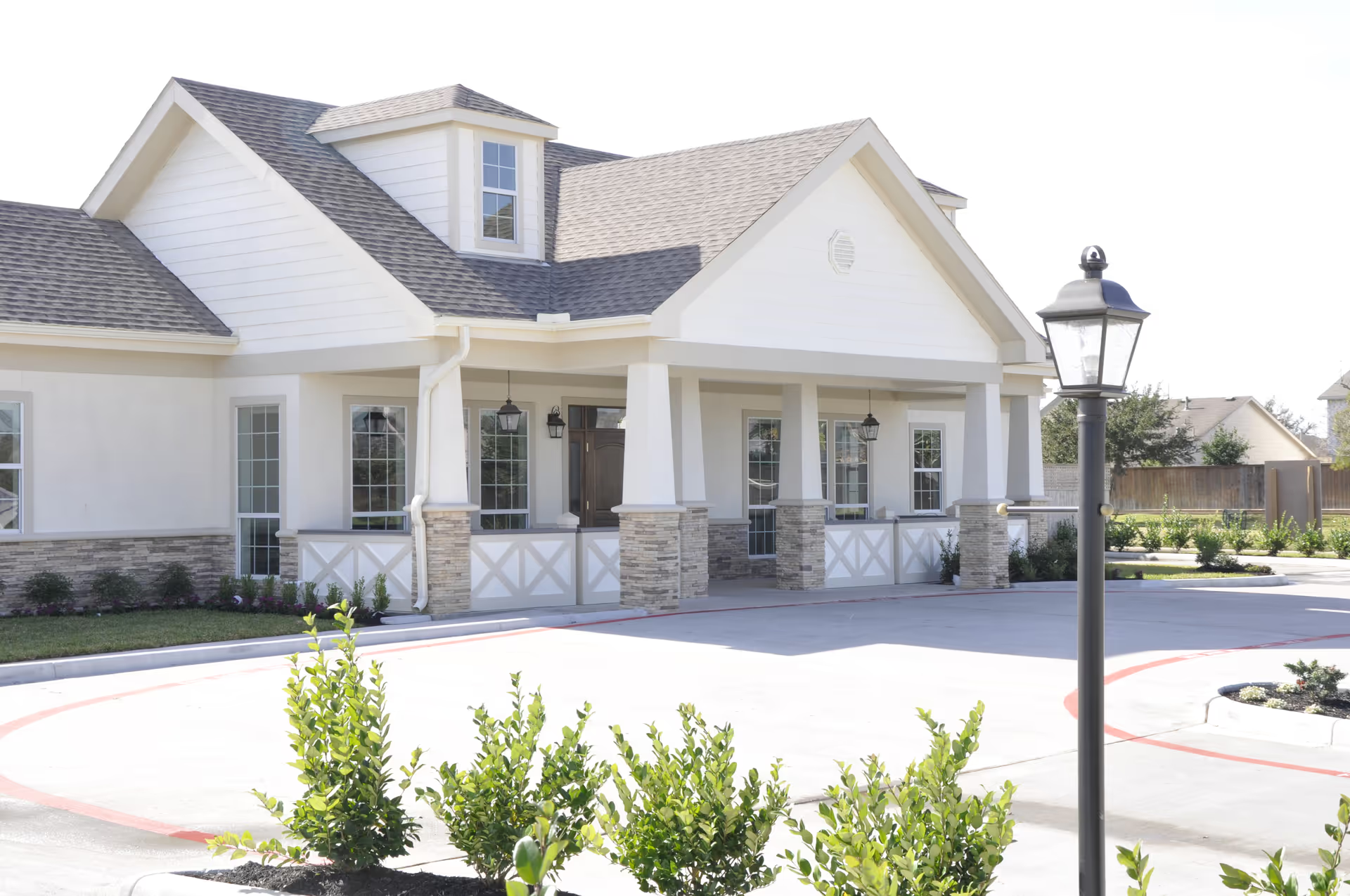
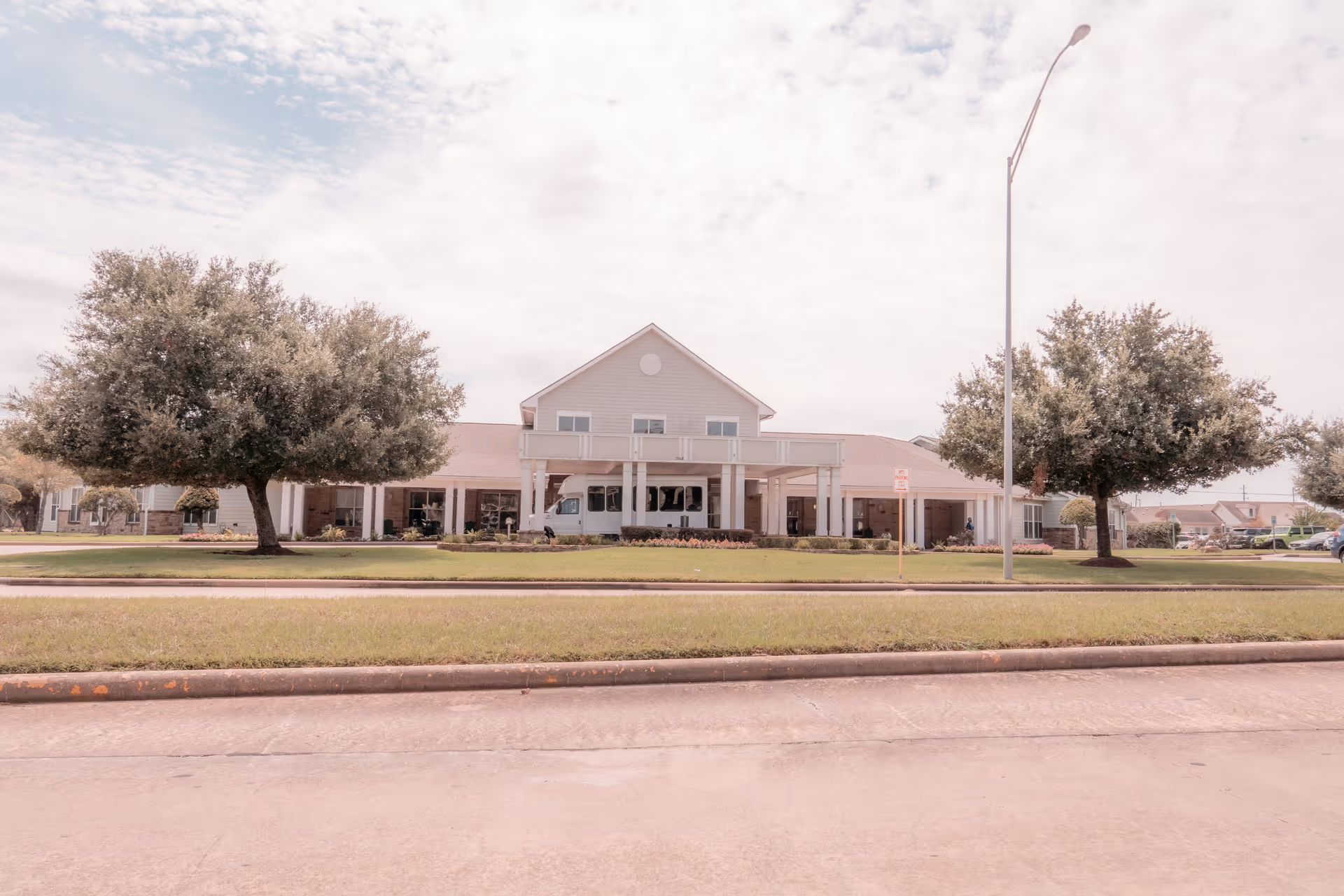
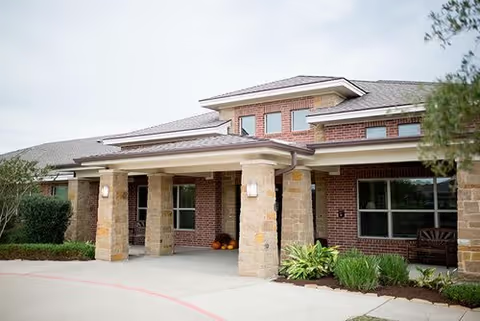
The Legacy at Falcon Point is consistently described as a clean, well-appointed community with a resort-like atmosphere and a broad range of on-site amenities. Families and residents commonly praise the physical environment — bright common areas, tasteful décor, and numerous social spaces including a chapel, media room, salon, library, and private dining. Accessibility features such as wheelchair access and a handicapped van, plus on-site services (dentist, salon, hospice coordination), contribute to convenience for residents and families.
Staffing and caregiving receive mixed but often positive assessments. Many reviewers highlight compassionate, relationship-based care in both assisted living and memory care, with staff noted for patience, individualized attention, and willingness to go beyond job descriptions. Several nursing and admissions staff are singled out by name for supportive communication and smooth move-ins. At the same time, a recurring operational theme is staffing inconsistency: shortfalls at night and on weekends, turnover related to management transitions, and variable conduct or training among some caregivers. Those patterns correlate with complaints about delayed responses to calls, occasional medication-timing errors, and uneven day-to-day care reliability.
Dining and activities are strong selling points for many families. The community offers a wide variety of daily activities, clubs, outings, entertainment, and customizable meal choices; many residents enjoy the food and social programs. However, dining service continuity is uneven — reviewers cite slow meal service at times and occasional order-correction difficulties. Activity schedules are broad but can be inconsistently executed depending on staffing on a given day.
Management and operations present a mixed picture. Several families praise efficient billing, insurance assistance, transparent flat-fee structures, and staff who facilitate transitions and family involvement. Conversely, other reviewers describe challenges associated with leadership changes, recruitment difficulties, and perceived indifference from management in select situations. There are also notes of intermittent maintenance issues (elevator, generator, air conditioning in some rooms) and service-process gaps such as laundry or housekeeping inconsistencies in particular units.
Safety and clinical oversight deserve particular attention when evaluating this community. While reviewers frequently commend nursing professionalism and effective medical suggestions, there are also consistent concerns about supervision in the memory-care unit and process lapses that have led families to question response times and wound or hygiene management. Prospective residents with higher medical complexity or insulin-dependent care needs should verify clinical capabilities and medication protocols before deciding.
Overall, many families report positive experiences driven by strong interpersonal care, engaging programs, and an attractive facility. The primary operational risks to weigh are inconsistent staffing levels, episodic lapses in responsiveness and medication processes, and management/transition issues that can affect day-to-day reliability. Prospective families should tour the community, meet care staff, ask about current staffing ratios and night coverage, review medication and incident-reporting procedures, and inquire about laundry/housekeeping schedules and contingency plans for mechanical failures to align expectations with current operational realities.