Overview: Reviews present a mixed but consistent picture. Many families and visitors emphasize a warm, family-like atmosphere driven by compassionate, welcoming staff, an engaged activities program, and a range of amenities. At its best the community offers attentive nursing and med-tech teams, homestyle meals prepared by an on-site chef, spacious apartments, and an array of social and therapeutic activities that visitors find appealing. These strengths are often cited as the reason families recommend the community.
Care and clinical oversight: Clinical strengths include med-tech precision in medication management, on-site nursing coverage, and available therapy and memory-care programming. Several accounts describe quick nurse responses to call buttons and positive advocacy by nursing staff. However, there are recurrent concerns about variability in clinical operations: medication timing and oversight can be inconsistent, diabetes-specific care and some nursing oversight were described as uneven, and emergency pendant response times were noted as slow in some instances. Prospective families should ask about staffing ratios, RN involvement, and medication-administration protocols during a tour.
Staff and culture: Staff behavior is the most frequently praised aspect — many reviewers call staff caring, respectful, and helpful, and they single out particular team members and the admissions transition process as supportive. At the same time, reviewers identify operational issues that erode consistency: understaffing, high turnover, and examples of staff being overworked were mentioned. These workforce pressures are linked in some accounts to slower response times, phone non-responsiveness, and occasional lapses in day-to-day support. Family–staff communication also shows variability; when leadership is stable and long-tenured personnel are present, experiences tend to be more positive.
Dining and activities: The dining program has notable strengths — a restaurant-style dining room, an on-site chef, and homestyle meal offerings are frequently praised. Several reviews describe nutritious, enjoyable meals and a pleasant dining atmosphere. Others raise concerns about limited variety, blandness at times, lack of fresh fruit, and inconsistent meal access. The activities program is a clear positive for many families: regular on-site activities, memory-recall programming, and well-organized outings (shopping, seasonal trips, farmers market) are repeatedly mentioned. In some cases, particularly in the memory-care unit, activity frequency and variety appear constrained when staffing is limited.
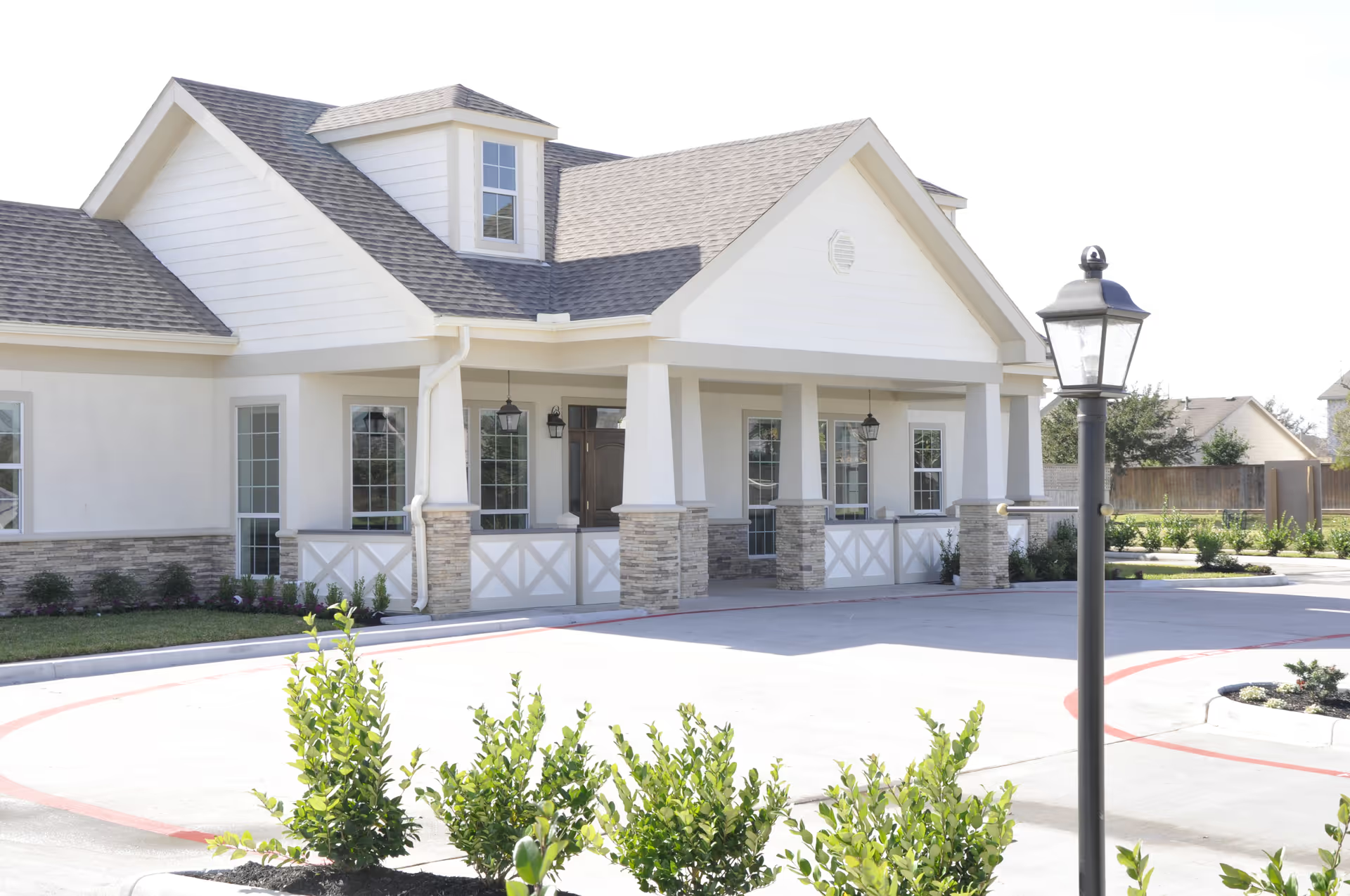
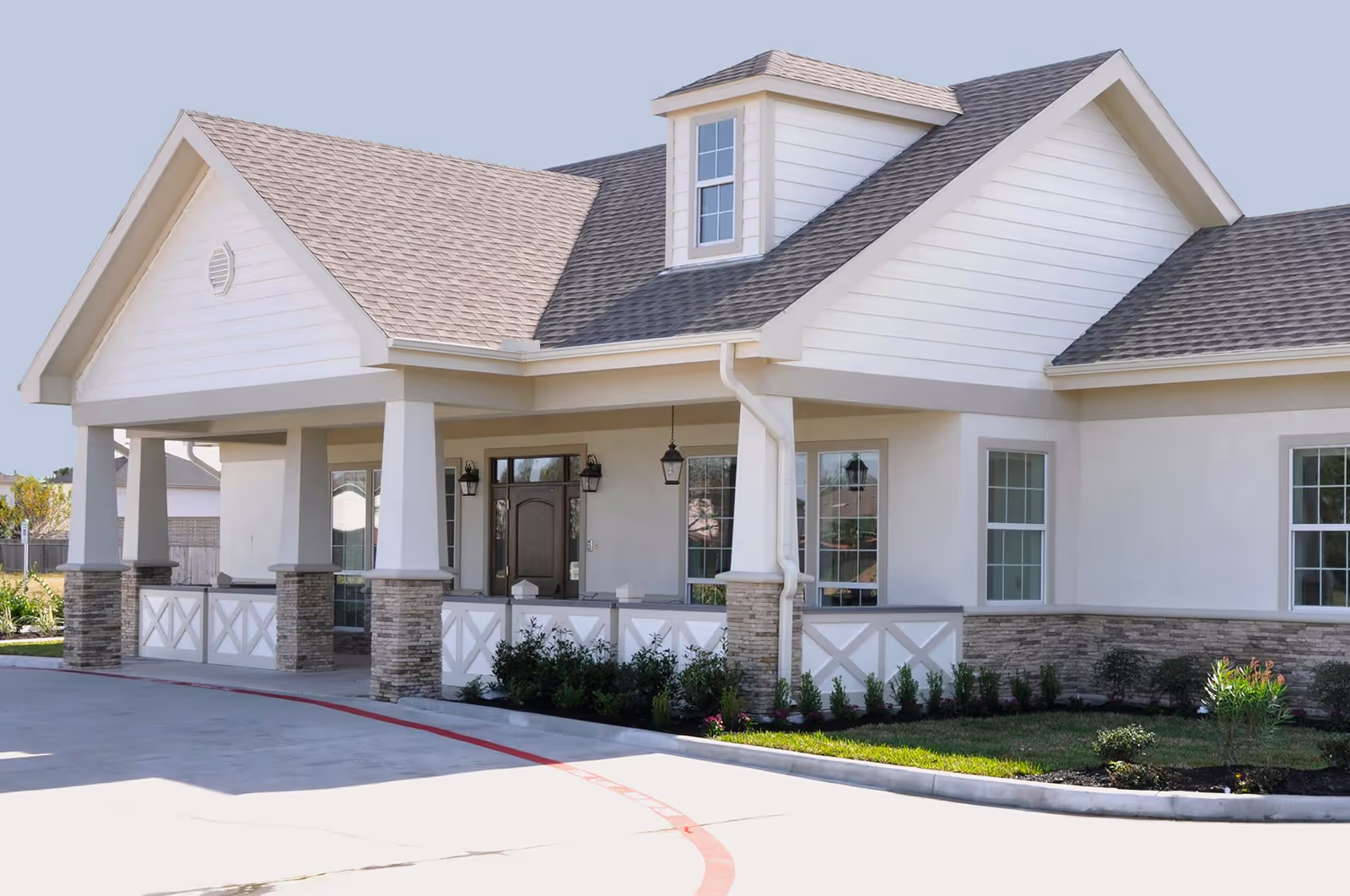
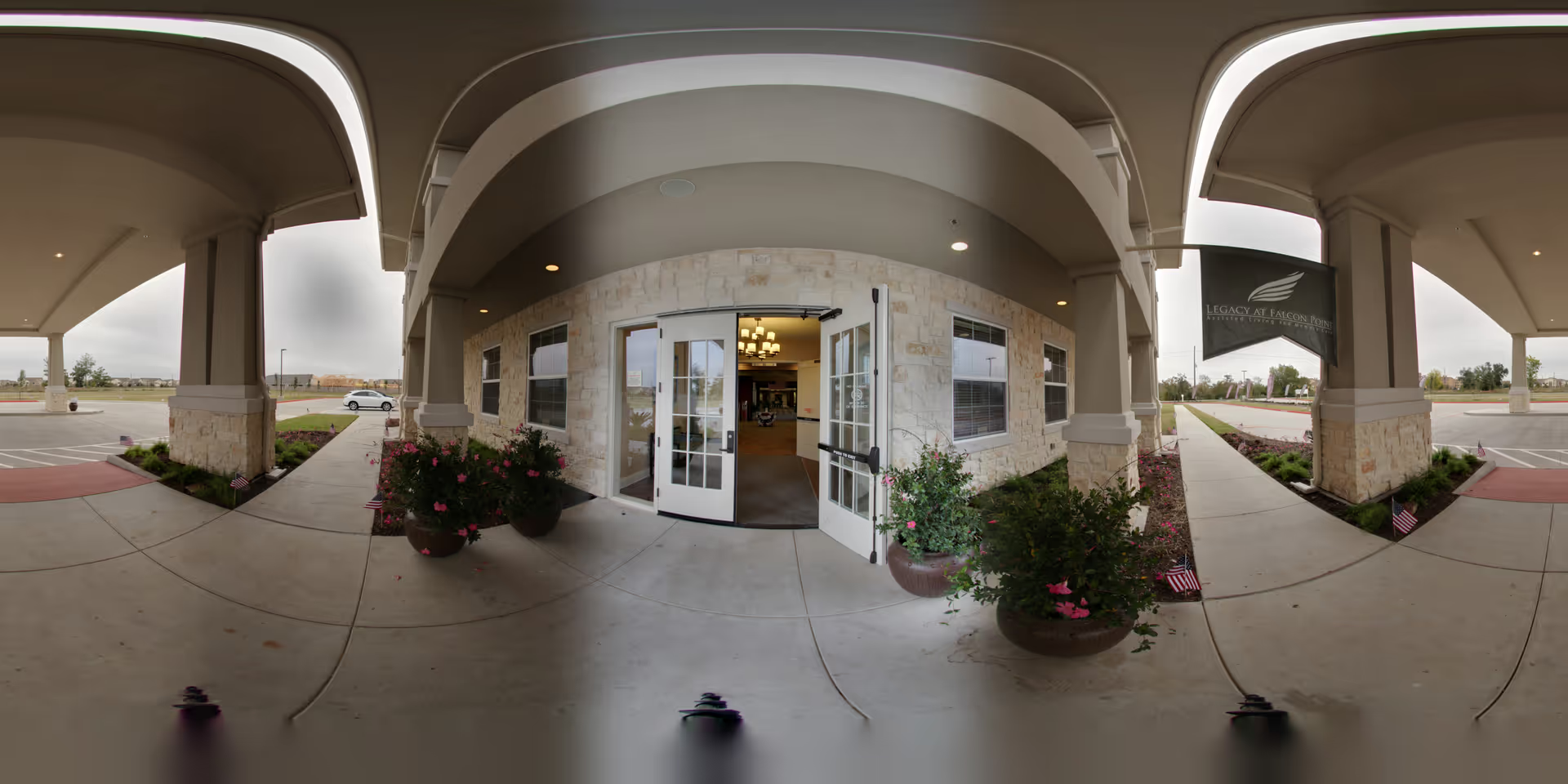
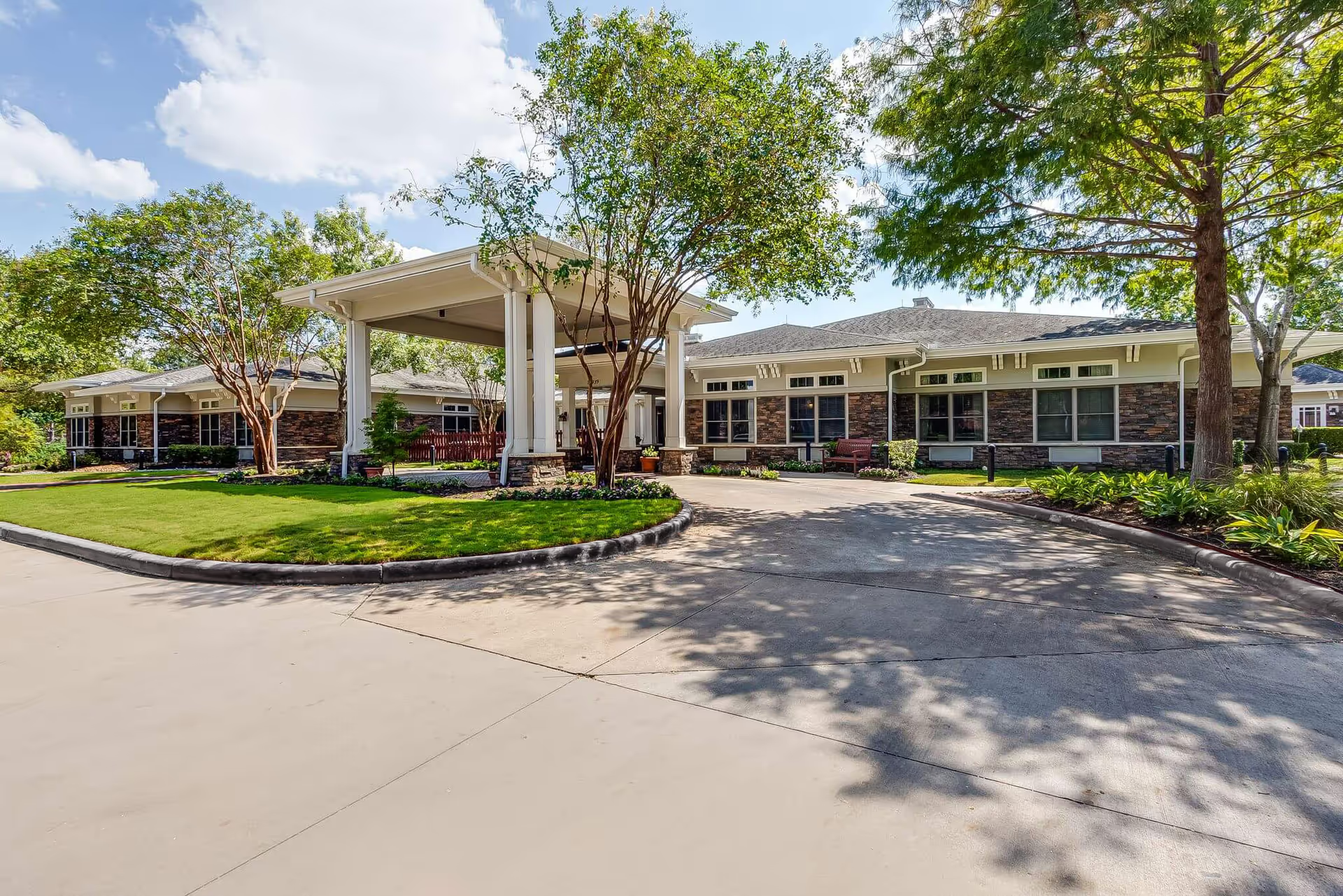
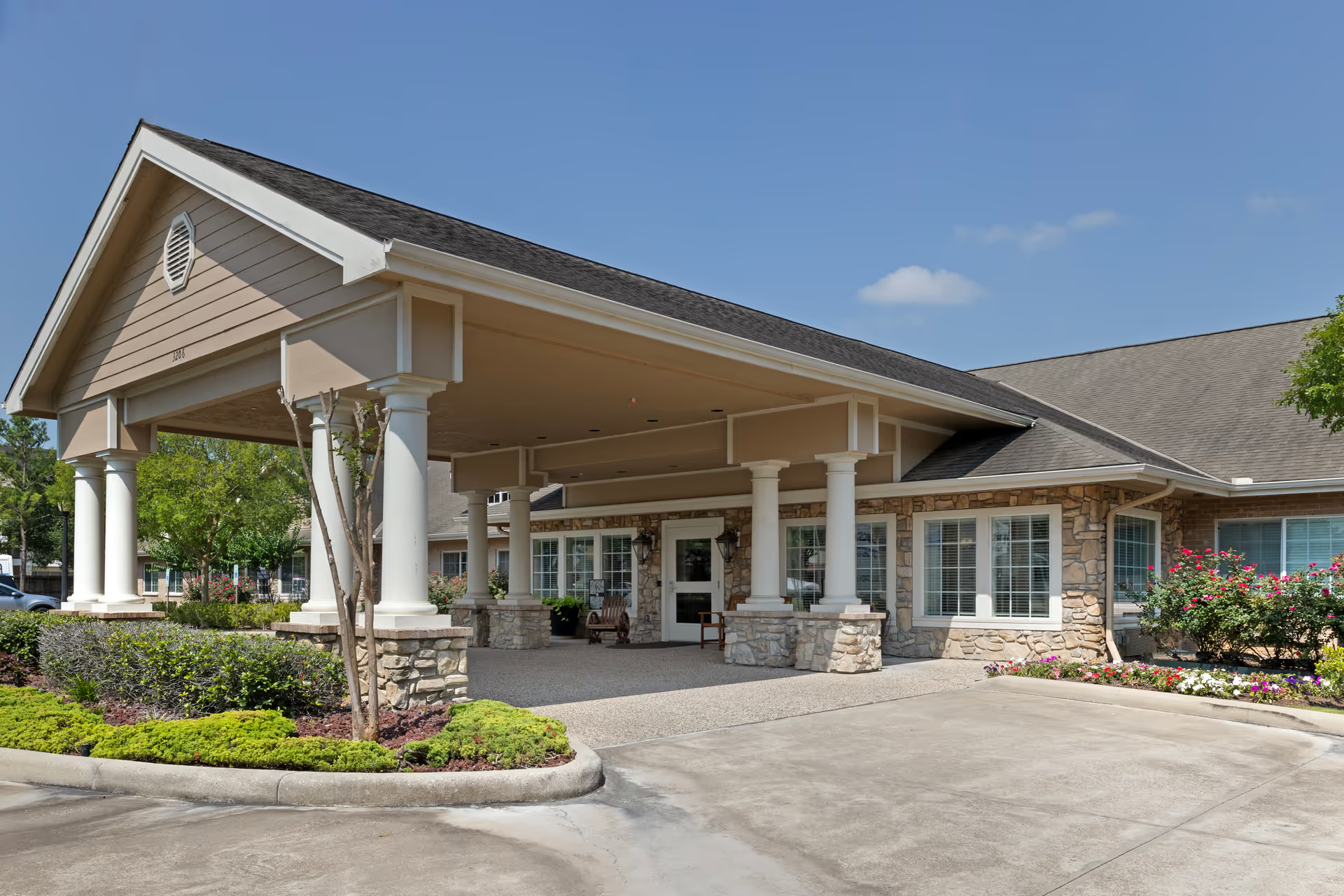
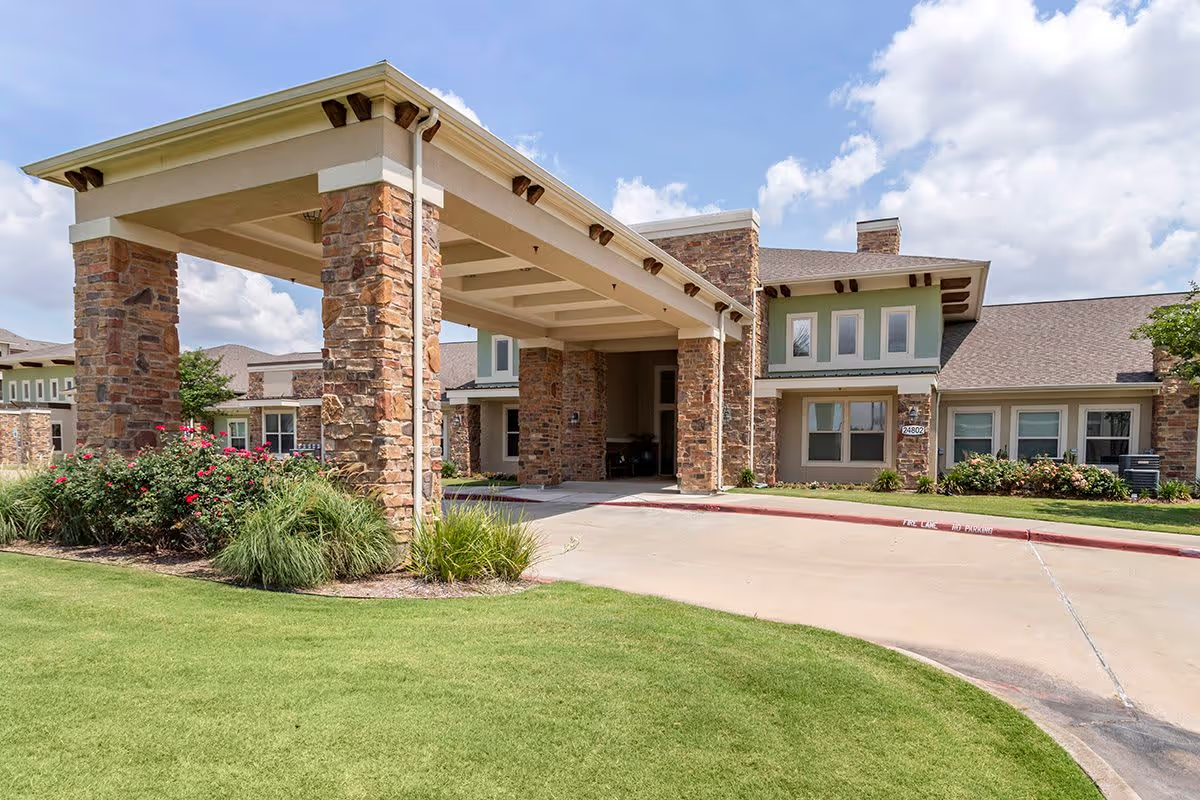
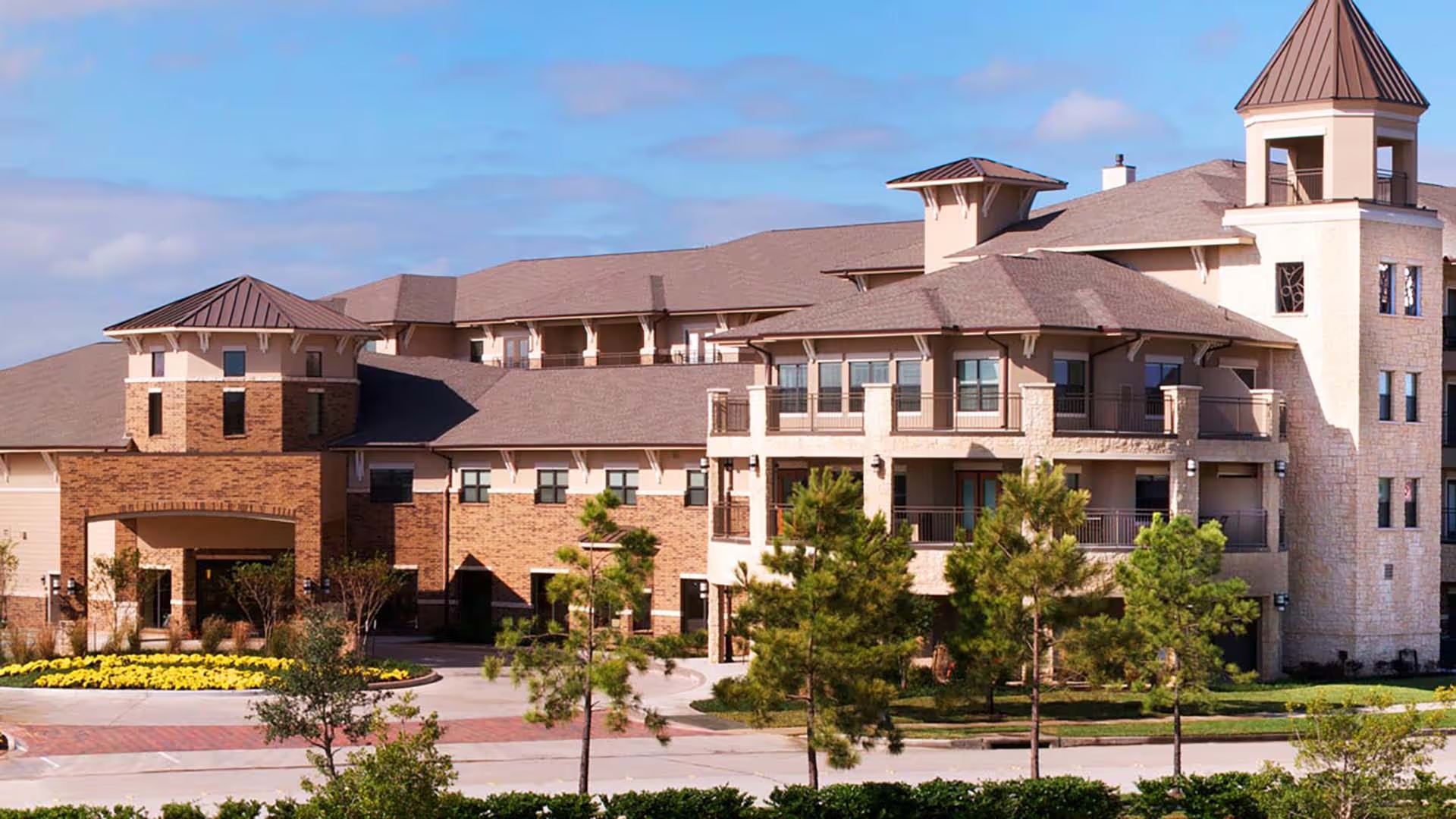
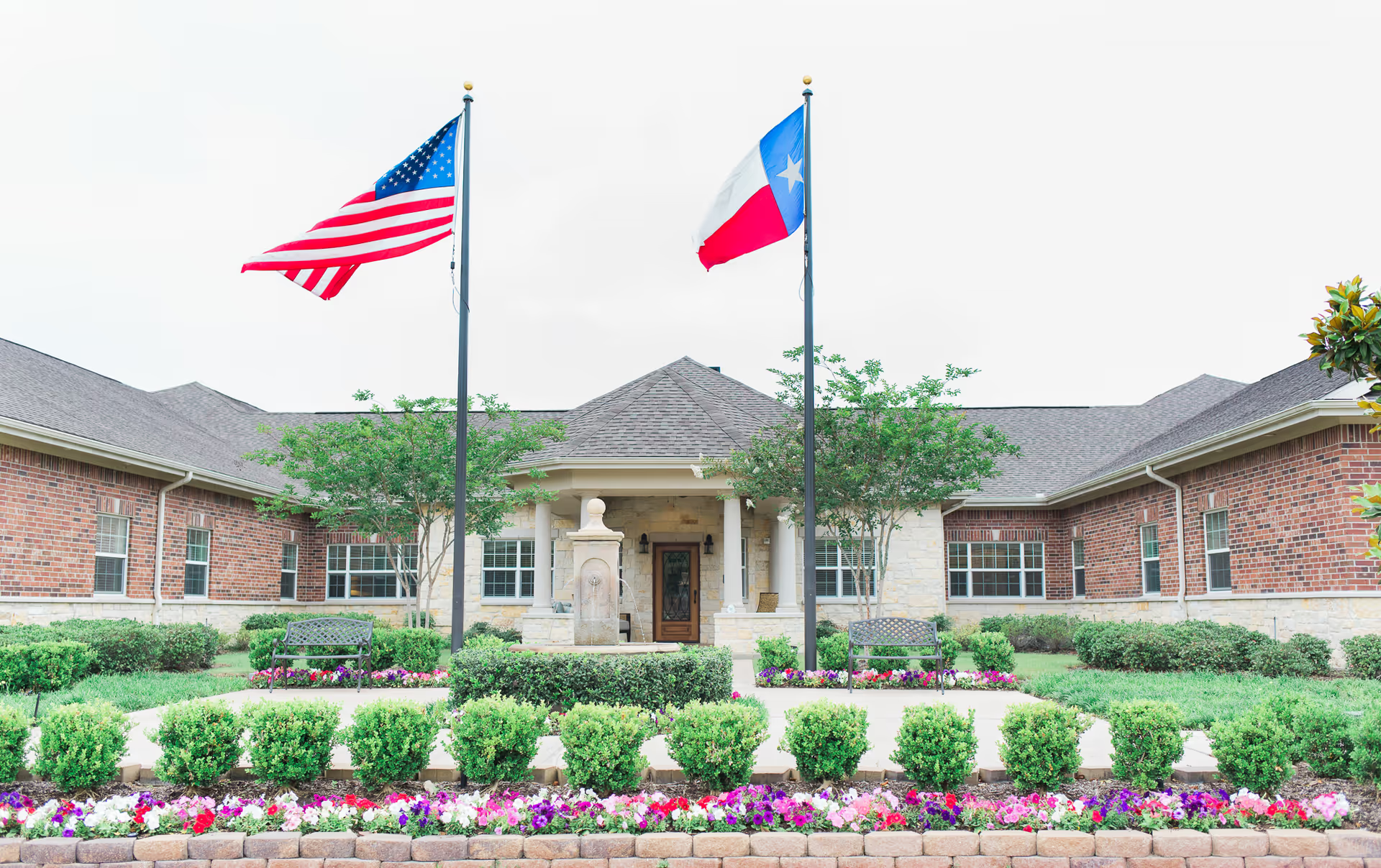
Facilities and amenities: The community’s physical plant and amenities receive generally favorable comments — spacious apartment designs, updated common areas, courtyard and grounds, theater, salon, and well-kept dining and activity spaces. Some reviewers noted areas requiring maintenance or cleaning attention (ongoing repairs, carpet condition, staging of linens/trash in public areas). Renovations and planned upgrades are also referenced, suggesting investment in the property.
Management, billing, and policies: Management and administrative processes are the clearest areas of concern. Recurrent issues include opaque billing practices, invoicing errors, and disagreement over charges; some families describe long delays in resolving billing disputes. Communication from leadership and corporate channels was described as inconsistent, with voicemail routing and responsiveness problems cited. Marketing and admissions claims were at times perceived as not matching resident-level reality, and some families expressed frustration with limits on external providers or changes in clinical policy. Prospective families may want to request sample invoices, clarify the policy on external medical providers, and ask about leadership tenure and escalation pathways.
Notable patterns and guidance for families: There is a clear pattern of strong, person-centered caregiving when staffing is stable and leadership is responsive; those situations correlate with high satisfaction. Conversely, reports of understaffing, infection-control lapses, billing errors, and weak communication cluster together and are associated with negative experiences. Given this mix, prospective residents and families should tour the community, meet direct-care staff and nursing leadership, inquire about staffing ratios and infection-control protocols, review billing practices, and ask about transportation and external-provider policies. Doing so will help assess whether the community’s operational performance aligns with the positive frontline care that many reviewers describe.