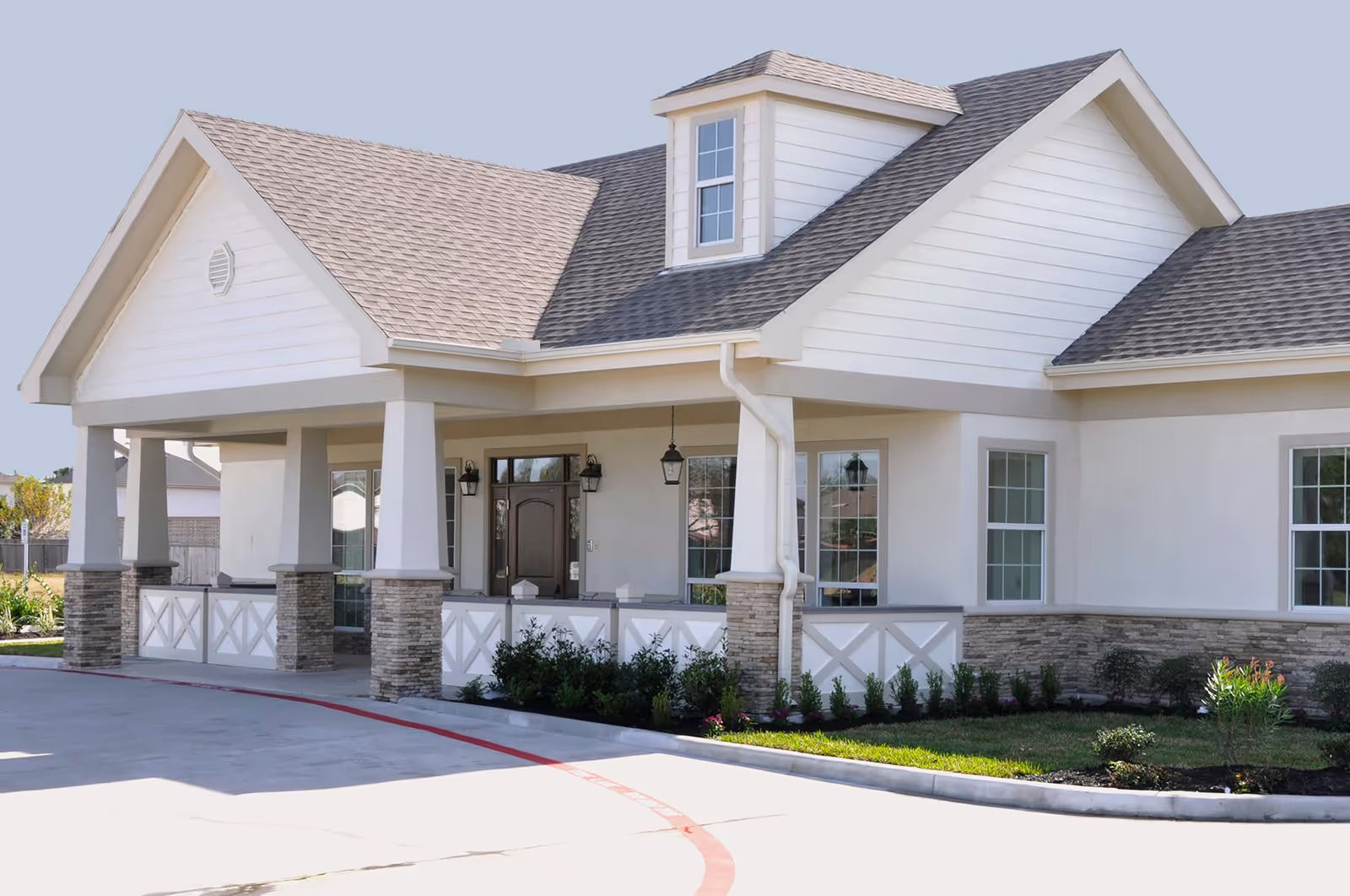
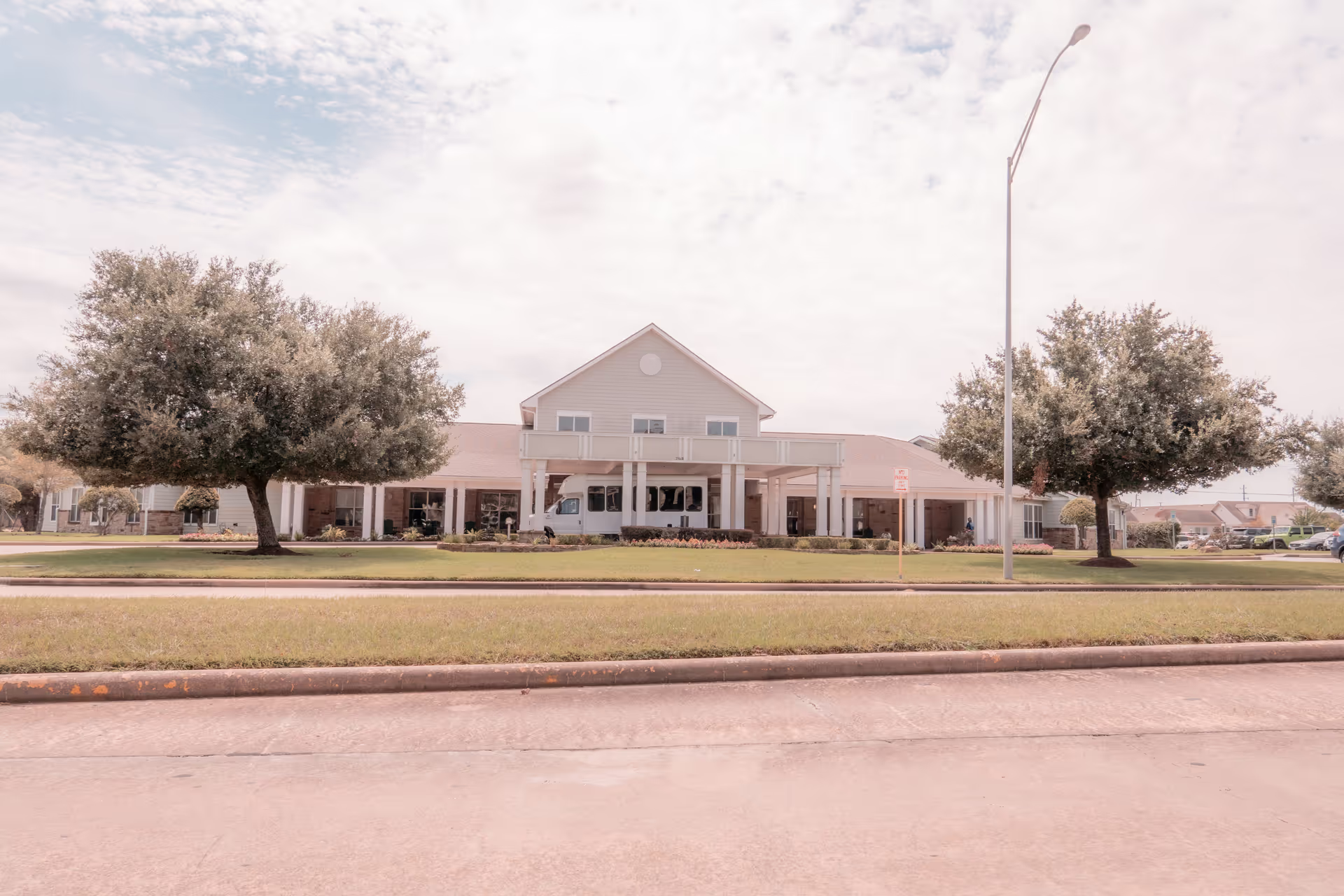
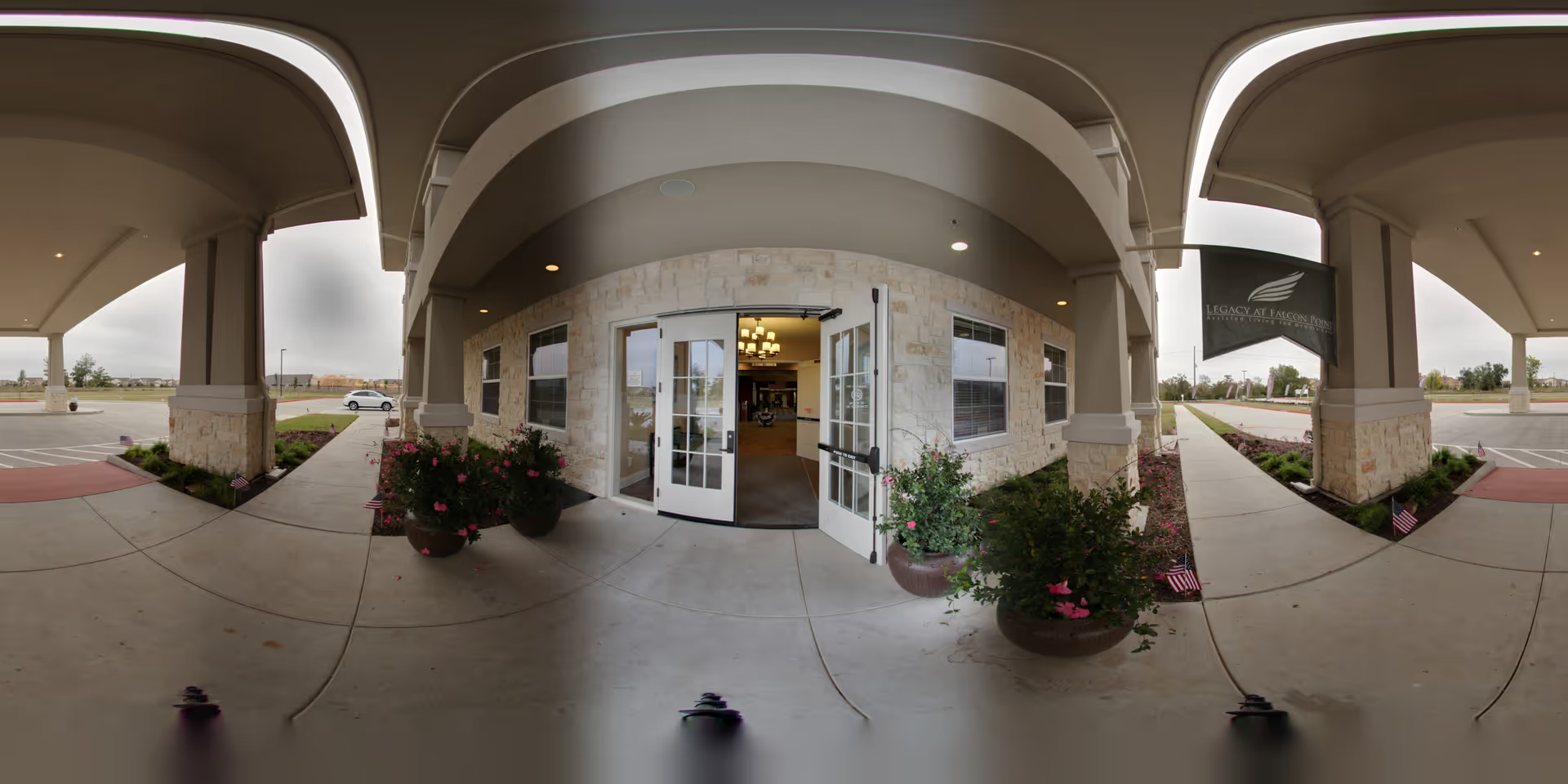
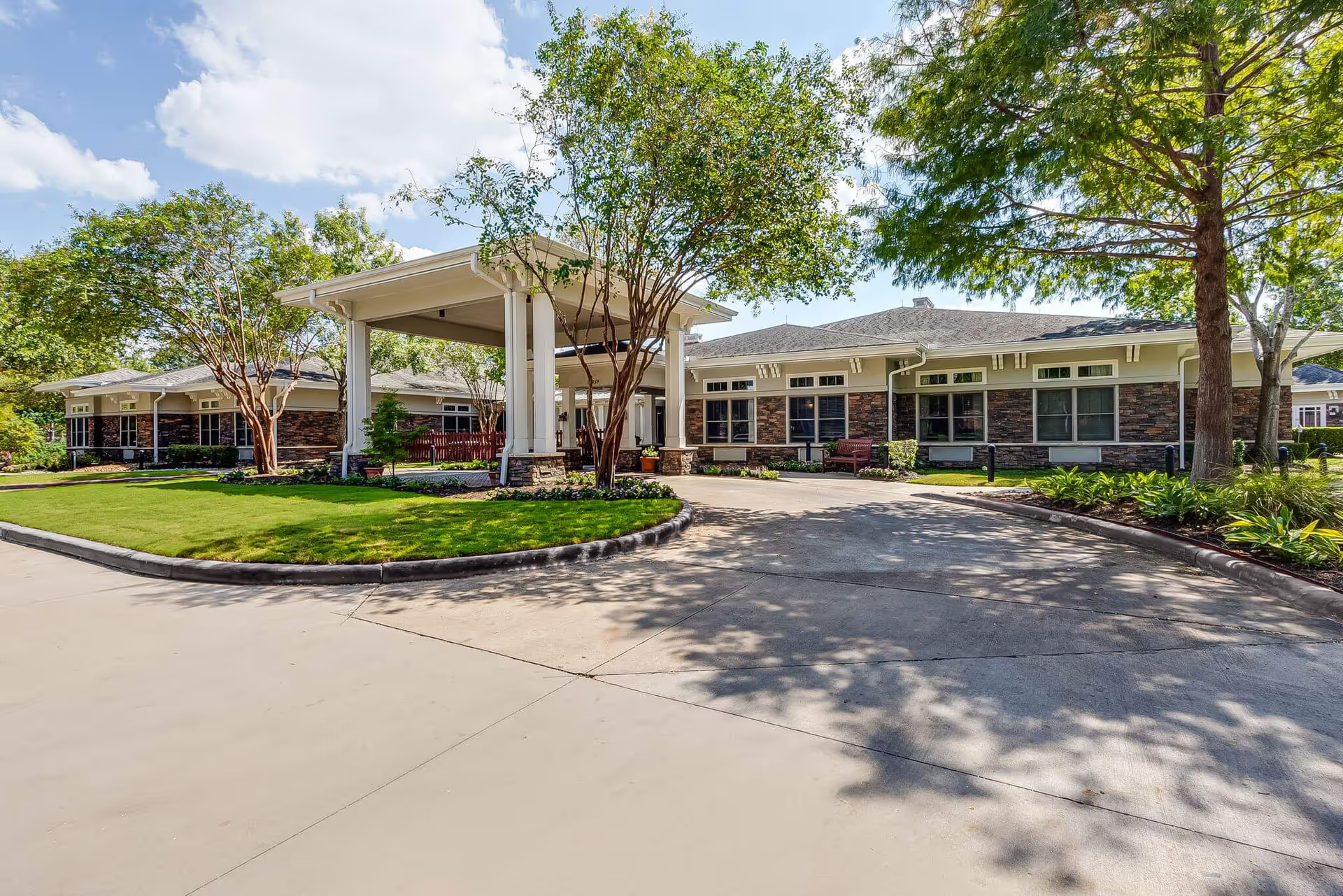
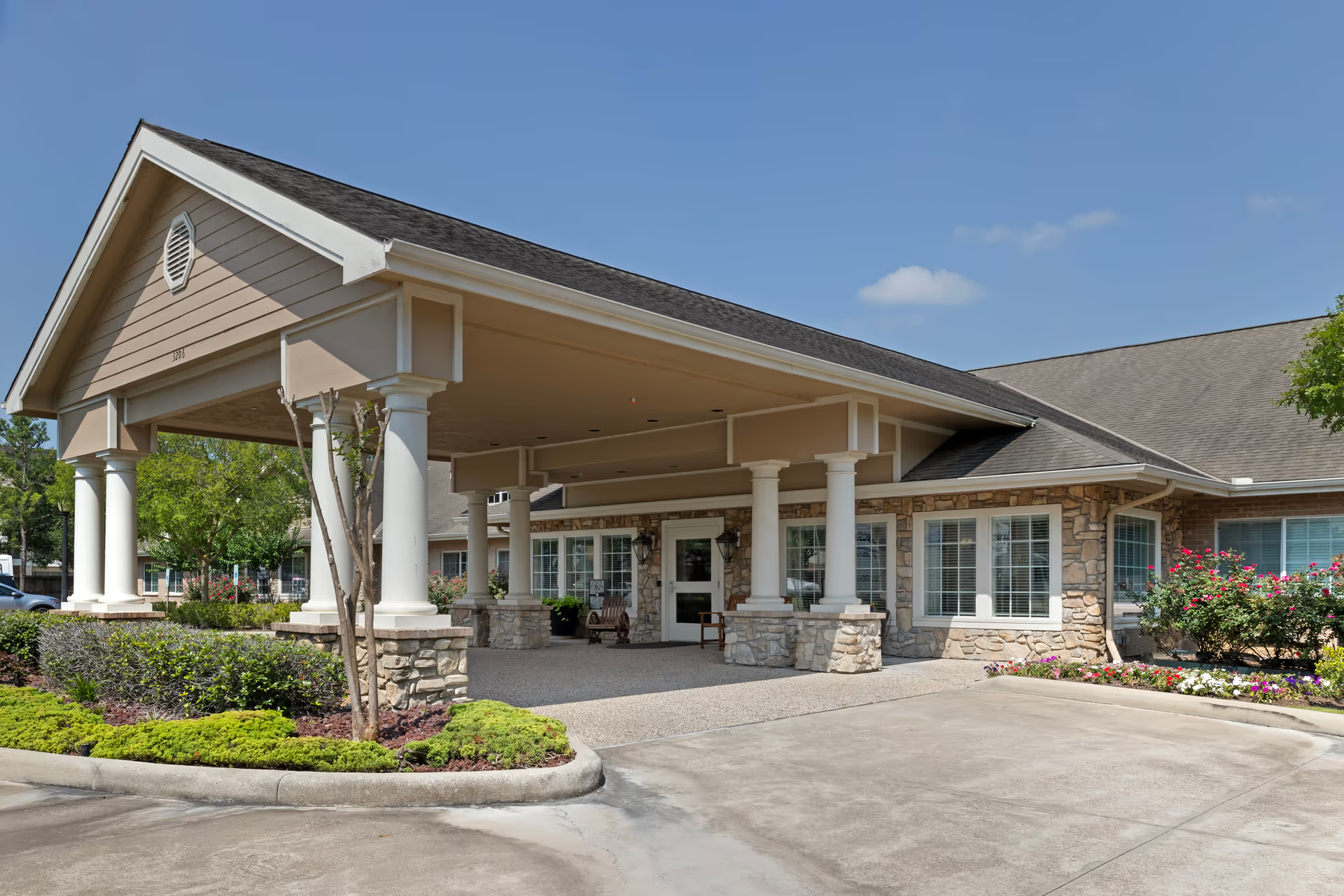
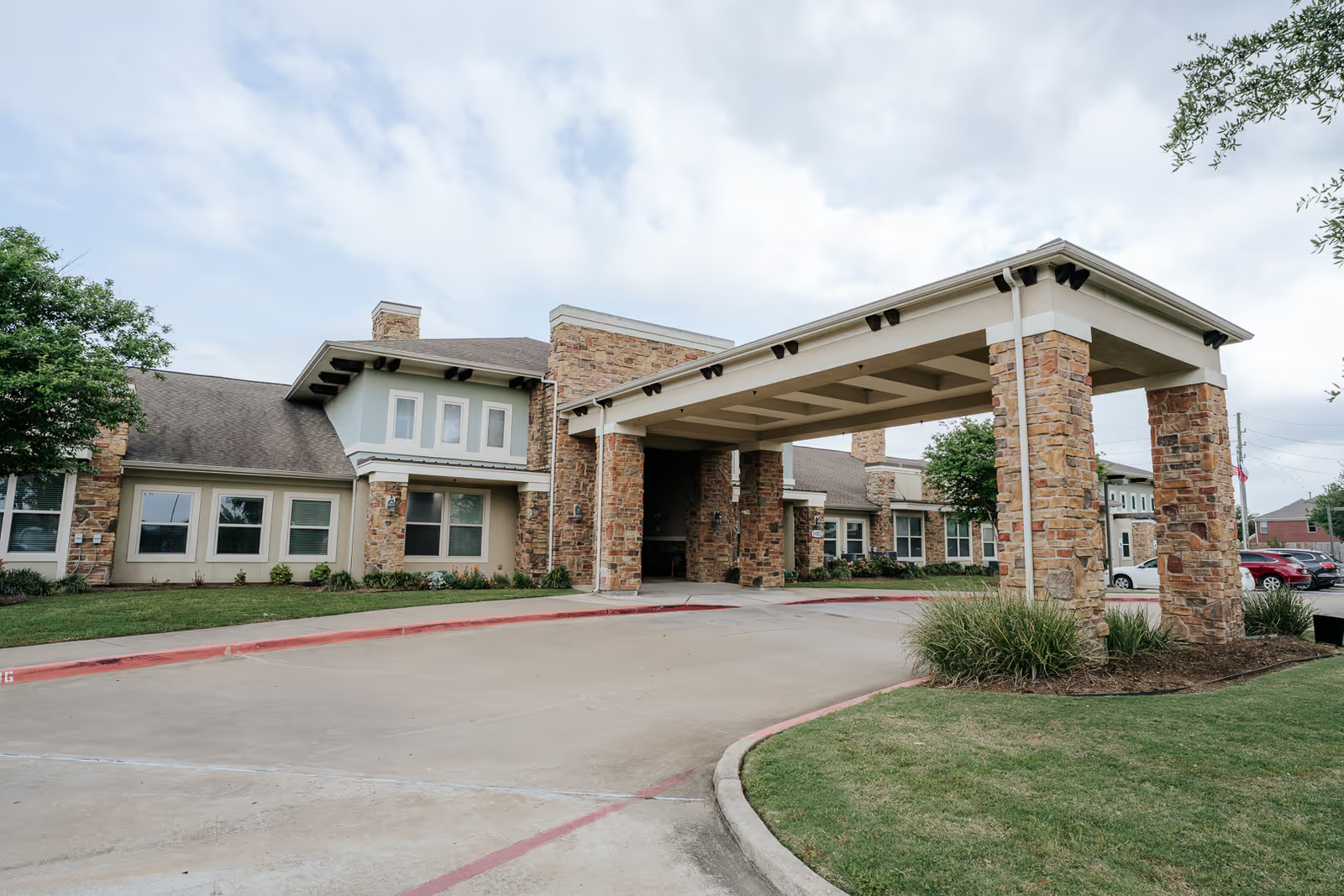
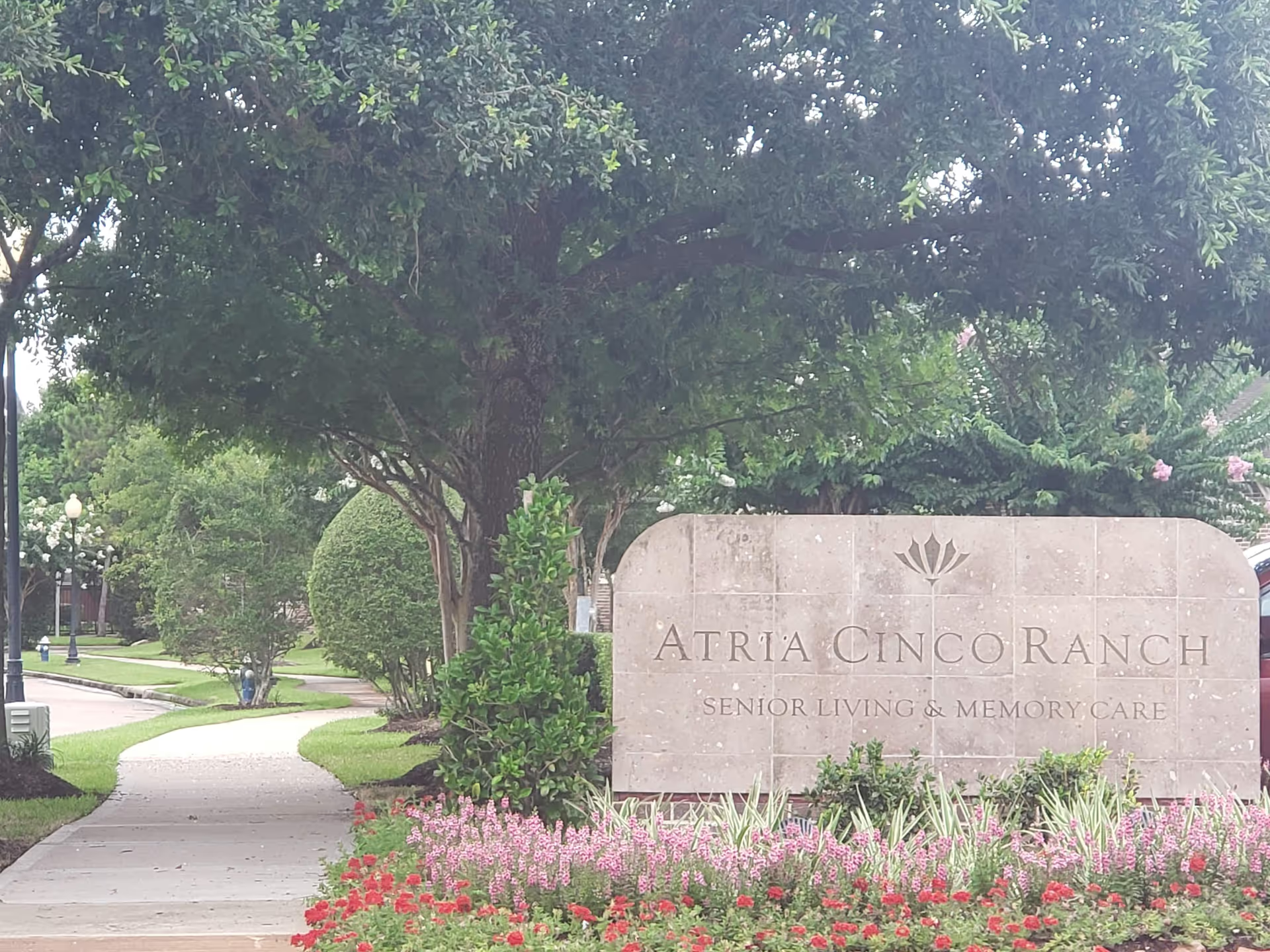
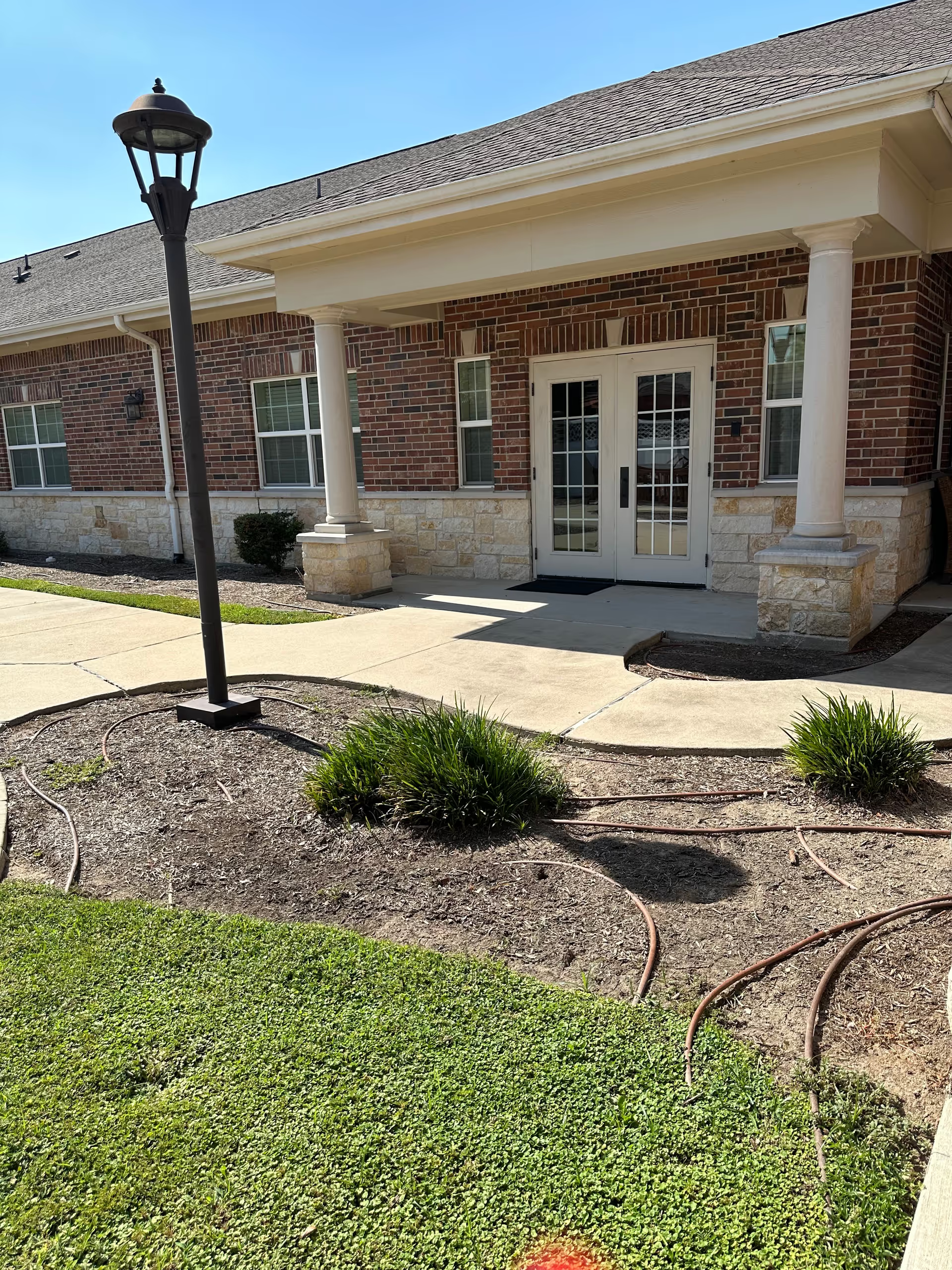
Overall impression Evergreen Cottages Magnolia is presented as a small, home-like community with a clean, well-maintained physical environment and a range of engaging social and therapeutic activities. Review content emphasizes compassionate, attentive caregivers, a welcoming culture described as family-like, and spaces that feel bright and comfortable — including well-designed resident rooms, open dining/living areas, and attractive outdoor landscaping. Several accounts note active owner/management involvement and proactive outreach to families, including online family meetings.
Care and staff Many families praised staff for warmth, patience, and responsiveness; admissions and transitions are characterized as smooth and staff are often described as solution-oriented. Positive accounts include attentive end-of-life support and individualized attention that made residents feel like family. Balancing those positives, reviewers also describe operational challenges: persistent staffing shortages and turnover that can leave staff stretched, occasional lapses in responsiveness when caregivers are preoccupied, and concerns about the tone of staff communication in some interactions. There are also comments suggesting uneven medication administration practices; this points to a need for clearer medication-management protocols and oversight.
Dining Descriptions of dining are mixed. Several reviewers praise home-style, enjoyable meals and a welcoming dining environment. Conversely, other accounts describe instances of cold or prepackaged food, menus that do not match served items, and food-safety or sanitation concerns. These conflicting impressions suggest variability in meal preparation and service practices; prospective families should observe mealtimes and ask about kitchen staffing, menu planning, and food-safety procedures.
Activities and amenities Activity programming is a consistent strength in the reviews: arts and crafts, music, therapy-dog visits, and craft projects are mentioned specifically, and residents benefit from frequent group and one-on-one offerings. Facility design elements (lobby, conference room, open dining/kitchen, and private rooms) and outdoor features (waterfall, flower beds) support social engagement and comfort. The small size of the community is repeatedly framed as facilitating closer relationships among residents and staff.
Management and operational patterns While owner and some management involvement receives positive mention, there are recurring calls for stronger quality assurance and clearer clinical oversight. Reviewers request clarity about on-site clinical staffing (nurse/physician presence), dietitian involvement, licensing documentation, and regular inspections. Several comments indicate an operational tendency to rely on family members to escalate or resolve issues, which points to gaps in internal problem-resolution systems. Communication barriers — including language differences — and inconsistent staffing amplify these operational weaknesses.
Notable patterns and guidance for families The overall pattern is one of high relational quality (compassionate staff, warm atmosphere, engaging activities) combined with operational variability (staffing consistency, meal-service reliability, medication processes, and management oversight). Prospective residents and families would benefit from in-person observations and targeted questions: ask about current staffing ratios and turnover, medication-administration protocols and auditing, kitchen staffing and food-safety procedures, formal clinical coverage, memory-care access and criteria, and the facility’s complaint-resolution and quality-assurance processes. Observing a mealtime, visiting during an activity, and speaking with both management and front-line staff will help verify whether the day-to-day operations align with the positive aspects described.