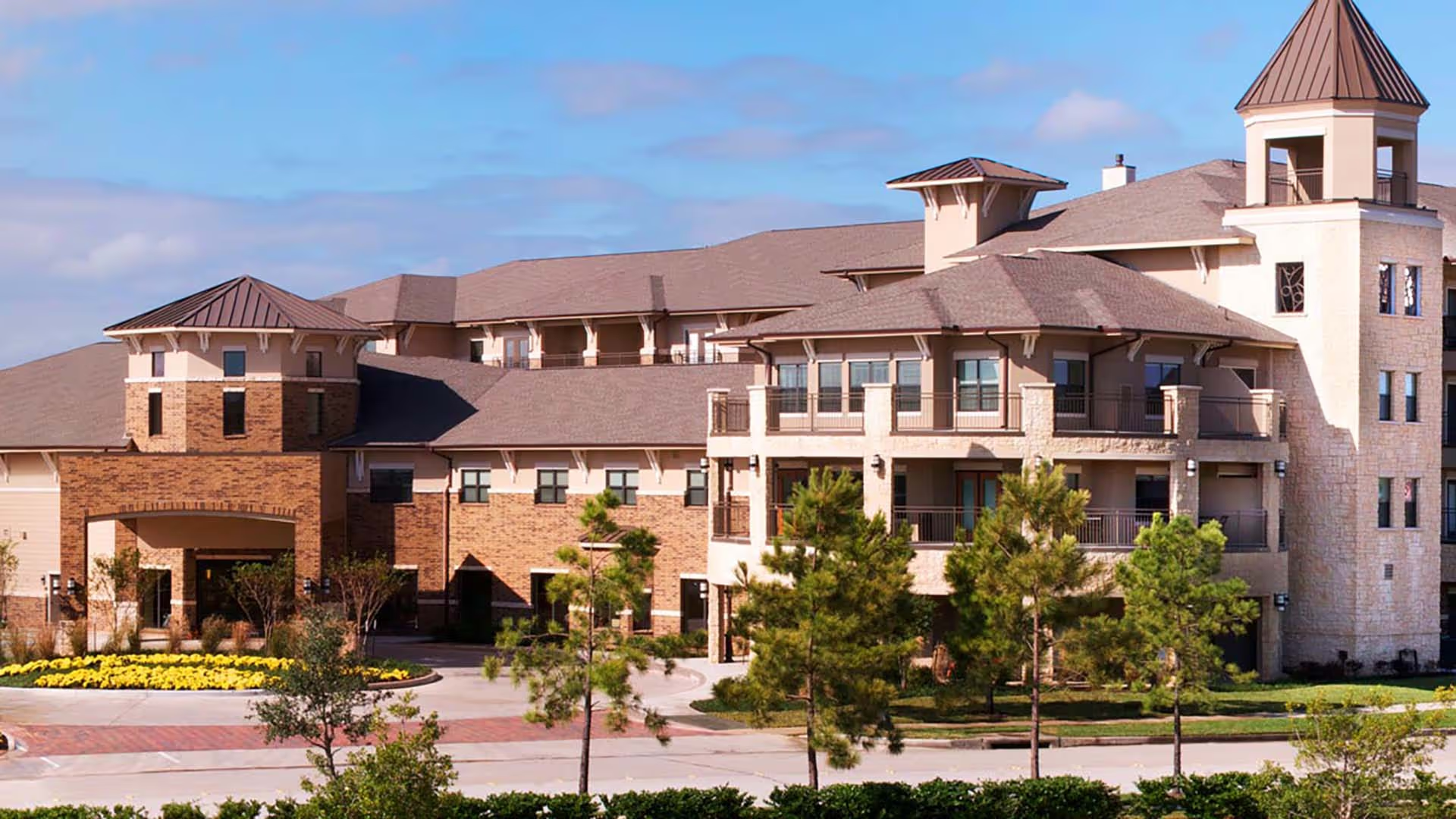
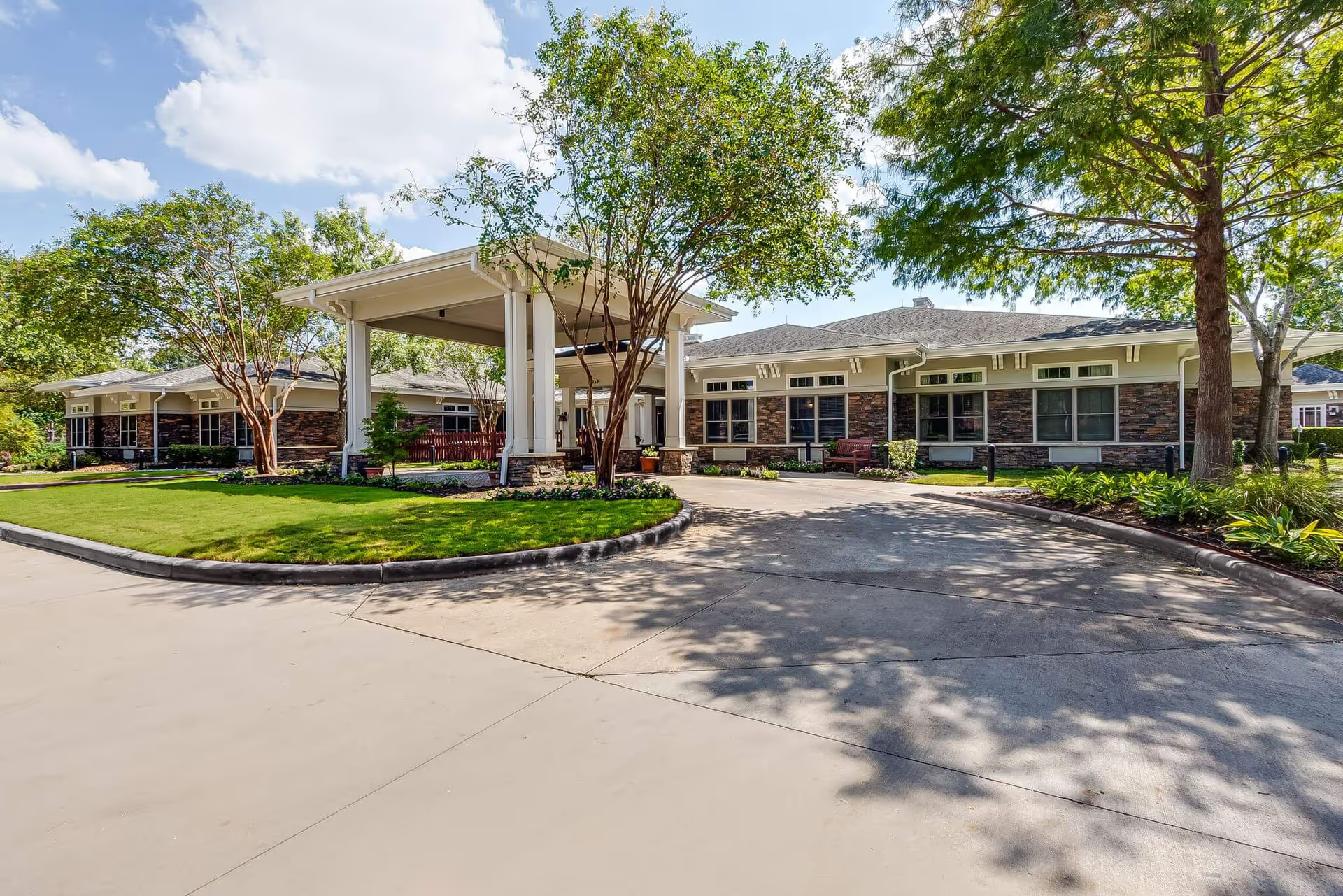
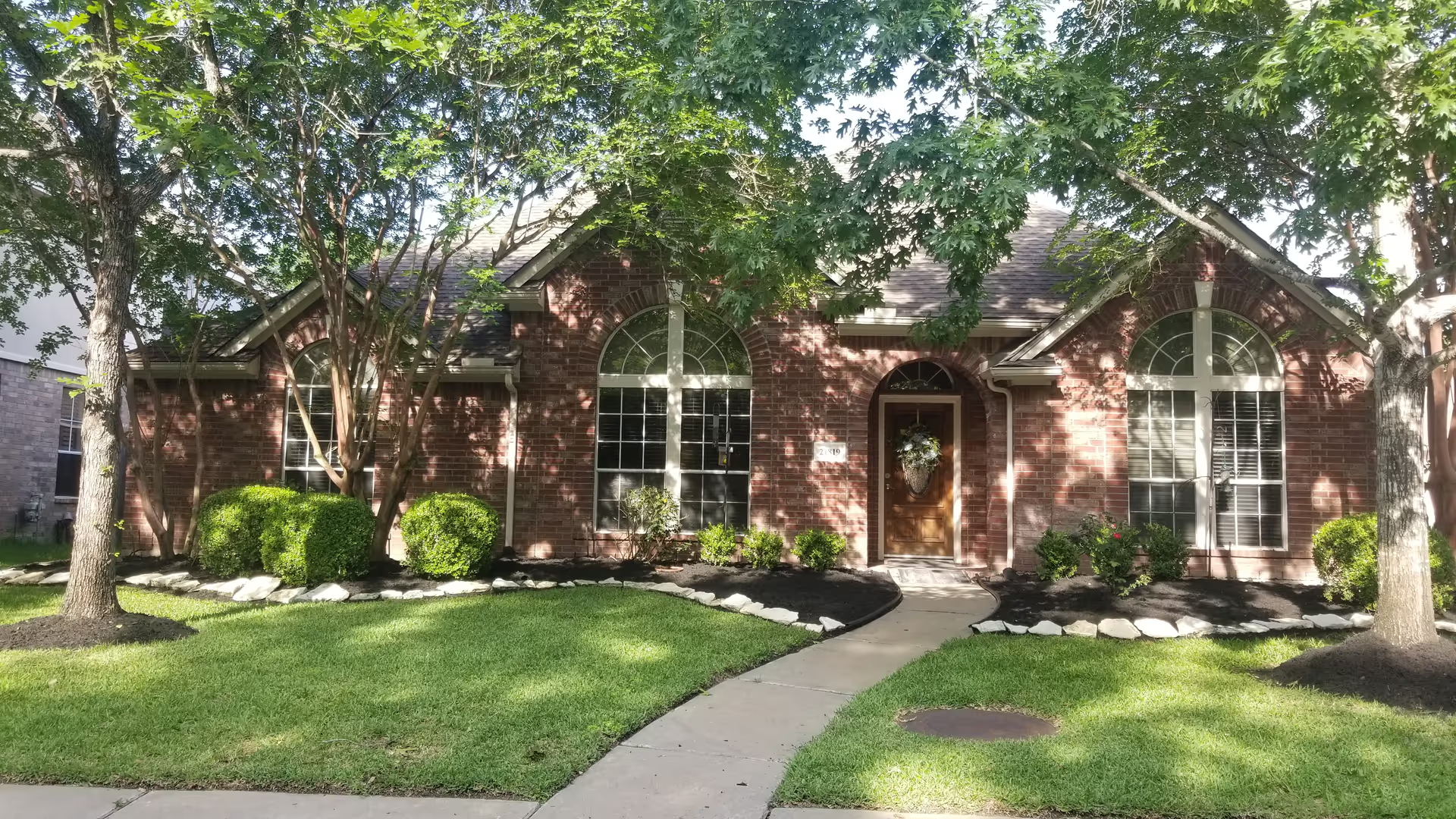
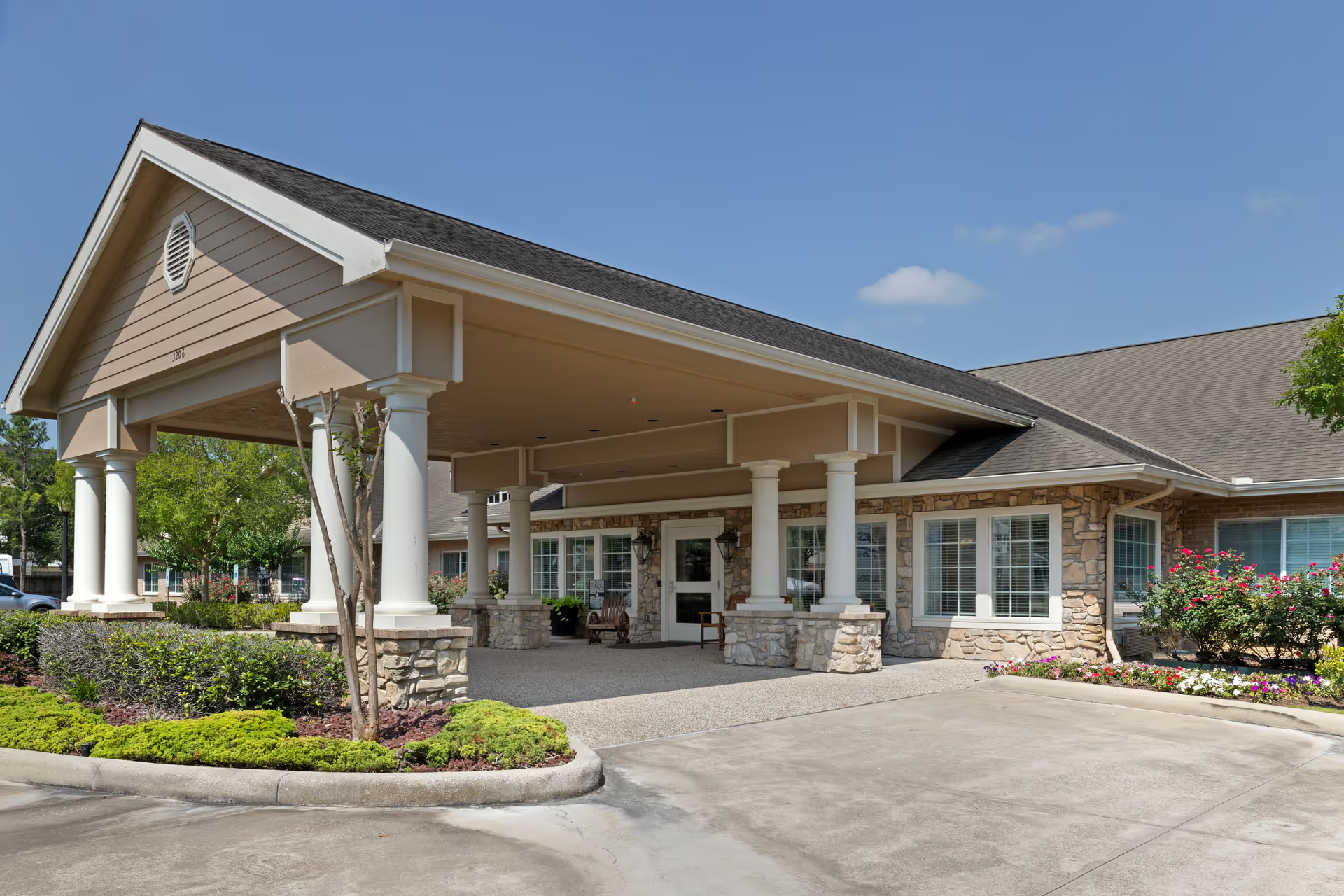
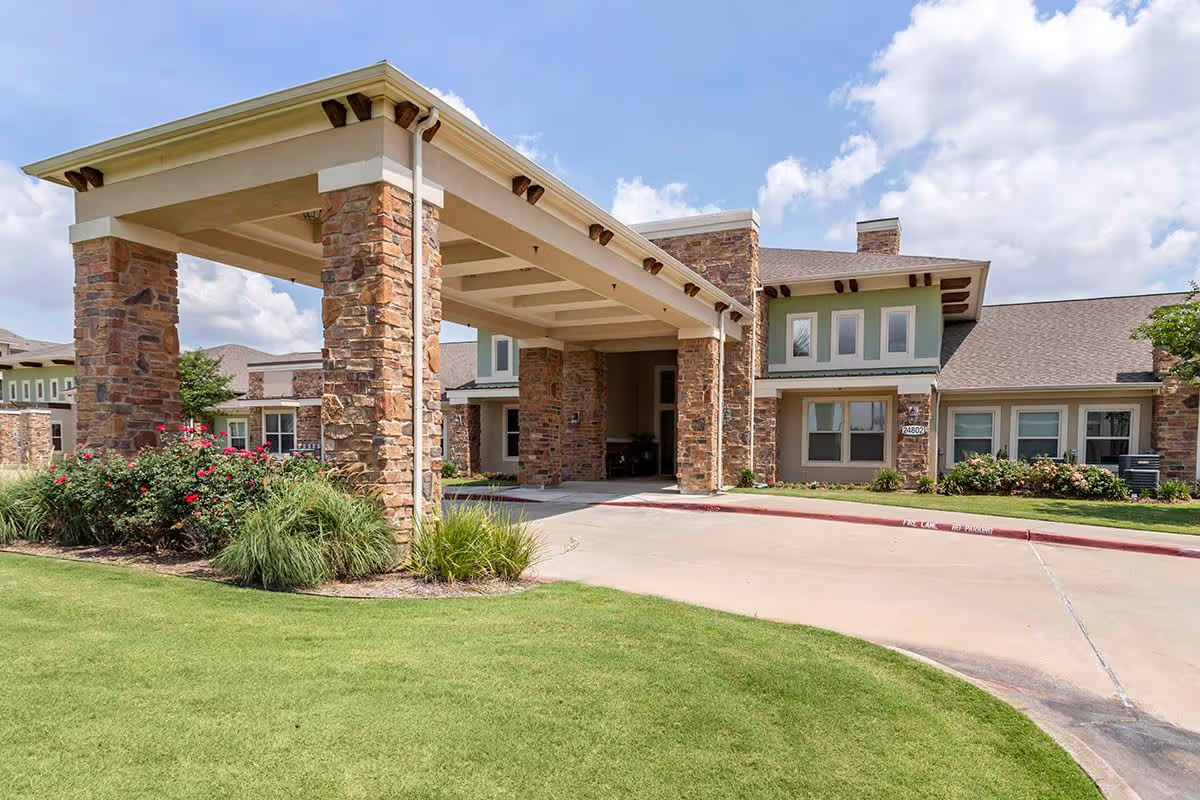
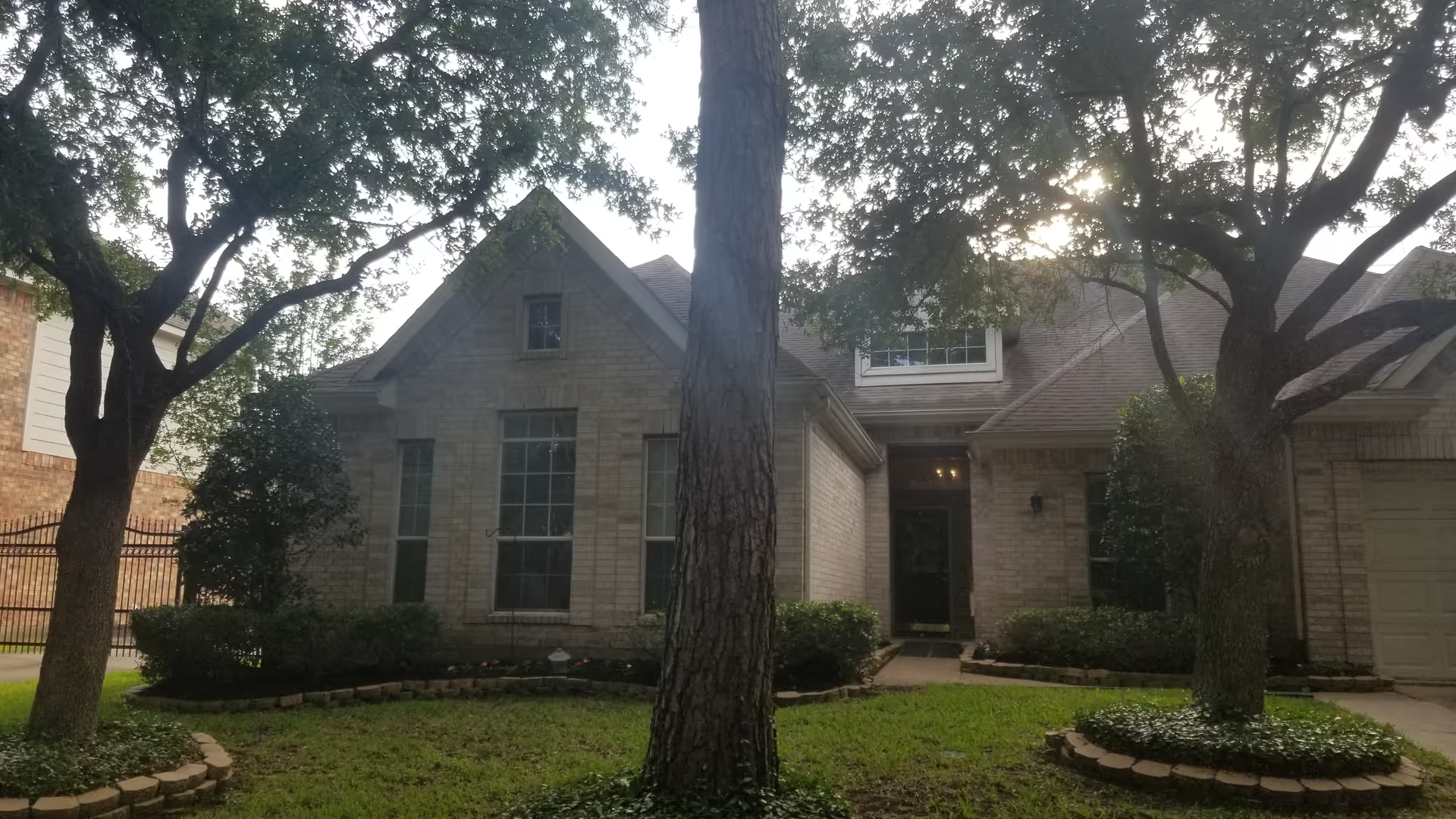
Willow Fork Alzheimer's Special Care Center is consistently described as a bright, home-like memory-care community with a strong emphasis on compassionate, dementia-focused caregiving. Reviewers commonly praise the warmth of front-line staff, individualized redirection techniques, and several named med techs and nurses who provide attentive day-to-day care. The facility’s physical environment — ample natural light, well-decorated common rooms, courtyards, and a home-style dining area — is frequently highlighted as supportive for residents with memory impairment.
Clinical and caregiving strengths include staff members who are knowledgeable about dementia care, hands-on nursing that communicates with families, and personalized memory-care levels. Many families cite effective social stimulation: organized activities such as arts and crafts, music, yoga, bingo, and family social nights that foster engagement. Backup power and emergency-preparation capabilities have reassured families during weather events. Food quality is generally viewed favorably, with multiple mentions of nutritious and tasty meals and a pleasant dining atmosphere.
At the operational level there is variability. Several reviews point to staffing shortages and uneven staffing patterns that can affect activity delivery, housekeeping, and responsiveness at certain times. Related concerns include inconsistent housekeeping and laundry processes, and limitations on private-room availability. A small number of accounts describe delays or shortcomings in clinical incident response and family communication during crises; abstracted to a facility trait, this suggests gaps in protocols for urgent clinical events and post-incident family notification.
Management and leadership are described positively in many accounts — families cite engaged directors and supportive administrative teams — but turnover and transitional periods were also noted and appear to have contributed to inconsistent experiences for some families. Medication and daily-care plan changes were occasionally described as challenging to manage, indicating variability in clinical coordination.
In short, Willow Fork offers many of the attributes families look for in dementia-specialized care: an inviting physical environment, engaged and compassionate caregivers, structured social programming, and an affordable value proposition. Prospective families should balance those strengths against evidence of operational variability — particularly staffing consistency, housekeeping, and crisis-response protocols — and are advised to tour the community, ask about current staffing and leadership stability, review clinical-incident and communication procedures, and confirm room availability before placement.