The reviews present a mixed picture of Pegasus Landing of Forney: many families praise the facility’s compassionate caregivers, smaller-community atmosphere, and active social programs, while others describe operational gaps that have affected day-to-day resident experience. Positive elements that recur include attentive nursing leadership at times, friendly reception staff, communal dining and group activities that promote social engagement, and private apartment-style units with accessible outdoor space. Several reviewers also highlighted successful hospice support and recent renovations to communal areas.
Care quality and staffing are uneven themes. Reviewers often note warm, dedicated direct-care staff who go above and beyond, and some long-tenured nurses and strong activity directors are singled out. At the same time, the facility appears to struggle with high staff turnover and reliance on agency or temporary personnel. Reviewers link understaffing to delayed responses, gaps in supervision (especially evenings/nights), and inconsistent continuity of care. Related clinical concerns include irregular medication-management processes and occasional lapses in pharmacy communication; these items are areas families should clarify during intake and tour conversations.
Dining and activities receive both positive and negative comments. Many residents enjoy communal meals, regular events (bingo, puzzles, scenic outings), and recent upgrades to shared spaces that support social life. Conversely, other families report variable food quality, limited menu variety, and nutritional concerns for some residents. Memory-care programming appears adequate for residents with mild cognitive impairment but is described by some as under-resourced for more advanced dementia; activity staffing and engagement in memory units are cited as inconsistent.
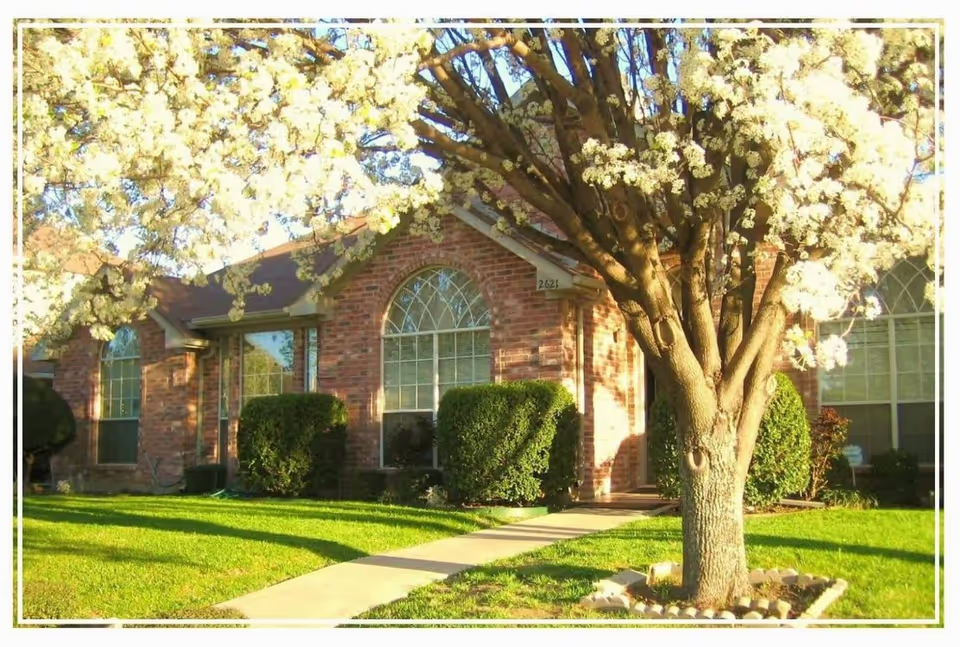
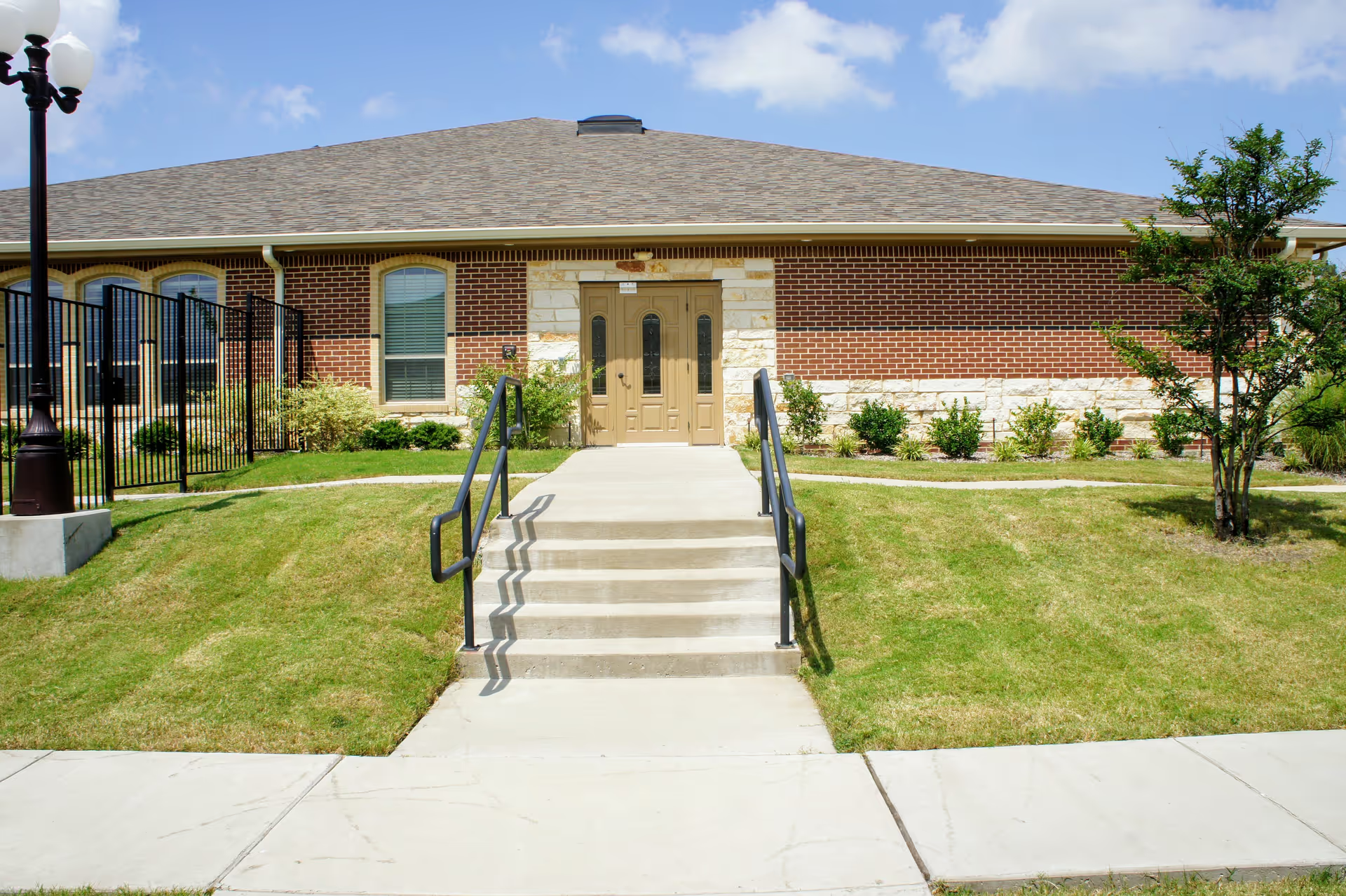
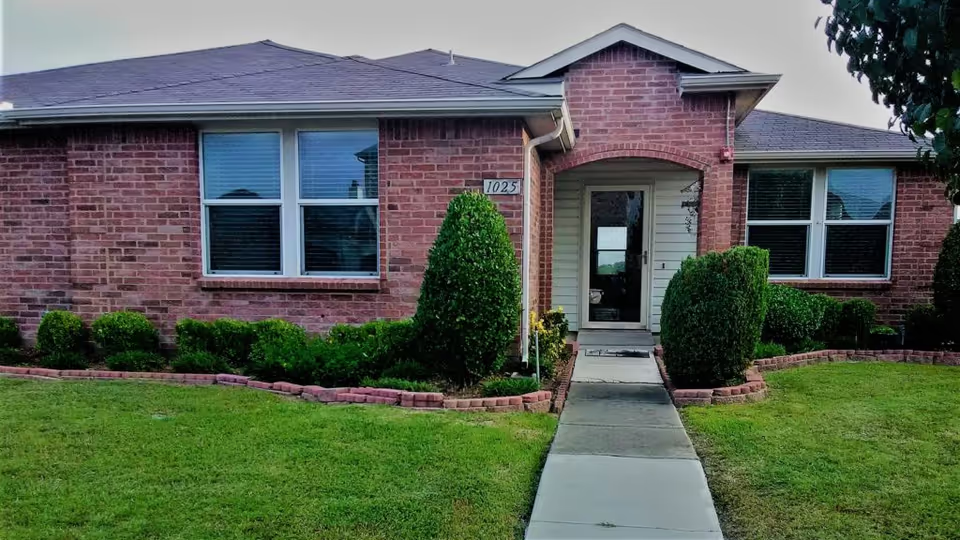
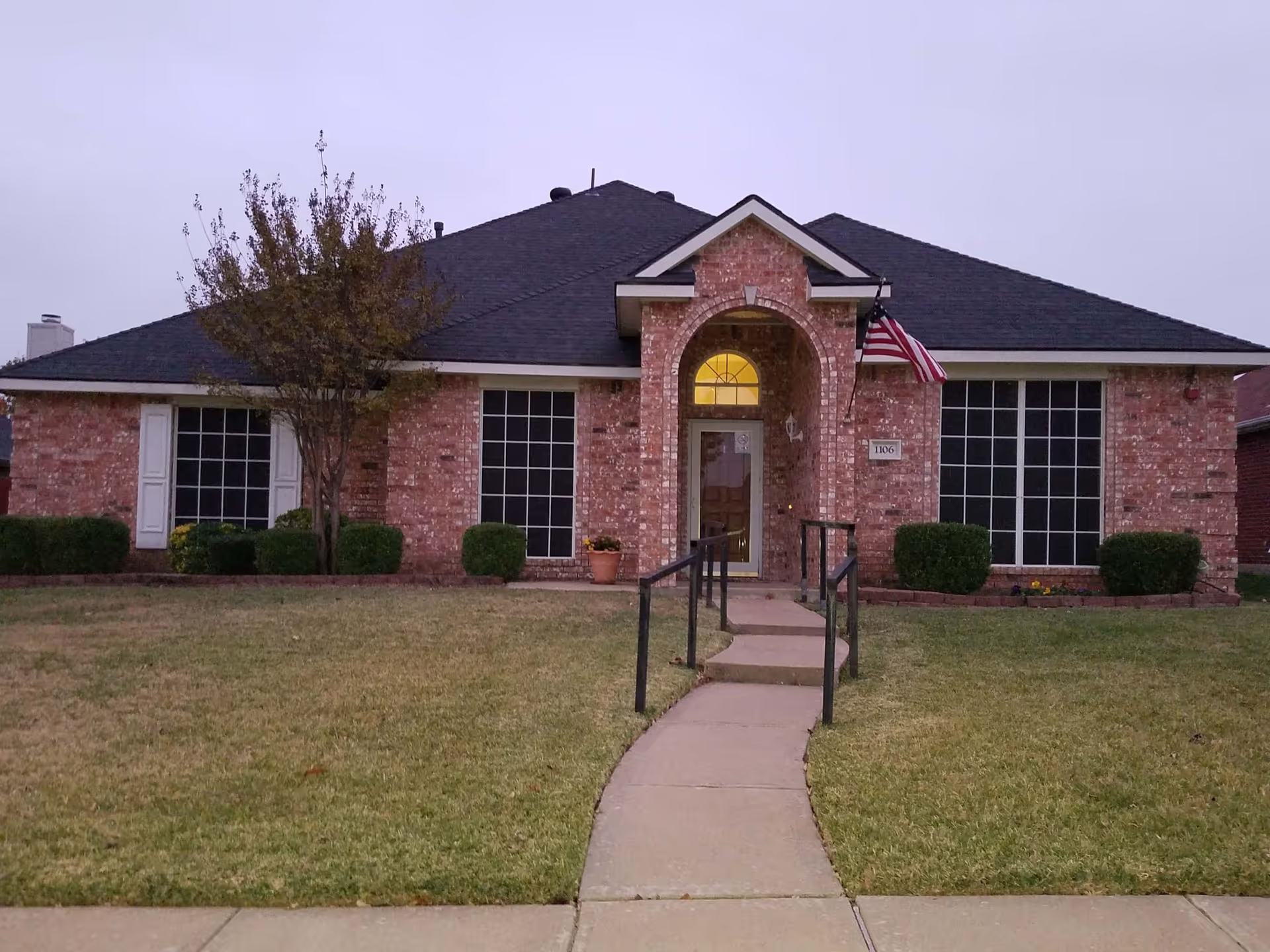
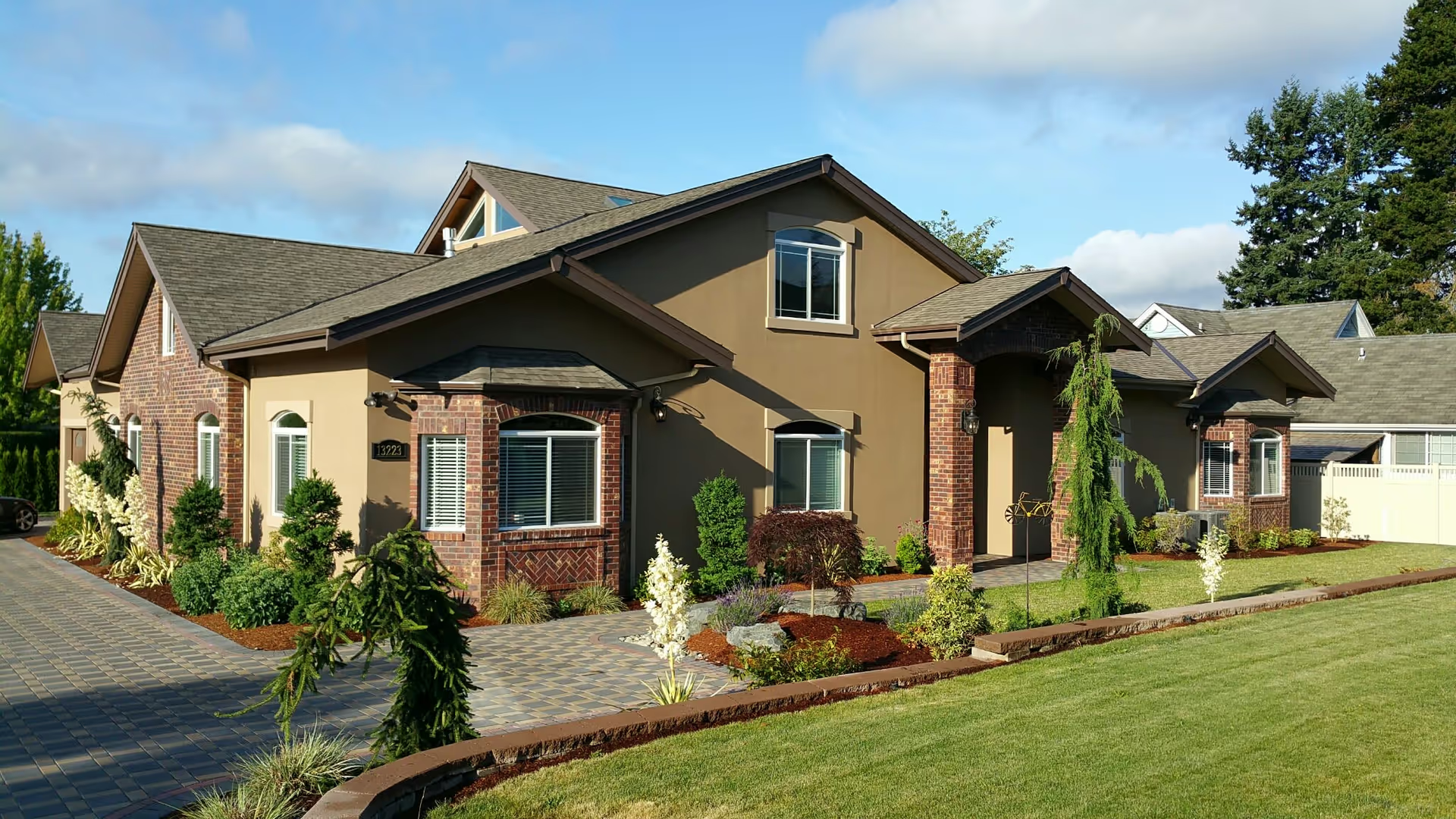
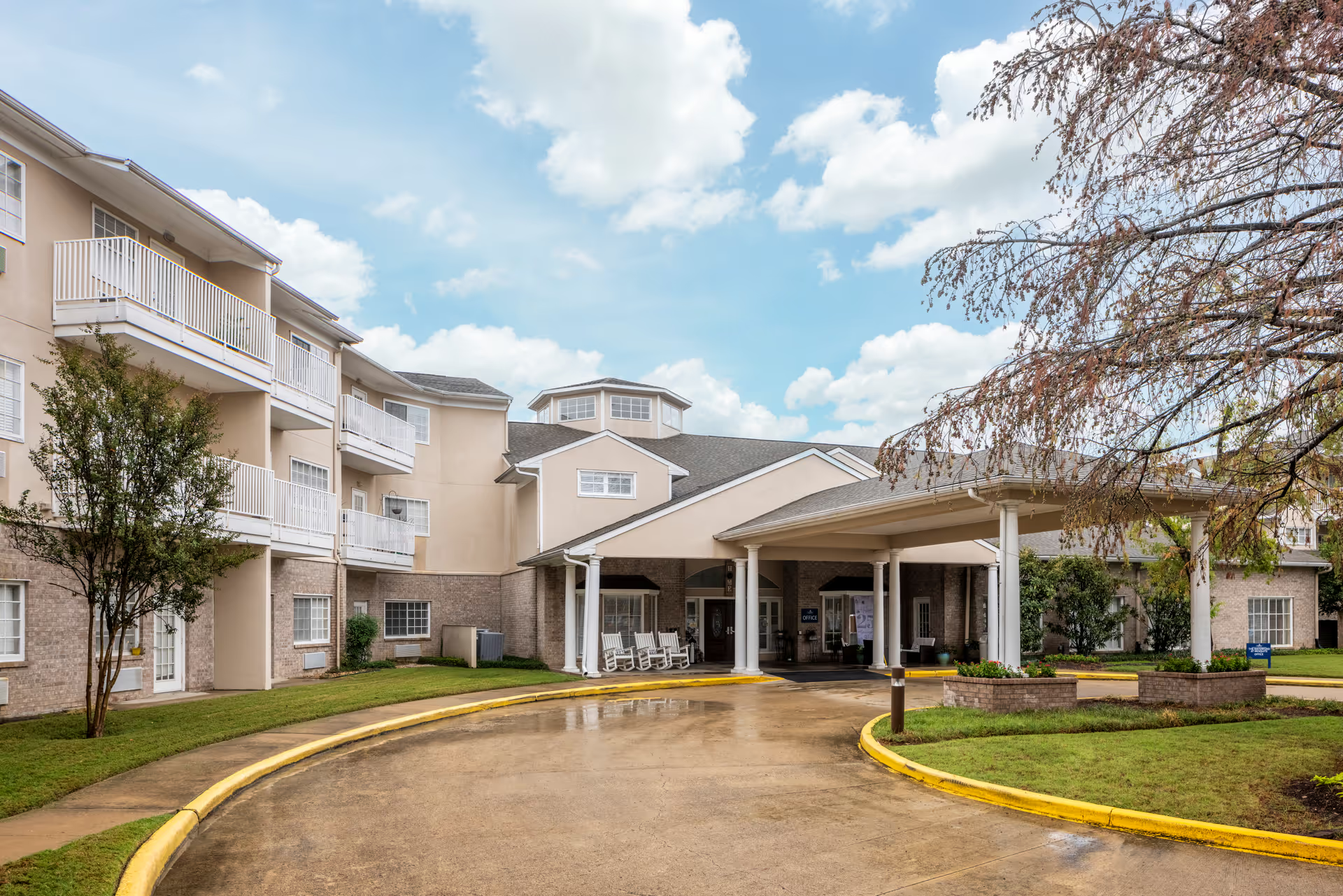
Facility condition and housekeeping are similarly mixed. The community’s physical appearance and landscaping are praised in multiple accounts, and several reviews describe clean and welcoming main common areas after renovations. However, there are recurring sanitation concerns in specific bathrooms and hallways, inconsistent room-cleaning schedules, laundry-service interruptions, and unresolved maintenance requests (plumbing, lighting, carpeting fray). These operational maintenance and housekeeping inconsistencies have tangible effects on perceived value and comfort.
Management, billing, and communications emerge as an important pattern. Multiple reviews reference ownership or leadership changes that coincided with service deterioration, slow responsiveness to family complaints, and difficulty obtaining promised refunds or resolutions. Communication gaps include irregular front-desk coverage, unclear scheduling for visiting clinicians, and variable follow-through on care-plan changes. There are also concerns about staff conduct and the security of resident belongings and records; one review set includes an allegation of missing items and withheld records, which families should probe further with management and during any regulatory or contract review.
Recommendation and next steps for families: the facility offers strengths in personal caregiver relationships, community size, and some upgraded amenities, but operational weaknesses — particularly around staffing consistency, housekeeping, medication administration, and management responsiveness — should be investigated directly. When evaluating Pegasus Landing, ask for current staffing ratios by shift, turnover metrics, medication-administration protocols, laundry and housekeeping schedules, specific memory-care programming and staffing levels, documented maintenance-response times, and written policies on billing/refunds and resident property/records. A focused tour that confirms staffing presence at multiple times of day, a meal sample, and conversations with both the activities director and nursing leadership will help determine whether the community’s current operations meet your relative’s needs.