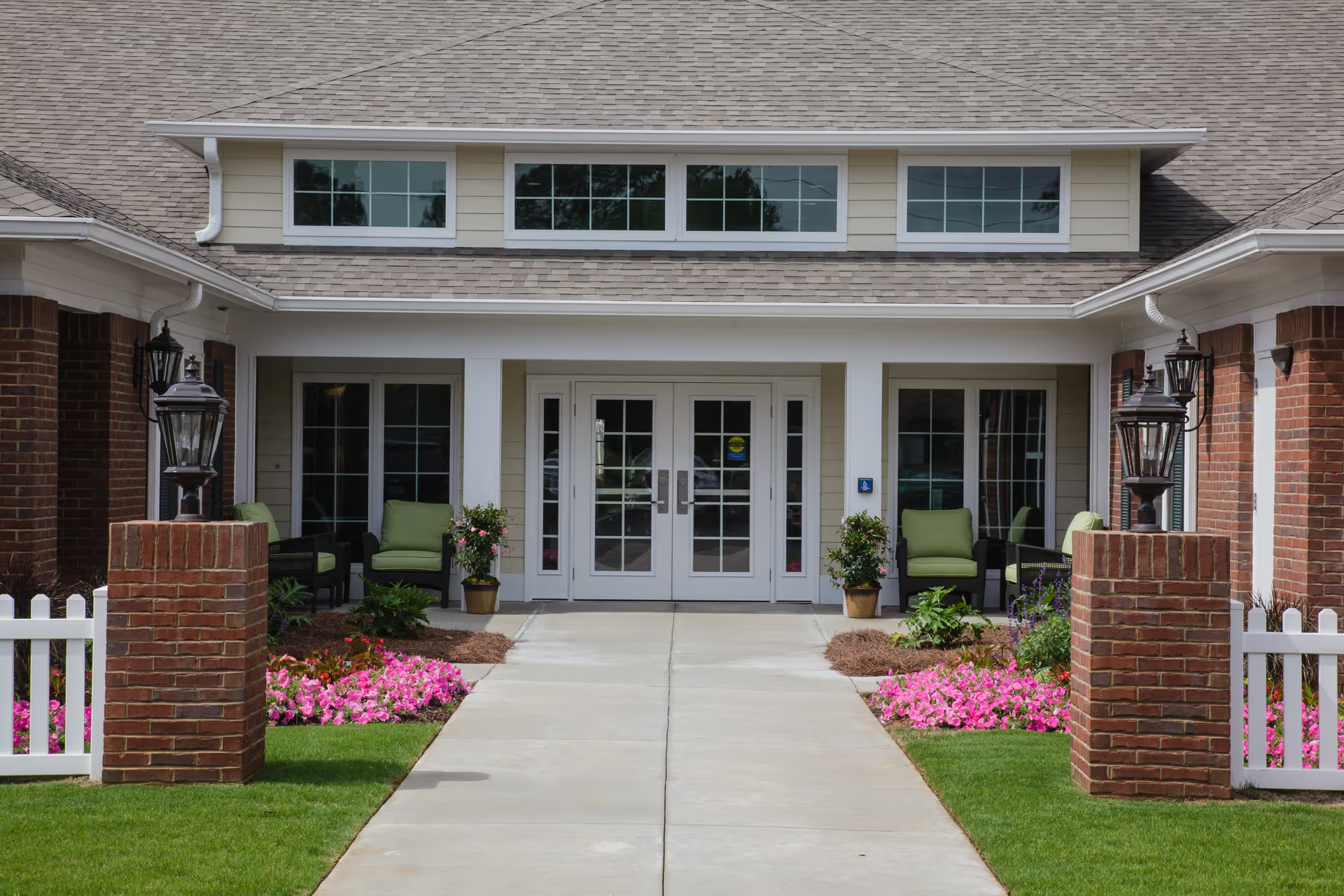
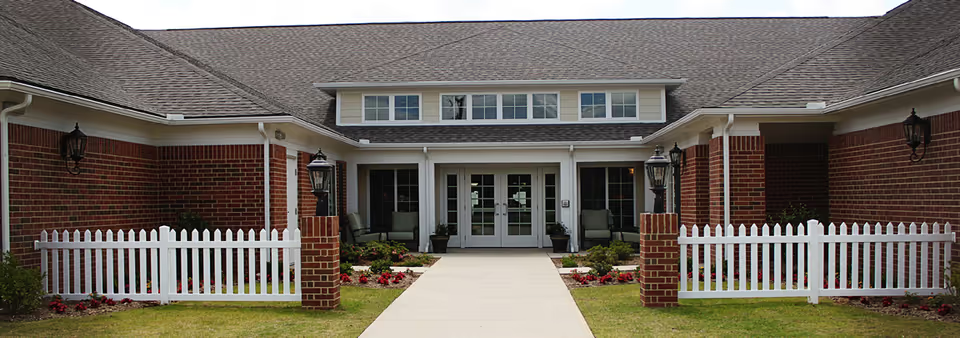
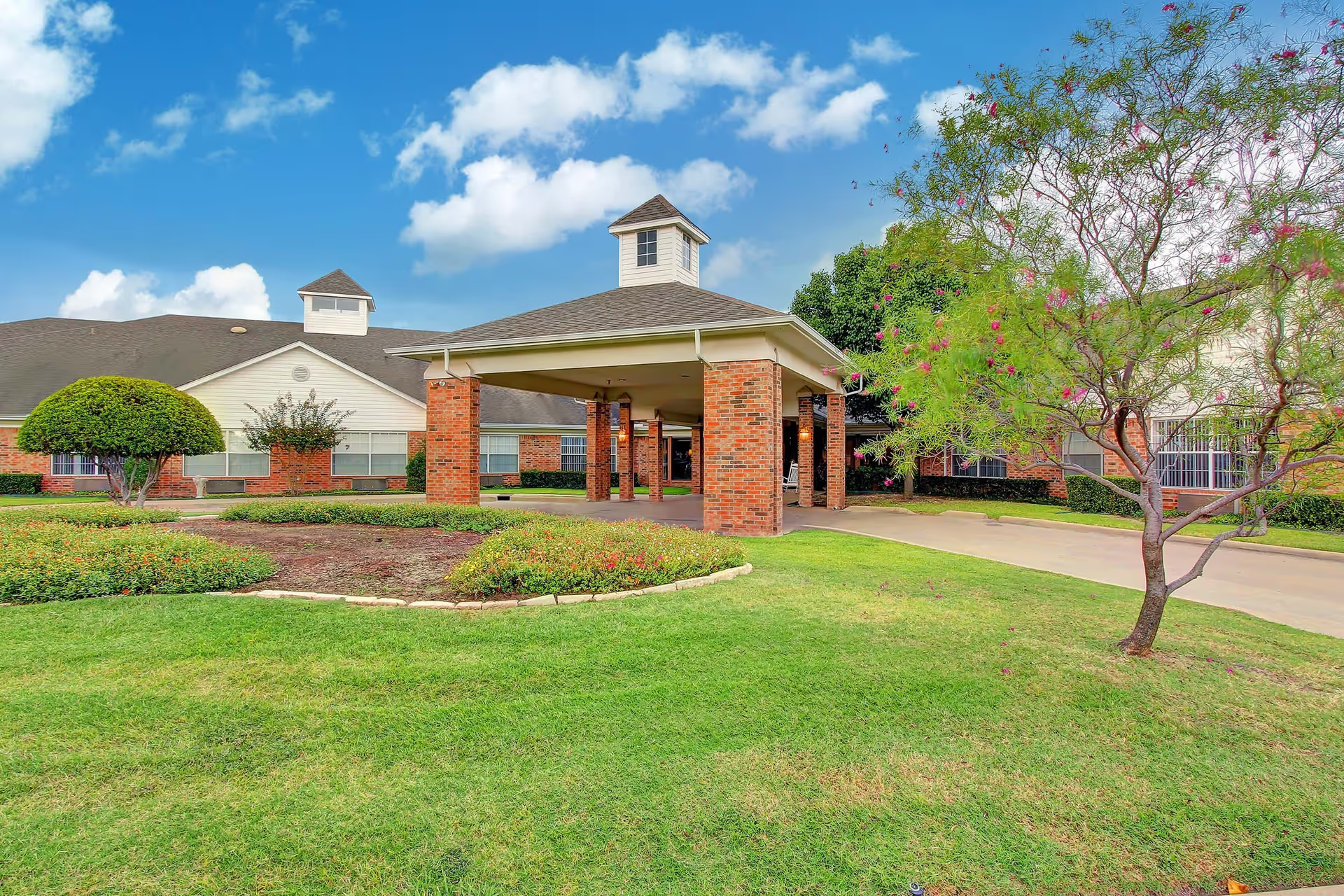
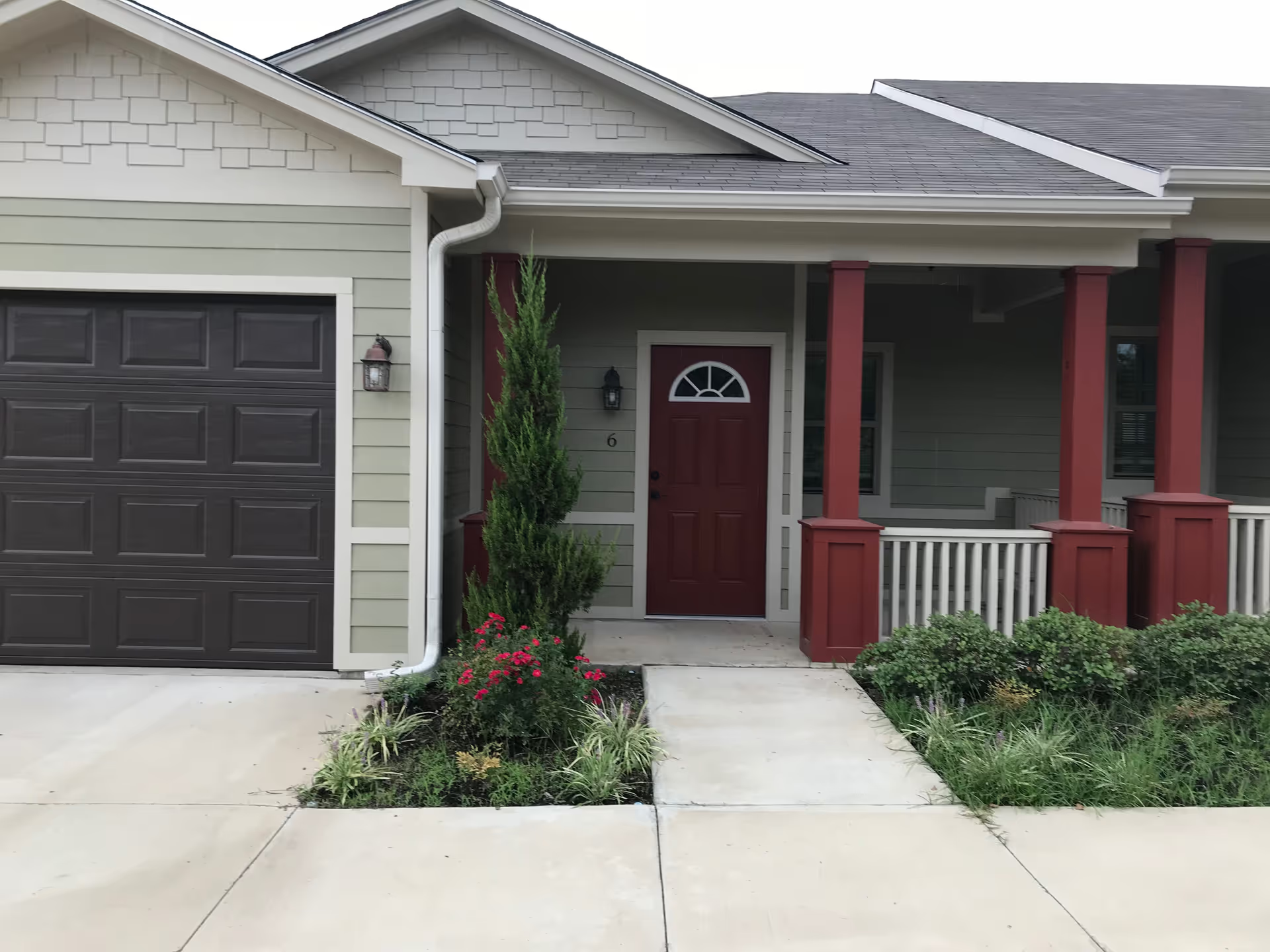
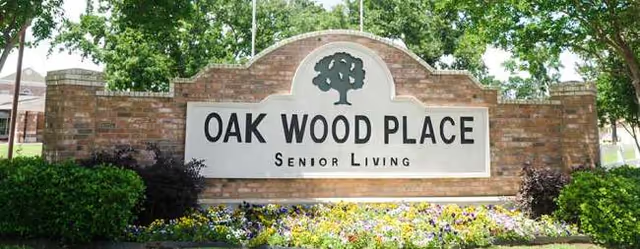
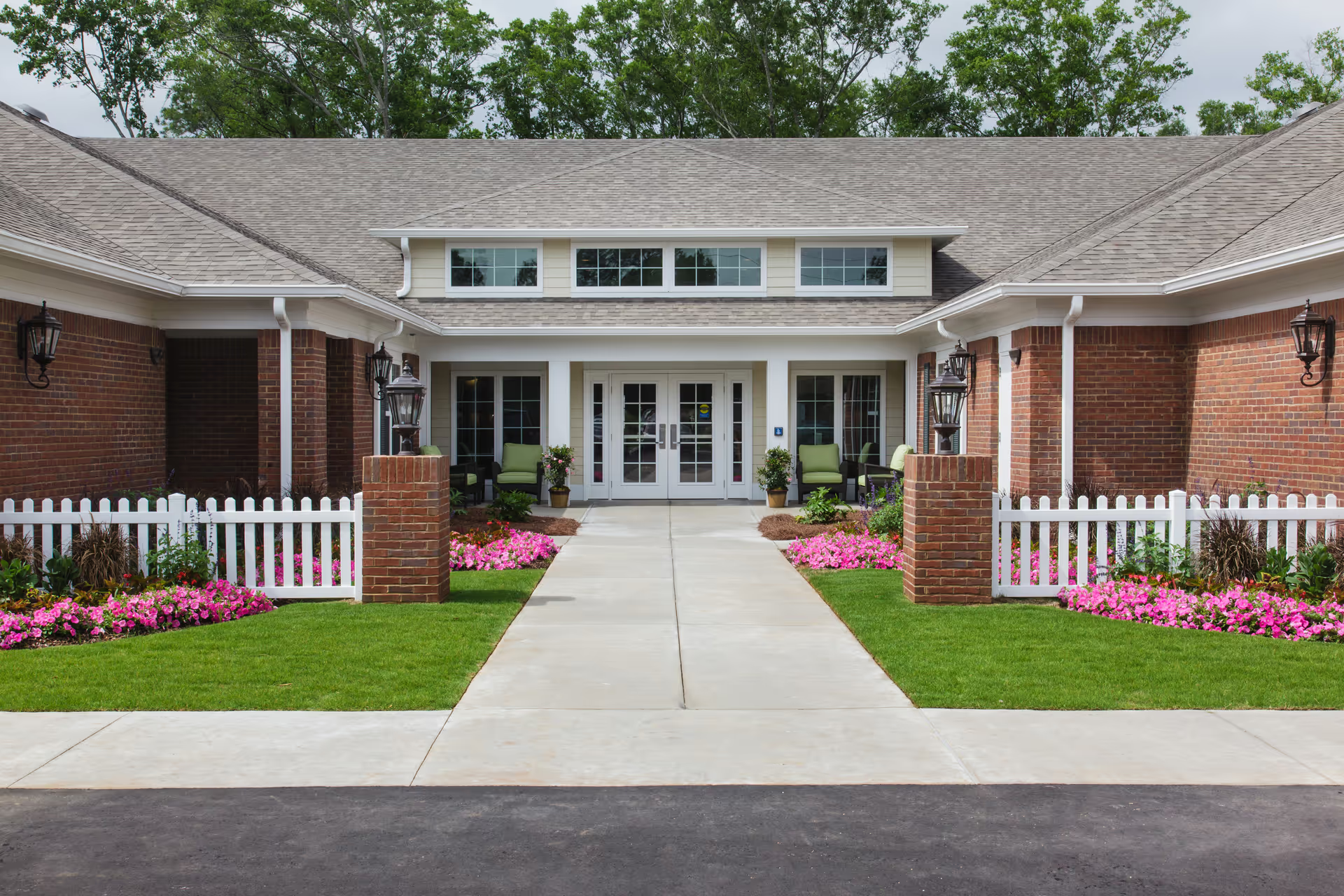
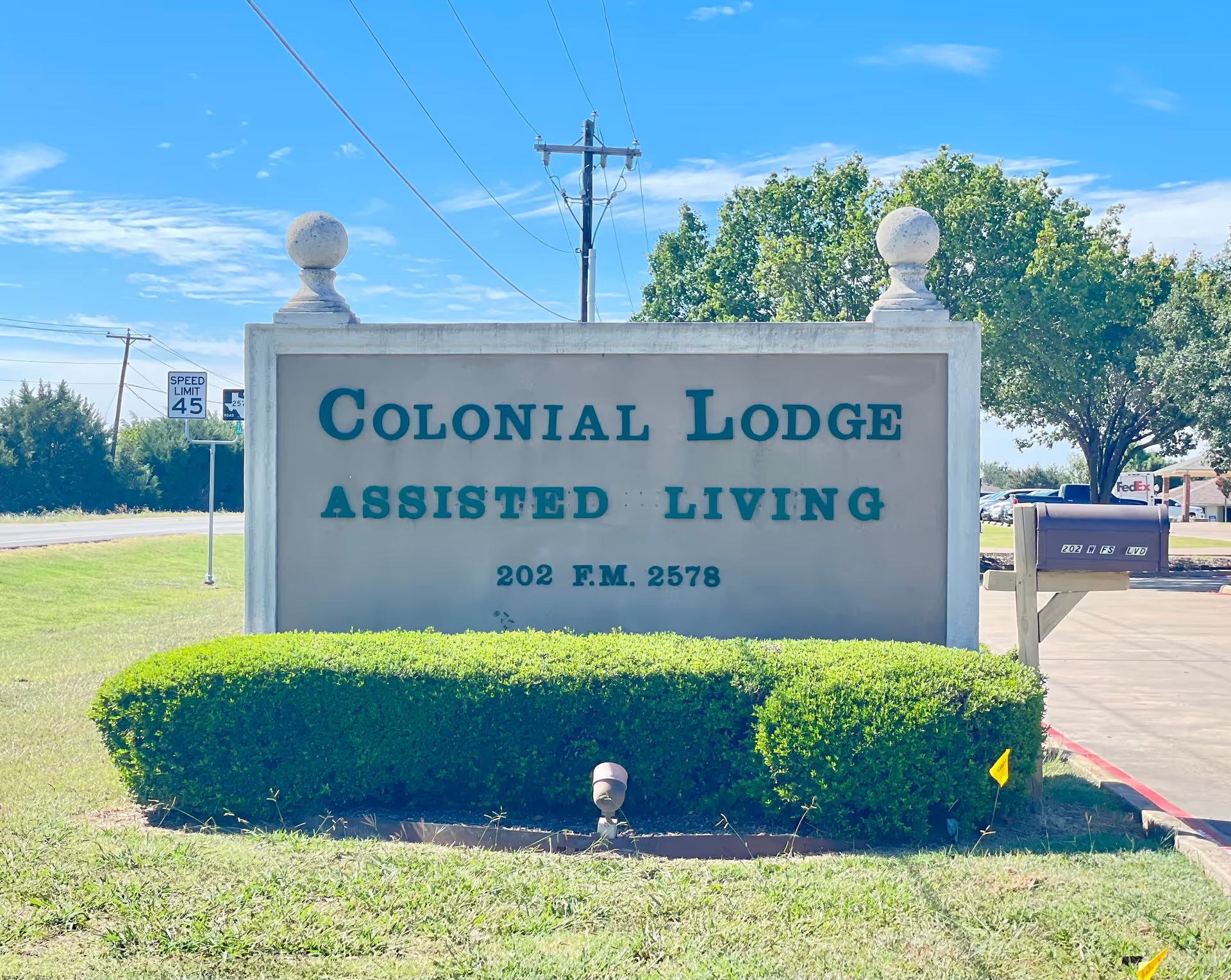
The reviews for this facility are distinctly mixed, with a clear bifurcation between families who describe a well-run, comfortable environment and others who raise serious operational and safety concerns. Positively, many families describe a clean, quiet building with comfortable rooms and pleasant common areas. Dining receives frequent praise for palatability and consistency, and the activities program — including crafts, outings, bingo, and social programs — is highlighted as engaging and resident-focused. The facility has an organized Alzheimer’s/dementia unit described as secure, and families often comment on an overall sense of community and family-owned culture.
Staff-level feedback also splits. Numerous accounts emphasize warm, attentive caregiving, personable interactions, and strong morale: caregivers and office managers are described as responsive and personable, and reviewers commend visible administrative and nursing leadership. These statements are reinforced by references to effective management and a favorable state survey outcome, which together suggest that the facility can provide well-coordinated, resident-centered care in many cases.
Counterbalancing these positives are a set of significant concerns that point to systemic operational weaknesses rather than isolated service preferences. Several accounts identify problems consistent with lapses in medication-management processes and clinical incident response, including fall-related injuries. There are also concerns about staffing qualifications and oversight, including use of inadequately supervised personnel. Financial- and property-safeguarding practices are questioned, and at least some families described situations that imply potential financial exploitation; these allegations warrant careful review by prospective families and regulators.
Related themes include constrained transfer and discharge procedures and inconsistent informed-consent practices. Some families report difficulty arranging transfers or changes in placement, and others describe instances where decision-making and consent processes felt unclear or inadequately documented. Communication tone and staff–family interactions are another recurrent issue: while many describe respectful, compassionate staff, some reports indicate communication that families found intimidating or dismissive, and a perceived lack of safe channels for raising concerns.
Taken together, the pattern is one of polarization: the facility demonstrates clear strengths in environment, dining, activities, and certain aspects of leadership and nursing, and it can deliver a positive resident experience. At the same time, the more serious operational issues identified — medication oversight, staffing qualifications, property/financial controls, transfer procedures, consent safeguards, and incident-response culture — are important risk areas. Prospective residents and families should weigh both sides, confirm current regulatory and licensing records, and ask targeted questions about medication protocols, staff credentials and supervision, property-security measures, transfer/discharge policies, incident reporting procedures, and how family concerns are investigated and resolved.