Overall impression: Reviews reflect a facility with strong clinical strengths and a warm, family-oriented culture alongside intermittent operational weaknesses. Many families and visitors emphasize consistently compassionate caregiving, a welcoming environment, and specialty clinical skills (notably wound care and rehabilitation). At the same time, several critiques point to recurring service-delivery issues that prospective families should evaluate directly.
Care quality and clinical programs: The facility receives frequent praise for nursing compassion, dedicated aides, and effective therapy services. Wound-care expertise and rehabilitation programs oriented toward restoring independence are cited repeatedly, and multiple individual staff members (nurses, CNAs, wound-care clinicians, and therapists) are singled out for exemplary performance. These positives suggest reliable clinical capability, particularly in post-acute rehabilitation and chronic wound management.
Staff, teamwork, and culture: A dominant theme is strong teamwork and a personal, family-like approach to residents. Reviewers commonly describe staff as respectful, attentive, and invested in residents’ wellbeing; several named clinicians and leaders are noted for approachability and advocacy. This environment appears to support consistent interpersonal care and resident-centered activities.
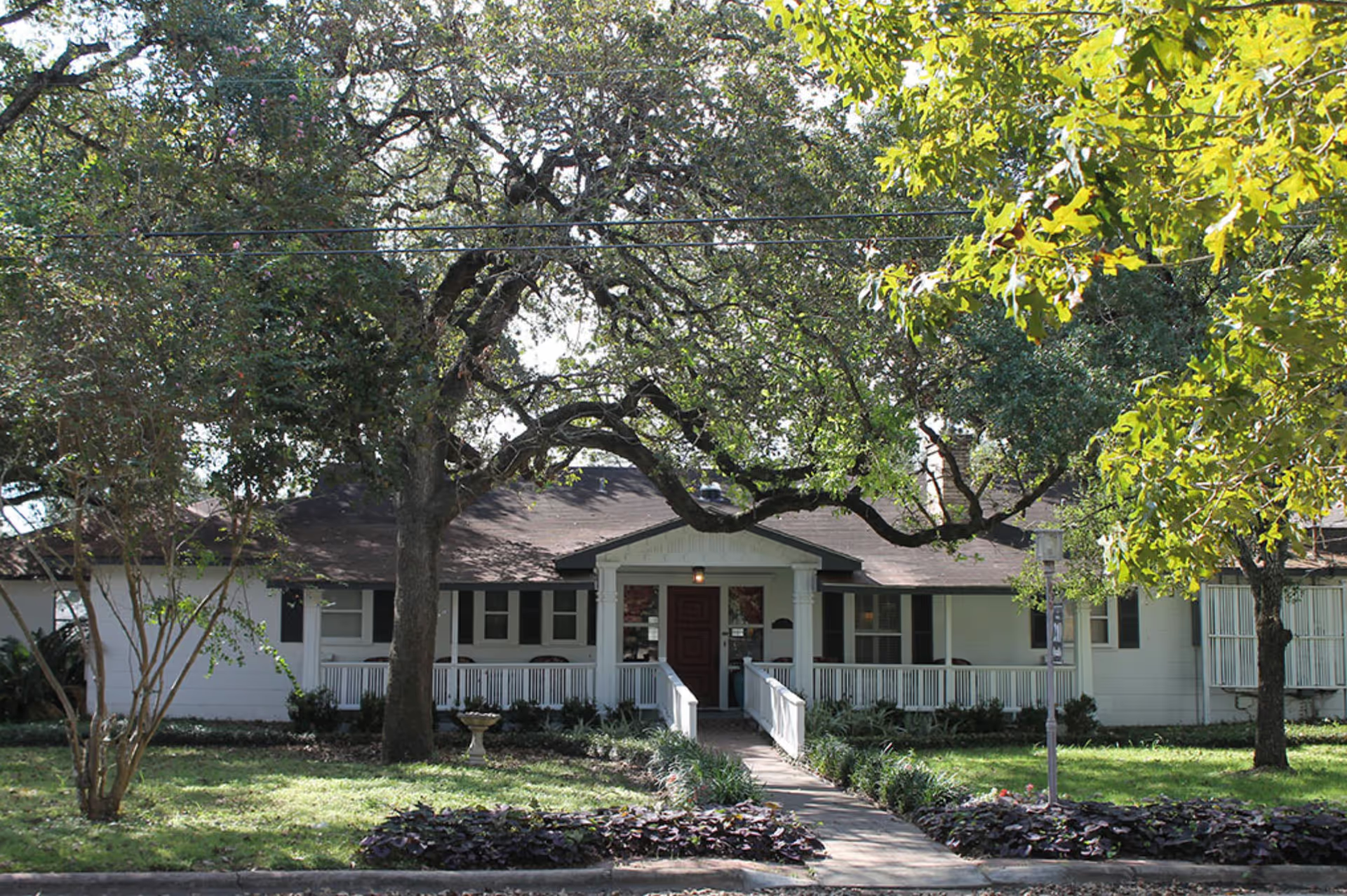
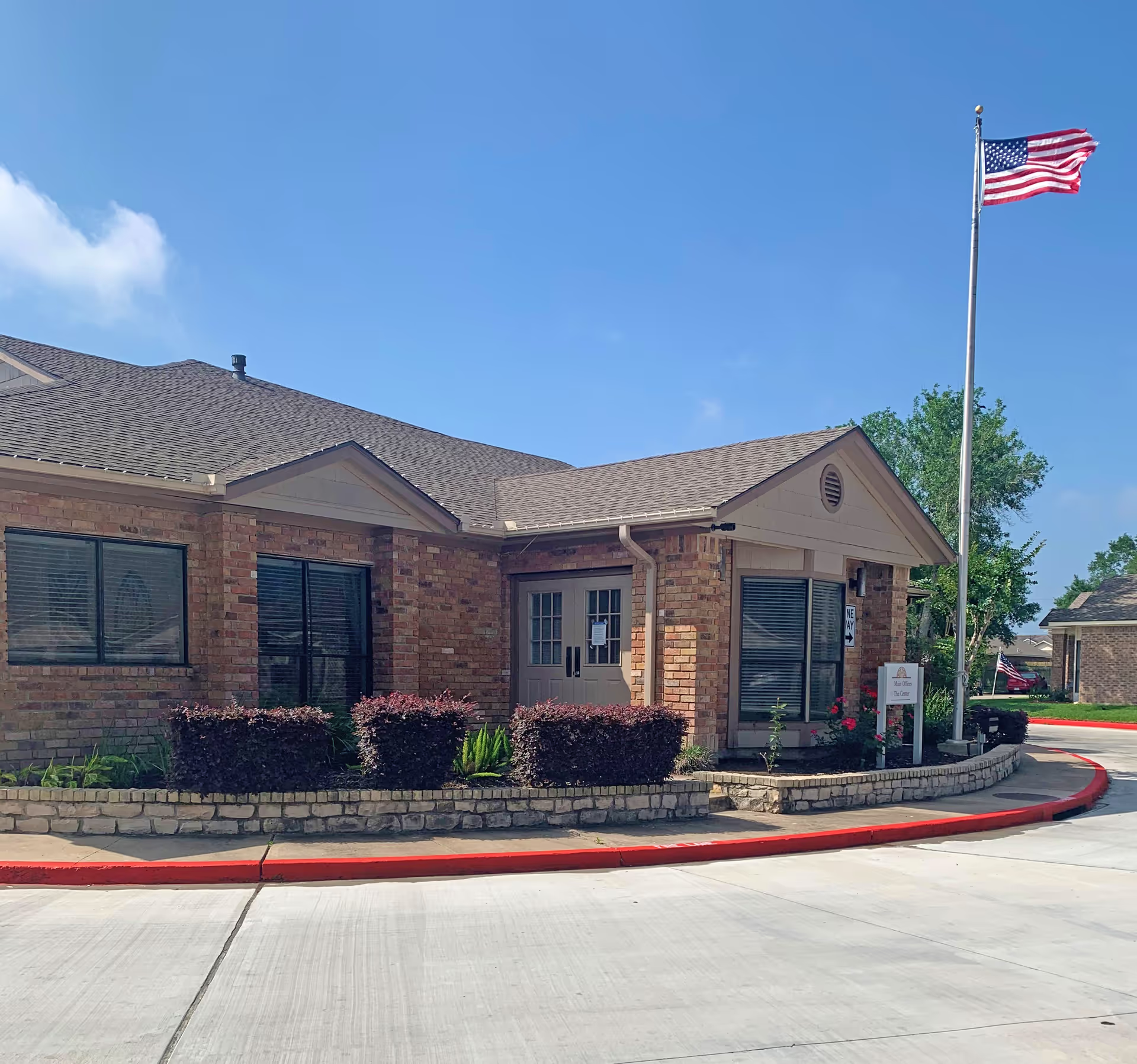
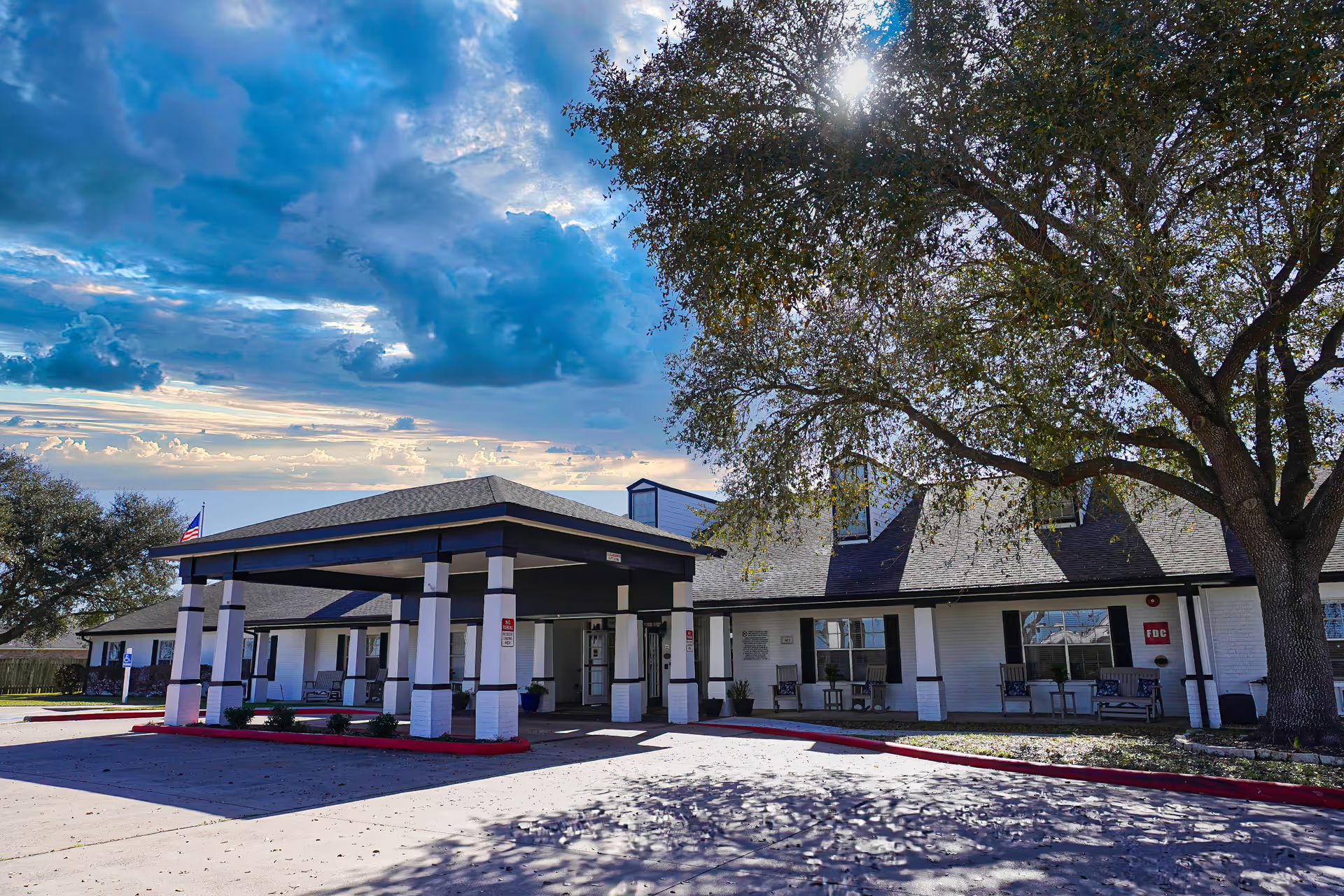
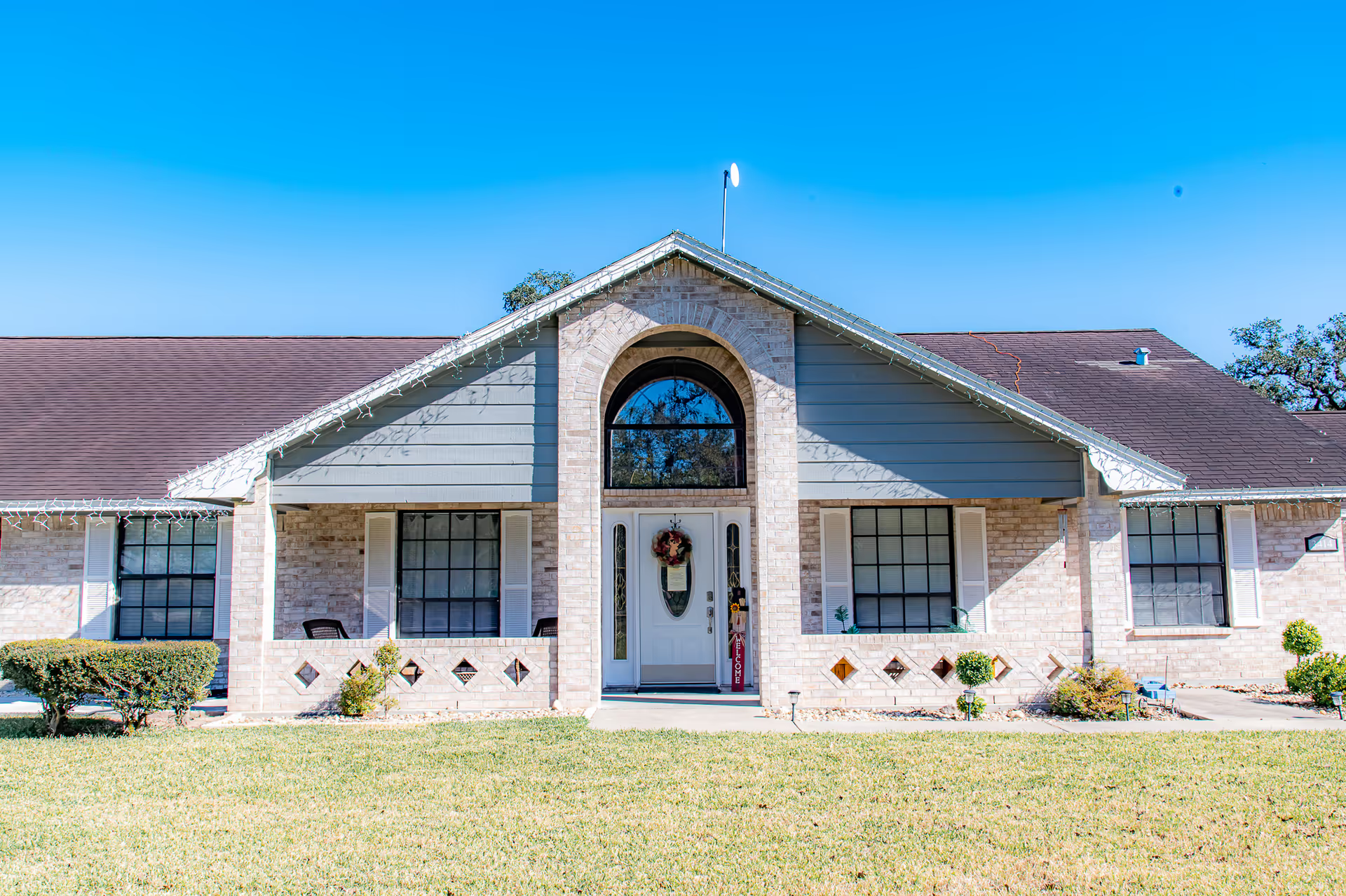
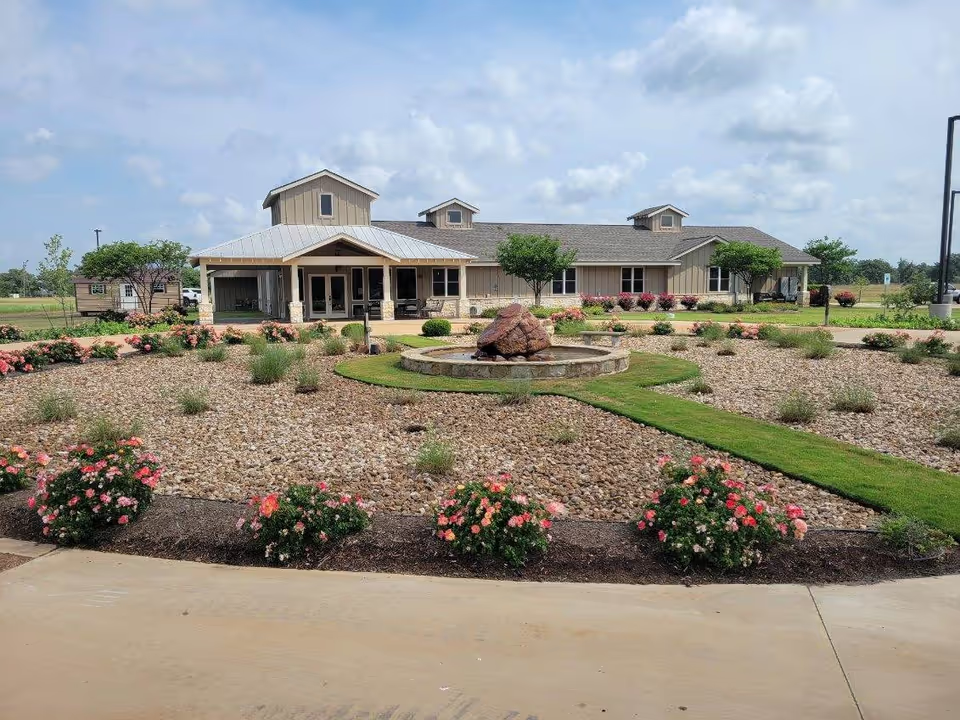
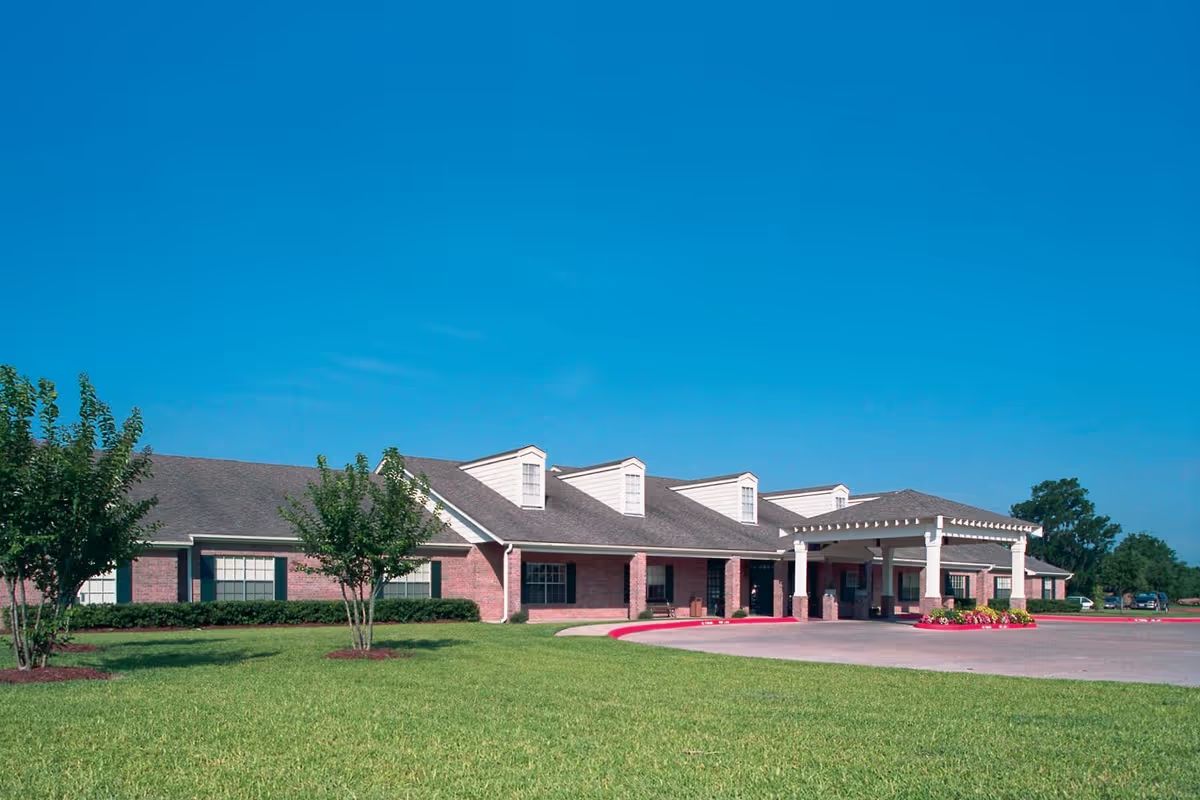
Dining, activities, and environment: Reported strengths include nutritious, well-prepared meals and an active schedule of social and recreational programming. The facility is frequently described as clean, organized, and inviting, with staff engagement that reinforces a homelike atmosphere. These elements contribute to positive day-to-day resident experience for many families.
Management, communication, and operational patterns: Administrative accessibility and individual social-work support are viewed positively by many families; however, there are recurring operational concerns. Reviewers raise issues with inconsistent staffing levels and slower-than-expected responses to call systems, which relate to timeliness of routine care such as incontinence support and bedside assistance. Several comments also identify variability in staff conduct and the tone of communication with families. There are specific, serious claims in a limited number of reviews — including allegations related to medication administration and civil-rights concerns — that warrant direct inquiry during a tour and discussion with leadership and compliance staff.
Notable patterns and considerations for prospective families: The pattern of feedback suggests a facility with pronounced strengths in clinical rehabilitation, wound care, and an engaged caregiving culture, tempered by episodic operational gaps in staffing, responsiveness, and family communication. Prospective residents and their families may wish to confirm current staffing ratios, call-response metrics, medication-management protocols, visitation policies, and procedures for incident communication during a visit. Verifying wound-care processes and therapy plans, and asking for examples of how the facility addresses communication lapses, can help balance the consistently positive caregiver reports against the operational concerns noted in some reviews.