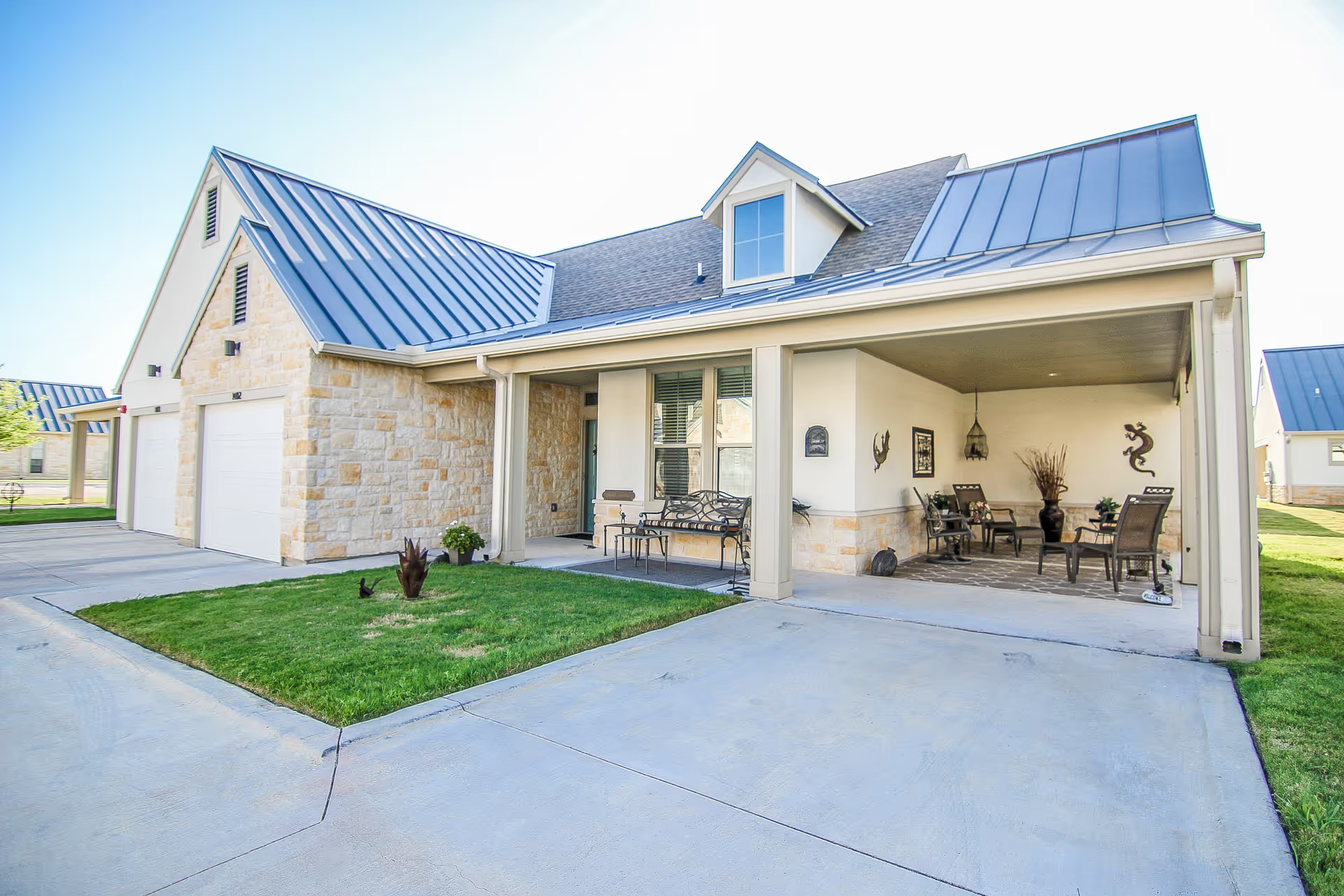
Argent Court presents as a socially active assisted-living community with notable strengths in personal attention, activities, and hospitality. Across the reviews, families and residents commonly cite compassionate, friendly staff and an engaging activities program that includes outings, movie and game nights, pottery, live music, bingo, and regular church services. The facility offers respite suites, some one-on-one respite care options, and convenient services such as van transportation for medical appointments and shopping. Common areas — dining rooms, library, activity rooms, and outdoor courtyard — are frequently described as pleasant, well-lit, and conducive to socializing.
Care quality is characterized by warm, person-centered interactions and responsive staff communication in many accounts. Reviewers praise caregivers, activity staff, dining staff, and several administrators by name for attentiveness and responsiveness. However, operational patterns raise clinical concerns for residents with higher medical needs: the site is described as having limited RN coverage (reliance on LPNs), variable diabetes monitoring, and questions about medication administration practices. There are allegations of improper medication administration and certification gaps noted in some accounts; while the facility appears to have addressed certain incidents according to reviewers, prospective families should confirm current clinical staffing, medication policies, and chronic-disease monitoring protocols before placement.
Staffing and workforce stability emerge as mixed. Numerous comments highlight dedicated, caring employees and supportive leadership, while others reference short-staffing, new or inexperienced hires, and turnover (including maintenance turnover in the past). These staffing dynamics can affect responsiveness and the consistency of daily care. Several reviewers report prompt managerial responses when issues arise, and other comments praise recent leadership improvements, suggesting variability over time rather than a single unchanging state.
Dining and activities are clear strengths: residents generally have three meals daily, with several reviewers noting tasteful menus, family-style dining options, and optional menu selections. At the same time, food satisfaction varies by individual preference and some families describe the quality as inconsistent. The program of social and recreational activities is broad and frequent, supporting an active lifestyle for many residents.
The physical plant combines attractive communal spaces with evidence of aging in places. Positive descriptions include an inviting dining area, fireplace, rocking chairs, library, salon, and some units with kitchenettes. Concerns include small private-room dimensions, cosmetic wear in parts of the facility, occasional sanitation and housekeeping inconsistencies, and uneven outdoor/landscaping upkeep (courtyard temperature and lawn care). Memory-care capacity is limited: there is little or no locked-door memory unit availability reported, so the community may not be appropriate for residents who need secure dementia care.
Overall, Argent Court appears well suited to residents who value a warm, socially active assisted-living environment and who require primarily hands-on personal care rather than intensive clinical management. Prospective residents and families should verify current RN coverage and medication-administration policies, ask about diabetes and complex-care monitoring, review staffing ratios and turnover trends, and tour specific apartment layouts to assess room size and maintenance condition. These targeted questions will help determine whether the community’s strengths in social programming and compassionate caregiving align with an individual resident’s clinical and environmental needs.