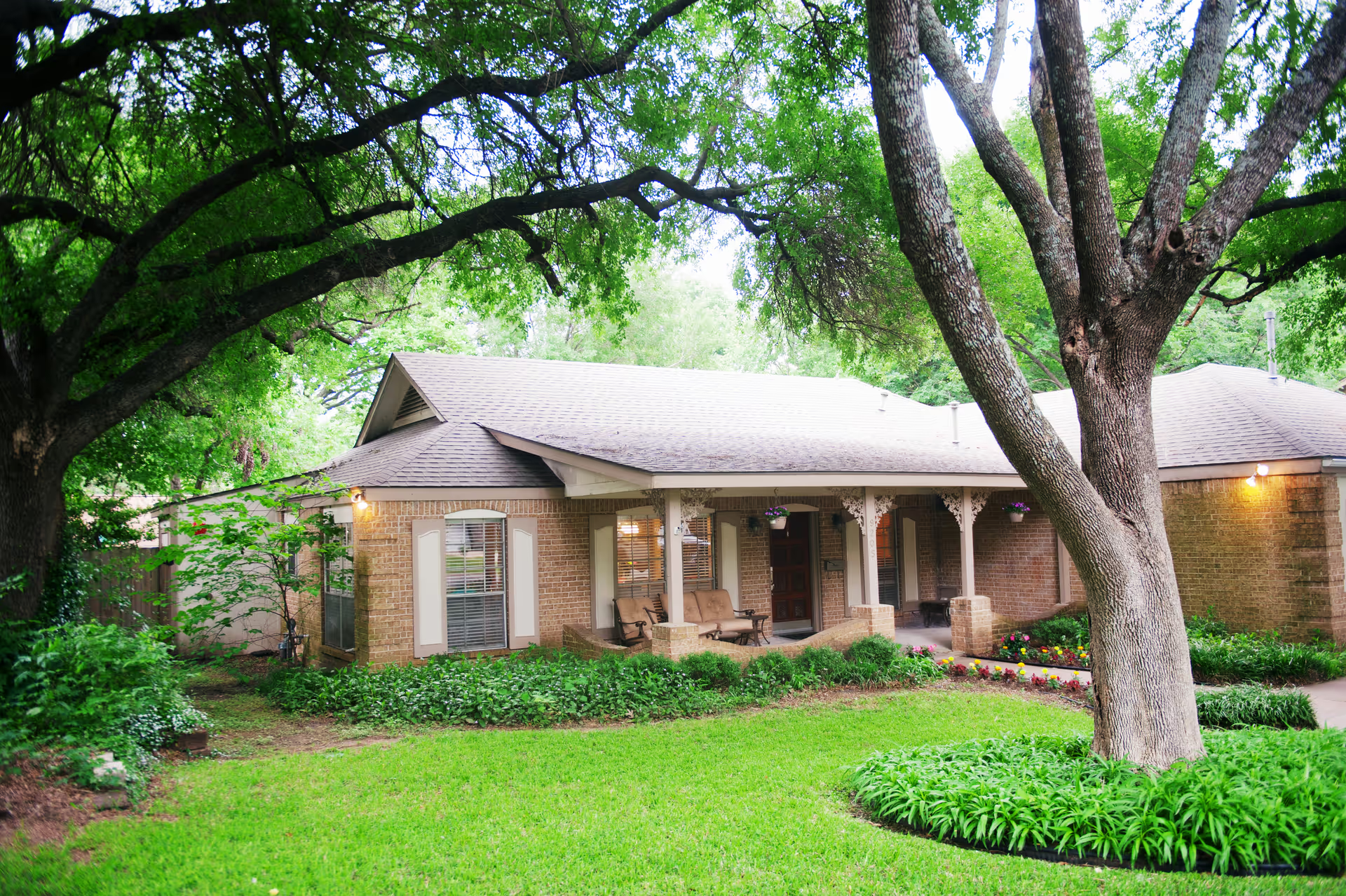
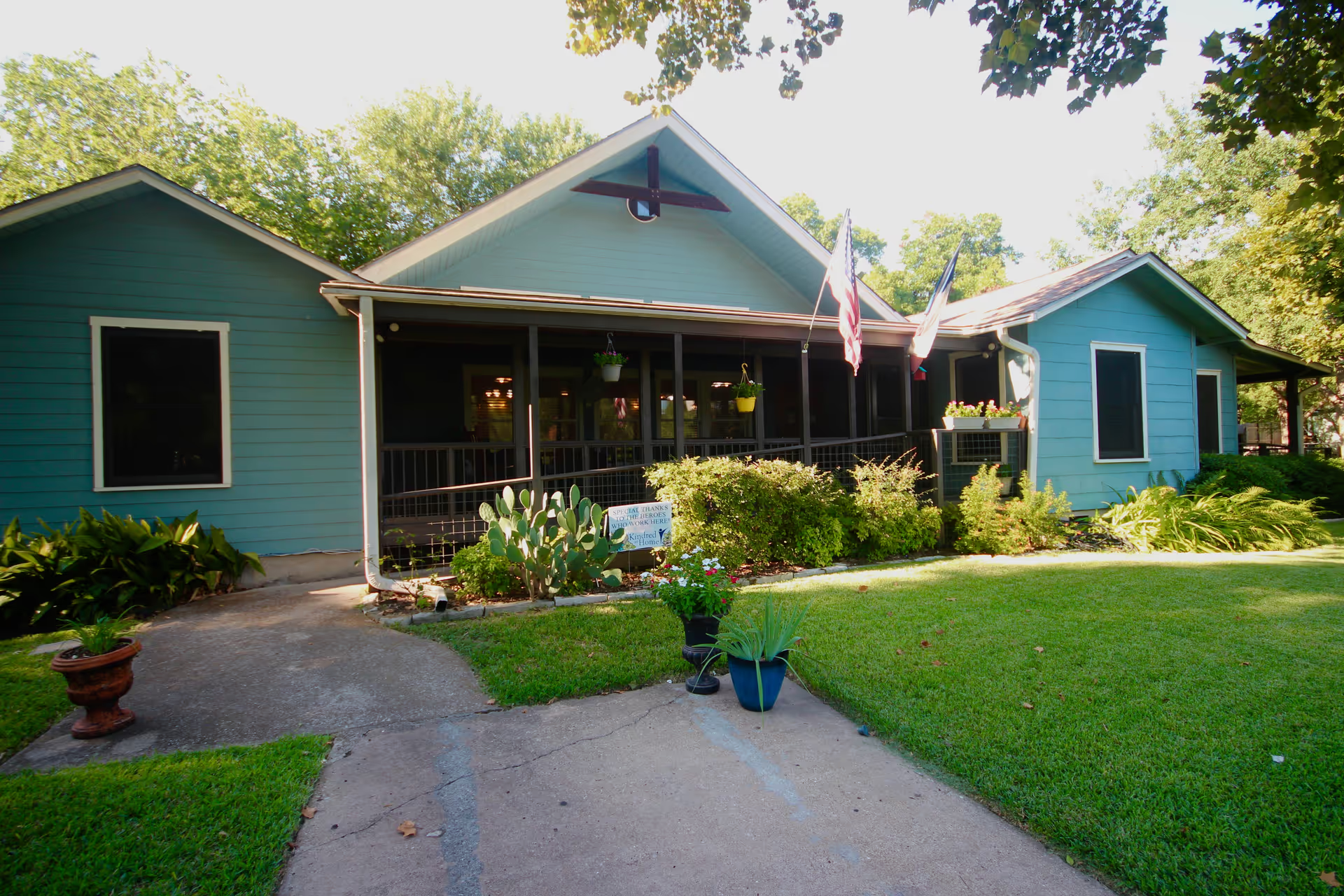
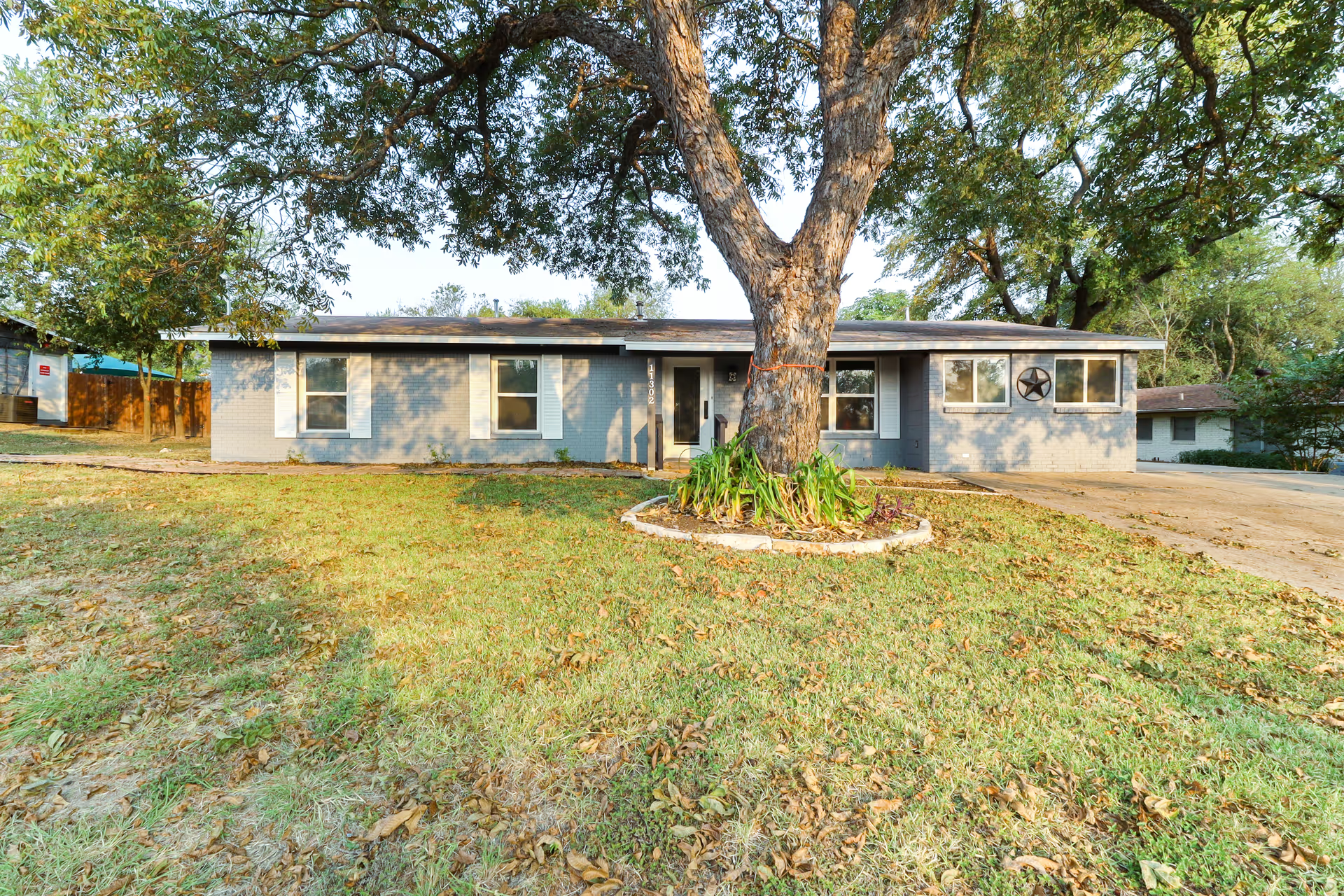
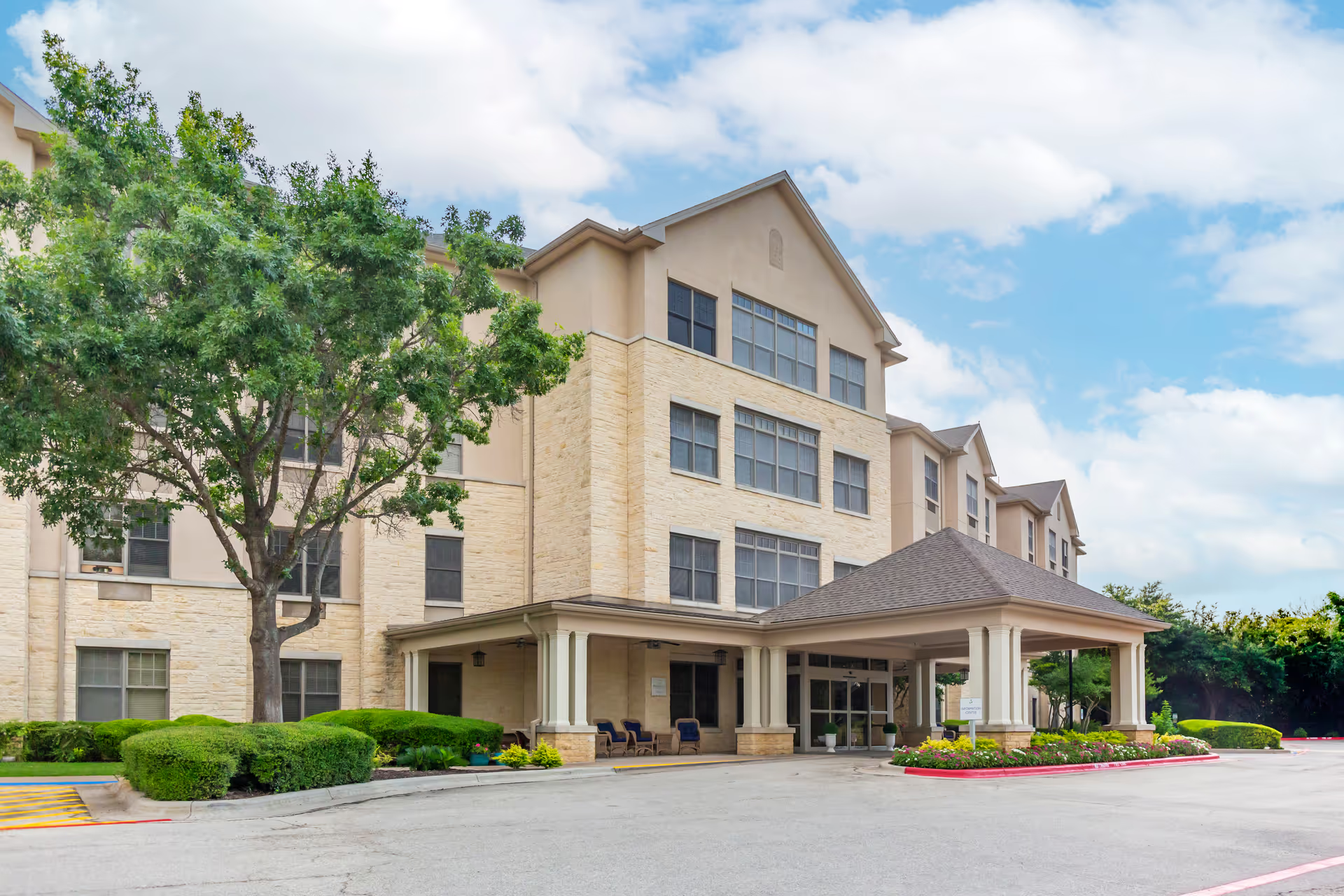
Parsons House Austin is presented in reviews as an affordable, family-owned assisted- and independent-living community with a strong emphasis on social programming and hands-on caregiving. Reviewers commonly cite compassionate, long-tenured direct-care staff and an open approach to family communication; management is described as accessible at times and the owner is noted to be engaged. The community model supports aging-in-place with multiple levels of care, flexible transition options, and medication-management services overseen by knowledgeable aides and nursing staff. A 24-hour staffing model, weekly housekeeping/linen service, scheduled transportation, on-site salon and medical access, and guest-room availability contribute to the facility’s practical appeal.
Care and staff: The overall tenor about caregiving is positive — staff are frequently described as attentive, familiar with residents’ names, and proactive in addressing needs. Several staff members and activity leaders receive individual praise, and reviewers emphasize continuity of care and good coordination with outside home-health providers. At the same time, there are recurring operational concerns: families note periods of director turnover, uneven communication between coordinators and families, and variable responsiveness from some administrative or business staff. These patterns are associated with frustrations about unanswered emails and delayed follow-up rather than a consistent clinical-safety deficit. There are also isolated allegations of inappropriate staff conduct; these are not framed as a systemic pattern in most reviews but should be considered when evaluating oversight and complaint-resolution processes.
Dining: Dining is generally viewed as a strength in terms of menu variety, portioning, and availability of alternate choices to accommodate special diets. Many reviewers compliment the restaurant-style dining experience and the kitchen’s responsiveness to dietary needs. However, food quality and seasoning are described inconsistently — some find meals tasty and varied, others describe occasional overly salty or spicy dishes and uneven meal-to-meal quality. Prospective residents with strict taste preferences or special dietary sensitivities should arrange a meal trial and discuss specific accommodations with dining management.
Activities and community life: Activity offerings receive near-universal praise. The activity program is described as robust and intellectually engaging, with daily and monthly calendars that include games, religious services, live entertainment, exercise classes, outings, and social clubs. The on-site movie theater, frequent live performances, and regular transport for local shopping/appointments reinforce a high level of resident engagement. The mixed independent-and-assisted population creates a lively social environment, though some prospective residents may prefer a more age-homogenous community.
Facilities and accessibility: The property blends recent interior renovations (wood flooring, updated apartments) with an older building shell. Apartment layouts—particularly one-bedroom units with large living rooms and walk-in baths—are praised for space and comfort. Common amenities (theater, chapel, fitness rooms, salon) are assets. Reviewers also identify facility-level deficits: ongoing renovation needs, dropped ceilings, uneven parking and pool-table surfaces, a concrete entry ramp described as hazardous, intermittent elevator or building-system issues, and limited ground-level courtyard/green space. Accessibility adaptations are uneven (e.g., some fixtures or storage not wheelchair-friendly), so families should assess specific mobility needs during a tour.
Management, operations, and value: Many families highlight Parsons House as a value-oriented option in Austin — reasonably priced relative to alternatives, with transparent inclusion of meals and medications at certain care levels. That said, there are recurring comments about an opaque fee or point system and perceived add-on charges for services; prospective residents should request a clear, itemized fee schedule. Maintenance appears generally responsive but sometimes strained by workload, leading to slower turnaround on nonurgent repairs. Overall ownership and many staff convey a non-corporate, family-feel culture that is important to many reviewers.
Notable patterns and guidance: Strengths include high resident engagement, an active activity department, caring frontline staff, multi-level care flexibility, and a set of on-site amenities that support daily living. Weaknesses center on older building infrastructure, accessibility and maintenance issues, administrative communication gaps, occasional variability in food quality, and concerns about fee transparency. Families considering Parsons House should prioritize an in-person evaluation focused on (1) current renovation impact and specific apartment accessibility, (2) clarity on fees and add-ons, (3) examples of how the community handles care-coordination and complaint escalation during director transitions, and (4) a meal sampling to confirm dining preferences. Overall, Parsons House appears to be a value-minded, community-oriented option with strong social programming and dedicated direct-care staff, tempered by building-age limitations and some administrative inconsistencies that merit direct discussion during touring and contracting.