The collected feedback presents a facility with a pronounced strength in rehabilitation services and an active social program, paired with recurring operational challenges in hands-on nursing care and facilities maintenance. Therapy services — physical, occupational and speech — are repeatedly described as skilled, collaborative, and outcome-focused; many families cited measurable improvements and strong outpatient follow-up. The rehabilitation team, therapists and several individual staff members receive consistent praise for professionalism, mentorship of students, and patient-centered goals.
Staffing and direct-care operations show mixed performance. While many accounts praise compassionate individual caregivers, a pattern of inconsistent nursing coverage and high workloads emerges as a persistent theme. Consequences described include slow response times to call systems, delays in routine assistance (bathing and feeding support), intermittent medication-administration problems, and variability in adherence to clinical orders. These issues point to systemic staffing and workflow pressures rather than uniformly poor performance by front-line employees.
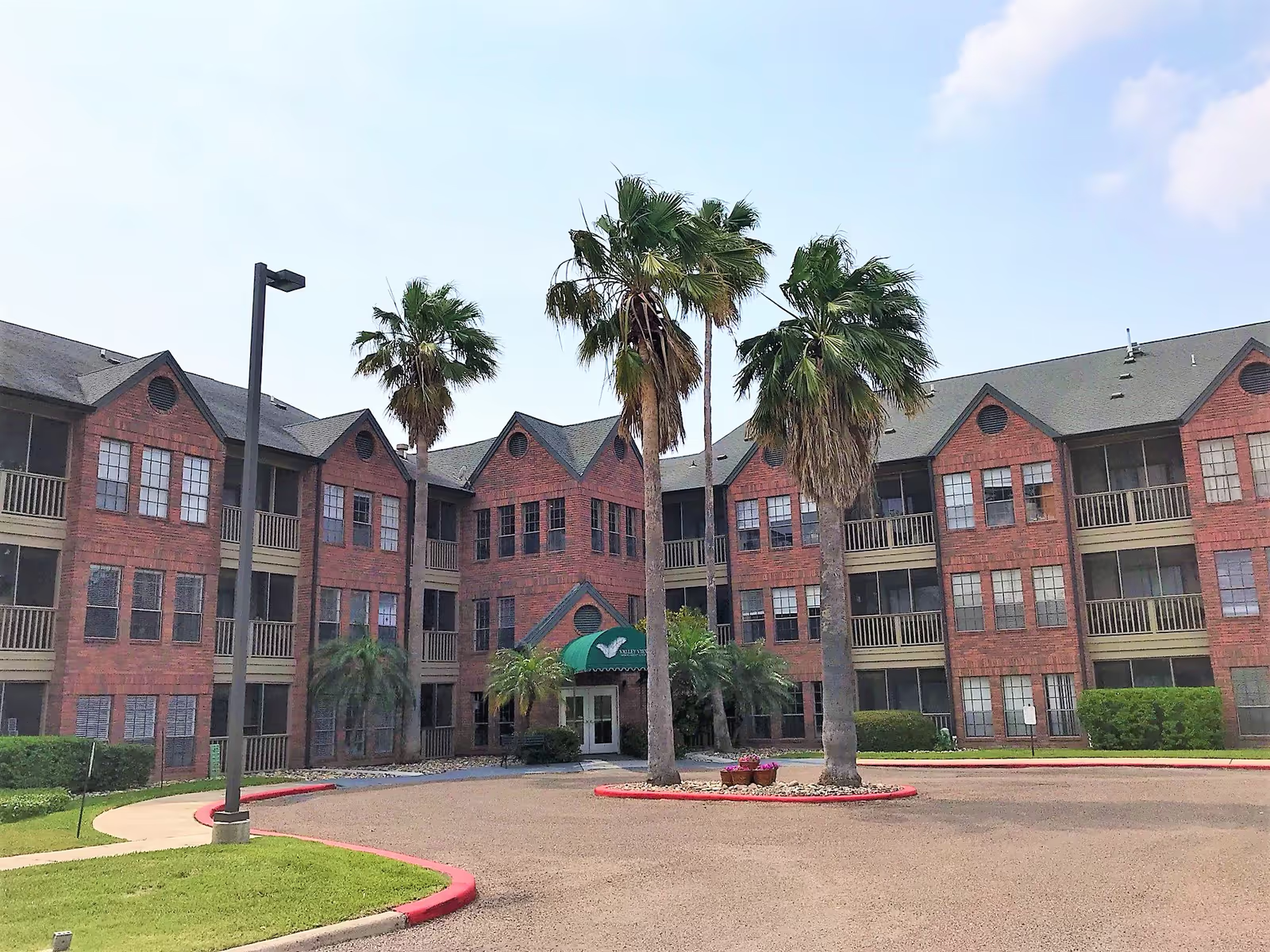
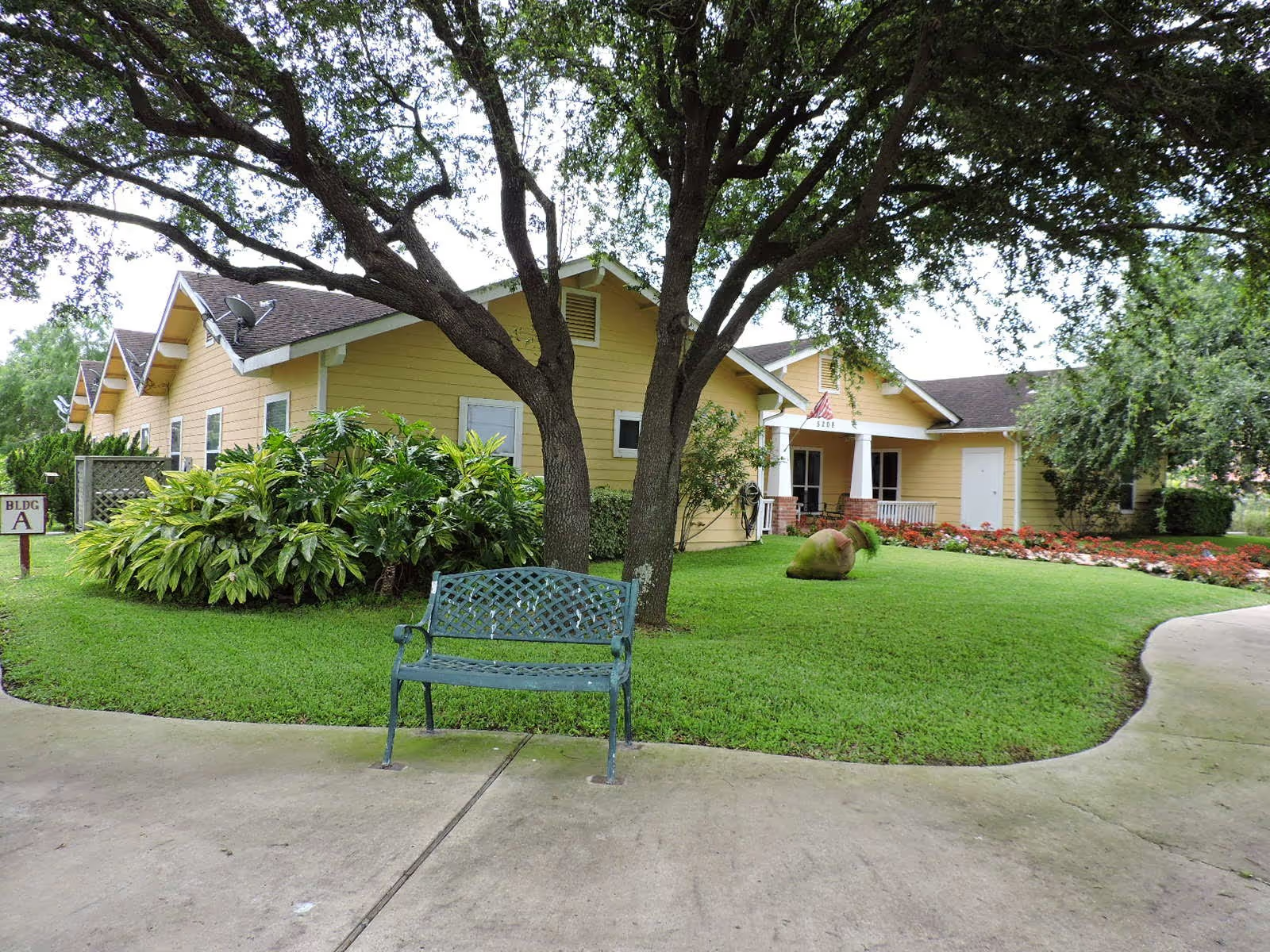
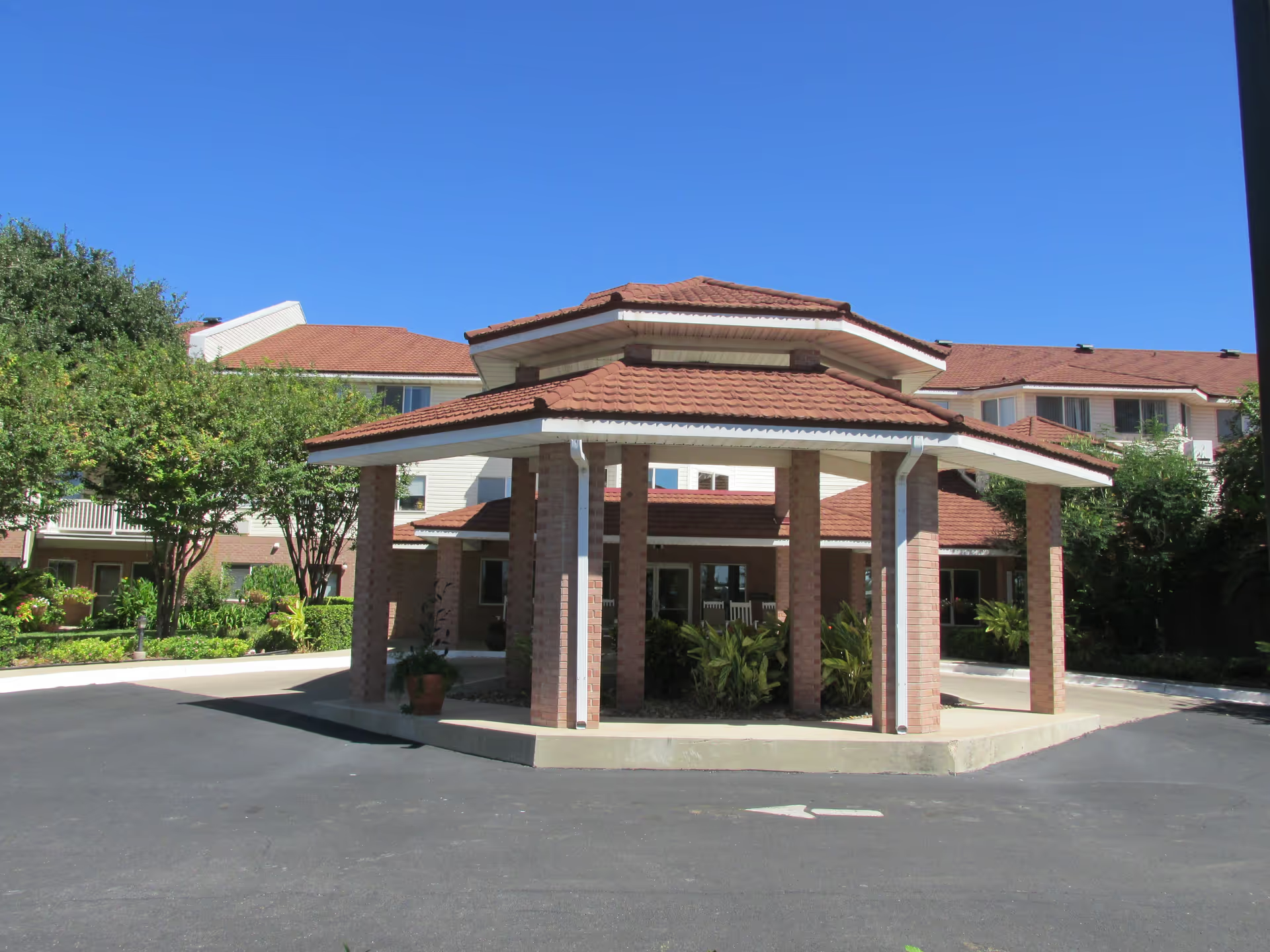
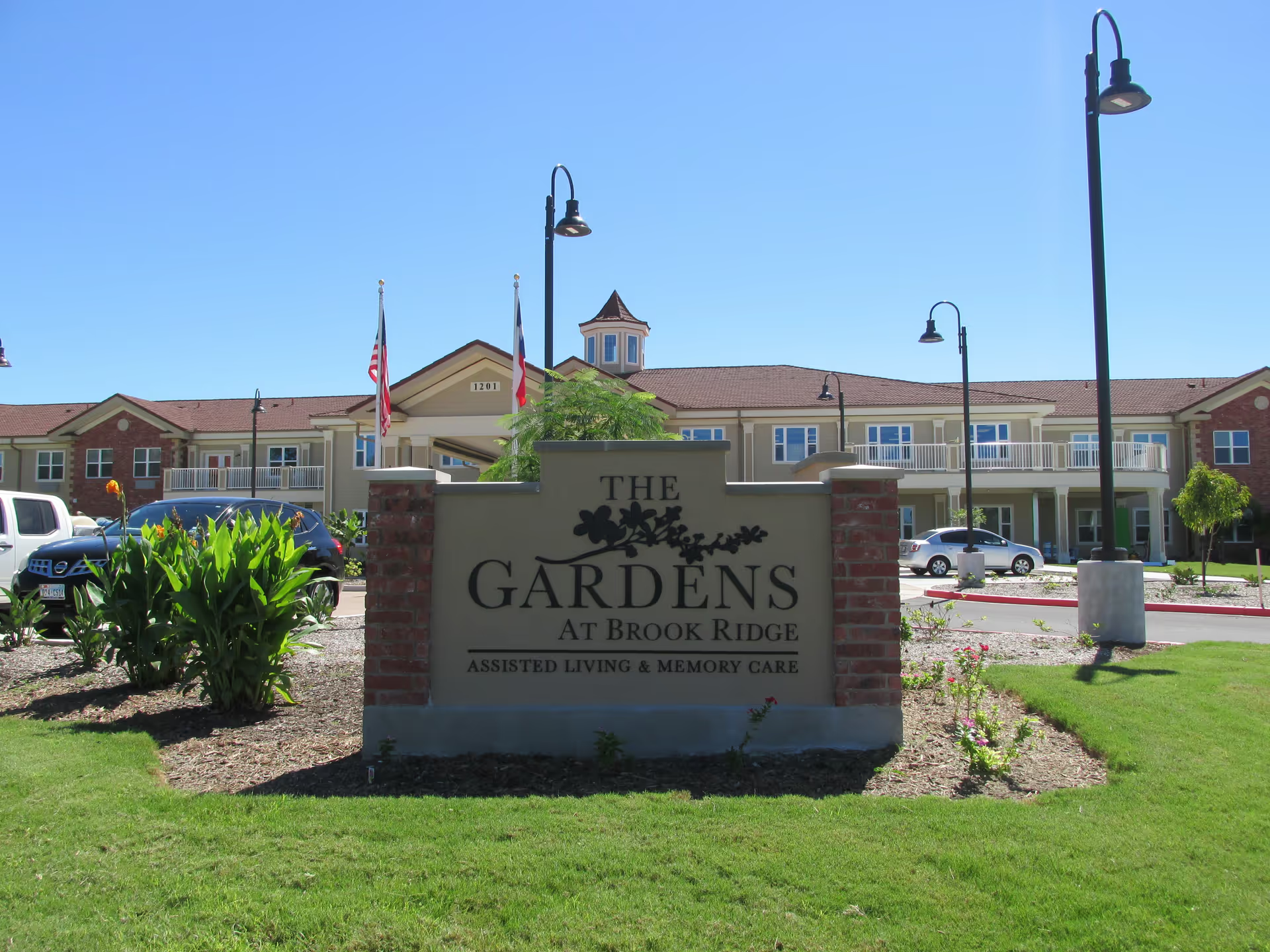
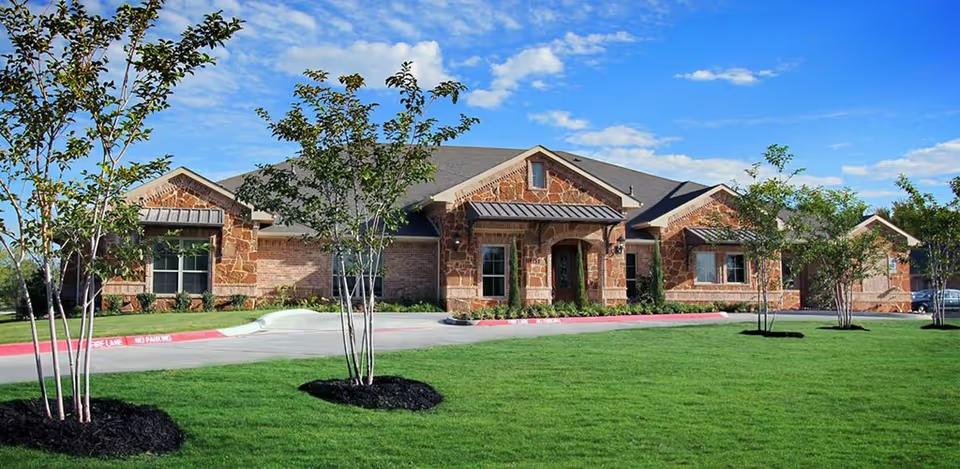
Dining, activities and the resident experience are notable strengths. The facility offers varied menus, themed meals, outings, and frequent social programming that residents and families often value. Public areas, grounds and outdoor amenities are frequently described as attractive and well maintained. At the same time, reviewers note an unevenness in meal quality and changes in service model that have affected perceived food consistency.
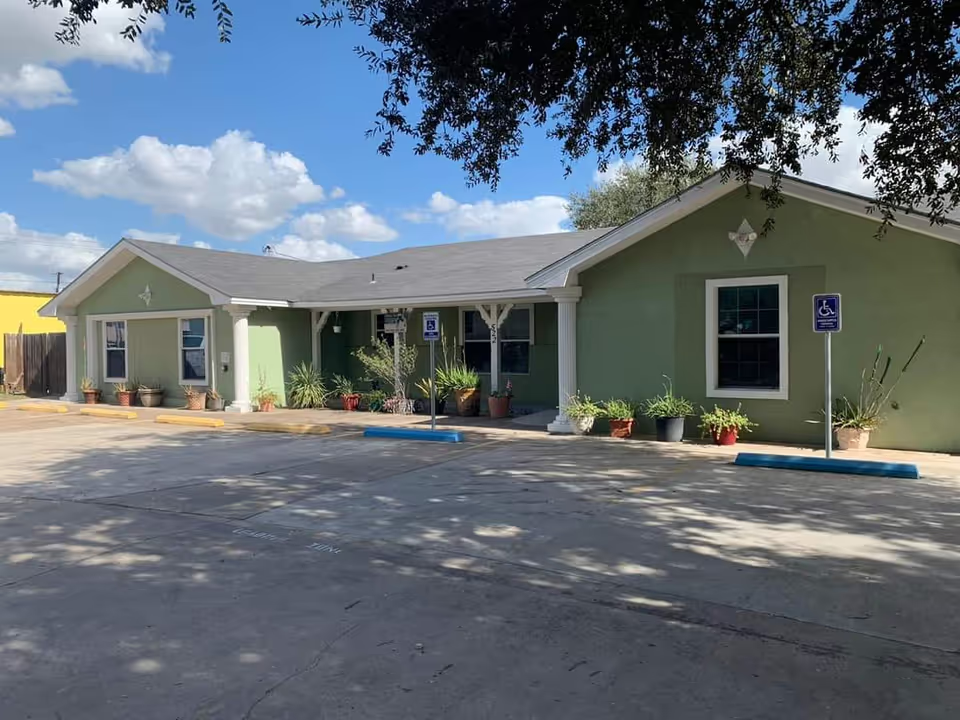
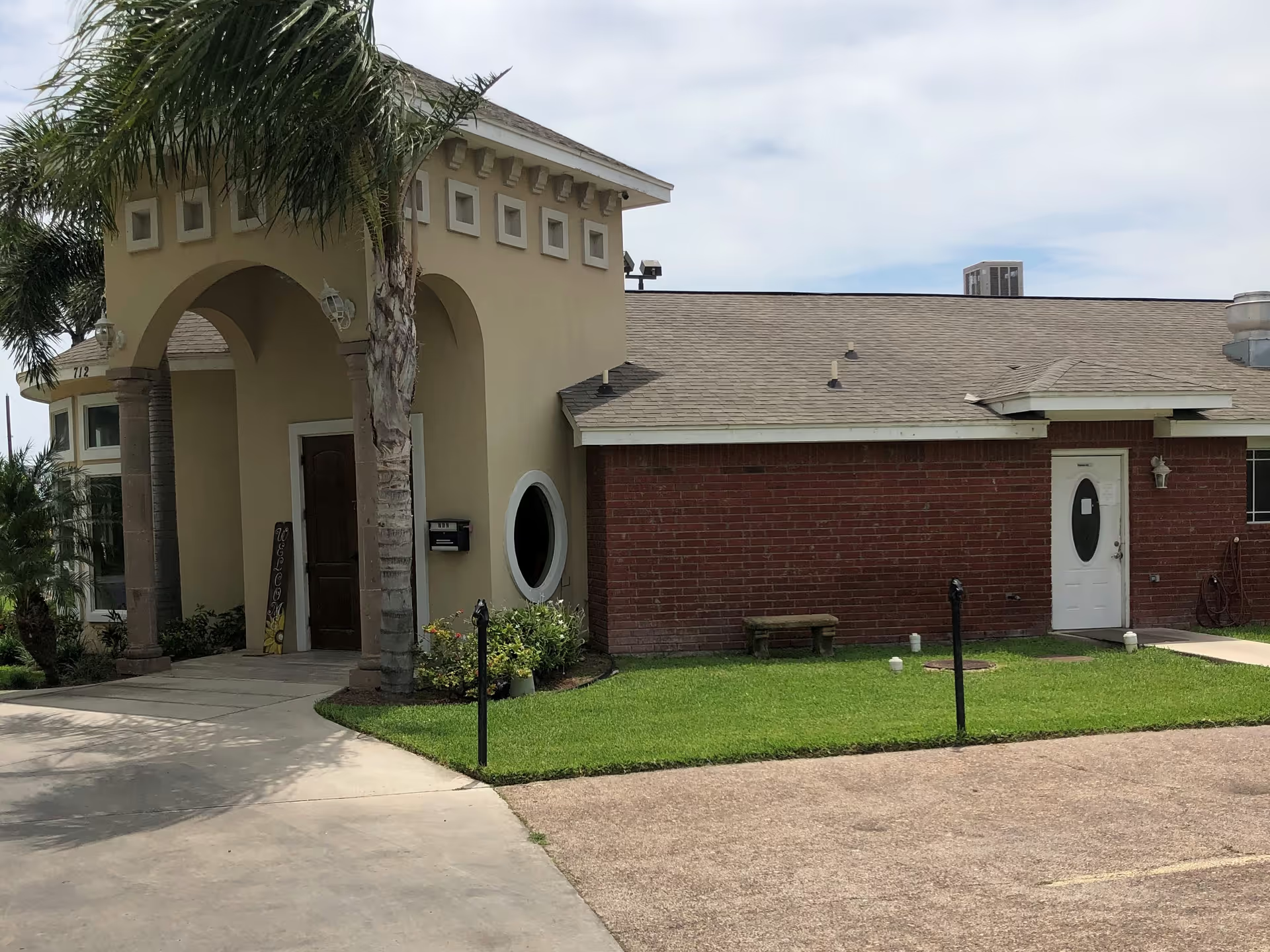
Facility condition and maintenance are mixed. Portions of the campus are clean and updated, and routine maintenance responses (for plumbing or immediate repairs) are sometimes prompt. However, the building's age contributes to infrastructure needs — reviewers referenced ceiling leaks, ongoing roof work, and isolated mold or odor concerns — indicating maintenance backlogs in some areas. Accessibility gaps (for example, vehicle lift availability) were also raised as operational limitations.
Management and communication present a split picture. Some families find administrative staff transparent and helpful, especially around admissions and financial disclosures; others raise concerns about inconsistent leadership, contract disputes, and lapses in communication about care plans, test results and discharge processes. There are also specific complaints about clinical oversight (limited on-site physician presence) and mixed perceptions of nursing leadership competence.
Overall pattern and guidance: the facility appears particularly well suited for short-term, therapy-focused stays and for residents who can benefit from strong rehabilitation services and an active social calendar. Prospective residents and families should weigh that strength against the reported variability in routine nursing care, response times, and building-maintenance reliability for long-term custodial needs. When considering Golden Palms, ask targeted questions during a tour about current staffing levels and shift coverage, medication-management protocols, bathing and feeding schedules, pest-control and mold remediation processes, on-site medical oversight, accessibility equipment for transport, and specific contract/billing terms. An in-person visit that inspects both patient-care areas and long-term resident units, combined with references from recent families, will help clarify how well the facility’s rehabilitation strengths align with an individual’s day-to-day care requirements.