Reviews of Windsor Harlingen, also referred to in some accounts as Retama Manor, are predominantly positive, especially regarding short-term rehabilitation. Residents and families frequently describe progress after surgery, illness, or injury, including improved walking, strength, and ability to return home. Physical and occupational therapy receive especially strong praise, with speech therapy also recognized for supporting recovery. Reviewers value therapists’ patience, encouragement, and practical guidance for continuing care after discharge.
Many accounts describe nurses, certified nursing assistants, and other staff as kind, professional, and attentive. Individual employees are often recognized for helping residents feel comfortable and respected. Families also appreciate staff support during extended stays and end-of-life transitions. However, experiences are not consistent: concerns include delayed responses to call lights, limited monitoring, staffing pressure, and uneven bedside communication. Some reviewers also raised concerns about medication administration, including missed or incorrectly managed medications, and about follow-through on wound care or changes in a resident’s condition.
Dining feedback varies considerably. Some residents praise the meals and describe staff accommodating food preferences, while others found meals unappealing, repetitive, cold, or insufficient. A few accounts connect poor intake with weight loss, making meal quality and nutritional follow-up important areas for families to discuss. Activities such as bingo, music, group events, celebrations, and religious services are appreciated, though participation and availability may differ by resident.
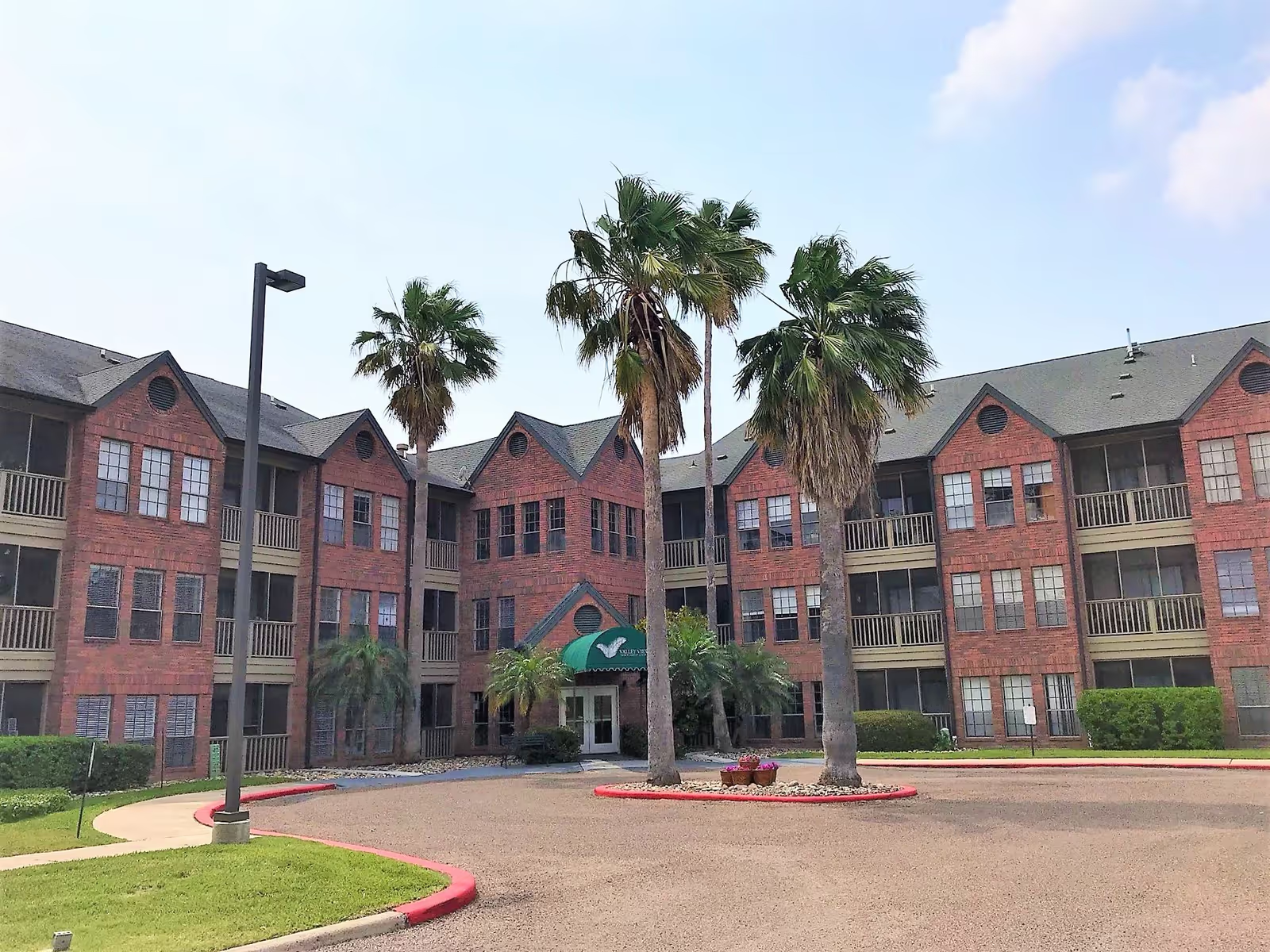
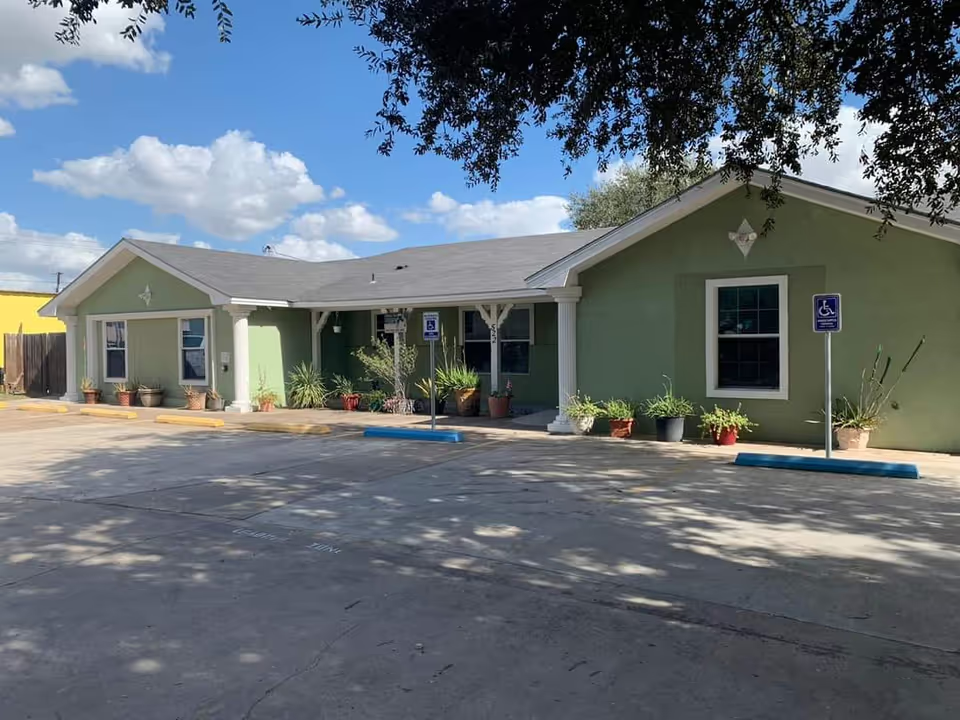
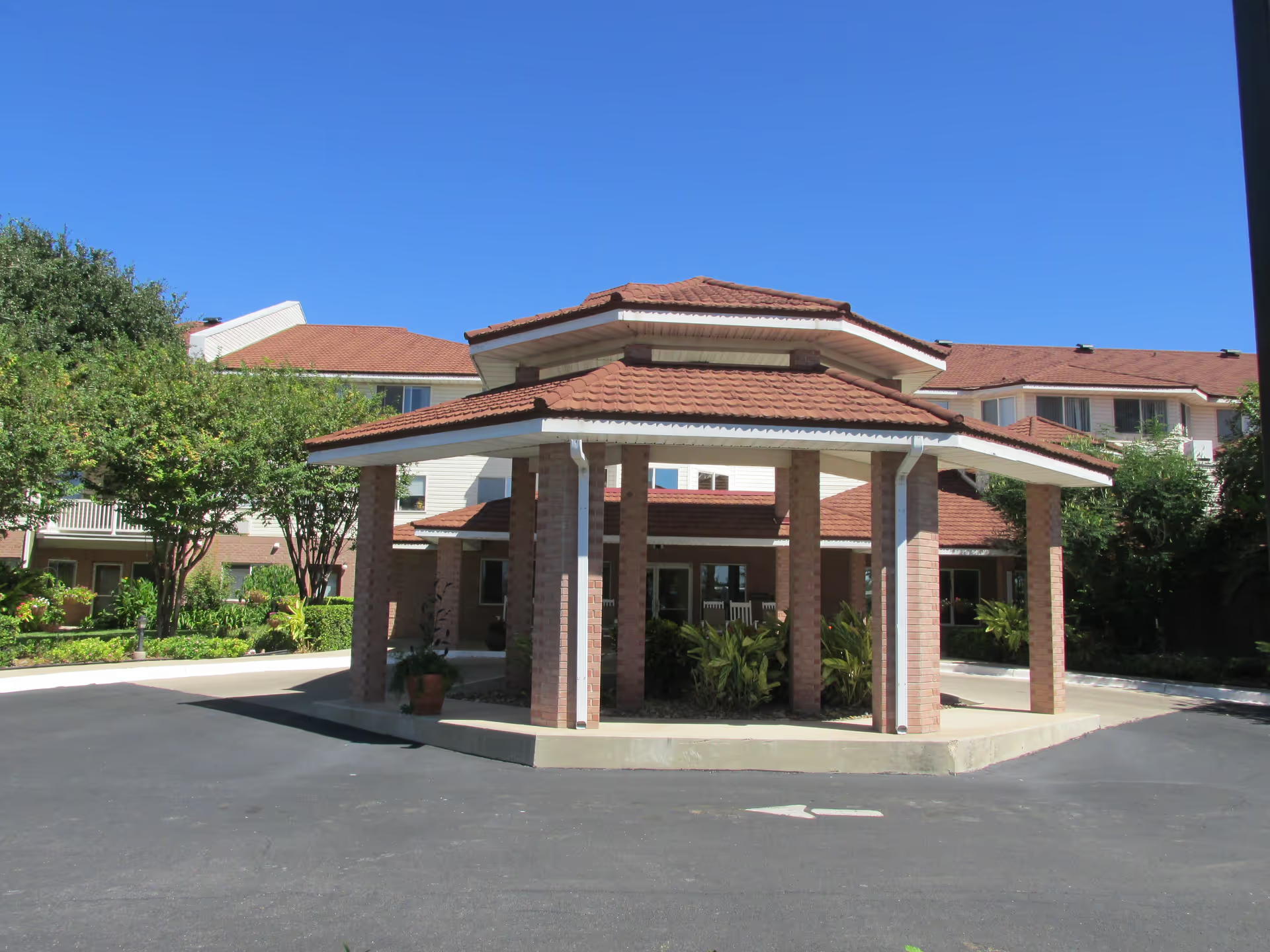
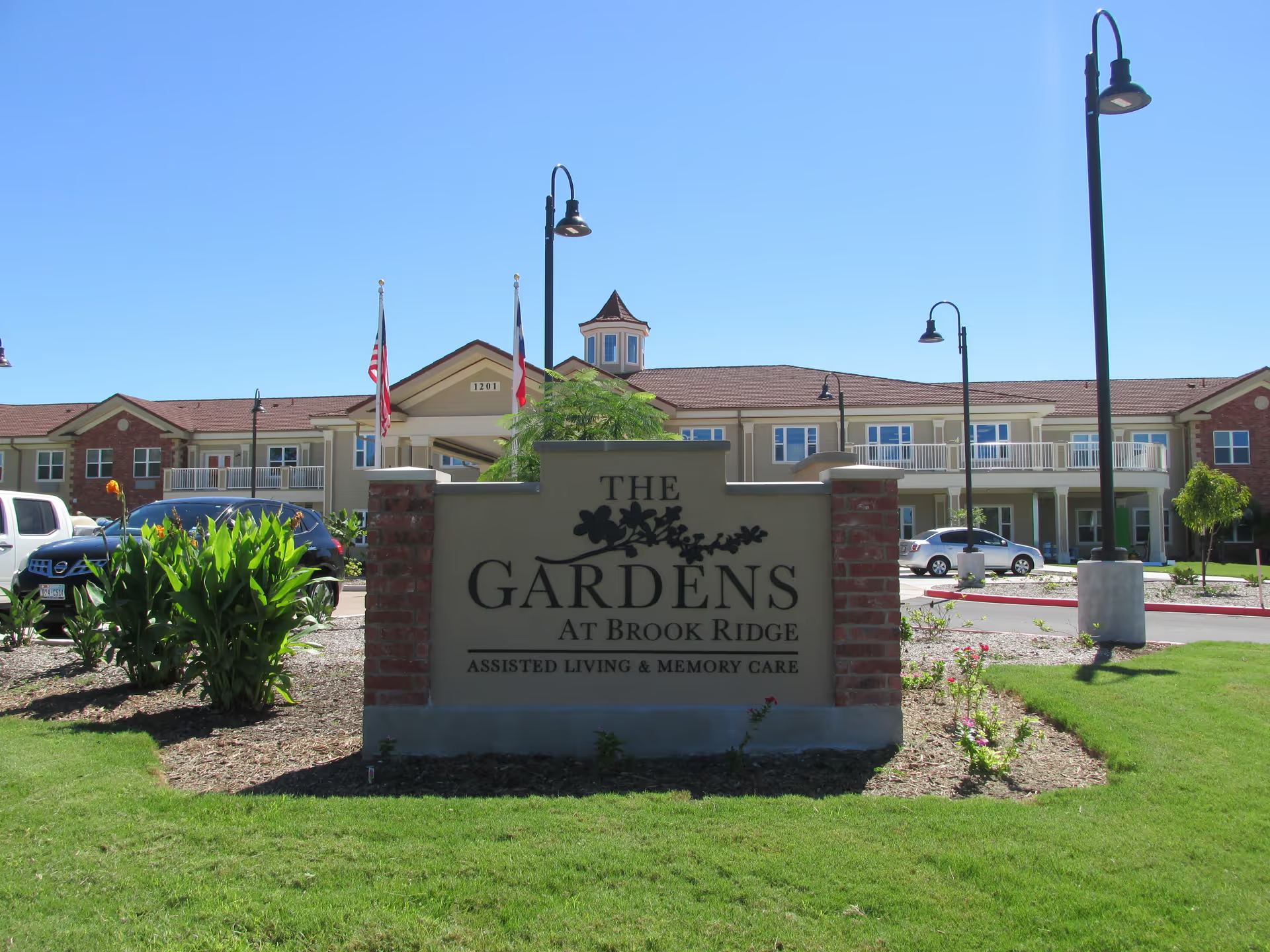
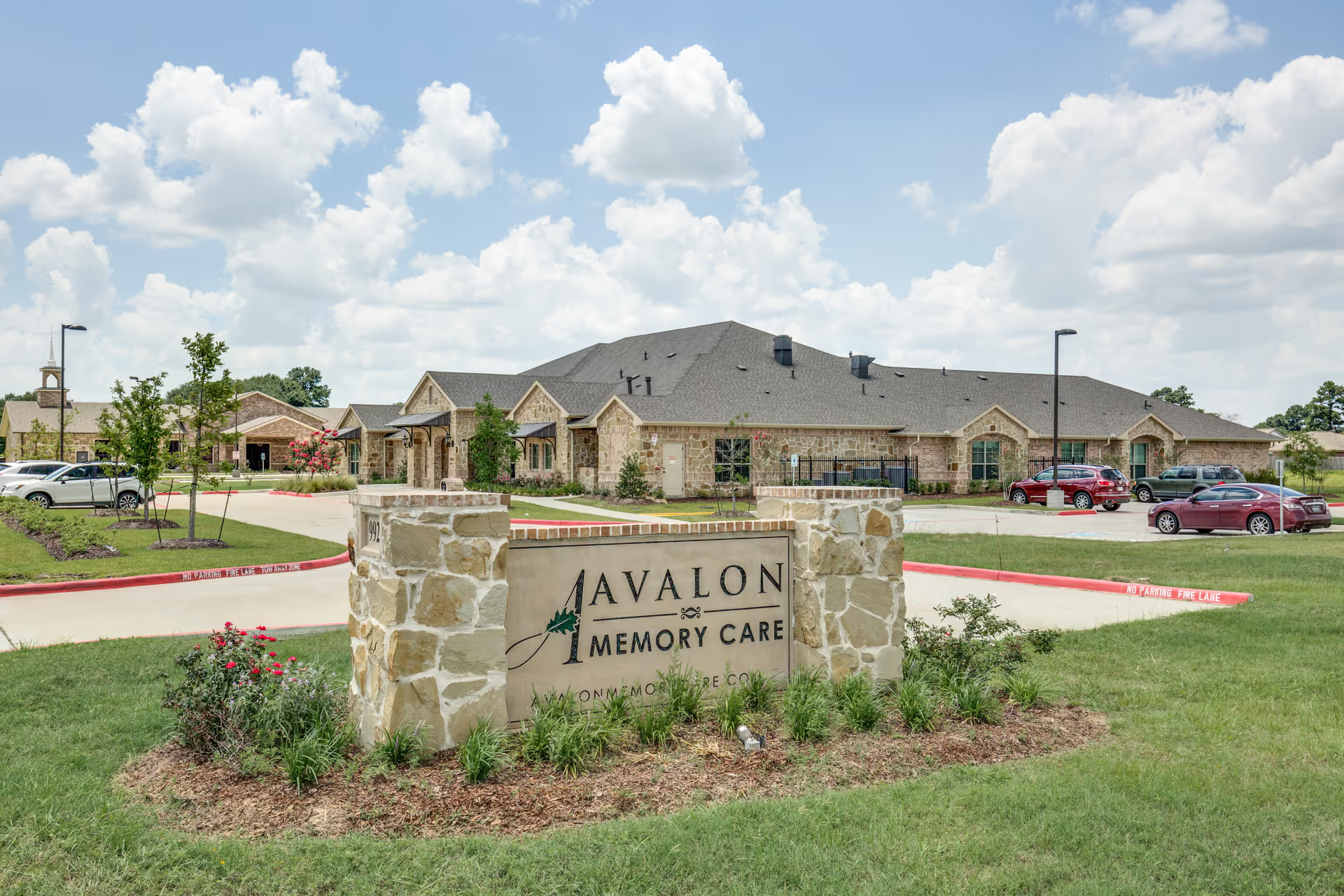
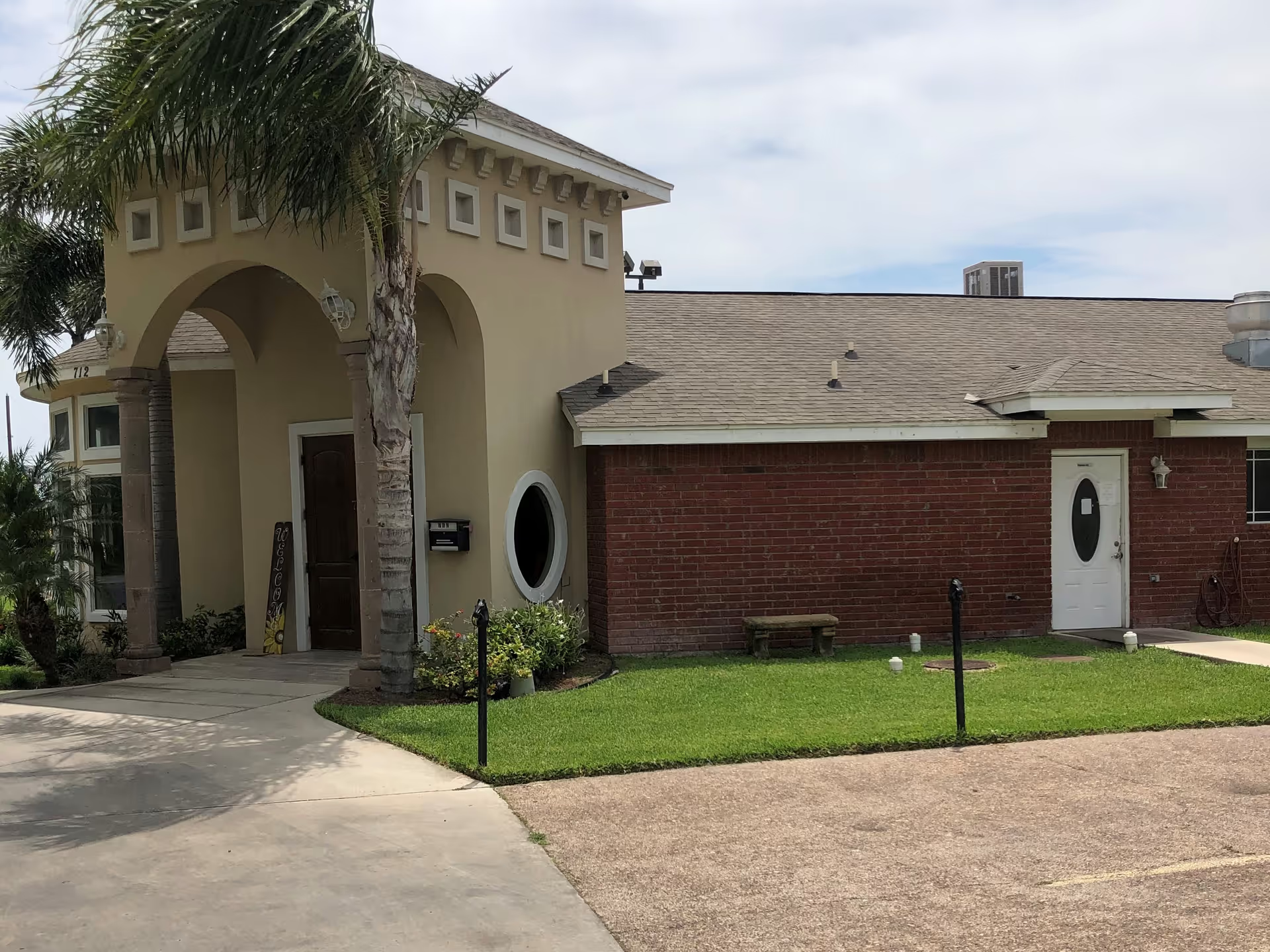
The facility is often described as clean, spacious, well maintained, and welcoming, with comfortable rooms and common areas. Other accounts raise concerns about housekeeping consistency, pest control, missing personal belongings, nighttime noise, or room temperature. Management receives positive comments for rounds, responsiveness, and helping families resolve issues, but discharge planning, insurance explanations, and billing interactions are criticized in some accounts. One family described serious concerns about a wound-care outcome and a resident’s subsequent death; this remains an individual account and underscores the importance of asking about clinical monitoring and escalation procedures. Overall, the reviews suggest a strong rehabilitation experience and many caring staff relationships, alongside meaningful variation in responsiveness, medication processes, dining, and administrative communication.