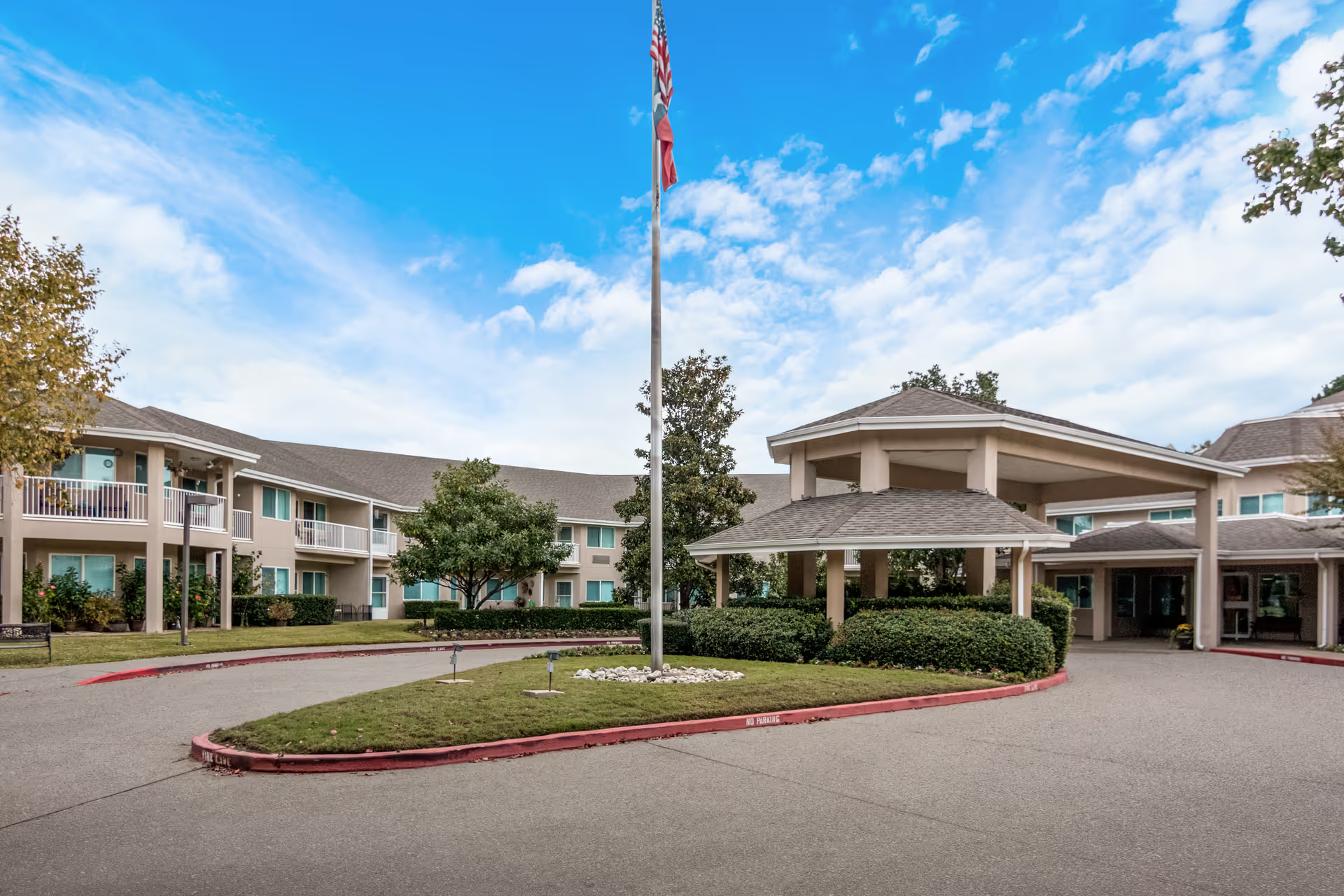
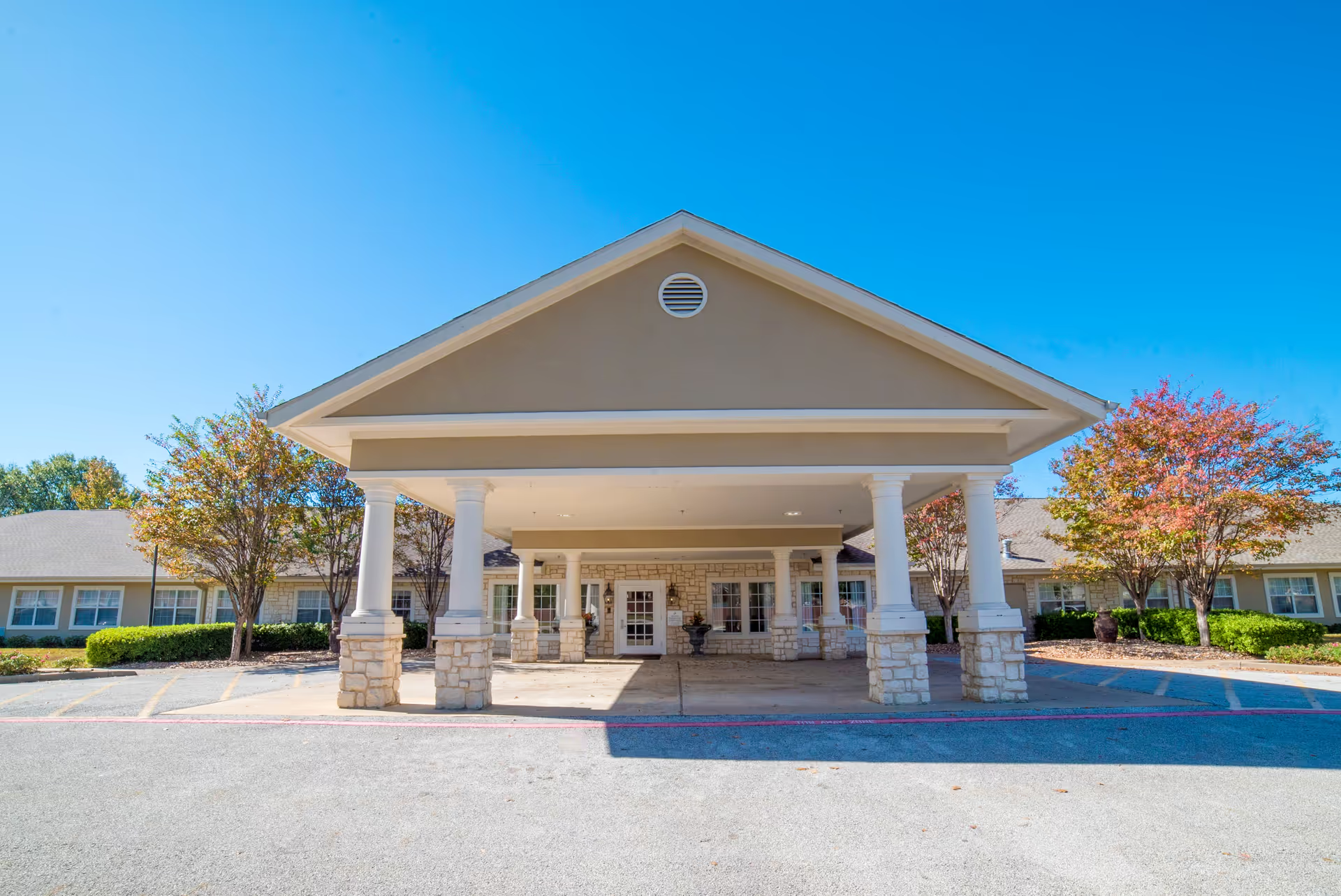
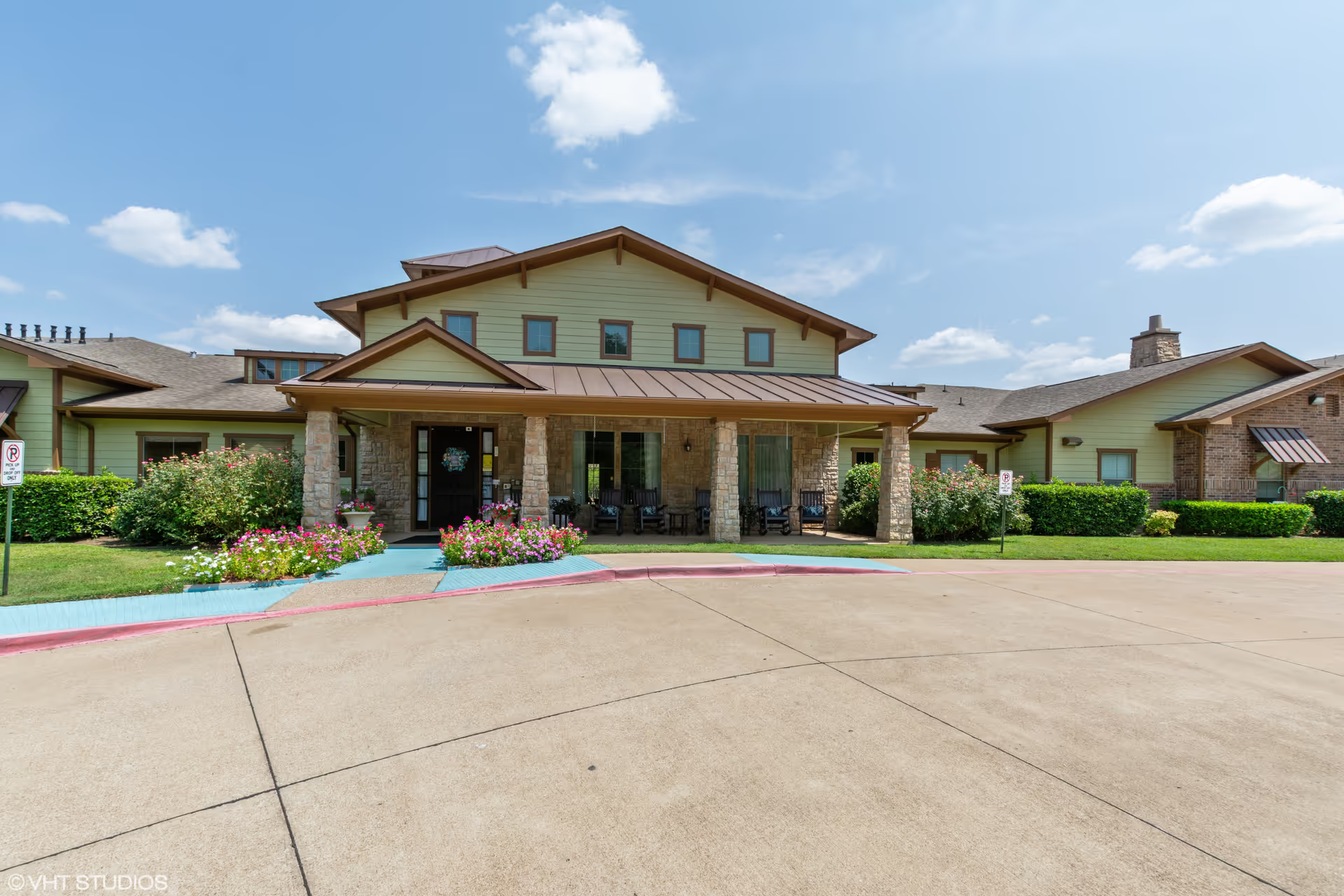
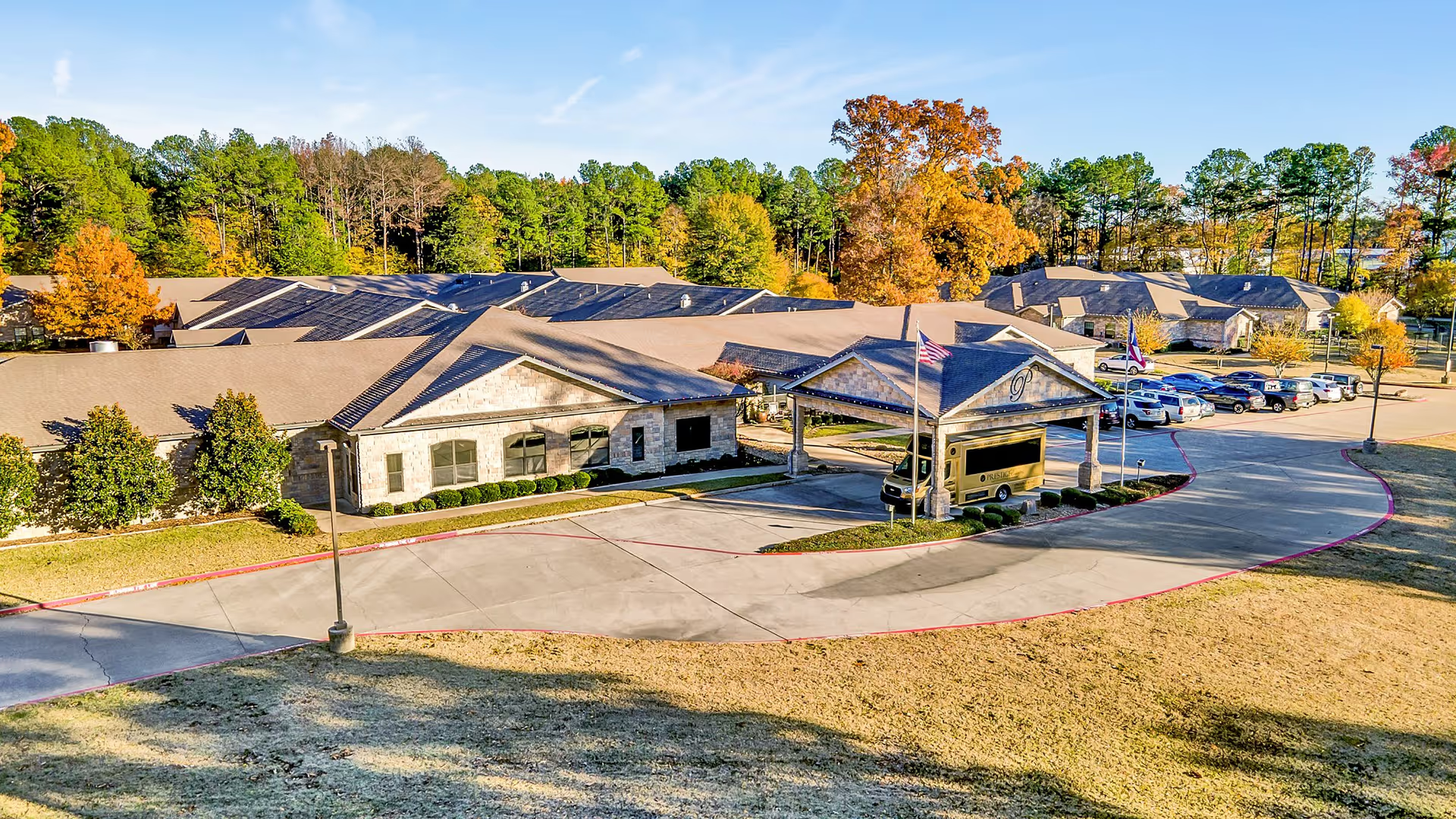
Reviews of Gardens at Hawkins Alc present a polarized picture: several accounts describe warm, personal interactions, a home-like atmosphere and residents who appear content, while other accounts identify persistent operational problems. Families and visitors frequently note memorable moments — holiday programming, social visits, and staff who go beyond basic duties to create a welcoming environment. For prospective residents seeking lower-cost, rural options with larger rooms and a quieter setting, these strengths are central to the facility’s appeal.
Clinical care and daily assistance appear uneven. Positive accounts highlight staff who provide attentive, personalized care and create a sense that the community can be a long-term home. However, other accounts raise concerns about staffing consistency and training, delays in addressing resident needs, and specific medication-management issues. These indicate variability in how clinical tasks and medication administration are executed; prospective residents with complex medical needs should request detailed information about nursing coverage, medication protocols, and clinical oversight.
Dining and kitchen services are described inconsistently. Some reviewers are satisfied with meal service, while others cite problems with food preparation and kitchen management. This suggests meal quality and consistency may depend on staffing or scheduling at particular times. Families who prioritize reliable dining should consider arranging a meal visit and asking about the facility’s food-preparation routines and contingency plans for staffing gaps.
Activity and therapy programming is another mixed area. Several reviewers praised holiday and community activities that elicit positive resident response; conversely, some accounts mention minimal programming and limited therapy offerings. If structured activities or rehabilitative therapy are important, families should verify the availability, frequency, and credentials of activity and therapy staff.
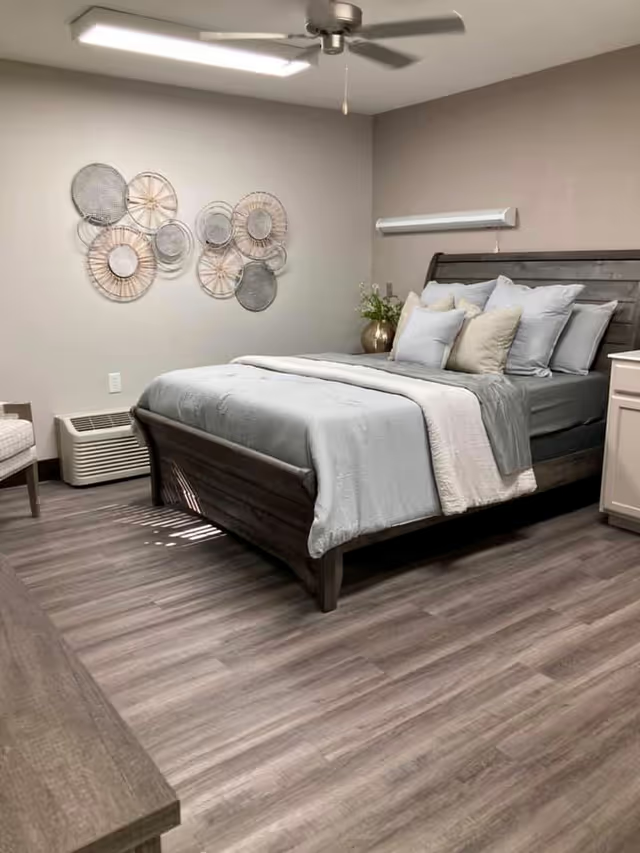
Facility condition and amenities vary between accounts. Positive comments emphasize spacious rooms and a welcoming environment; critical comments describe maintenance and cleanliness shortcomings, limited in-room amenities (for example, internet and television access), and pest-control concerns. These point to uneven building upkeep and amenity provision. Prospective residents should tour multiple parts of the building, ask about recent maintenance work and pest-control measures, and confirm what amenities are included with private-pay arrangements.
Administrative and management issues are a recurring theme. Multiple accounts describe communication breakdowns with families, abrupt discharge notifications, paperwork errors, and perceived unprofessionalism from management. There are also serious claims alleging theft and financial misconduct; those claims warrant direct inquiry and, where appropriate, discussion with licensing or oversight bodies. The facility’s remote location also presents tradeoffs: it contributes to a quieter setting but can extend transport times to hospitals. Overall, reviewers’ experiences range from highly positive to deeply dissatisfied, suggesting that the facility’s strengths — compassionate staff, affordability, and a home-like feel — coexist with operational inconsistencies in staffing, clinical oversight, dining, building maintenance, and management communication. Families should perform in-person visits, ask targeted questions about clinical staffing, medication protocols, activities, kitchen operations, and administrative policies, and seek recent inspection or licensing records before deciding.