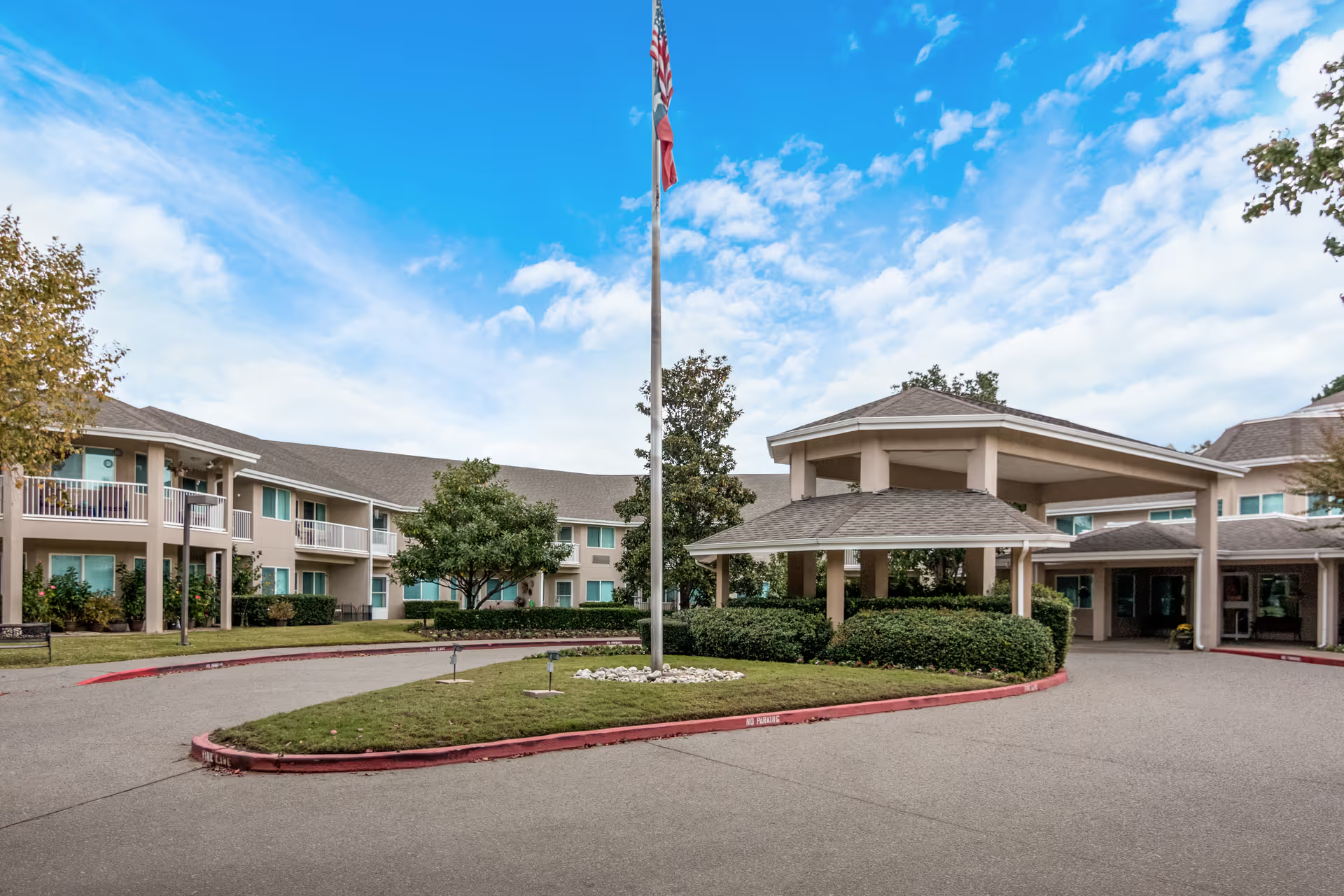
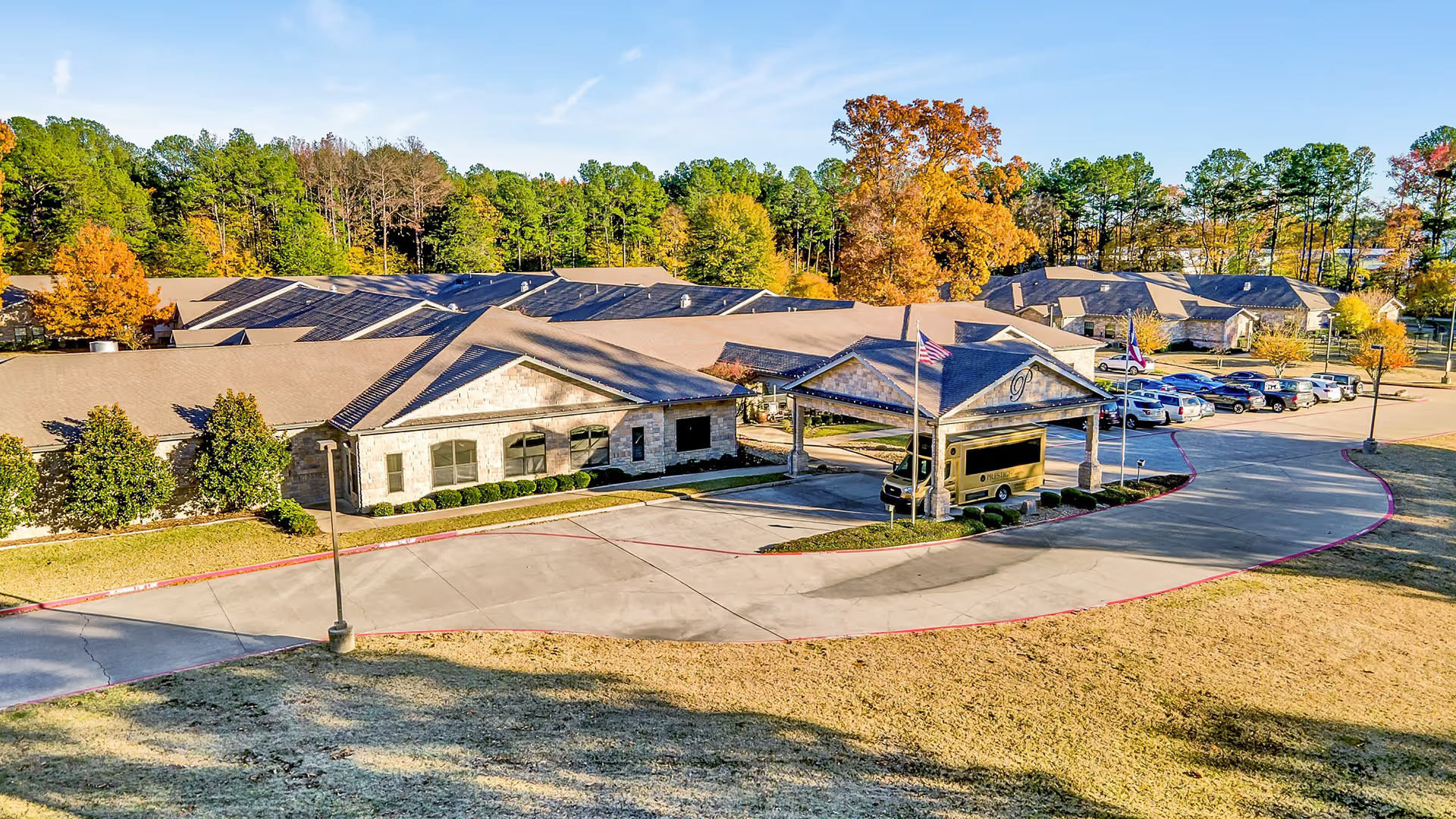
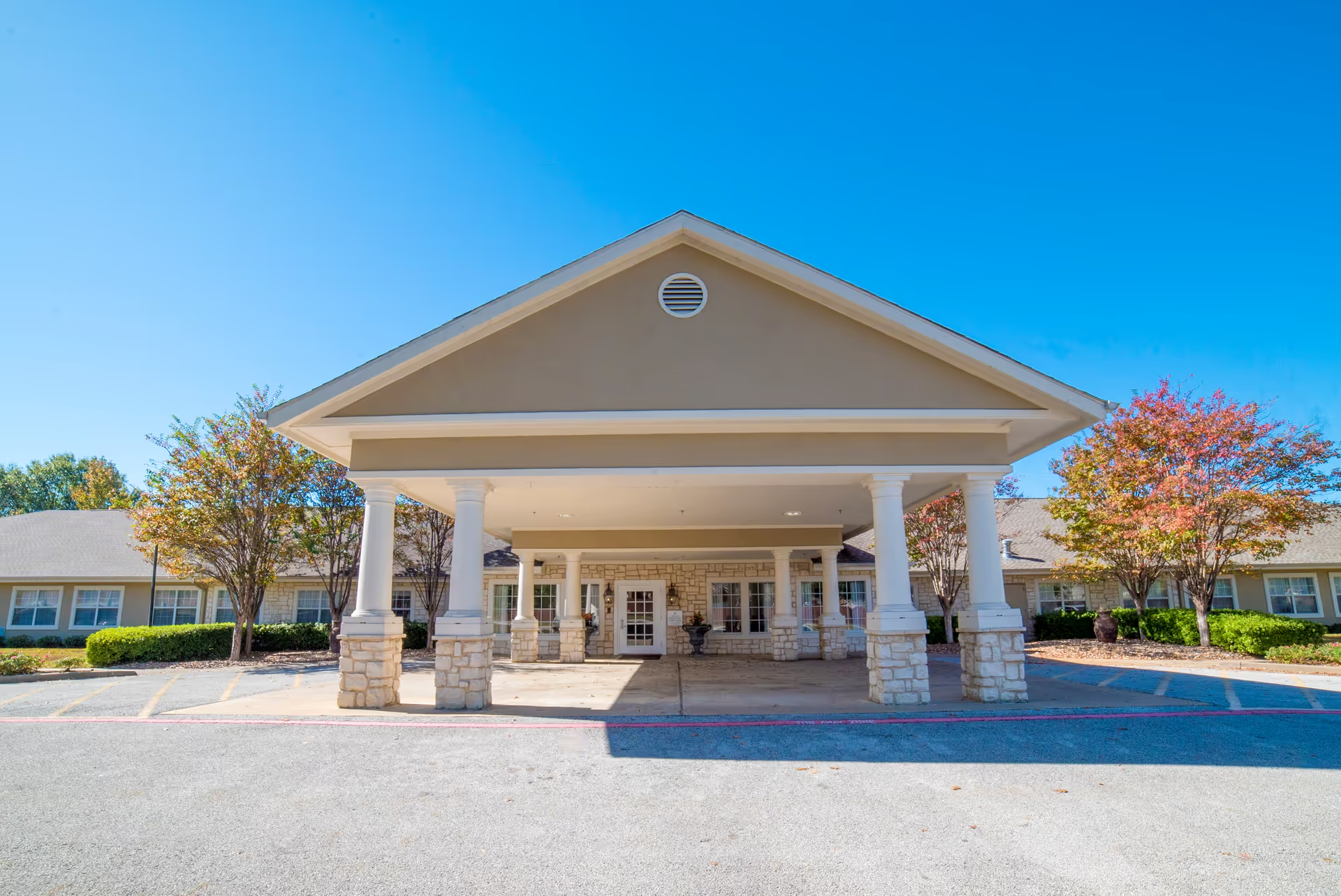
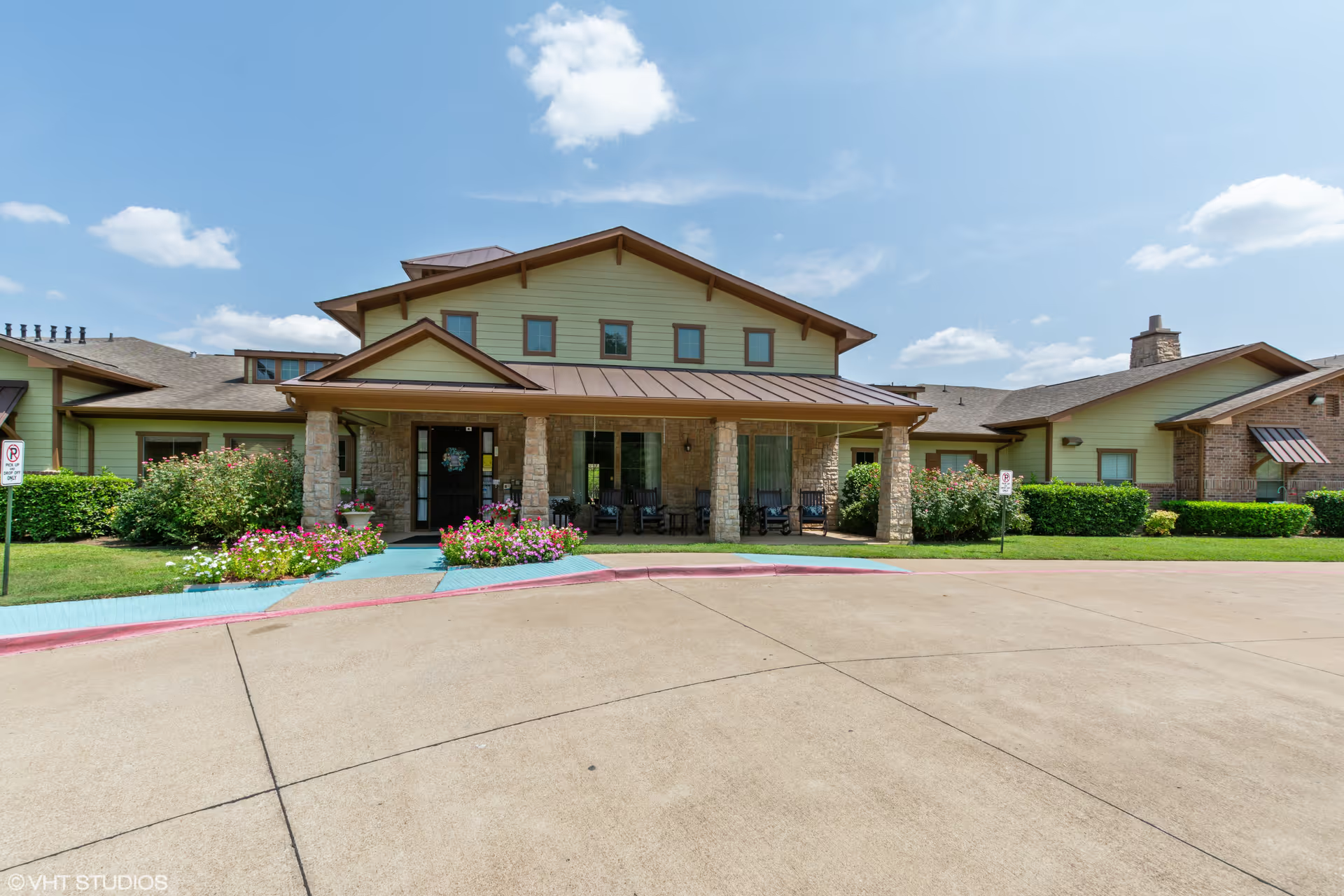
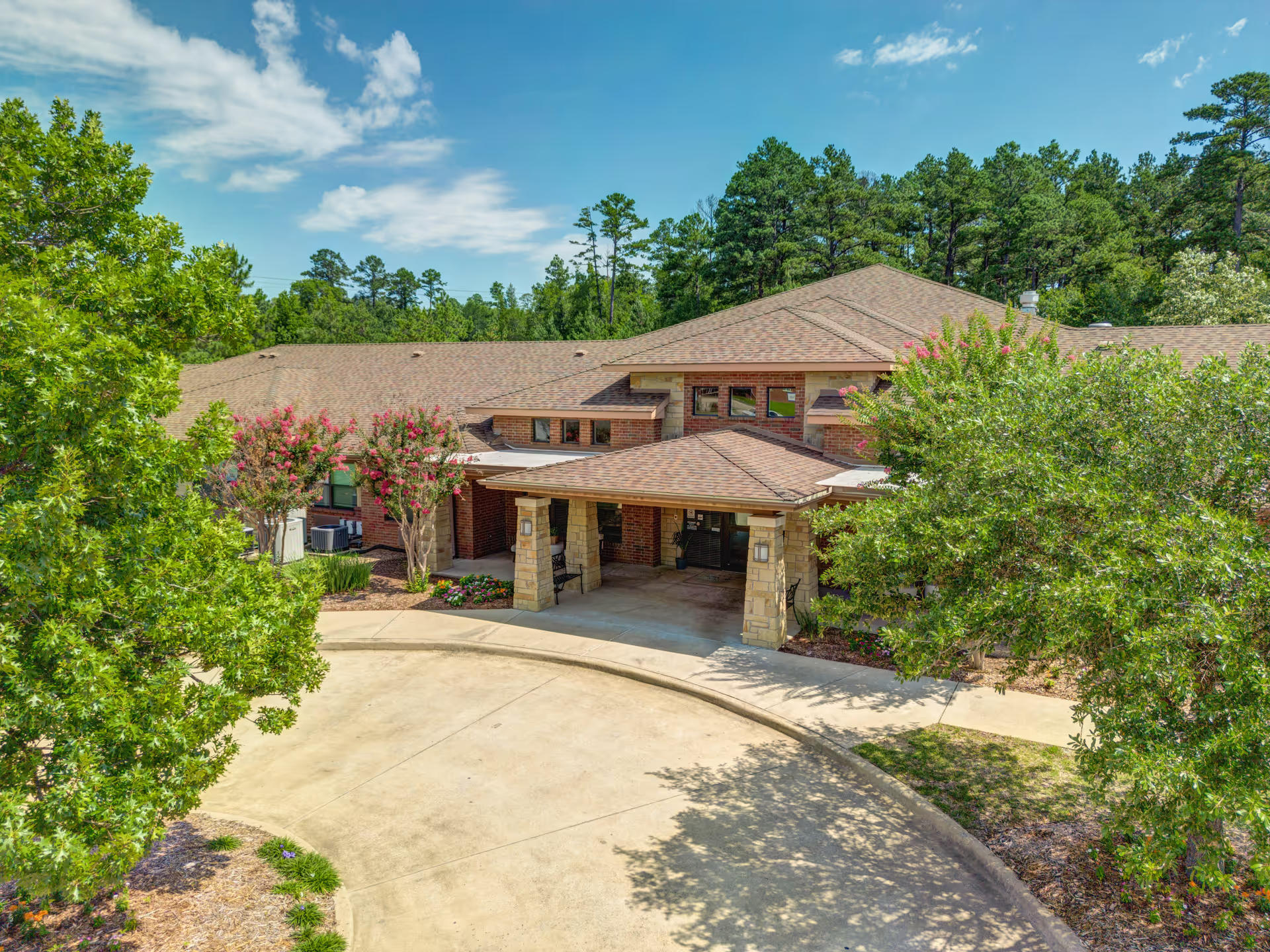
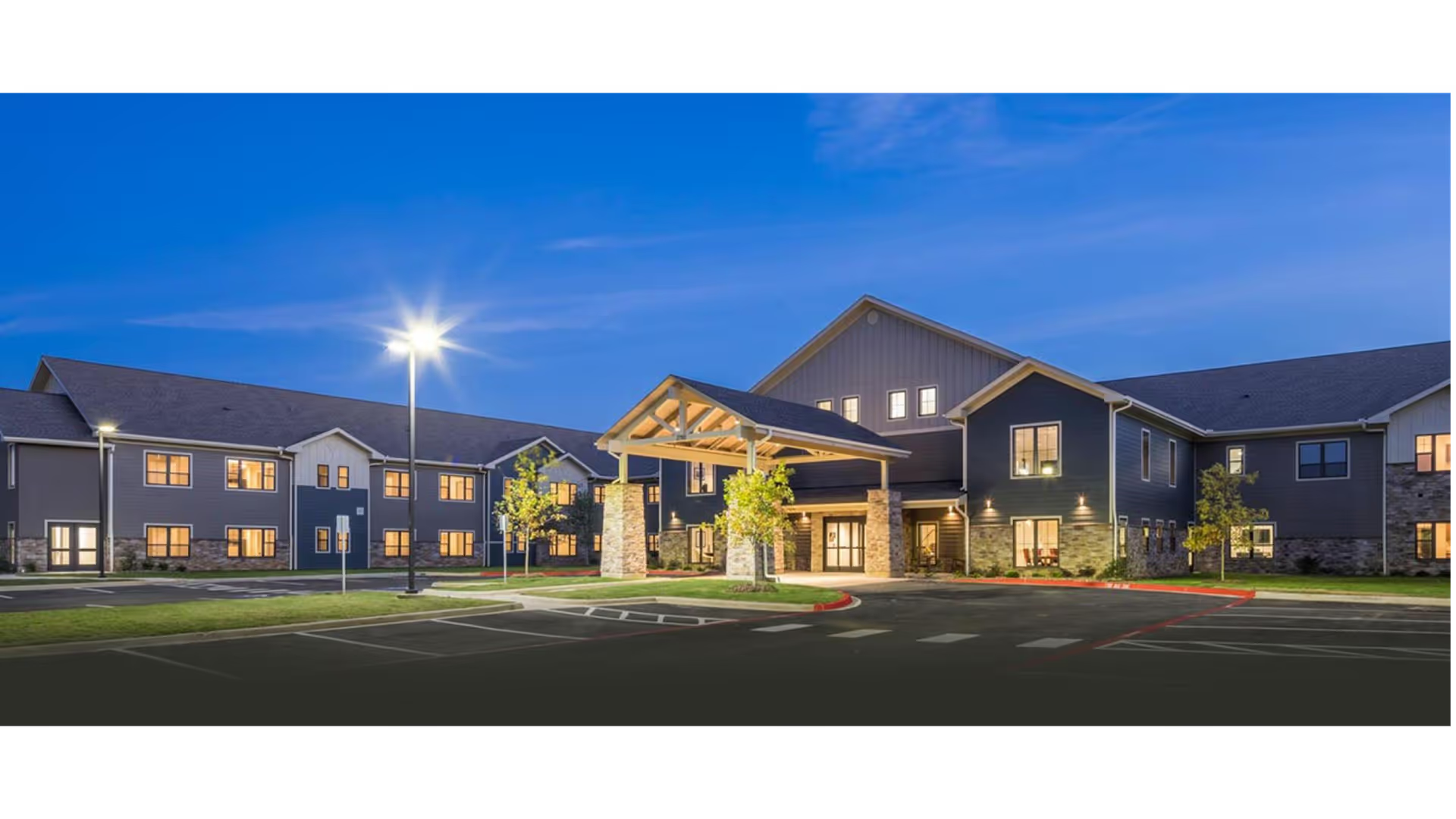
Atria Copeland presents a mixed but clearly defined profile: the property, public spaces and programmatic offerings are frequently praised while operational and clinical consistency are areas of recurring concern. Strengths include attractive, well-maintained grounds and bright, welcoming common areas. The community offers a range of living options — private rooms, cottages and single-story access — and promotes an active social life with exercise classes, music, religious programs, bingo, outings to cultural venues, and an engaged activities team. On-site rehabilitation and therapy services, restaurant-style dining with a chef, and routine housekeeping add to the community’s appeal for prospective independent and assisted-living residents.
Care and frontline staffing often receive positive feedback: many accounts describe compassionate, attentive caregivers who know residents by name, prompt responses from some staff members, and an overall resident-centered culture in day-to-day interactions. However, reviewers also describe variability in caregiver availability and responsiveness. There are repeated references to delays or inconsistencies in personal-care tasks, laundry, and some assistance routines; additionally, families and prospective residents should verify current clinical coverage because gaps in RN staffing and limitations for higher-acuity care were flagged by multiple sources.
Dining and culinary services are commonly cited as a strong point, with varied menus, chef-driven meals, and a restaurant-style atmosphere. At the same time, some accounts describe interruptions to meal service, occasional supply shortages, and incomplete accommodation of dietary restrictions. Prospective residents should confirm how specific dietary needs are handled and ask about contingency plans for kitchen disruptions.
The activities program is a clear positive: a broad calendar, frequent events, and organized outings contribute to a socially active environment. Transportation limitations and an underutilized technology platform for resident/family communications were noted; families who rely on facility transport or remote tech services should confirm available schedules and connectivity options.
Facility condition is a dual-edged area: many reviewers praise cleanliness, tasteful decor, and attractive landscaping, yet others report persistent maintenance problems such as water intrusion, leaks, HVAC gaps, mold/moisture concerns, and pest-control issues. These items suggest variability in building maintenance and remediation follow-through. Apartment sizes are described by some as compact relative to price, so space and layout should be evaluated against personal needs.
Management and administration produce divergent impressions. Some reviewers highlight responsive leaders, an open-door policy, and positive improvements; others describe leadership turnover, inconsistent follow-through, billing disputes, and instances of unclear or changing fee structures. Contract clarity, escalation procedures, and billing practices are areas to examine closely at tour and contract review.
Notable patterns: frontline staff dedication and robust programming are consistent strengths, while variability in clinical staffing, maintenance remediation, meal-service reliability, billing transparency, and management continuity create the majority of concerns. For families considering Atria Copeland, recommended due diligence includes confirming current clinical staffing levels (RN coverage and on-call clinical resources), reviewing recent maintenance and pest remediation records, clarifying billing and fee escalation policies in writing, and asking for examples of how dietary restrictions and service interruptions are handled. These targeted questions will help align expectations with the facility’s operational realities and the individual care needs of a prospective resident.