Oak Hills Terrace Memory Care receives frequent praise for its compassionate, resident-centered staff and its dementia-specific programming. Multiple families and observers highlighted a strong commitment to engagement through Montessori-style approaches and the SPARK program, with a broad schedule of activities that includes music, faith-based services, arts and crafts, one-on-one sessions, and community volunteer involvement. Reviewers consistently describe an intimate, home-like atmosphere where staff know residents’ histories and preferences, contributing to perceived cognitive and social benefits for many residents.
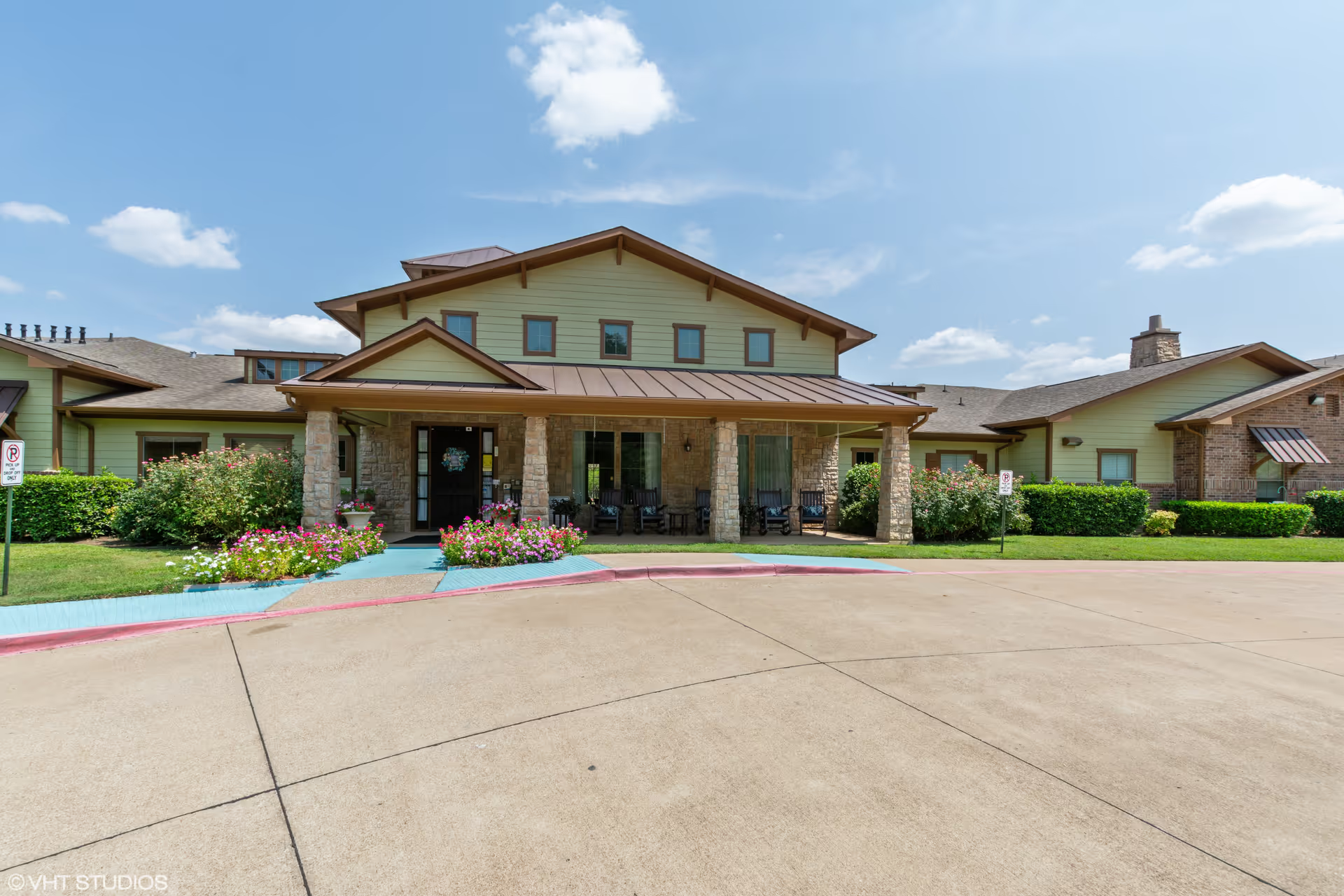
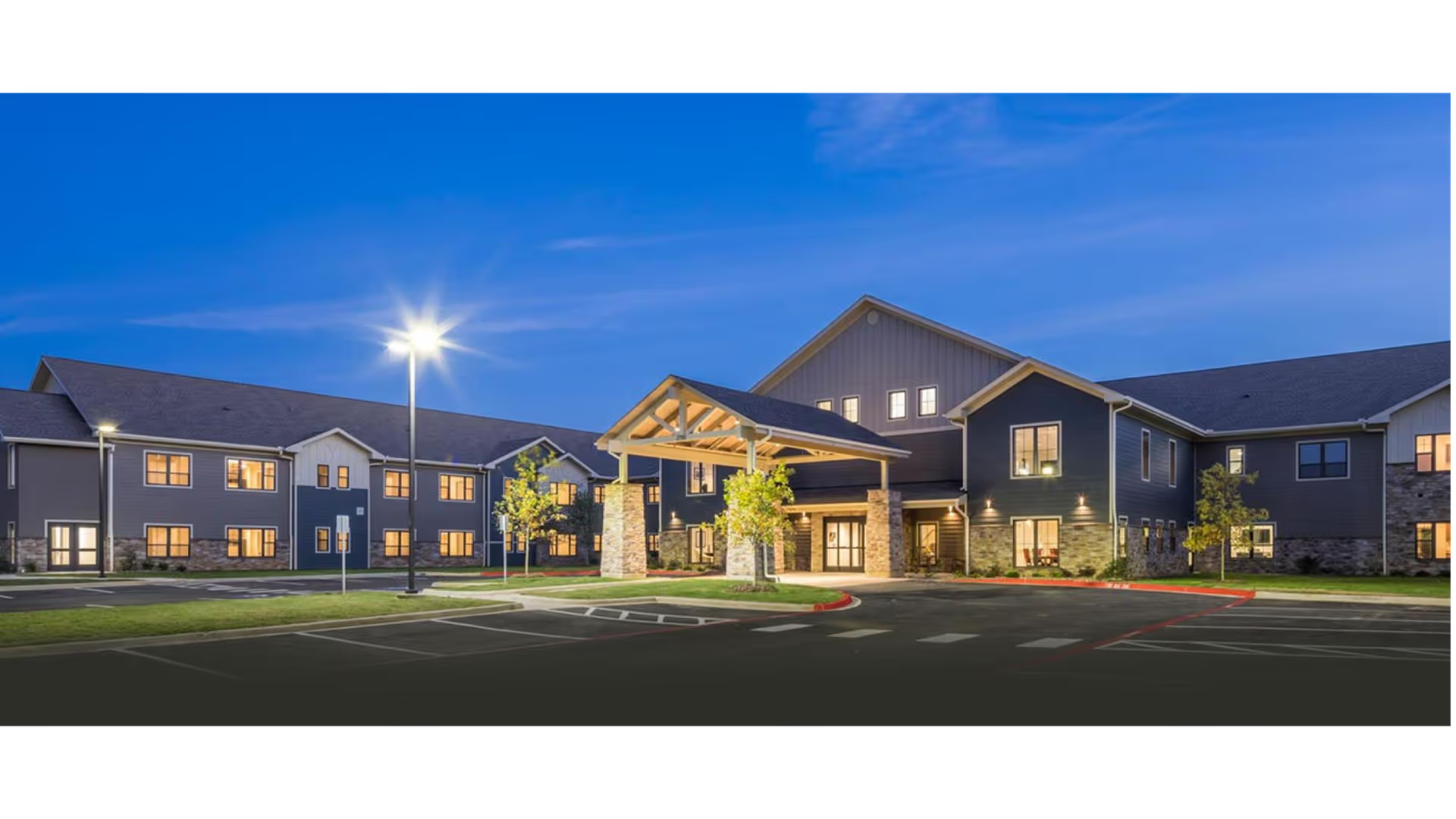
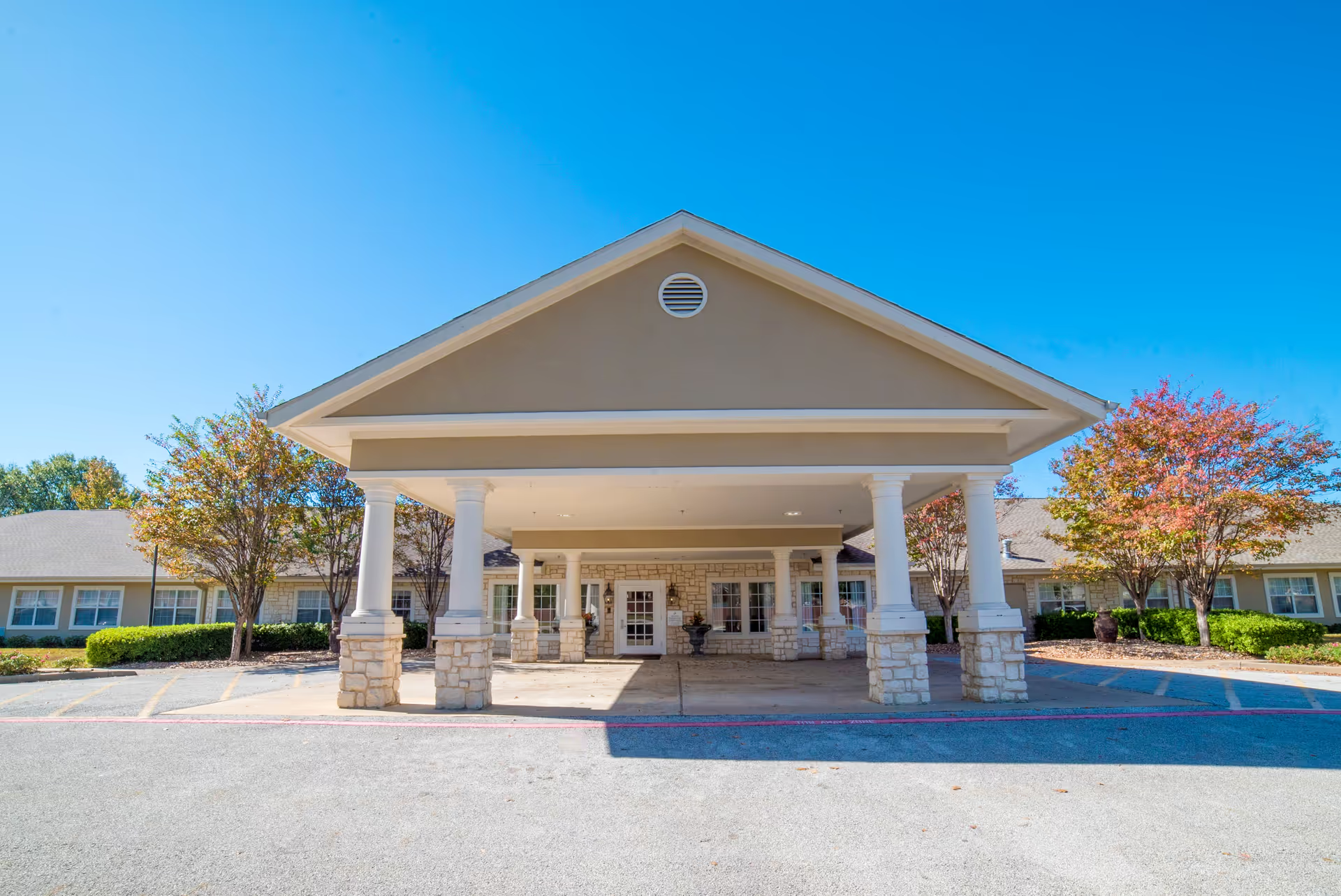
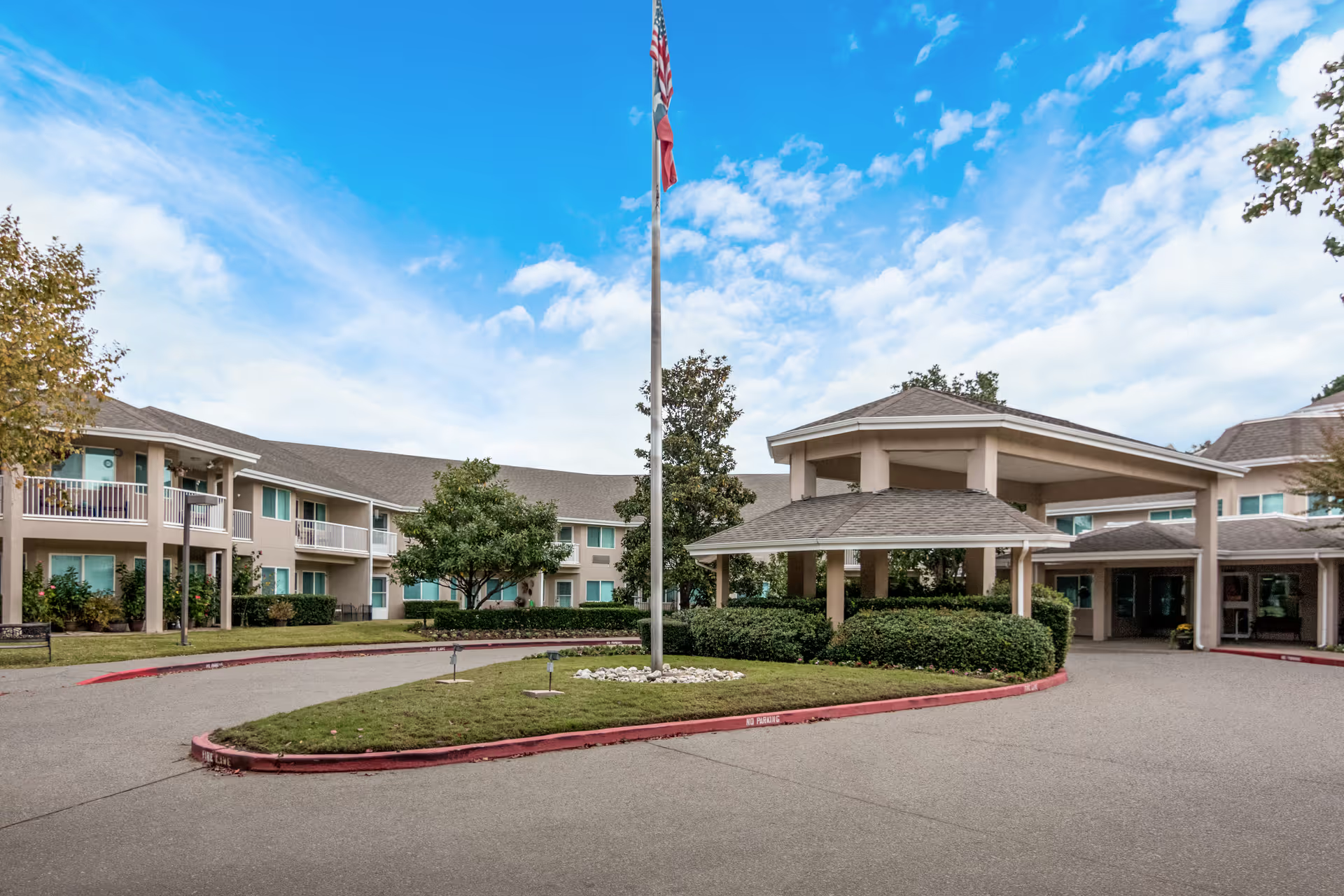
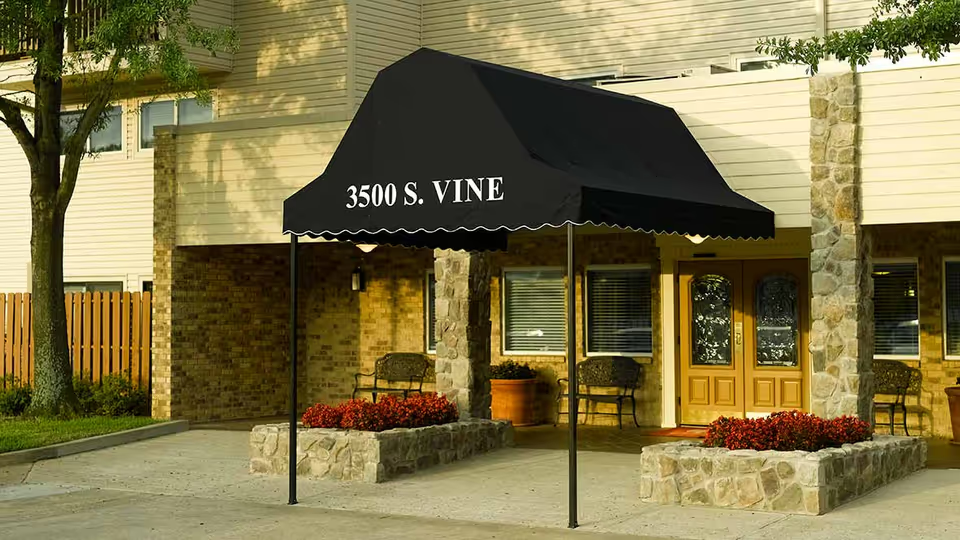
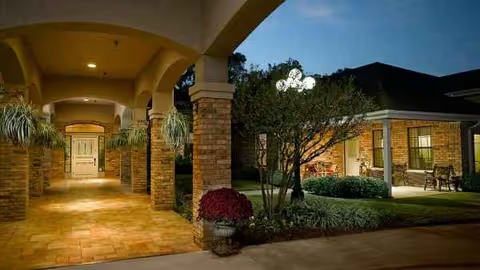
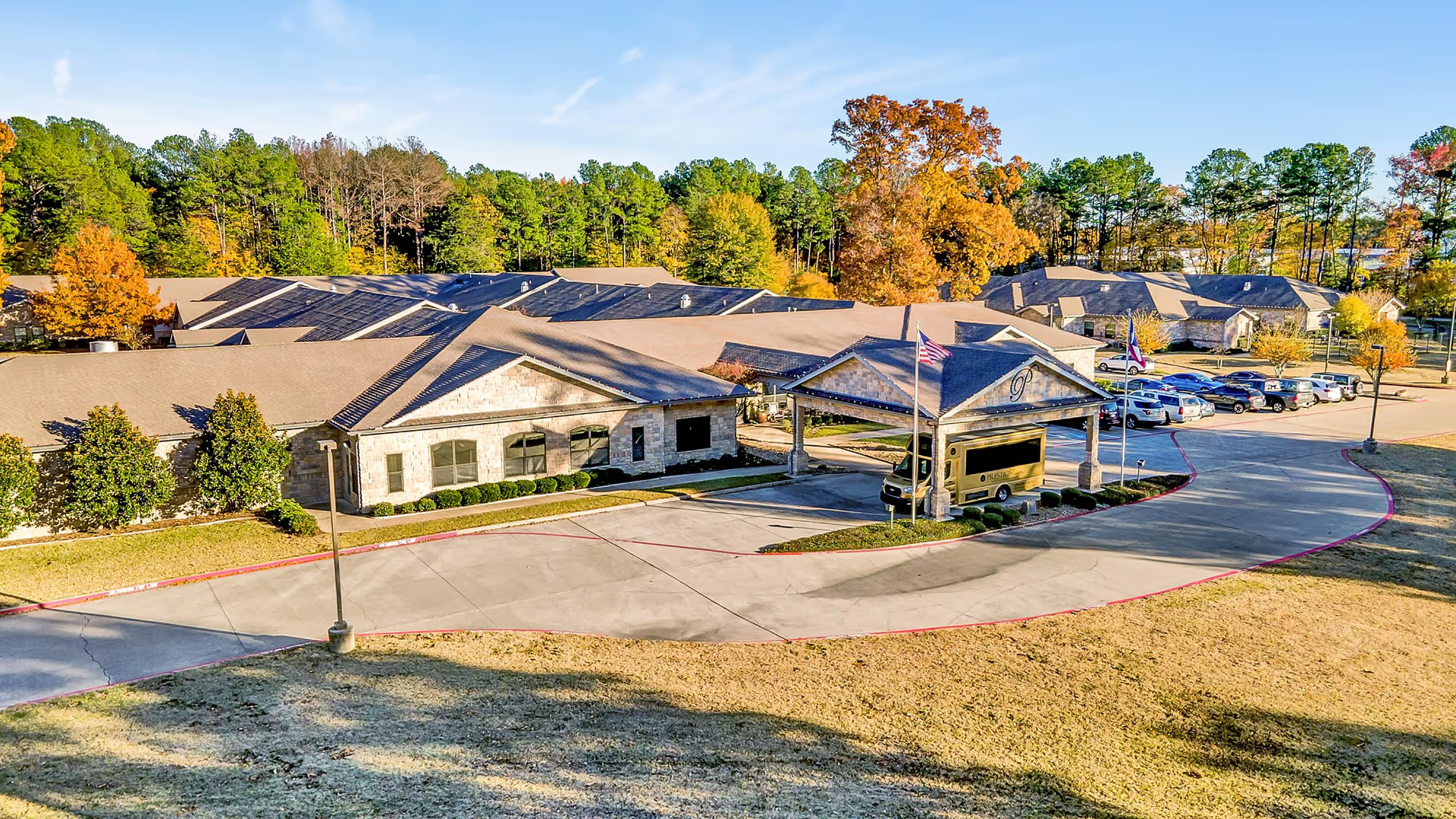
The facility’s physical environment is noted as a strength: reviewers describe clean, well-maintained, hotel-like interiors with thoughtful communal spaces, good natural light, pleasant outdoor gardens, and dementia-safe features such as coded entry and locked doors. Dining areas and shared rooms are designed to promote interaction, and maintenance staff are frequently cited as helpful. Families commonly mention active communication from staff — including photo updates and prompt condition changes — and a visible executive presence that many found reassuring.
Areas of operational concern emerge repeatedly. Staffing consistency and turnover are recurring themes; families report variability in caregiver skill and responsiveness, and some reviewers believe weekend coverage can be weaker. Several accounts point to inconsistent housekeeping and gaps in hygiene documentation, and reviewers described scheduling conflicts (for example, personal-care tasks occurring during mealtimes) that can disrupt residents’ routines and lead to missed meals. There are also notes about limited skilled-nursing availability for higher-acuity needs and occasional lapses in personal-property tracking.
Dining receives mostly positive remarks for quality and adaptability (meals made easier to eat, tasty entrees), but there are also comments about limited variety, heavier seasoning preferences, and a desire for more fresh fruit and vegetable options. Noise control in dining spaces — notably television volume during meals — was flagged as a nuisance affecting conversation and mealtime experience.
Management and communication elicit mixed impressions: many reviewers praise responsive leadership, proactive tours, and individualized attention from directors and activity staff, while others describe delays in administrative follow-up or less-transparent communication about specific incidents or hospital transfers. Cost is another mixed dimension: some families consider the pricing reasonable compared with area alternatives, while others note the private-pay model, high move-in fees, and limited single-room availability as financial constraints.
In sum, Oak Hills Terrace is characterized by strong dementia-focused programming, a caring and engaged staff culture, and an attractive physical environment that supports social interaction. Prospective families should weigh these strengths against operational patterns that may affect daily consistency — notably staffing stability, housekeeping and hygiene documentation practices, personal-care scheduling, and occasional communication gaps — and consider whether the facility’s clinical staffing level and room options match their loved one’s clinical and privacy needs.