Overall impression: ADL Assisted Living is described by families as a budget-friendly, location-convenient option with a consistently warm and compassionate caregiving staff. Reviewers commonly praise the facility's helpful administration, ease of move-in, flexibility around payments, and responsiveness in emergency situations. Many accounts highlight the personal attention residents receive — staff are described as affectionate, accommodating, and willing to coordinate outside clinical services such as physician visits and hospice.
Care quality and clinical oversight: Families note strong ADL-focused support and proactive health communication in routine situations, including monthly nursing visits and coordination with emergency services when needed. However, there are recurring concerns about clinical coverage and follow-up: limited on-site nursing presence and gaps in personal-care or wound-management processes are the most significant operational weaknesses cited. A small number of very serious clinical concerns were described by families; these should prompt prospective residents and families to ask about current nursing staffing levels, care protocols, wound care procedures, and incident follow-up during a tour or intake conversation.
Staff and management: Staff behavior and the leadership team receive largely positive comments — staff are characterized as friendly, attentive, and supportive to both residents and families. The director and administration are often described as informative and flexible, with straightforward move-in processes. At the same time, there is variability in how proactively the facility communicates: some families experience regular updates, while others report that staff communication is more reactive and requires family initiation.
Dining and hygiene: Food is generally described as acceptable but limited in variety; reviewers recommend inquiring about current menus if dining variety is important. There are isolated hygiene and food-handling practice inconsistencies referenced by families; prospective visitors should observe dining routines and ask about food-safety and infection-control practices during a visit.
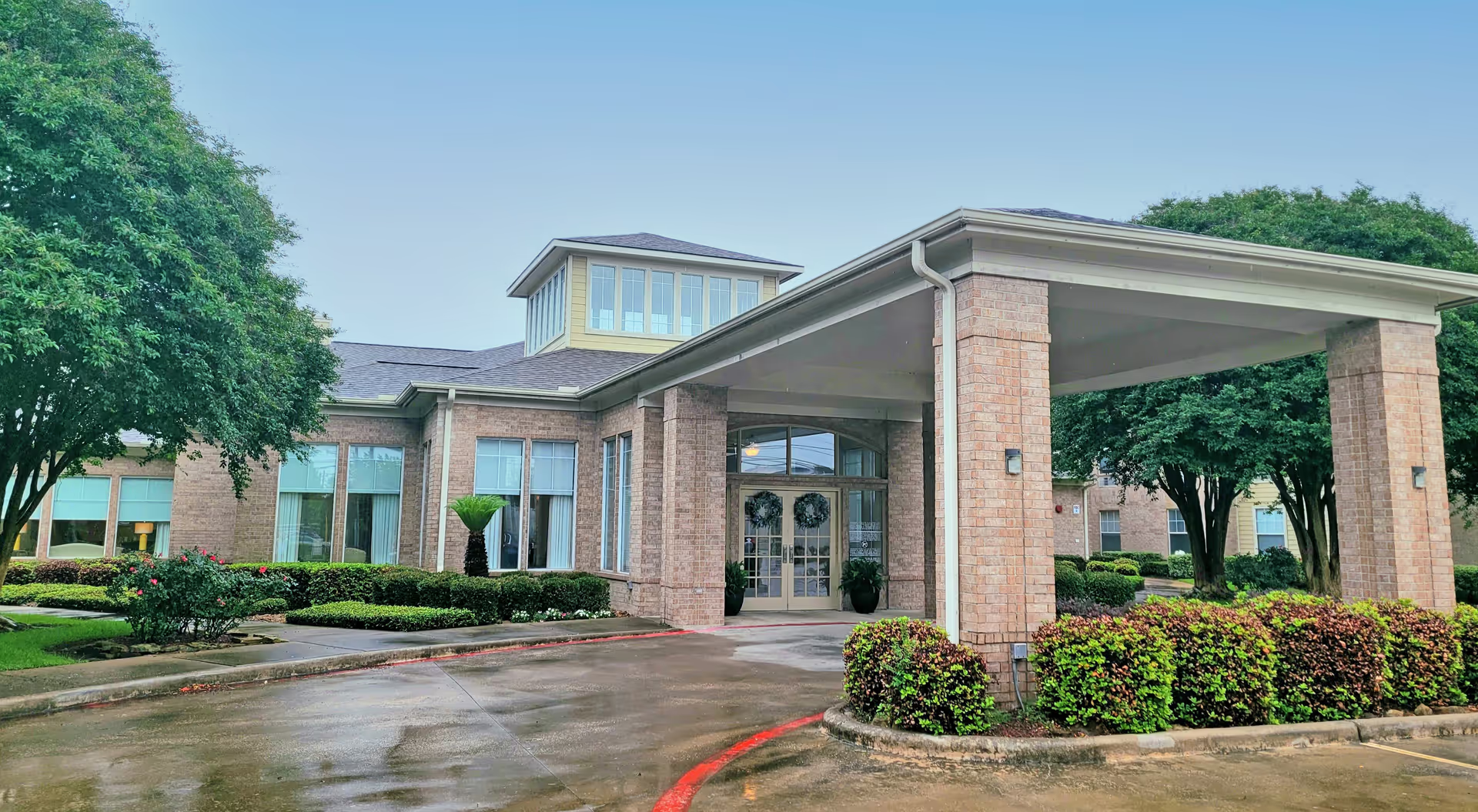
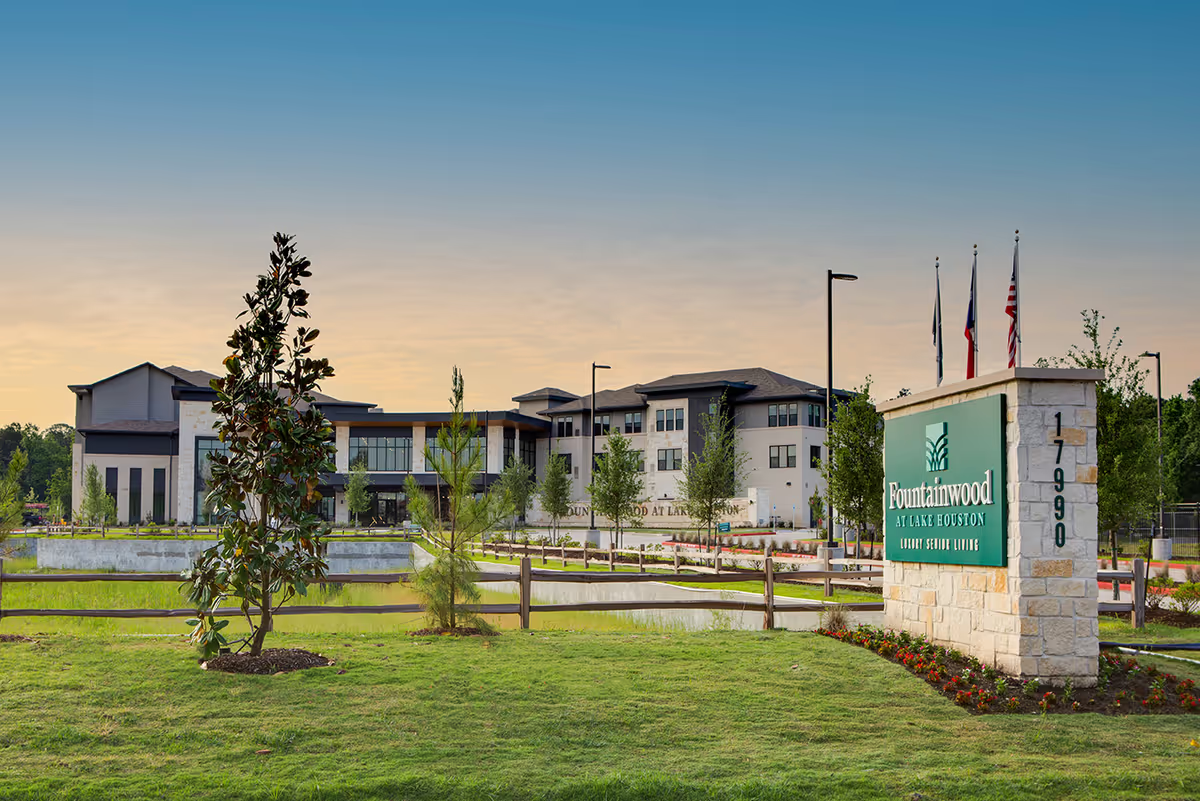
Activities and environment: Activity programming and resident engagement are less visible in the reviews — information about structured activities and how outdoor space is used is limited. The facility is described as older in appearance but clean and well maintained internally. Private rooms are available and generally considered adequately sized; outdoor areas exist but may be underutilized.
Notable patterns for prospective families: ADL Assisted Living's strengths are its compassionate, hands-on staff, affordability, convenient location, and an administrative team that is often flexible and helpful. The primary operational risks to evaluate in person are current on-site nursing coverage, consistency of personal-care and wound-management practices, hygiene and food-handling protocols, and the facility's approach to proactive family communication. Asking specific questions about staffing ratios, clinical coverage hours, wound-care policy, activity schedules, and recent inspection or incident follow-up will help clarify whether the facility's current operations align with a prospective resident's care needs.