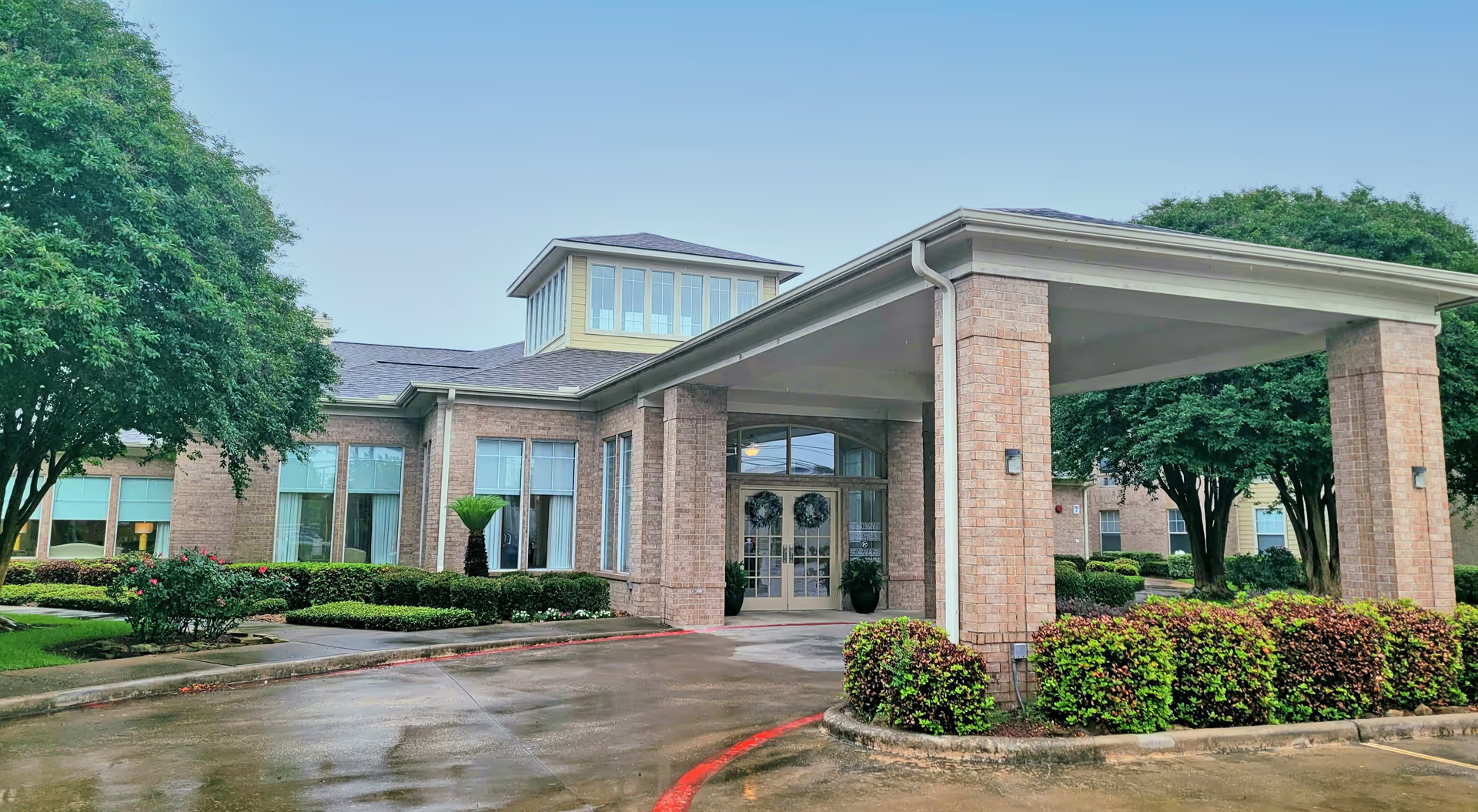
Sodalis Deer Park elicits a broadly mixed but specific set of impressions. Strengths commonly described include a modern, well-appointed physical environment, a long list of amenities (gym, salon, private dining/family spaces), and operational services such as housekeeping, laundry, maintenance, and transportation. Many families highlighted compassionate, knowledgeable direct-care staff and cited positive experiences in memory-care and end-of-life support. On-site clinical resources and therapy services are noted as conveniences that contribute to residents' peace of mind and continuity of care.
Care quality and staffing: Direct-care staff receive frequent praise for compassion, individualized attention, and willingness to go beyond baseline duties. At the same time, a recurrent operational pattern is uneven staffing and frequent leadership turnover. Review narratives describe gaps in caregiver coverage, periods of limited presence in common areas, and concerns about supervision levels. These staffing inconsistencies are linked in reviewers' accounts to delayed responses, missed routine checks, and increased family anxiety about resident safety.
Medication, safety, and incident handling: Several accounts point to gaps in medication-management processes and timing that appear to stem from coordination issues with pharmacy and internal controls. In parallel, reviewers raised concerns about safety monitoring in common areas and the facility's handling of clinical incidents, including claims about incident reporting and regulatory follow-through. Those are serious procedural concerns for families seeking transparent clinical governance and timely communication after adverse events.
Dining and activities: The facility's dining spaces and presentation receive positive comments, and some families described high-quality meals and social dining experiences. However, others reported inconsistent meal quality, repetitive menus, limited between-meal options, and insufficient dietary customization for residents with specific needs. Activity offerings are described positively by many — with arts, games, outings, and social programming available — yet several families found the schedule inconsistently communicated and the programming at times repetitive or not encouraging broader resident participation. This yields a mixed picture where available programming exists but its execution and personalization vary.
Facilities and maintenance: Reviewers praise the property's modern, upscale appearance, but multiple accounts point to localized maintenance and moisture-control issues (leaks, mold evidence, HVAC/AC problems) that have affected specific spaces. These maintenance items are operationally important because they influence comfort, odor control, and perceptions of safety.
Management and communication: A prominent pattern across accounts is perceived managerial instability and slow responsiveness from upper management. Families described positive interactions with frontline staff and admissions personnel, yet expressed frustration with slow complaint resolution, limited transparency about corrective plans, and a perception of corporate priorities that emphasize efficiency. A small number of more serious claims about incident handling and regulatory reporting were raised; those statements suggest families seeking clear, documented responses and assurance of compliance will want to pursue direct verification with state oversight authorities.
Bottom line: Sodalis Deer Park offers many attributes that families value — an attractive physical plant, thoughtful amenities, and oft-praised caregiving staff — but also demonstrates recurring operational weaknesses that can affect the resident experience. Prospective residents and families should weigh the facility’s strengths in social programming and direct-care rapport against documented concerns about staffing consistency, medication processes, maintenance follow-through, and administrative communication. When considering placement, ask for current staffing ratios, medication-safety protocols, recent maintenance logs, activity calendars with engagement metrics, and documentation of incident-reporting procedures to assess whether recent improvements have addressed the pattern issues described by other families.