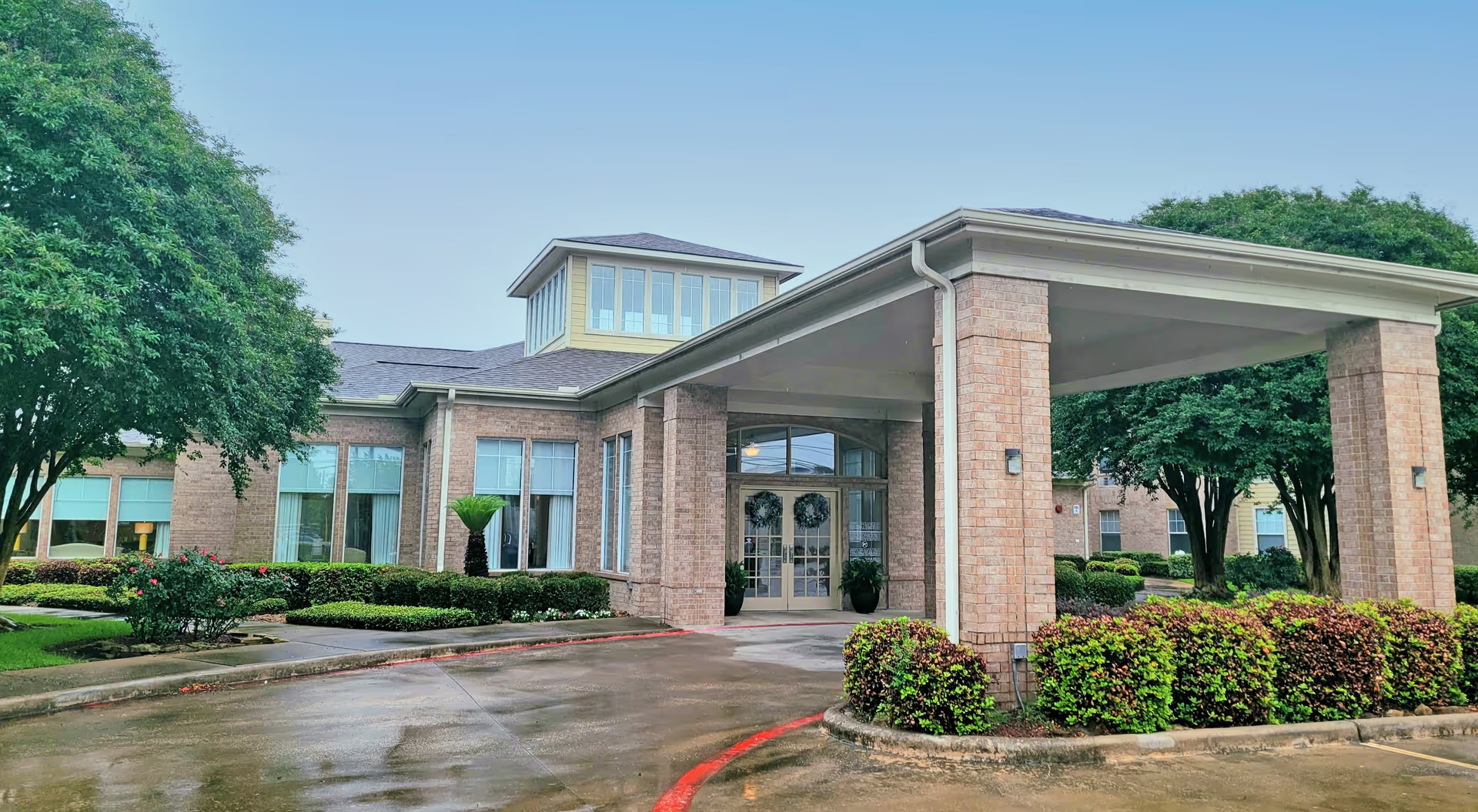
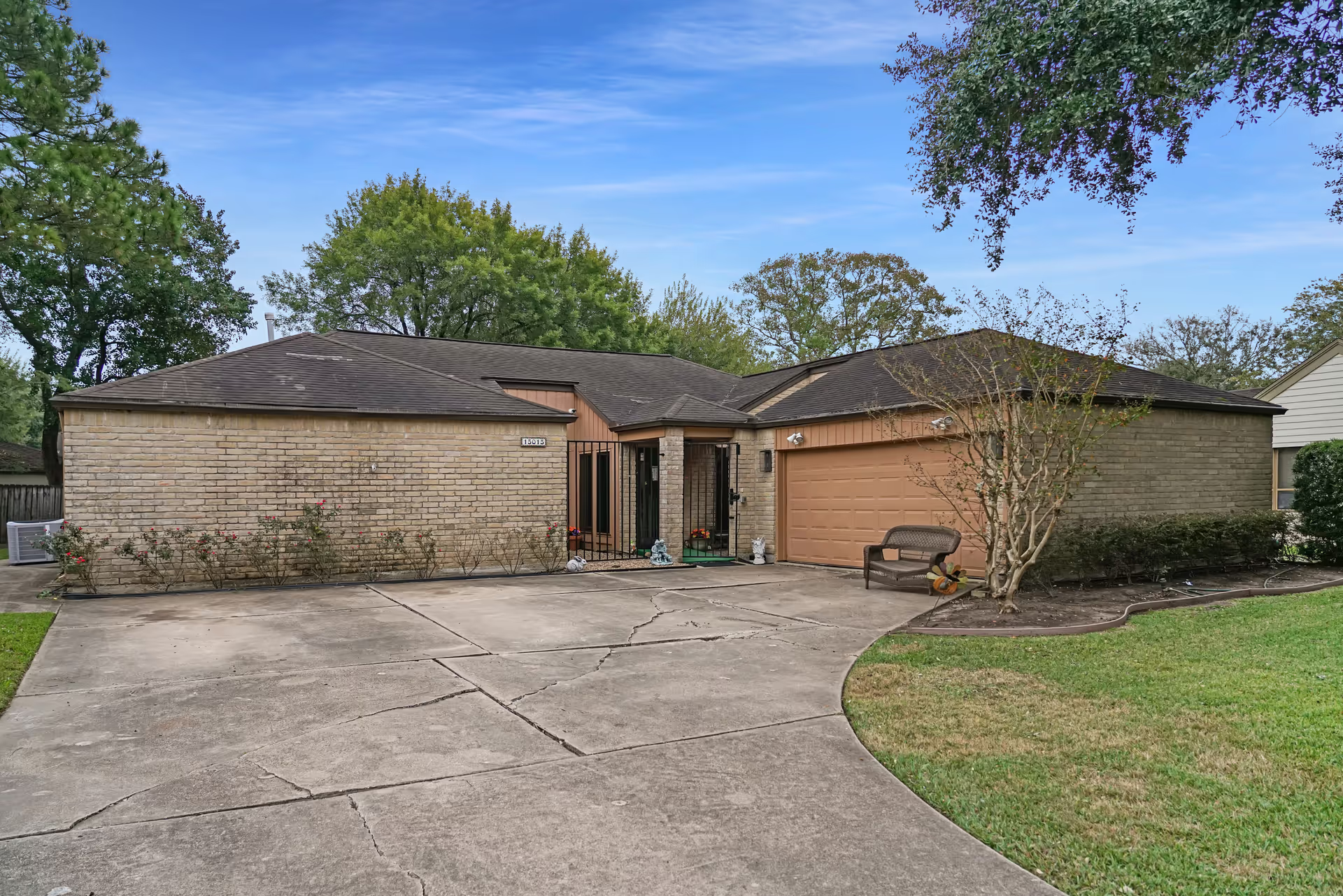
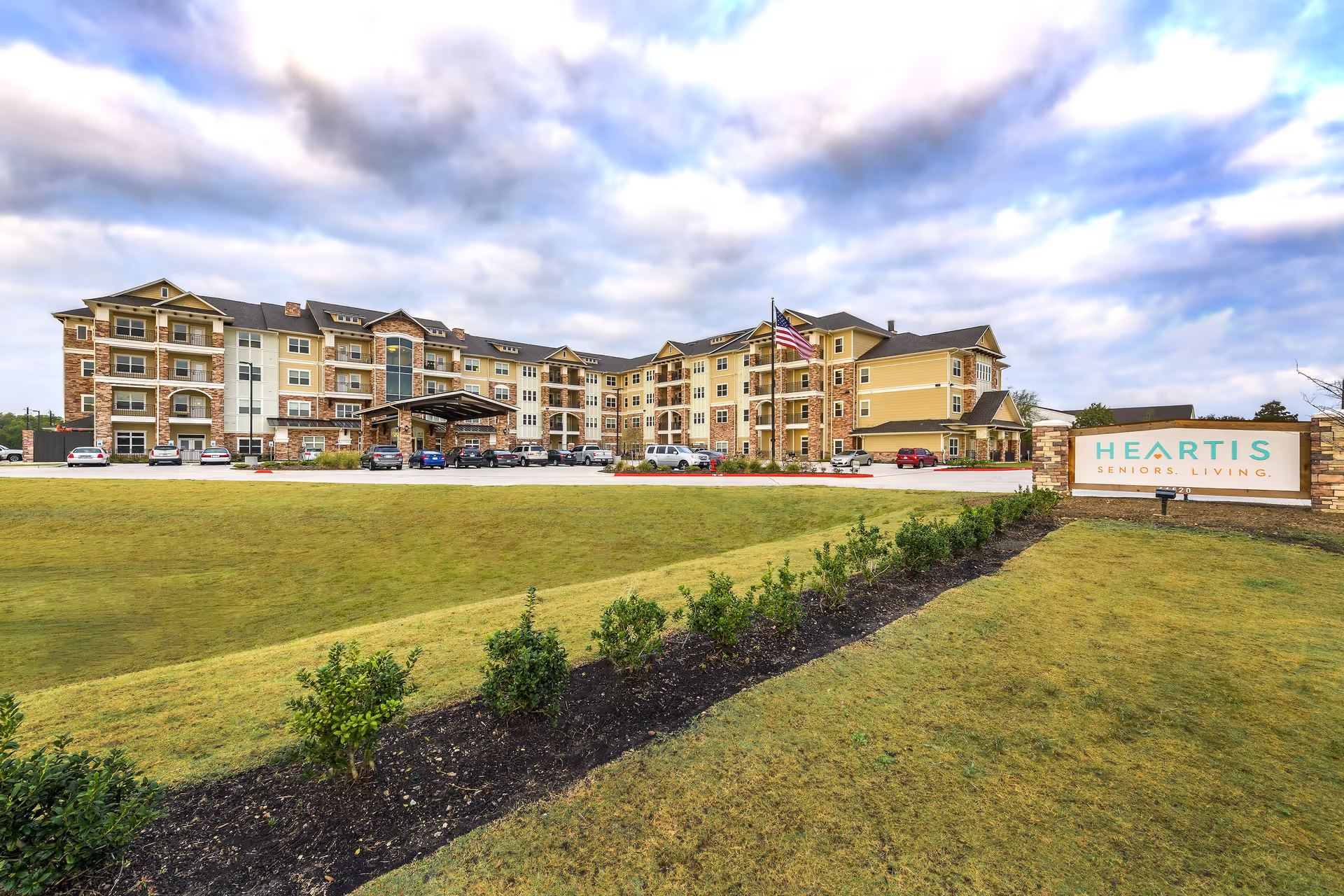
Overall impression: The Park at Bay Area presents as a clean, modern and well-maintained senior community with many families praising its caring staff, strong activity programming, and high-quality dining. The physical plant and public spaces are consistently described as attractive and new, and reviewers frequently note helpful tours, smooth move-in coordination, and a convenient location for visitors.
Care and staff: Caregivers are commonly characterized as compassionate, attentive and responsive; many families said staff treated residents like family and were accommodating during transitions. At the same time, recurring operational concerns center on staffing levels and consistency—reviewers described periods of short staffing and variable front-desk or managerial responsiveness. There are also comments indicating the community may not be staffed or equipped for higher-acuity clinical needs, suggesting prospective residents requiring complex medical care should ask specifically about clinical staffing ratios and capabilities.
Dining and activities: Dining receives strong praise for home-style, varied meals and an engaging selection. Multiple comments highlight positive food quality and pleasant dining areas. The activity program is a clear strength: frequent, diverse offerings (bingo, arts & crafts, music, karaoke, live bands, car shows, ice cream trucks, exercise classes) and an active activity director contribute to regular social engagement. Nonetheless, a subset of reviewers indicated that some residents participated less in activities, so families should discuss individualized engagement plans for residents with mobility or cognitive limitations.
Facilities and unit types: The building and communal areas are described as clean, accessible and attractive. Private apartment-style options and couples-friendly configurations are available in parts of the community. However, many units are studios or motel-style rooms without full kitchenettes or stoves; in-unit amenities are limited in some floor plans. Prospective residents should confirm unit size, furnishings, and availability of kitchen facilities if those are important.
Memory care and safety: The community offers a memory-care neighborhood and secure features, which some families appreciated. Reviewers also reported restrictive access policies in memory care — including locked-down dining or outdoor access at times — that can limit outdoor or communal area availability. Those seeking memory care should clarify the neighborhood’s routine, outdoor access policies, and how the community balances security with resident freedom.
Management and communication: Many families praised specific staff and directors for responsiveness and warm interactions, but there are repeated notes about inconsistent administrative communication, occasional unhelpful front-desk interactions, and management follow-through. A few comments referenced interpersonal and discrimination concerns; these are individual serious claims that warrant direct discussion with administrators during a visit.
Notable patterns and recommendations: Strengths cluster around atmosphere (when perceived as home-like), active programming, food quality, and facility upkeep. Trade-offs include smaller unit sizes, relatively high pricing, and variability in staffing and administrative responsiveness. For prospective residents and families, recommended next steps are an in-person tour focusing on the specific unit type, direct questions about staffing levels and clinical capabilities, clarification of memory-care access and outdoor policies, and confirmation of ongoing activity engagement plans tailored to the resident’s needs.