Overall impression: The Heritage Communities receives consistent praise for its compassionate, family-oriented caregiving and its focus on memory care. Many families describe a warm, home-like atmosphere driven by staff who build relationships with residents; several reviewers named individual employees (for example, Jennifer and Amy) as standout contributors. Reviewers commonly note that the facility is well maintained, bright, and odor-free, and that communal areas are set up to encourage social interaction.
Care and staff: Strengths emphasize attentive, compassionate aides and an organizational culture that promotes one-on-one attention, low resident-to-caregiver ratios, and individualized programming for cognitive impairment. The community offers dementia-focused activities and cognitive programming across ability levels. Reported weaknesses are operational: some families experienced inconsistencies in clinical responsiveness, medication oversight, and the skill level of staff across different shifts. These concerns correlate with reports of occasional understaffing and gaps in training. There are also instances that generated serious family concern (including events around infection and an end-of-life episode); these point to the need for clear clinical-incident protocols and timely family communication.
Dining and activities: Dining is frequently cited as a positive — reviewers describe nutritious, varied menus that accommodate cultural preferences and special diets, with many residents enjoying meals and snacks. A subset of families experienced variability in meal preparation and diet accommodations, so prospective residents should confirm the facility's ability to meet specific texture or therapeutic-diet requirements. Activity programming appears robust and a core strength: scheduled offerings (exercise, music, crafts, games, themed events, and family nights) and small-community performances are repeatedly praised for keeping residents engaged and socially connected.
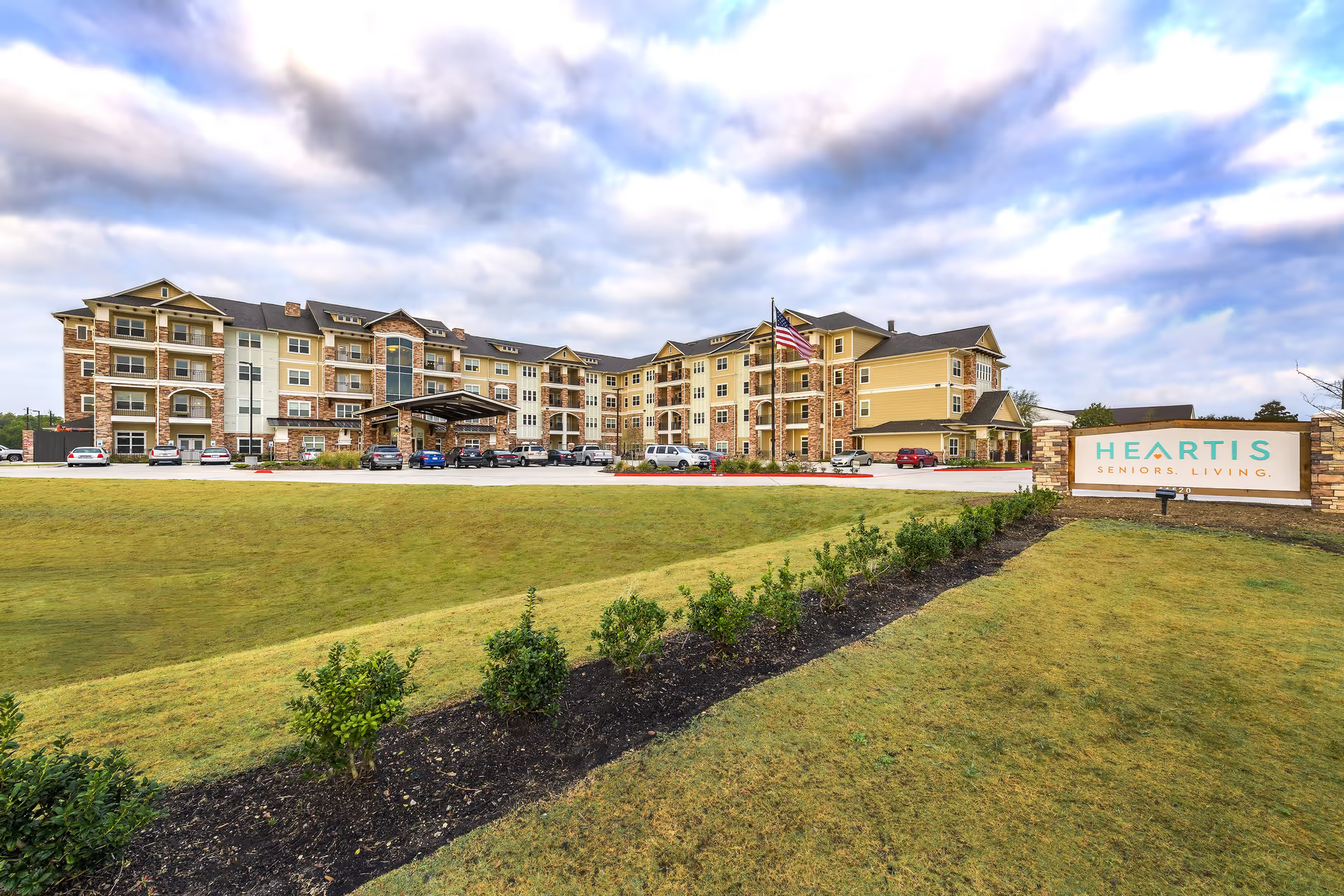
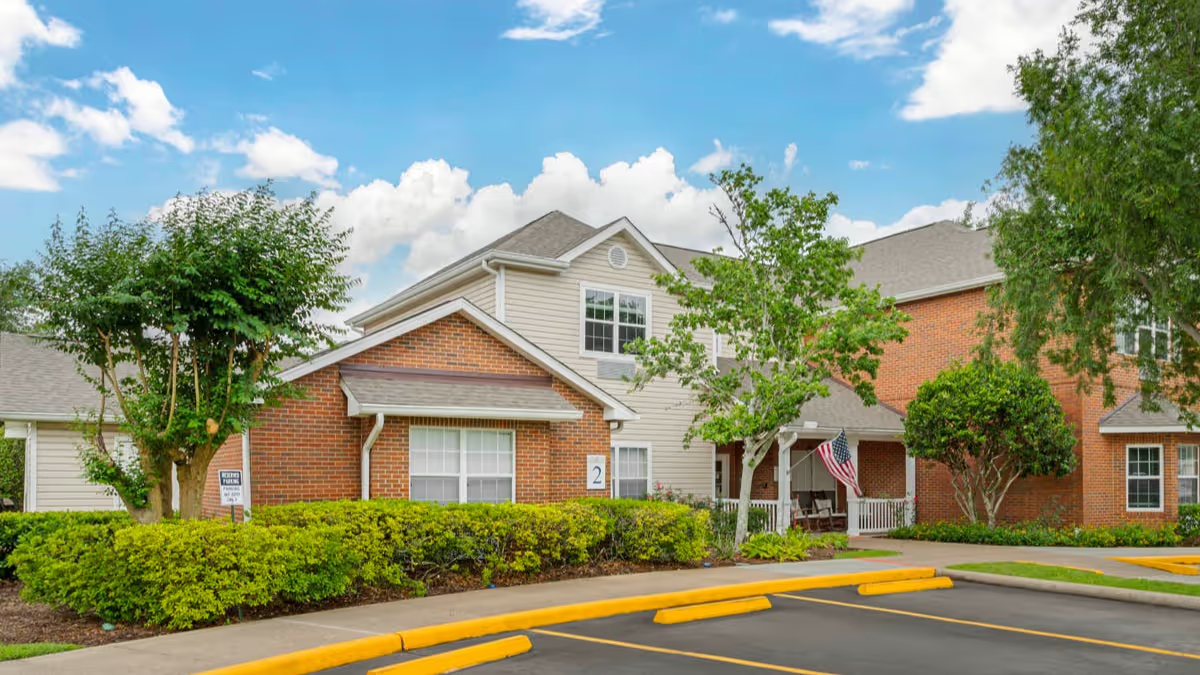
Facilities and safety: The building and grounds are often described as clean, bright, and secure, with senior-proofed design elements, controlled entry, and enclosed memory-care areas. Positive operational elements include on-site therapy, a salon, private gathering spaces, and regular housekeeping/laundry services. Reported operational weaknesses include occasional sanitation concerns in specific areas, pest-control issues, and inconsistencies in access and security procedures (for example, room-access code or visitor-process problems). These are facility-level process gaps that merit clarification during a tour.
Management and communication: Many families report strong management involvement, helpful move-in coordination, and staff teamwork. At the same time, reviews reveal inconsistent communication between office staff, nurses, and families; some families described slower follow-up on concerns or uneven performance between clinical and administrative teams. Cost and value perceptions vary: several reviewers find the price aligned with quality, while others view it as costly relative to their budget.
Notable patterns and recommendations for prospective families: The Heritage Communities appears to deliver a high-touch, memory-care–focused environment with meaningful social programming and generally positive dining and housekeeping services. However, there is observable variability in clinical responsiveness, staff training, and some operational processes. When evaluating the community, visitors should ask specific questions about staffing ratios by shift, clinical protocols for medication administration and acute incidents, infection-control procedures and family notification practices, menu flexibility for therapeutic diets, pest control measures, and how the facility documents and follows up on family concerns. A focused tour that includes the memory-care neighborhood, a review of recent staffing/clinical policies, and conversations with both nursing leadership and front-line caregivers will help clarify whether the facility’s strengths align with a prospective resident’s needs.