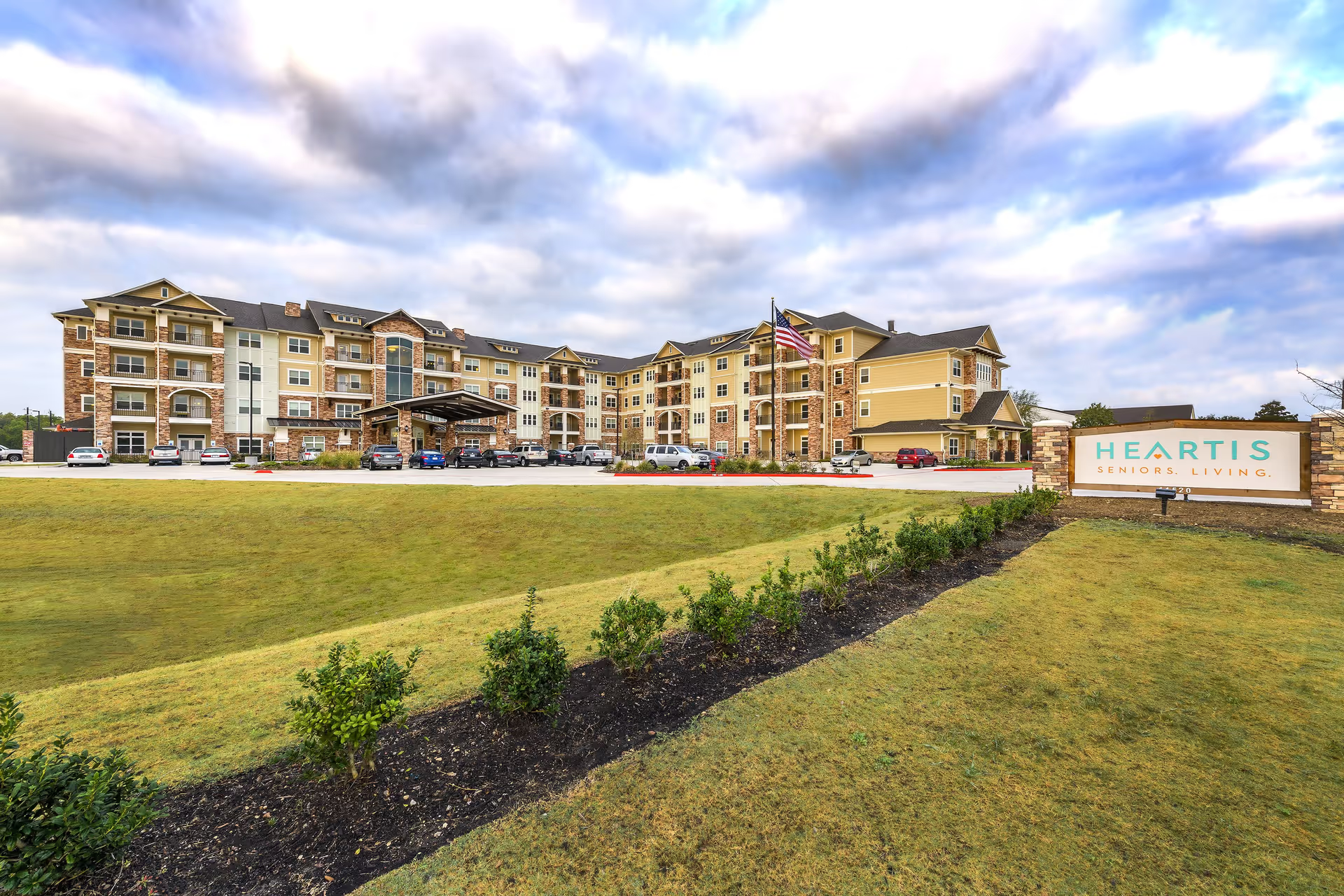
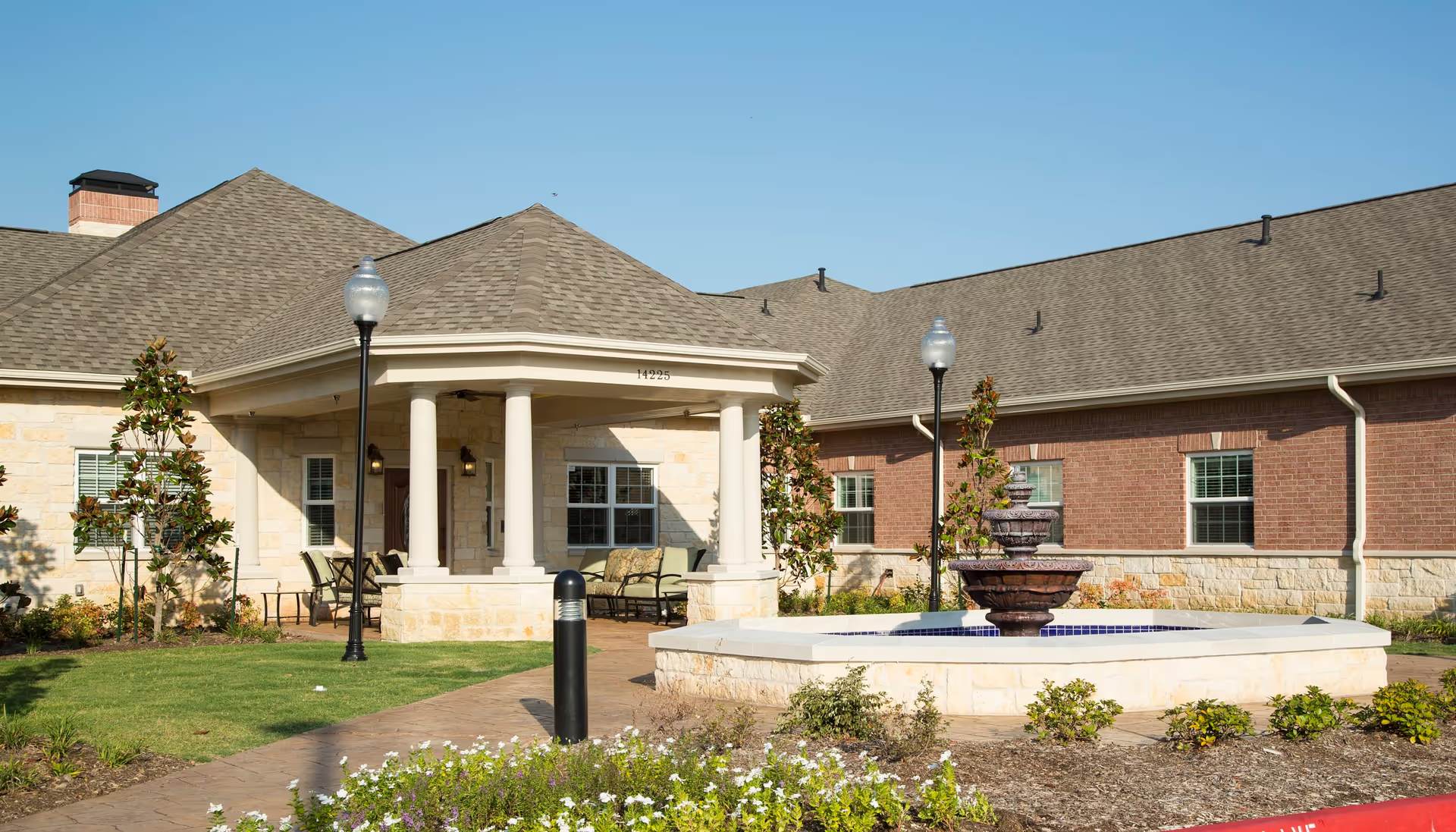
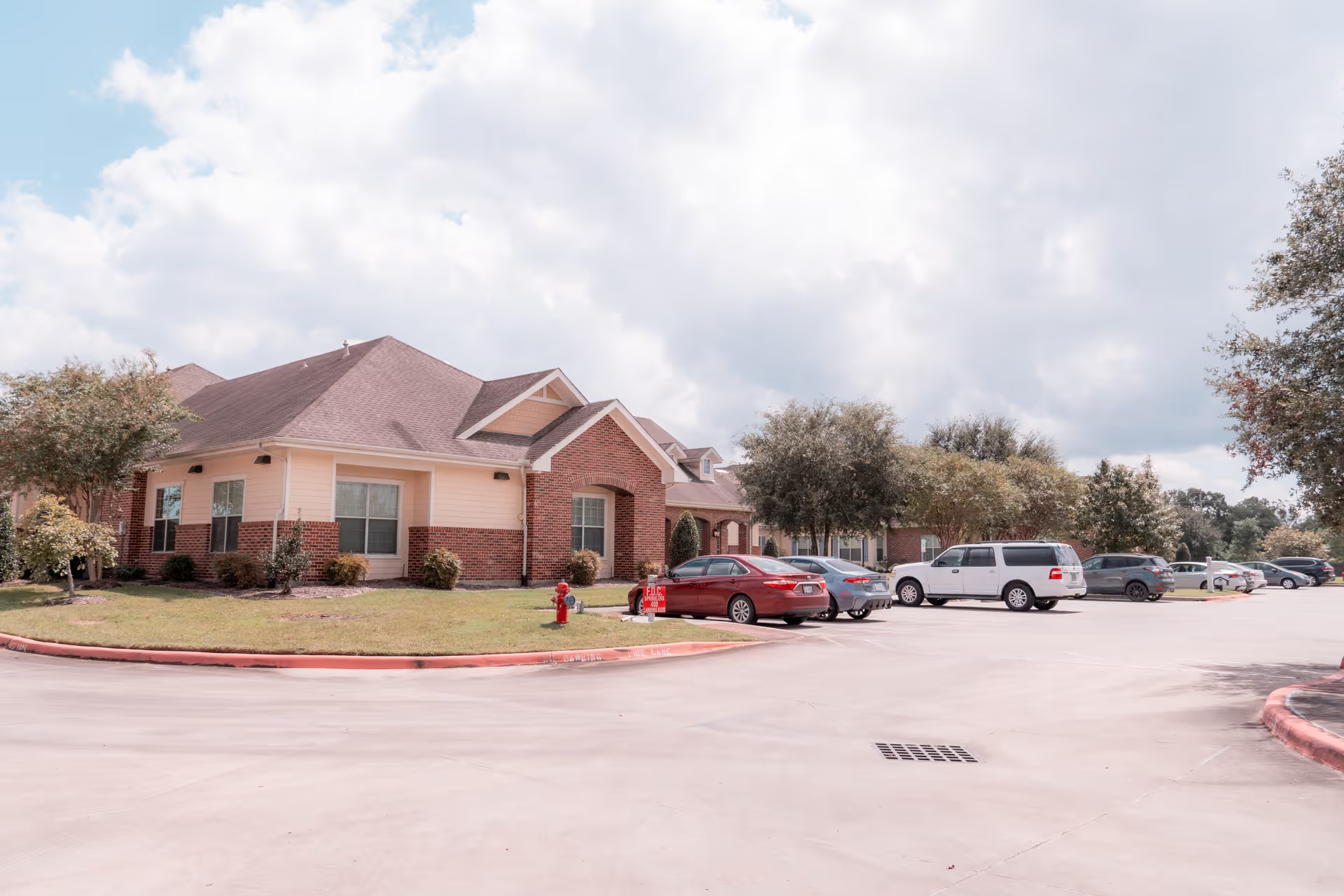
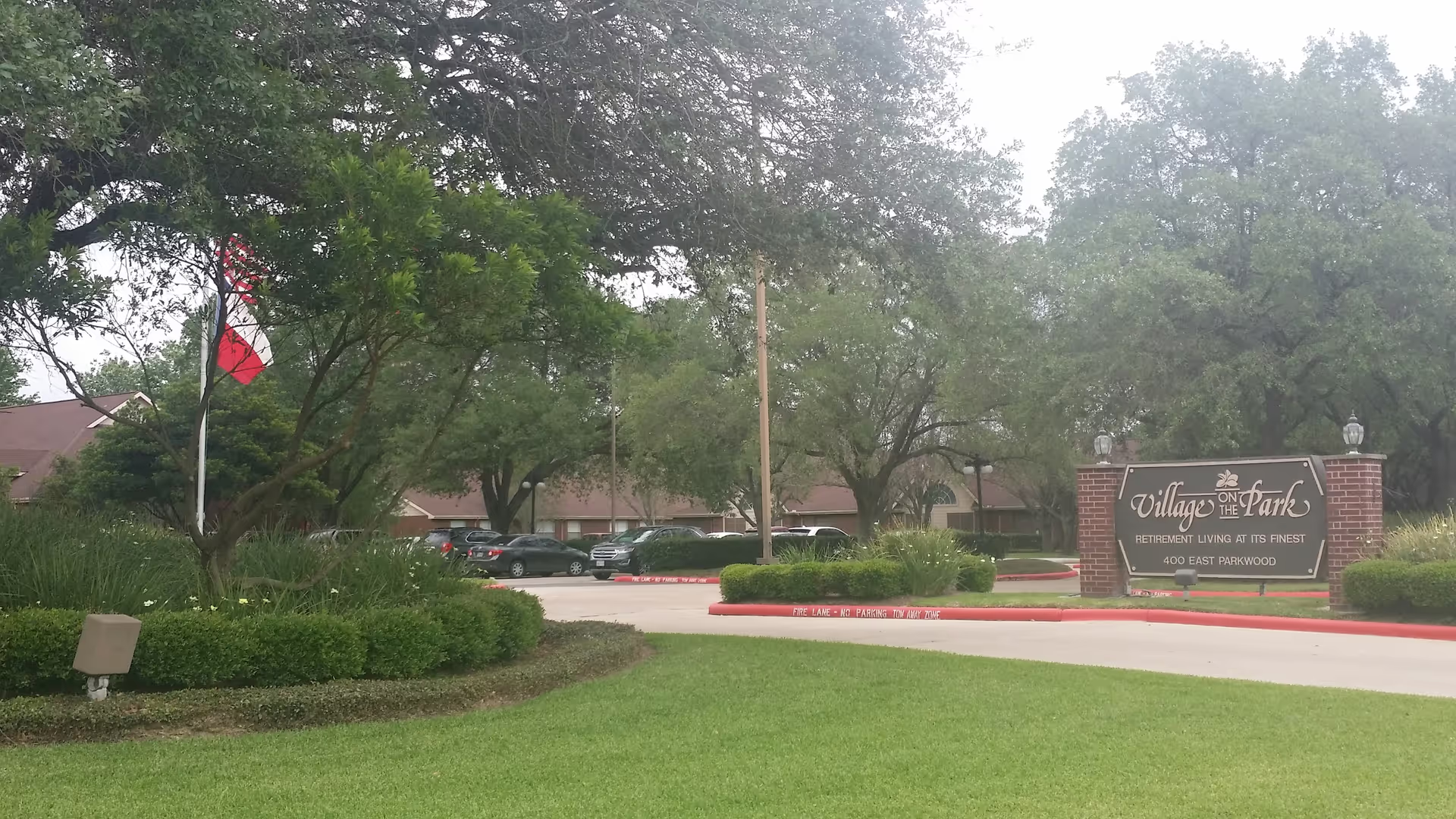
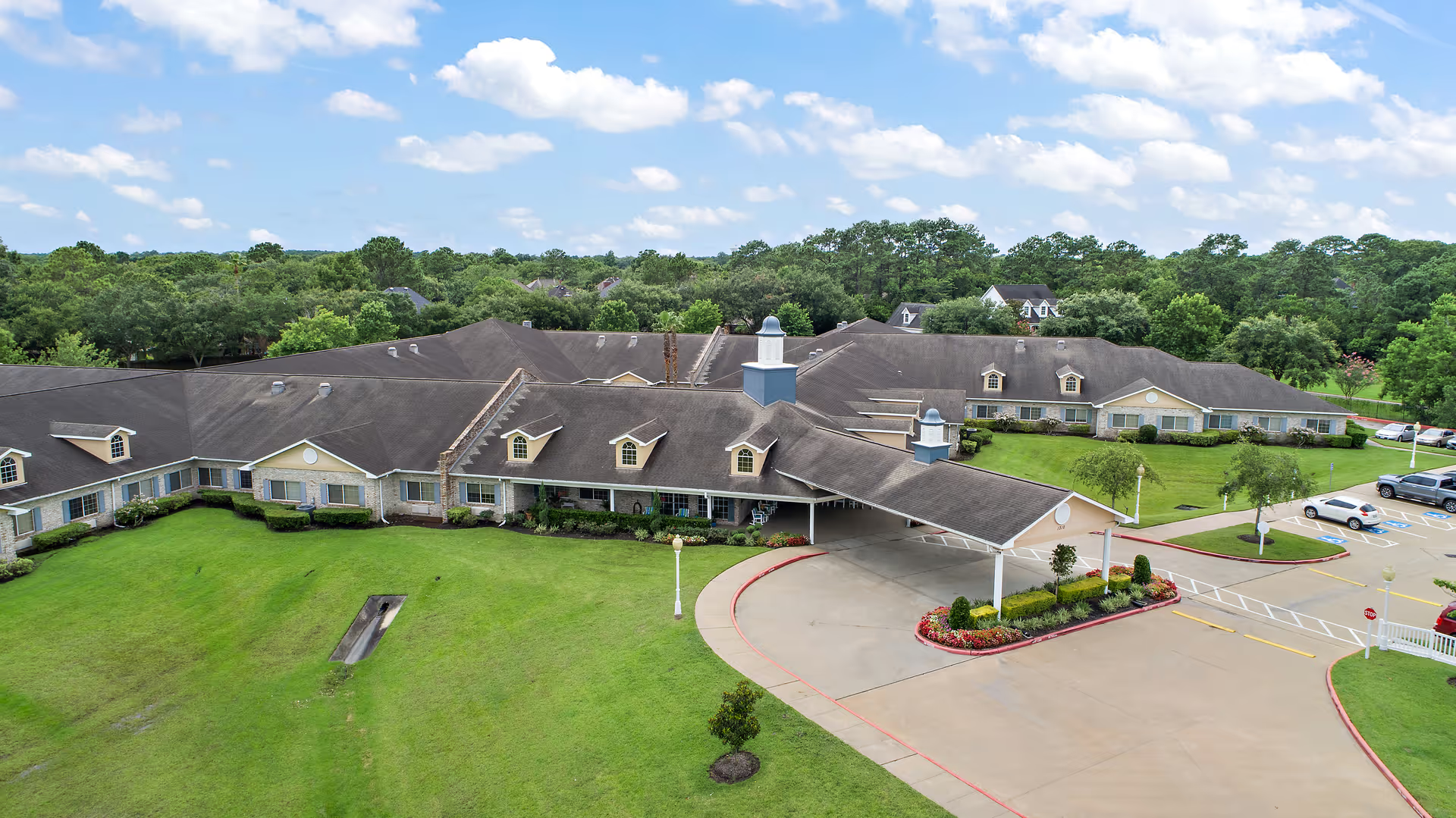
Brookdale Clear Lake presents as a large, amenity-rich independent living community with many strengths and some recurring operational weaknesses. Strengths that consistently emerge are the on-the-ground caregiving staff and the community’s social infrastructure: reviewers emphasize attentive, personalized staff interactions, an active calendar (arts, exercise, church groups, classes and frequent outings), and ample transportation for errands and medical appointments. The property is repeatedly described as park-like and well landscaped, with courtyards, koi ponds, a putting green and a pool; apartments are noted for being roomy and often include full kitchens and accessibility features such as grab bars, wide doors, and wheelchair-enabled showers. Onsite clinical supports (PT/OT, home health), salon services, a bistro/restaurant-style dining room, and pet-friendly amenities add to the community’s appeal, especially for independently mobile seniors who prioritize social engagement and convenience.
Dining and activities are central selling points: many residents and visitors praise chef-prepared meals, restaurant-style service, and the social role of the dining rooms. At the same time, dining experience is uneven in practice — while some describe exceptional food and flexible meal options, others note repetitive menus, limited meal coverage (particularly evenings and some weekends), and variable portioning. Maintenance and housekeeping receive mixed marks as well: a number of reviewers highlight quick, helpful maintenance staff and trouble-free move-in assistance, whereas others describe slow follow-through on work orders and issues with common-area cleanliness (notably elevator and hallway conditions).
Operationally, the facility shows positive safety and convenience features — emergency-response buttons, gated access, and transportation vans — but reviewers raised concerns about infrastructure resilience and accessibility. Elevator reliability and periodic outages were mentioned multiple times, as were weather exposure risks from open-air corridors and slippery walkways during rain. Several reviewers also expressed concern about emergency-power and hurricane-preparedness reliability when outages or storm recovery occurred. Laundry access and some amenity accessibility (for example, the pool lacking full handicap equipment) were cited as areas where the physical plant does not uniformly meet all resident needs.
A consistent management theme is variability: while long-tenured and frontline staff are frequently praised for warmth and competence, administrative communication, billing transparency, and onboarding processes are more mixed. Multiple reviewers noted unexpected fee increases, unclear pricing structure, and occasional billing or third-party-service disputes; there are also mentions of staff turnover in administrative roles that can affect continuity of communication. Infection-control events and quarantine experiences during the pandemic influenced perceptions for some families, amplifying concerns about operational consistency. Prospective residents should weigh the strong community life, abundant amenities, and attentive caregiving against recurring issues around dining consistency, administrative transparency, maintenance follow-through, and some infrastructure reliability. An in-person tour focused on current dining options, recent maintenance improvements, elevator status, emergency-power plans, and clarity on fees would be advisable for families evaluating fit and value.