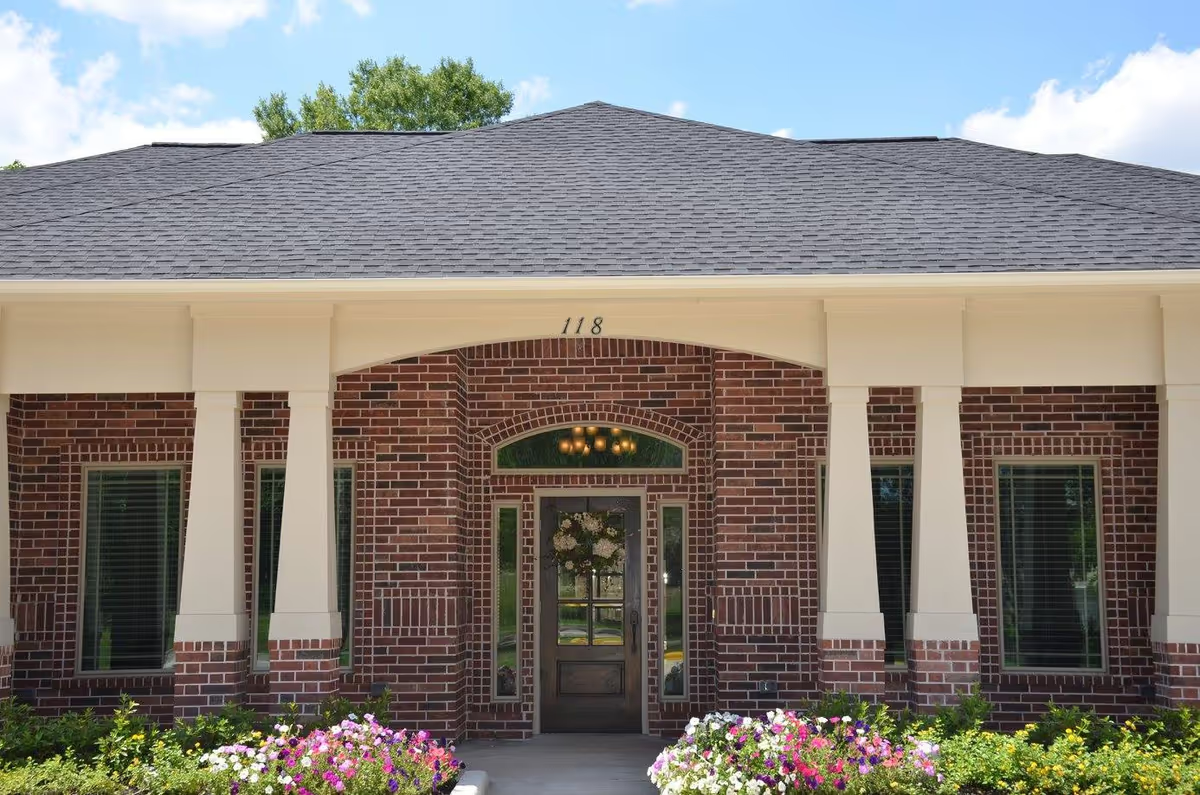
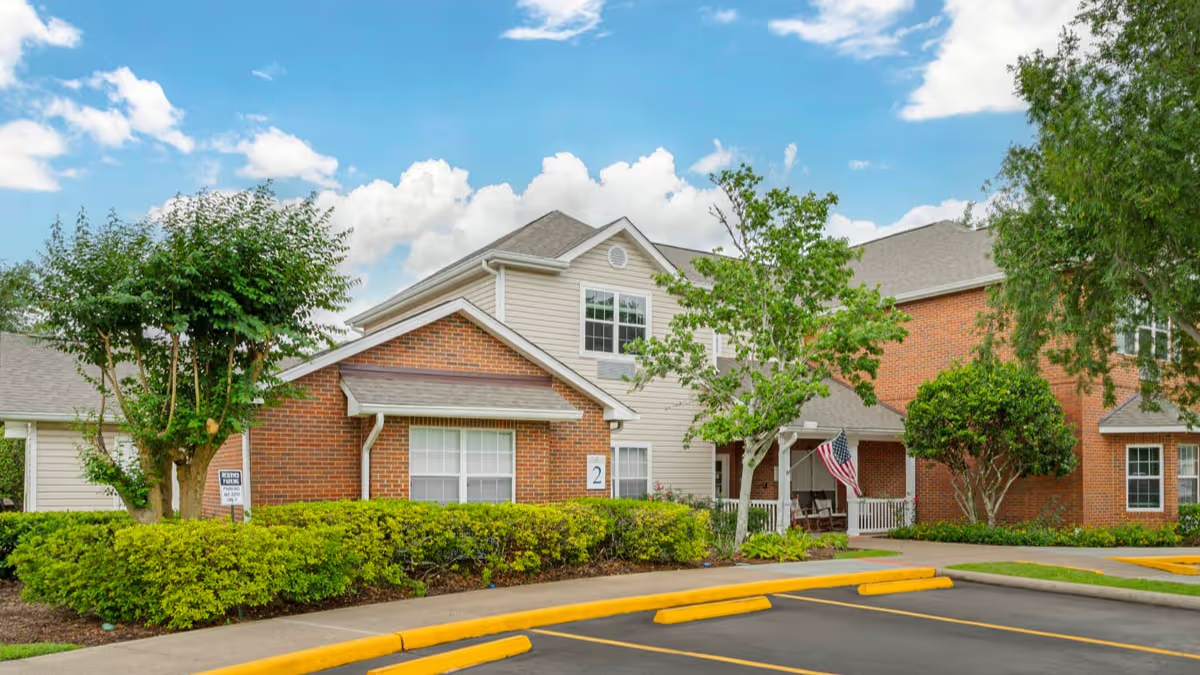
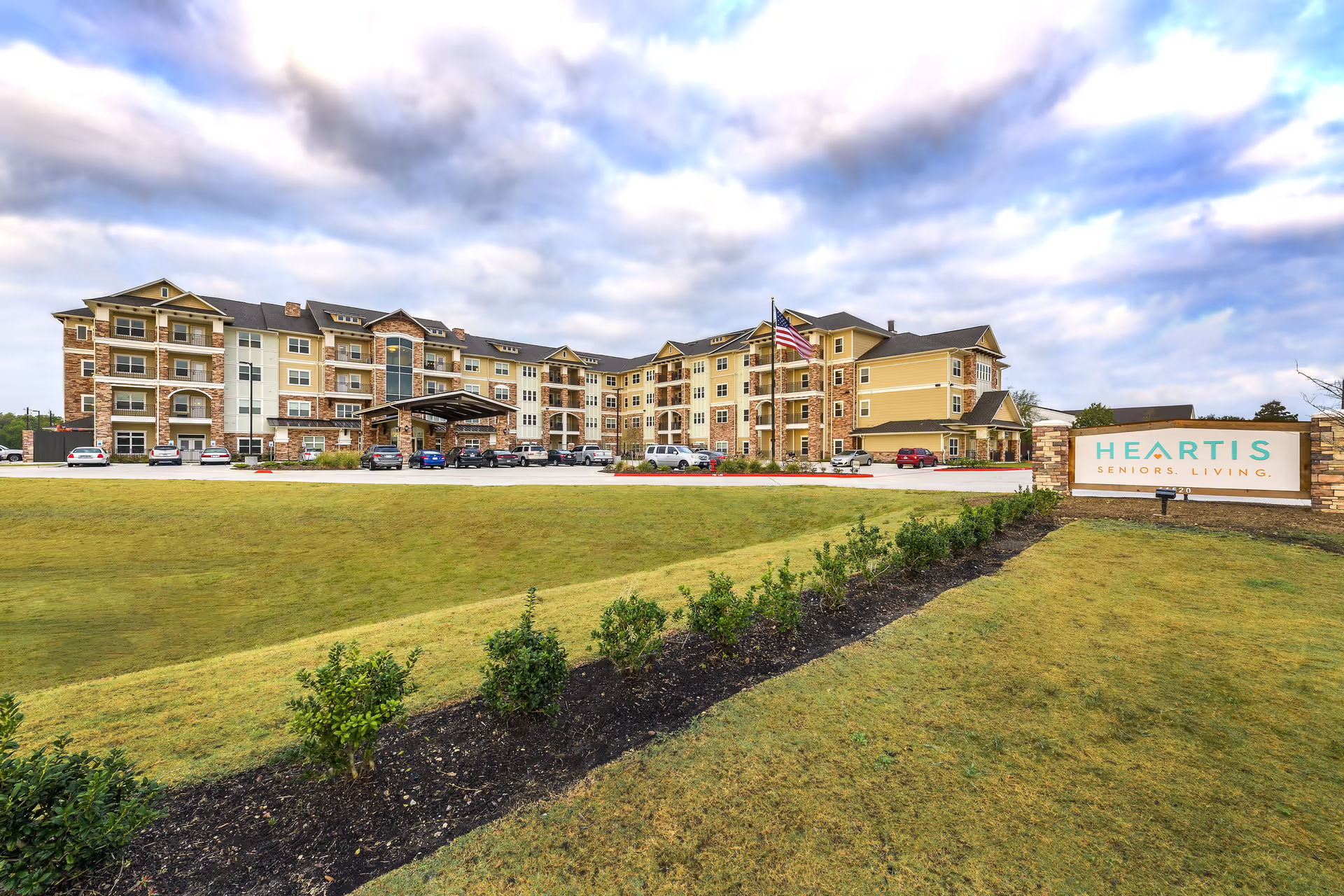
Emeritus at Friendswood presents a mixed but overall service-oriented profile. Many families and visitors emphasize a warm, resident-focused culture led by caring direct-care staff and engaged leadership in memory care. The community offers multiple levels of care — independent living, assisted living, and a secured memory-care unit — with on-site therapy and medical resources, which supports residents with progressive needs. Physical amenities such as a landscaped courtyard, hotel-like dining room, roomy apartment options (notably in memory care), and visible housekeeping contribute to a generally well-maintained, attractive environment.
Care and staffing are commonly described as compassionate and attentive. Reviewers frequently praise individual caregivers, nurses, and memory-care teams for personalized attention, effective clinical coordination, and proactive interventions that families find reassuring. At the same time, patterns of staffing shortages and turnover were also noted; these staffing dynamics are linked in several accounts to uneven responsiveness, variable staff training/experience levels, and occasional delays in addressing needs. Families valued the safety features in place (emergency pendants, secured entries) and described the memory-care staff as knowledgeable and engaged.
Dining is an area of contrast. The facility's dining rooms and presentation are often described positively — comfortable, restaurant-like dining spaces and some appealing menu offerings. However, there are consistent operational concerns about meal quality consistency, limited therapeutic or diabetic meal choices, reduced dining hours or staffing on certain shifts, and instances where extra or unclear charges were applied for meals or in-room dining. These inconsistencies have produced dissatisfaction for some residents and families and appear to be an operational pressure point.
Activities and social programming are generally available and valued, with bingo, exercise, outings, and themed events cited frequently. Memory-care programming and social engagement are highlighted as strengths. Nevertheless, some residents and families find the variety or intensity of activities limited in particular units or for certain interests, and COVID-era restrictions were noted as having reduced programming at times.
Facility condition is described with both praise and concern. Many reviewers report clean, well-kept common areas, an inviting campus, and prompt maintenance for everyday issues. Conversely, there are recurring accounts of localized maintenance problems such as moisture damage, soggy carpeting, and inconsistent remediation; sanitation standards appear variable across rooms and buildings. Pest-control concerns and odor issues were also mentioned in a subset of accounts, indicating uneven environmental control in some areas.
Management and communication exhibit a bifurcated pattern. Several accounts commend admissions staff, intake coordinators, and certain administrators for clear explanation, rapid problem resolution, and family-oriented communication. Other accounts describe gaps in after-hours phone access, delayed responses to incidents, and inconsistent incident documentation or follow-up. A small number of serious allegations — involving theft and unresolved safety concerns — were raised by families and remain points of significant distrust for those households.
Finally, cost and billing transparency are recurring themes. The community is perceived by many as higher-priced relative to alternatives, and reviewers noted increases in fees and add-on charges (for medications, bathing assistance, or meals) that influenced satisfaction. Prospective families should clarify the fee structure, what is included in base pricing, and policies for incidental charges.
In sum, Emeritus at Friendswood offers substantial strengths: a caring staff base, specialized memory-care capabilities, appealing communal spaces, and a full continuum of services. These strengths are balanced against operational inconsistencies in dining, cleaning and maintenance, staff continuity, and communication. Prospective residents and families would benefit from an in-person visit focusing on current staffing levels, sample meals, unit-specific cleanliness and moisture conditions, pest-control history, activity schedules for the desired level of care, and a detailed review of pricing and included services before making a placement decision.