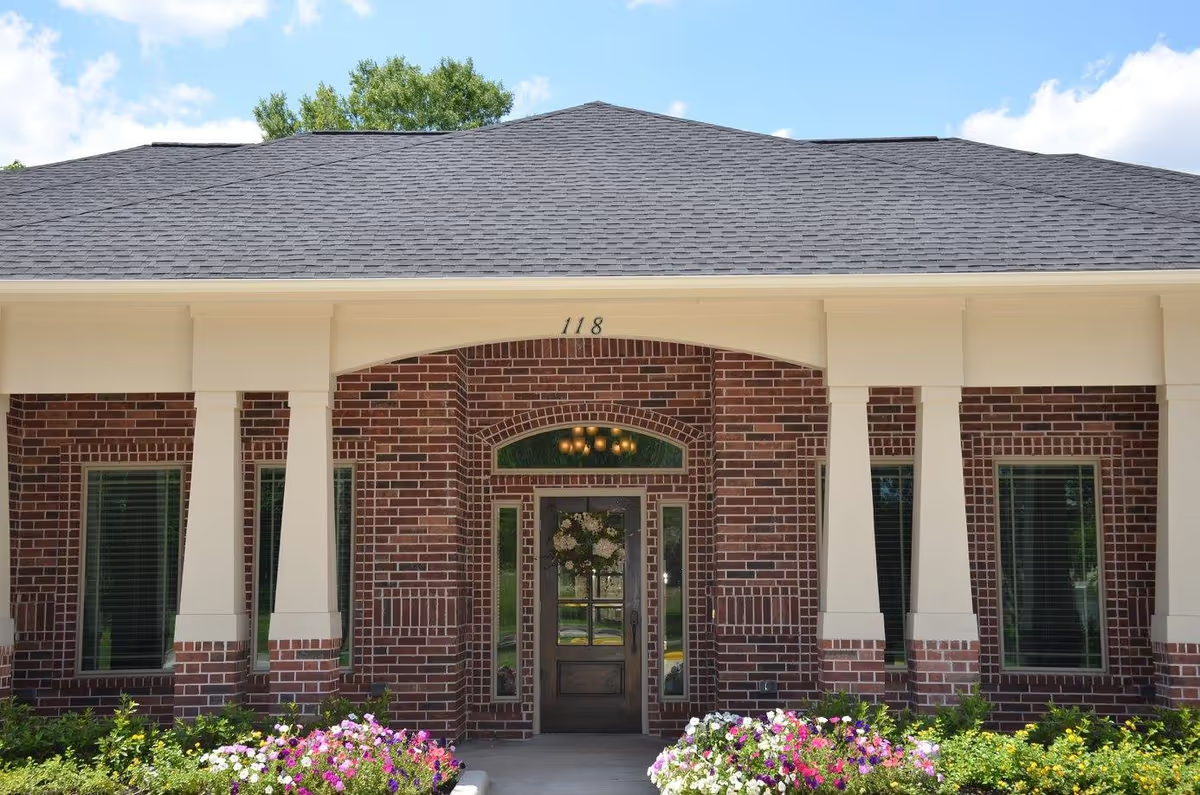
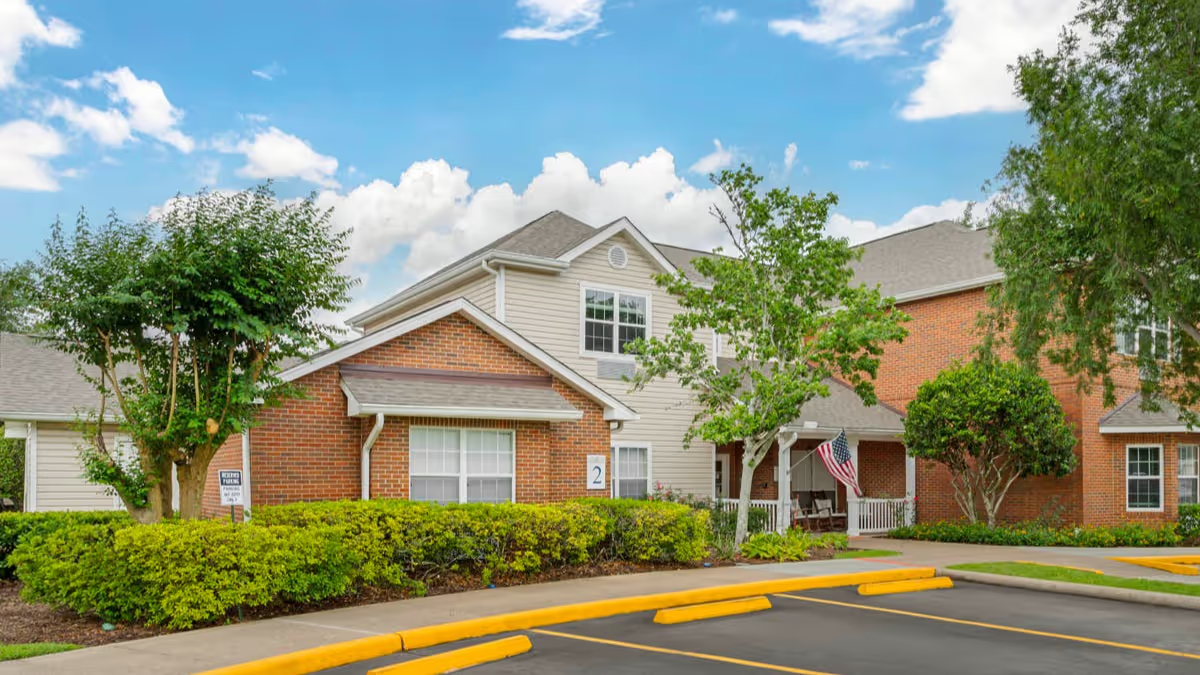
Overall impression: Discovery Village Clear Lake elicits strongly mixed impressions. Many reviewers praise the community’s social environment, enthusiastic activities, and an attractive, well-kept campus with a range of on-site amenities. At the same time, a consistent thread of concerns appears around operational reliability — especially dining consistency, staff turnover, building systems, and management responsiveness. Prospective residents and families should expect a community with strong social programming and memory-care design, balanced by variability in service delivery and infrastructure performance.
Care and clinical issues: Several families described attentive, hands-on caregivers and routine clinical checks that benefited residents (frequent check-ins, fall responsiveness, and in-house therapy services). The memory-care neighborhood receives repeated positive comments for layout and staff engagement. Conversely, there are recurring concerns about staffing instability and gaps in clinical communication with physicians and families. Reviewers cited delays in initiating therapies, uneven nursing experience, and occasions when medication- and paperwork-related communication was slow. These items suggest the facility can provide sound routine and emergency care but that consistency depends on staffing and managerial follow-through.
Staff and management: Staff interactions are frequently described as warm, friendly, and welcoming; many reviews single out front-desk, reception, and activities personnel for praise. However, turnover and variable weekend staffing were also highlighted, and several accounts described declines in attentiveness or training after staffing changes. Management receives both commendation (organized hurricane response, strong executive leadership at times) and criticism (unresponsive complaint handling, canceled resident meetings, and leadership churn). These patterns point to a community where day-to-day resident experience is closely tied to current leadership and staffing stability.
Dining and food service: Dining is a polarizing area. Numerous reviews praise chef-driven menus, themed events, buffet and restaurant-style dining, and social meal occasions. At the same time, a substantial number of reviewers describe inconsistent food quality, service interruptions, incorrect orders, and periods when menu choices or meal execution declined. Families should consider sampling meals during a tour and asking about dietary accommodations, staffing in the kitchen and dining room, and plans for menu consistency.
Activities and social life: The activity program is a major strength. A broad, active calendar — including movies, trips, hobby groups, weekly social hours, and special events — was frequently called out as contributing to resident engagement and wellbeing. A few reviewers noted excursions that were not well-suited to residents with limited mobility and variable enthusiasm from activity staff in certain instances. Overall, the program appears extensive and lively, but its accessibility and day-to-day energy can vary.
Facilities and safety systems: Physical facilities and amenities are often described positively: clean interiors, attractive common spaces, in-apartment laundry options, and multiple community features (theater, library, salon, courtyard). Yet reviewers reported operational weaknesses in building systems: elevators and automatic-entry solutions have been unreliable in outages, backup generators were not consistently available, heavy front doors impede accessibility, and some accounts cited unsecured exterior doors creating elopement risk. Maintenance responsiveness also varied across reports. These are concrete, facility-level items families should investigate during a visit and in contract discussions.
Notable patterns and guidance: The set of reviews shows sharp variation tied to time periods, leadership, and staffing levels: experiences range from highly satisfied and enthusiastic to concerned and dissatisfied. Memory care, social programming, and the physical environment are frequently praised; operational consistency (dining, clinical communication, emergency systems, and management responsiveness) is less consistent. Families evaluating this community should: (1) tour during meal service and an activity; (2) ask for details on staffing ratios, turnover, and weekend coverage; (3) review written emergency-preparedness and backup-power plans; (4) confirm maintenance and housekeeping schedules in writing; and (5) discuss contract clauses about rate increases and scope of included services. These steps will help determine whether the community’s strong social and physical features align with an individual resident’s care and reliability needs.