Copperfield Estates presents a mixed picture: many accounts describe a warm, community-oriented independent living environment supported by a consistently praised front-line staff and active leadership, while other accounts raise substantive operational concerns that prospective residents and families should evaluate before a move.
Care and clinical services: Review content indicates that the facility offers on-site therapy and medication administration, and some listings of full-time nursing coverage and post-surgery coordination with in-building providers were noted. At the same time, there are repeated concerns about reductions in clinical staffing levels, limitations in higher-level assisted-care capacity, and gaps in medication-management and pharmacy coordination. These are operational traits rather than single events: families should confirm current nurse staffing patterns, medication-administration protocols, and the availability of higher-acuity support before committing.
Staff and management: Staff are frequently characterized as compassionate, engaged, and resident-centered; multiple comments single out individual leaders and activity staff as strengths. However, reviewers also described staffing instability and turnover that affects continuity of service. Management responsiveness receives mixed marks—some describe proactive and communicative leadership, while others cite slow responses to repairs, billing errors, and follow-up. This creates a pattern of variability in day-to-day resident experience that prospective families should probe during a tour.
Dining and nutrition: Dining is an important differentiator. Many residents praise chef-prepared, health-conscious meals and a restaurant-style dining environment. Yet a substantial number of accounts describe inconsistent meal quality, operational disruptions (buffet vs. table service changes, reported kitchen interruptions), and occasional shortages or cold to-go orders. In short, the program offers strong potential for quality dining but appears to suffer from service continuity and execution challenges at times.
Activities and community life: Activity programming is a consistent strength. Reviews highlight a broad mix of options—fitness classes, arts and crafts, live music, happy hours, outings, and resident-led events—that support social engagement and friendships. Several reviewers credit the activities team with fostering a lively community and helping residents rediscover hobbies. Attendance and consistency of activities can fluctuate, especially when staffing changes occur, so families should ask about current schedules and recent participation levels.
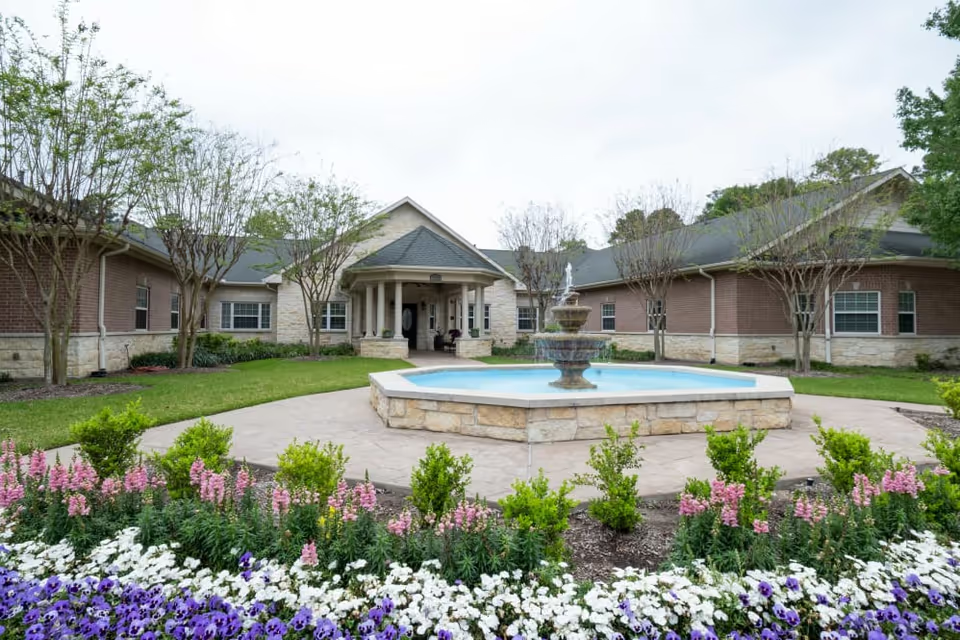
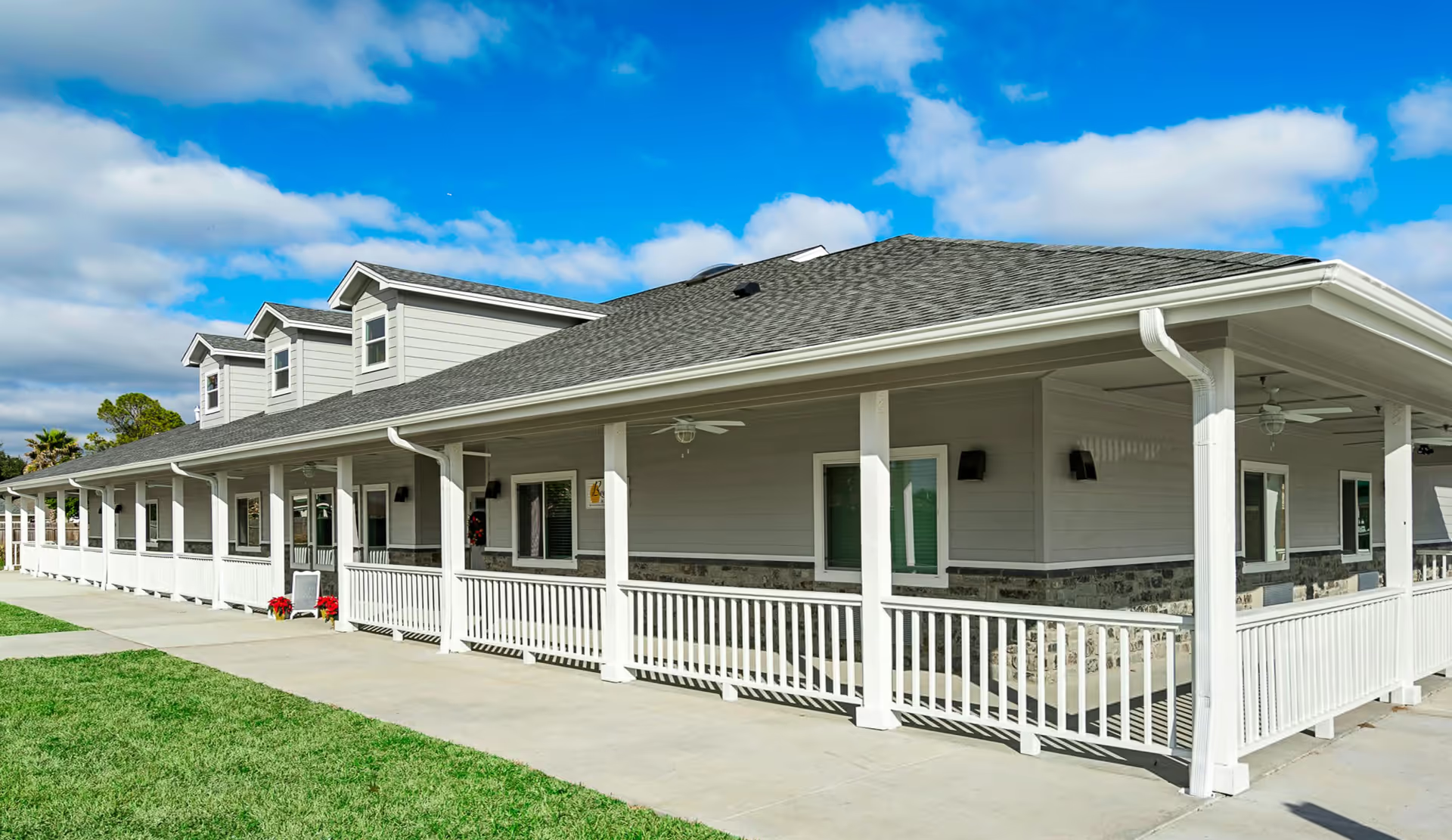
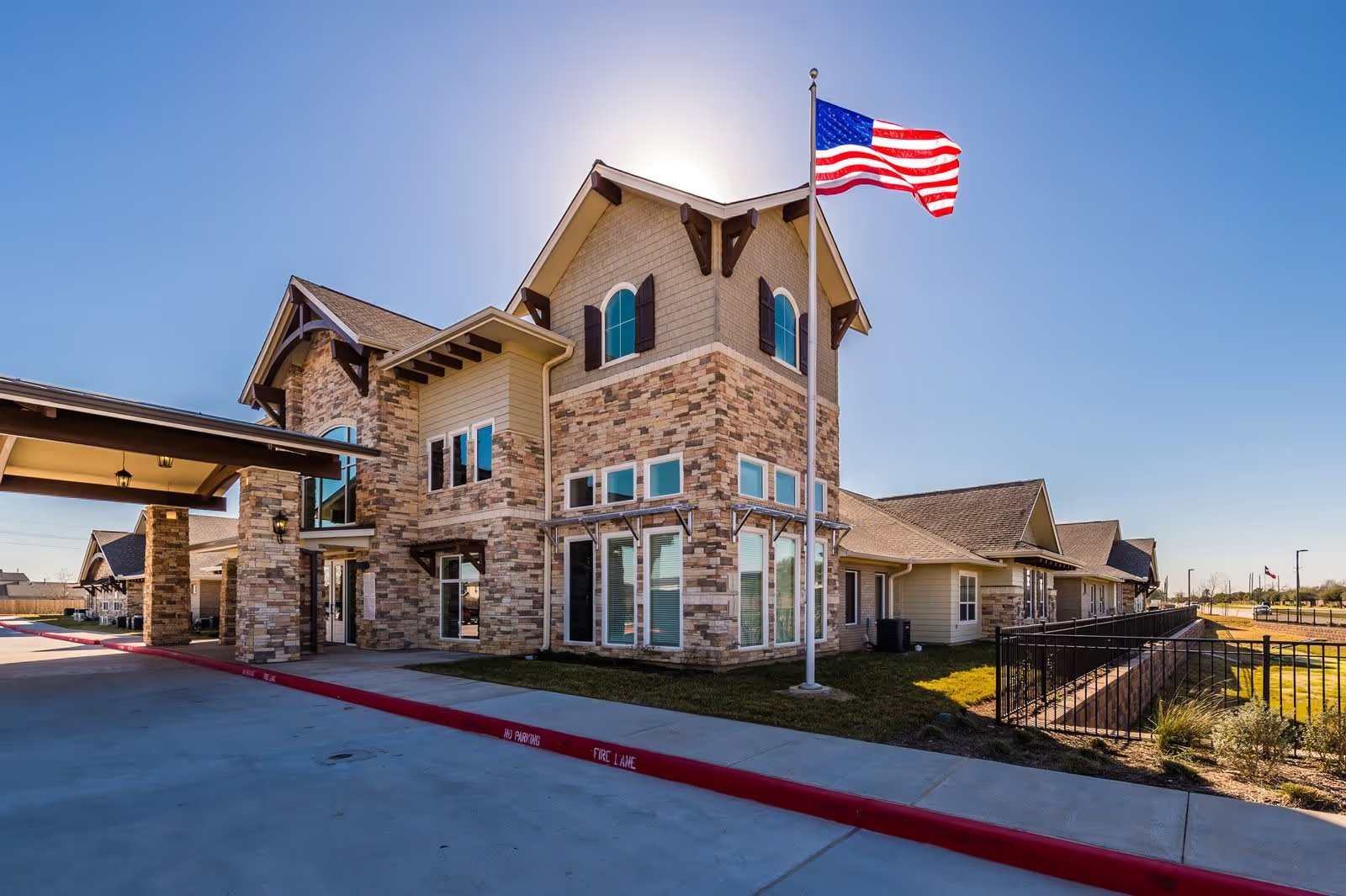
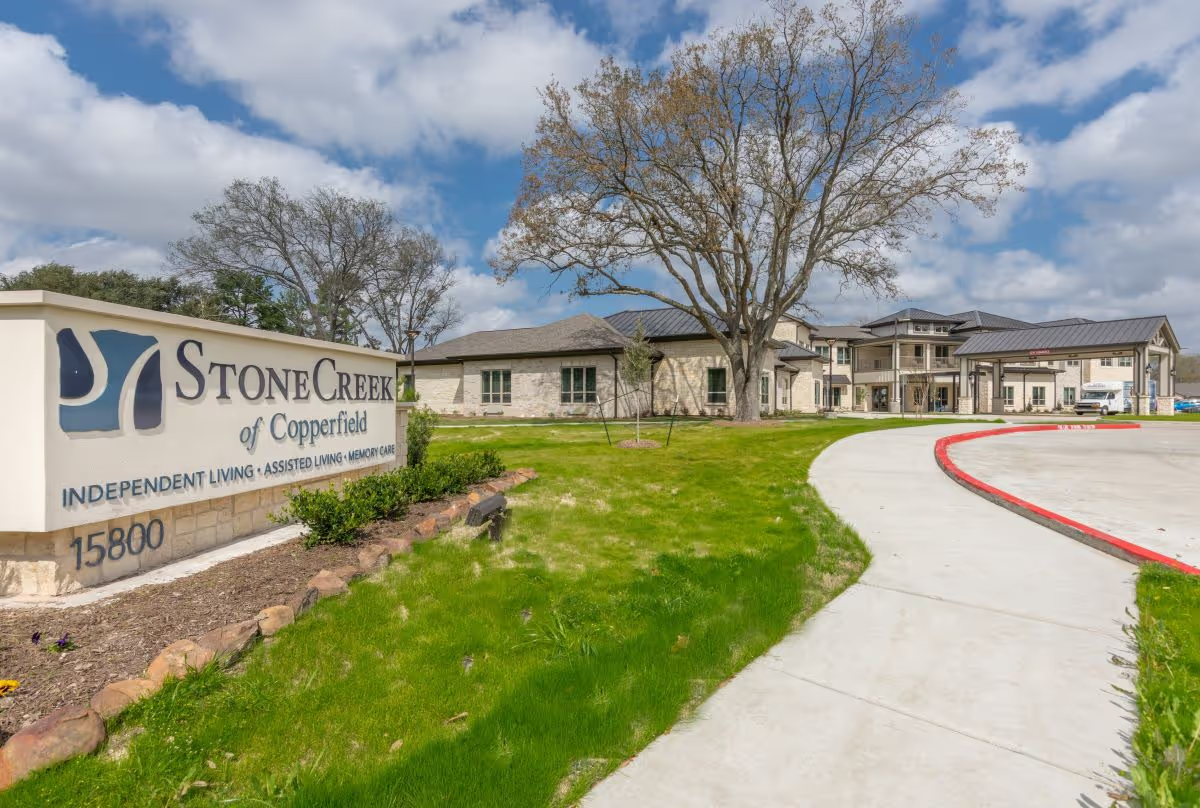
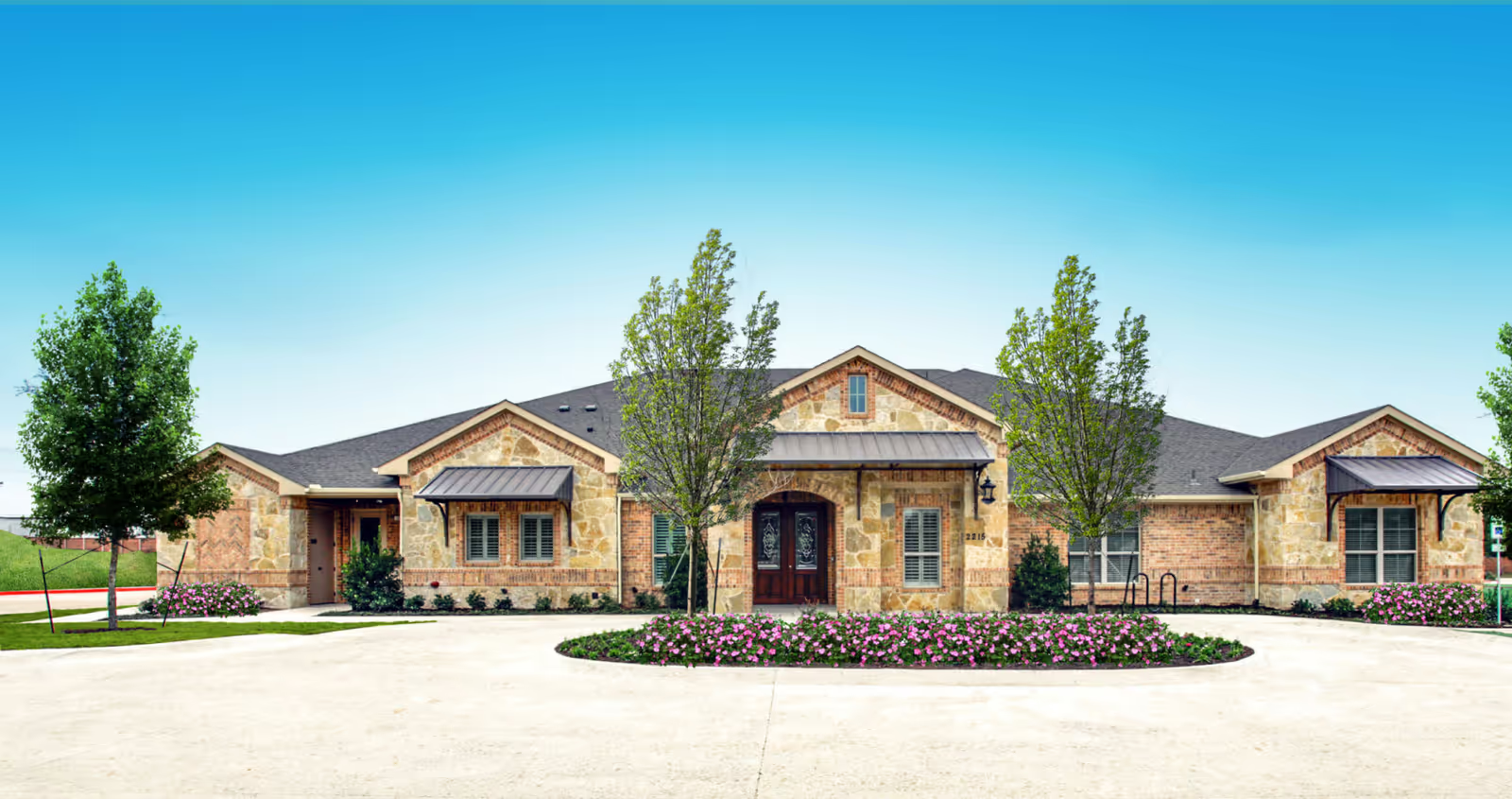
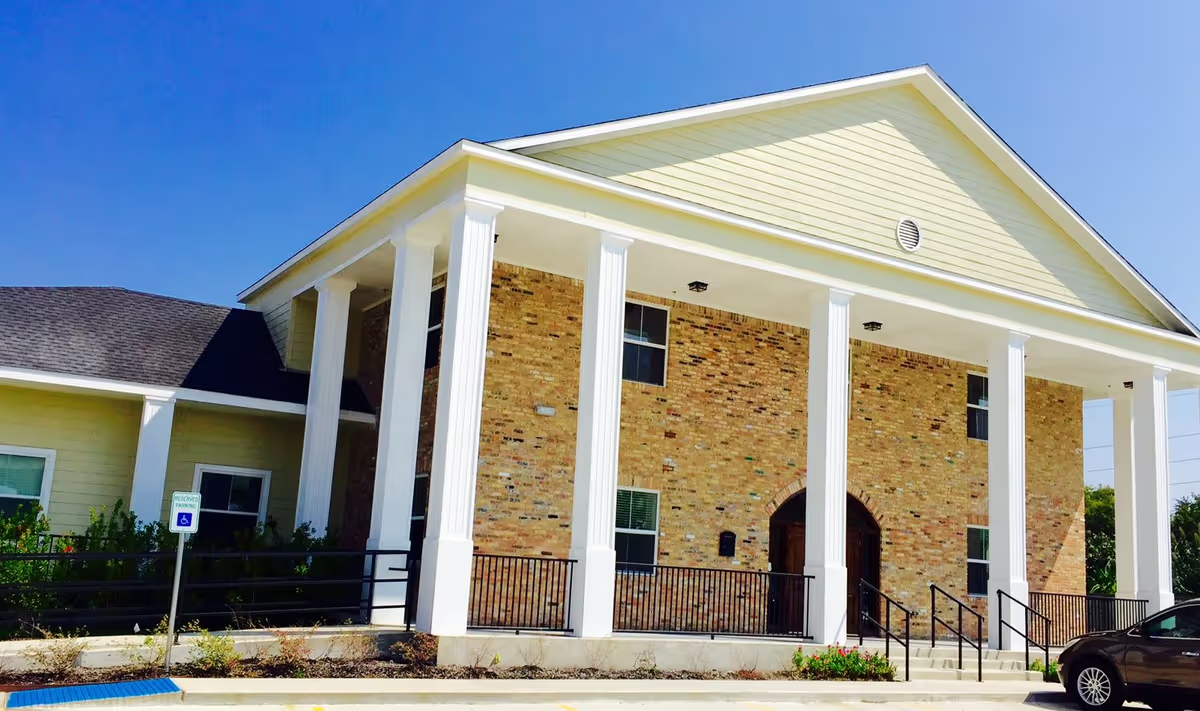
Facilities and maintenance: The property offers many on-site amenities (salon, chapel, fitness room), multiple apartment floor plans, and security features such as single-entry access. Positive move-in experiences and generally well-kept common areas are reported. Conversely, maintenance responsiveness is a recurring operational concern: delayed repairs, intermittent elevator problems, lighting/door upkeep issues, and laundry availability constraints (limited machines per floor) are cited often. Cleanliness issues in some common areas, laundry rooms, and dining-room service areas were also raised and should be directly assessed during a visit.
Administrative operations and sales: Several reviewers complimented an all-inclusive pricing model and helpful sales or transitions staff, while others describe aggressive sales tactics, unexpected fees, duplicate billing, and communication breakdowns with accounting. Transportation offerings are available but limitations on distance and frequency were reported and sometimes not disclosed in advance. These items point to the need for careful contract review and explicit, written clarification of included services, transportation boundaries, housekeeping frequency, and change policies.
Overall pattern and guidance: The prevailing pattern is polarization—many residents and families are very satisfied, highlighting staff, activities, food, and community life; a notable subset report declines in operational consistency, especially around sanitation, dining continuity, staffing, maintenance, and administrative communication. Prospective residents should tour the community, inspect dining and laundry facilities, ask for current staffing and clinical coverage details, review housekeeping and linen-change schedules, and obtain clear written answers about billing, transportation limits, and what services are guaranteed versus optional. This will help distinguish whether the facility’s strengths align with an individual resident’s needs and tolerances for operational variability.