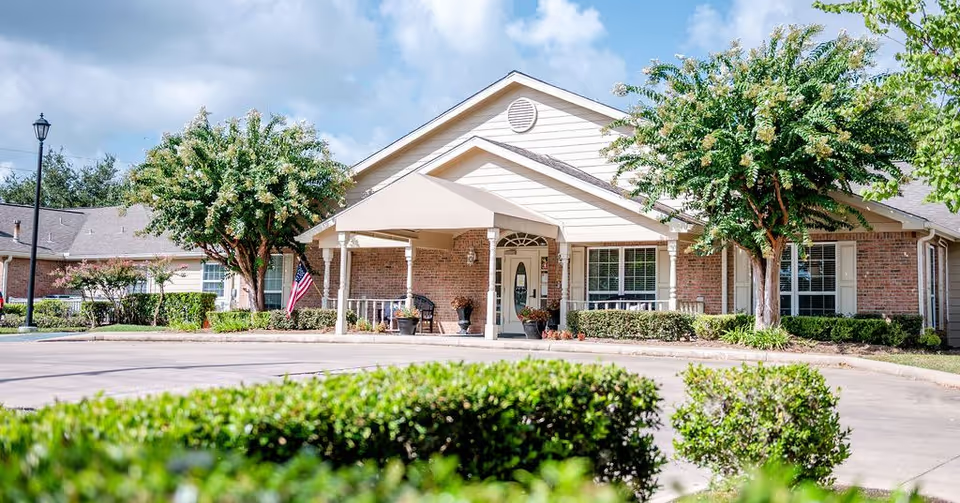
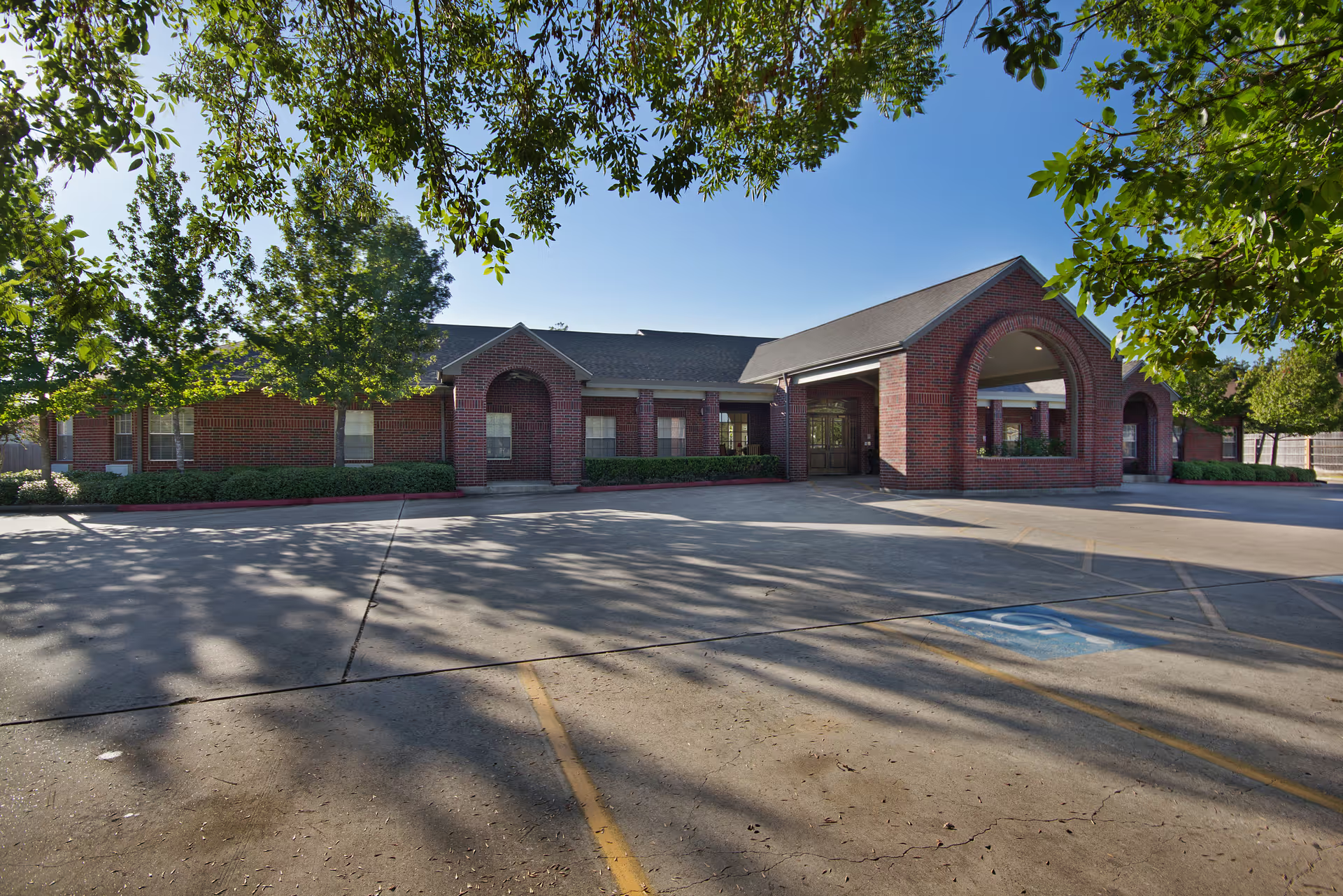
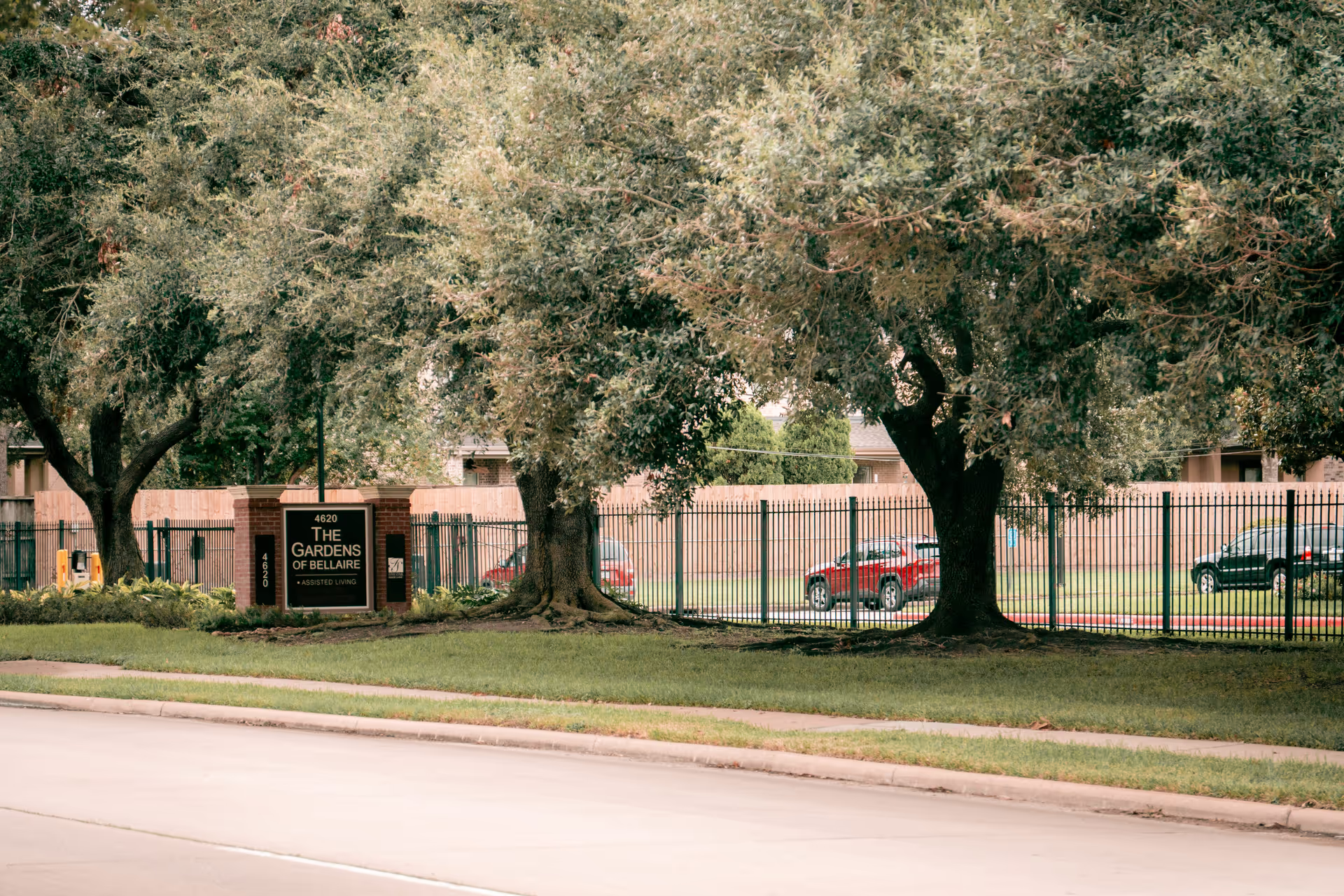
MorningStar Senior Living at River Oaks elicits a mix of strongly positive impressions and operational concerns. Many reviewers emphasize the facility's upscale environment, hospitality-style amenities, and visible investment in building quality. At the same time, a subset of comments raises operational issues around service consistency, staff transitions, and communication that prospective residents and families should evaluate during tours.
Care and staff: Across reviews the caregiving team is frequently described as compassionate, attentive, and professional. Families highlight staff who provide emotional support during move-in, an engaged memory-care coordinator, and caregivers who help residents socialize. Those positive experiences are counterbalanced by comments about staffing turnover and inconsistent handoffs; reviewers recommended confirming continuity plans and how the community manages shift changes and team transitions. There are also specific, serious concerns about staff conduct that surfaced publicly; while these appear to be individual allegations rather than a documented pattern in the review set, they point to the need to ask the community about behavioral oversight, incident investigation procedures, and family notification protocols.
Dining and activities: Dining receives divergent remarks. Several reviewers praise high-quality, individualized meals and top-tier dining service, while others describe declining or inconsistent food quality. This suggests the culinary program can be strong but may vary over time or by meal. Families should request sample meals and inquire about menu rotation, special-diet accommodation, and quality-control processes. Activity programming is described as robust and conducive to social engagement for many residents, with daily offerings and a lively dining atmosphere that supports friendships. However, some feedback notes activities depend heavily on resident initiative; less-mobile or less-social residents could experience lower engagement unless staff provide proactive outreach.
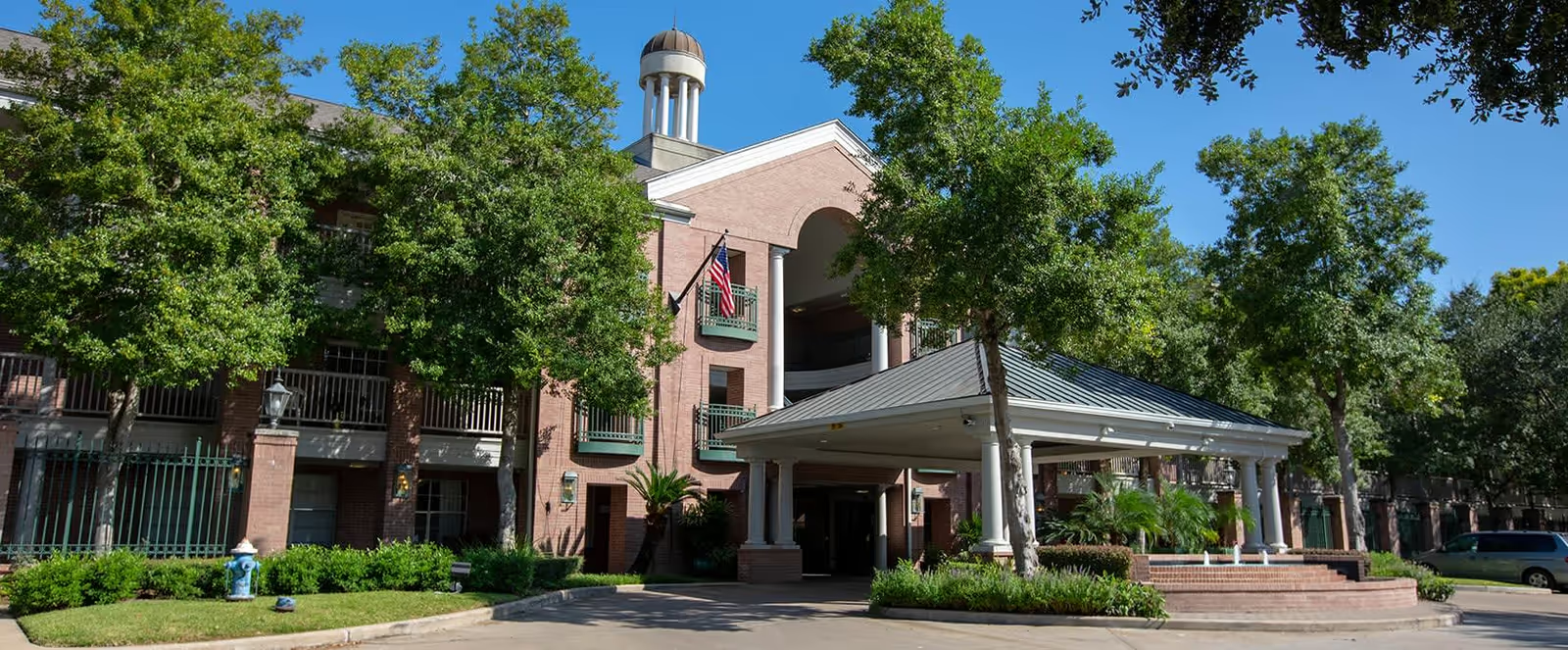
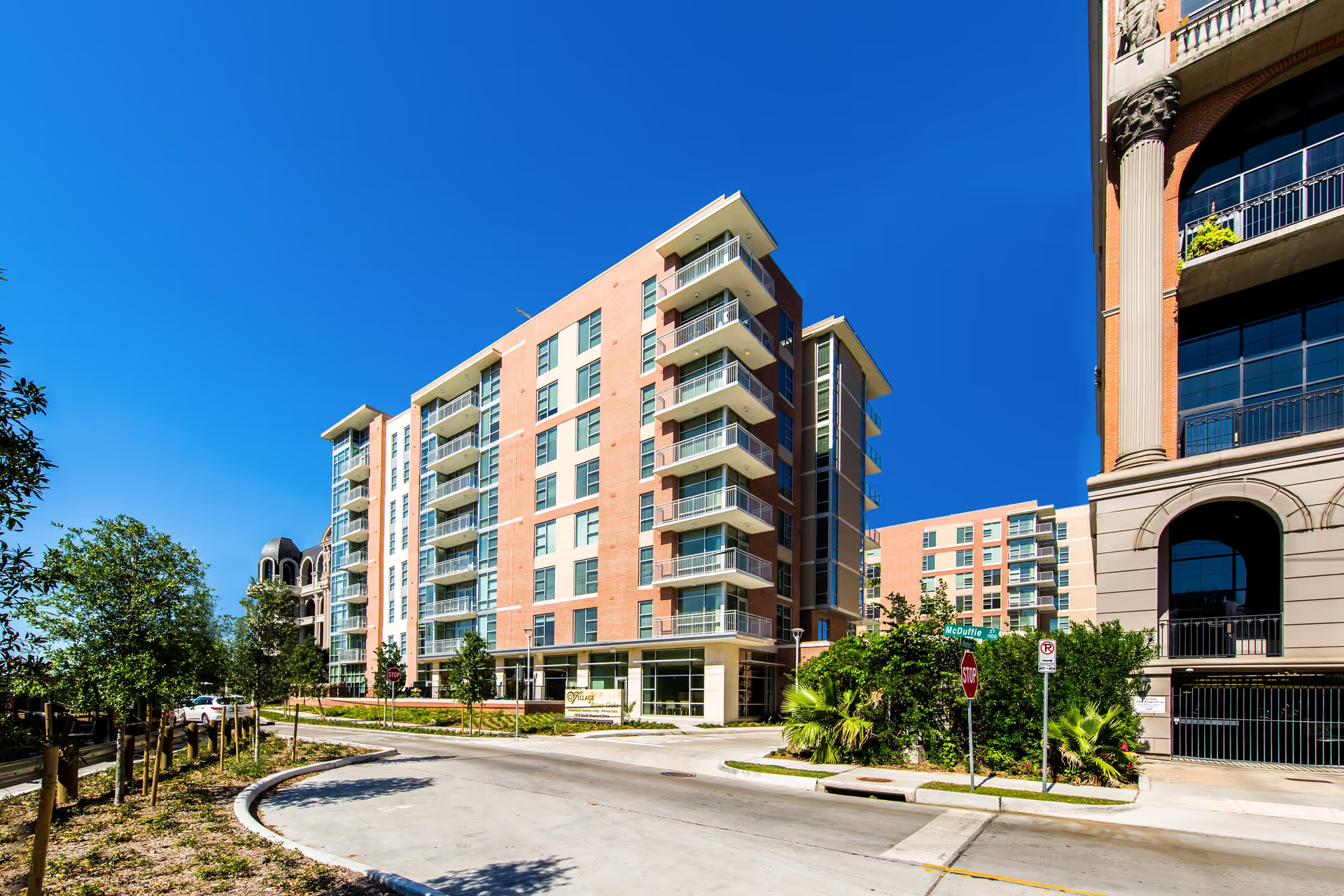
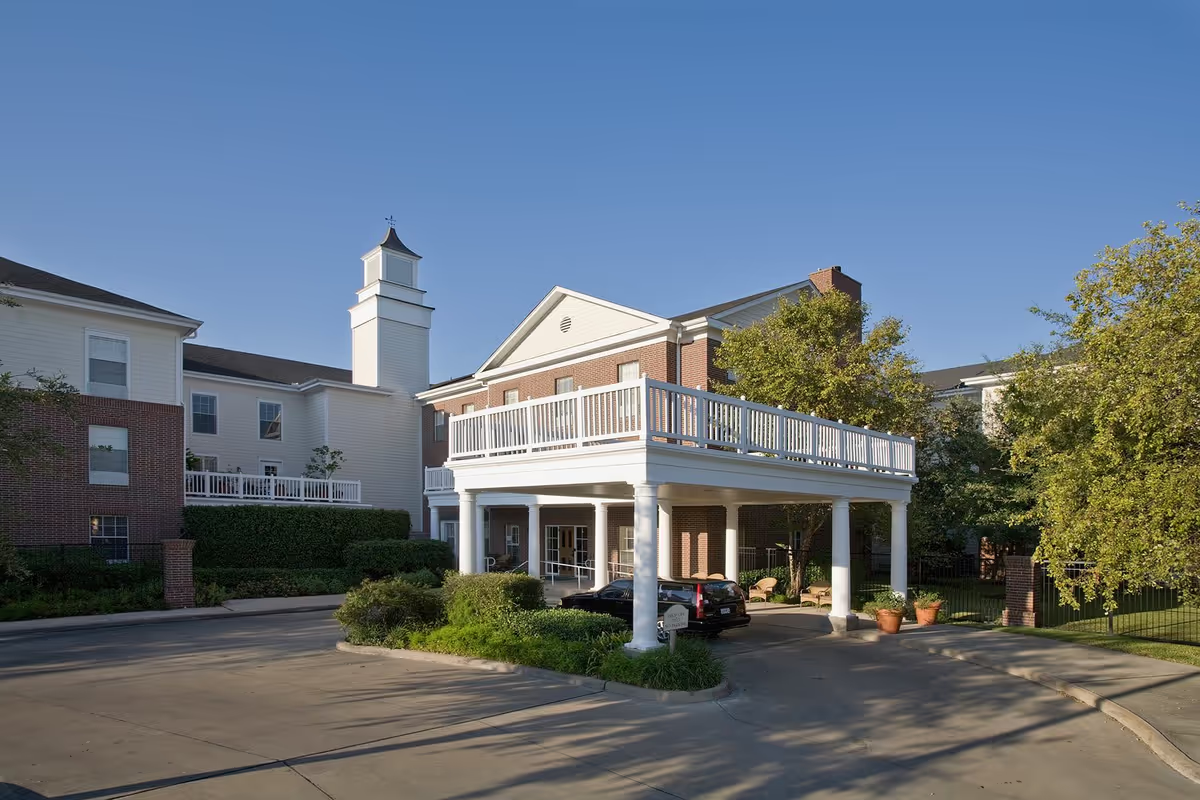
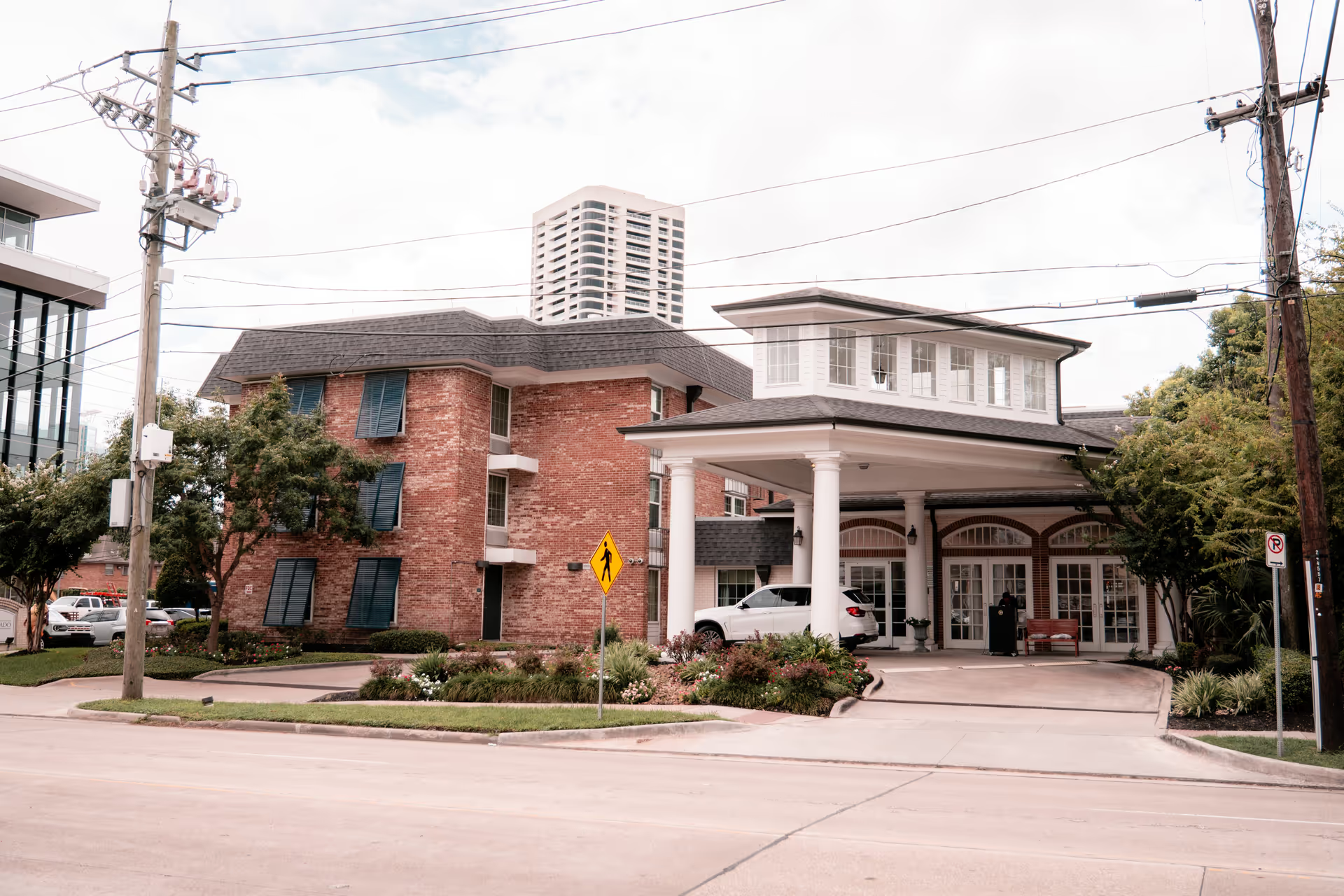
Facilities and management: The physical environment is a clear strength for many reviewers: well-maintained, hotel-like common areas, attractive amenities, and a clean, welcoming atmosphere. Management and front-line leadership are often characterized as approachable and helpful. Operational weaknesses described include unclear communication pathways for families (uncertainty about who to call for specific issues), variable medication-administration practices (questions about which staff deliver medications and how that process is supervised), and perceived value concerns relative to cost. There are also mentions of a dorm-like feel in some parts of the community; prospective residents should tour units at different times of day to assess atmosphere and fit.
Notable patterns and guidance: The dominant positive pattern is strong hospitality, visible investments in the physical plant, and many examples of attentive, personalized caregiving. The dominant concerns are operational: consistency of food service, staff turnover and handoffs, clarity around medication administration, and communication/incident-response transparency. Prospective residents and families would benefit from asking the community for specifics about staffing ratios, turnover statistics, medication policies, incident-reporting procedures, sample menus, and how activity staff engage less-independent residents. A second visit at mealtime and speaking with current families or the memory-care coordinator can help validate both the strengths and the operational risks highlighted in these reviews.