Reviewers consistently describe Rosemont Cottage as a small, well-kept assisted living setting with a strong emphasis on personal, family-style care. Care quality is framed around individualized attention: staff are characterized as compassionate, attentive, and responsive, and several comments highlight a favorable caregiver-to-resident ratio and owner accessibility. The tone of the reviews suggests residents receive dignified, person-centered care that supports independence while providing safety and reassurance for families.
Staffing and day-to-day care appear to be key strengths. Families and visitors describe staff as helpful, well-trained, and emotionally engaging; reviewers repeatedly cite a welcoming, home-like atmosphere and note that residents are treated with respect and warmth. Management accessibility and owner involvement are mentioned as contributing to responsiveness and clear communication. Reviewers also emphasize that the environment provides peace of mind for family members.
Dining and activities are commonly highlighted as positive features. Flexible dining and resident-centered meal practices are noted, and enrichment programming receives specific mention — examples include communal gatherings such as Sunday teatime, lively parties, and organized activities that keep residents engaged. Outdoor amenities such as attractive gardens, bird feeders, and pleasant common spaces are regularly described and appear to be used as part of the activity mix.
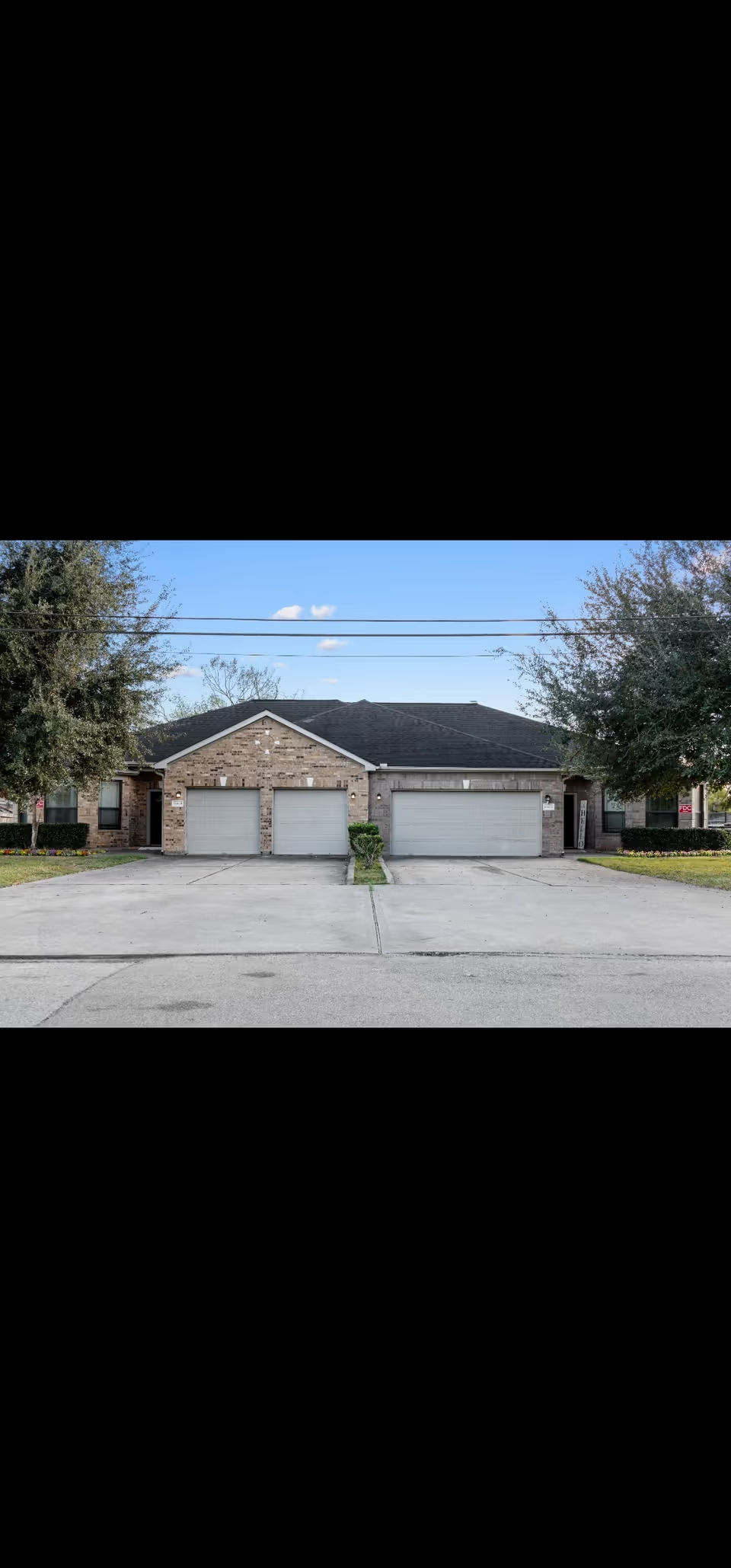
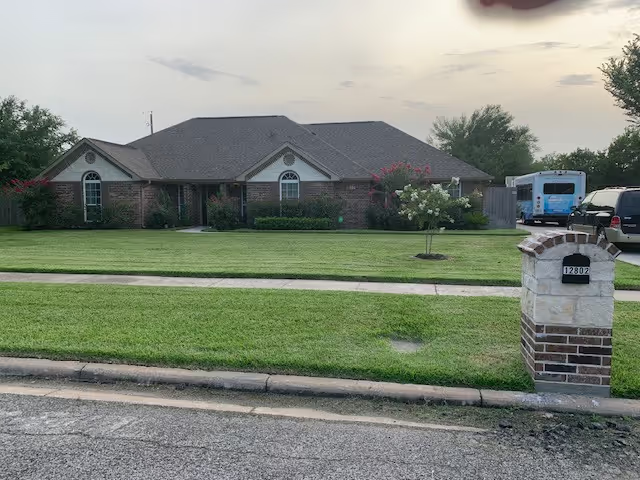
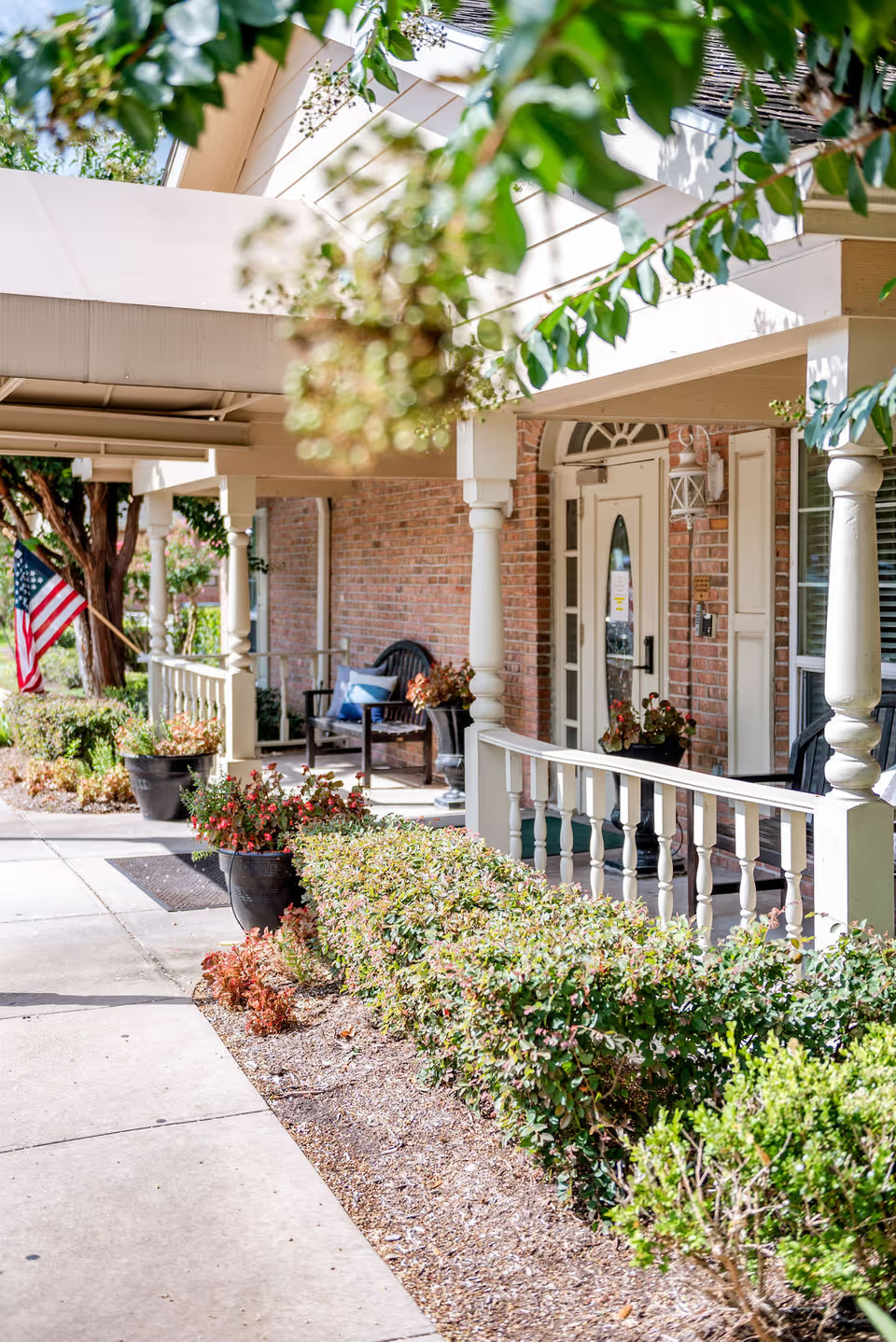
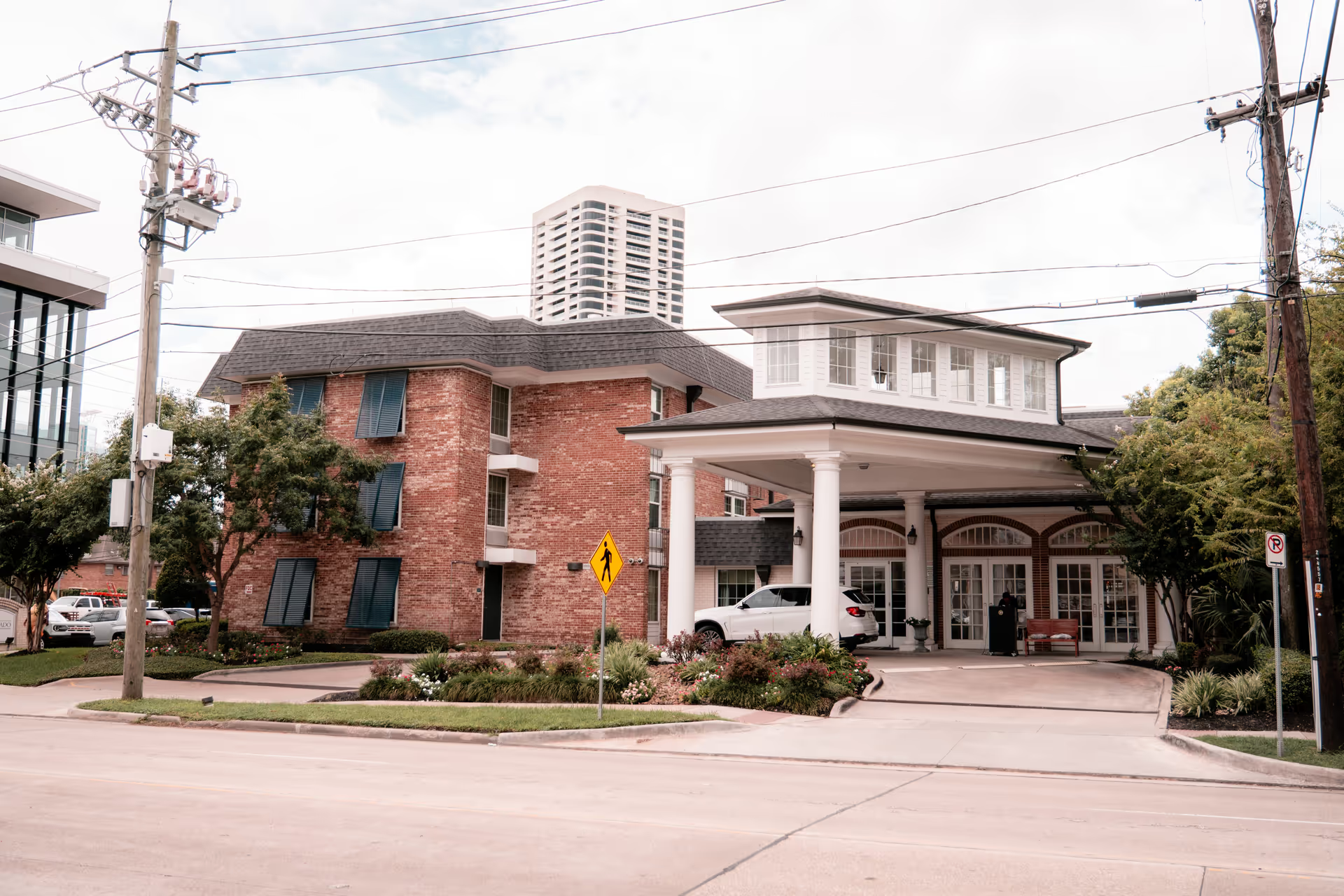
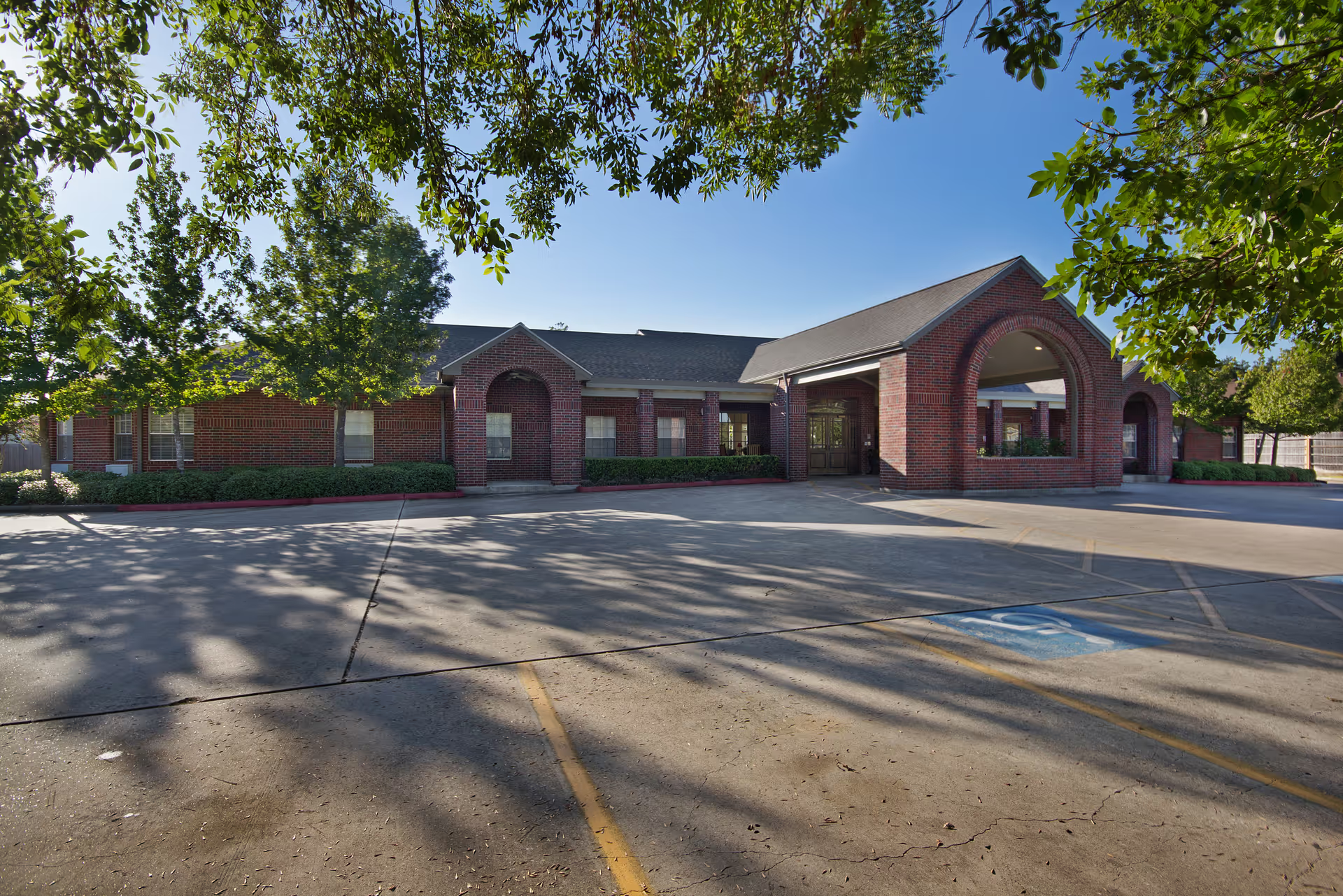
Facility condition and operations are described positively: the physical house is repeatedly characterized as clean, fresh-smelling, well-maintained, and aesthetically pleasing. The overall presentation reinforces the home-like ambiance reviewers value. Pricing is explicitly described as affordable by at least one reviewer, and many express overall gratitude and strong recommendations.
Notable patterns and information gaps: the publicly available reviews are overwhelmingly positive and provide clear impressions of culture, hospitality, and general caregiving. At the same time, they provide limited detail on clinical operations. There is little explicit information about licensed nursing coverage, clinical staffing credentials, medication-management protocols, or structured memory-care services. Likewise, the small, family-like scale that reviewers praise may also imply capacity constraints or the potential for waitlists. Publicly available regulatory or performance metrics are not commonly cited.
For prospective residents and families, the positives seen here point to a warm, well-maintained, resident-focused environment with active engagement and accessible management. To complement the strengths described in reviews, prospective inquiries should verify clinical staffing levels and credentials, nurse/medical coverage and medication-management practices, specific memory-care or higher-acuity supports if needed, dining and dietary-accommodation policies, and current availability or waitlist status. Requesting licensing documentation and recent inspection or performance reports will help align the facility’s operational capabilities with clinical needs.