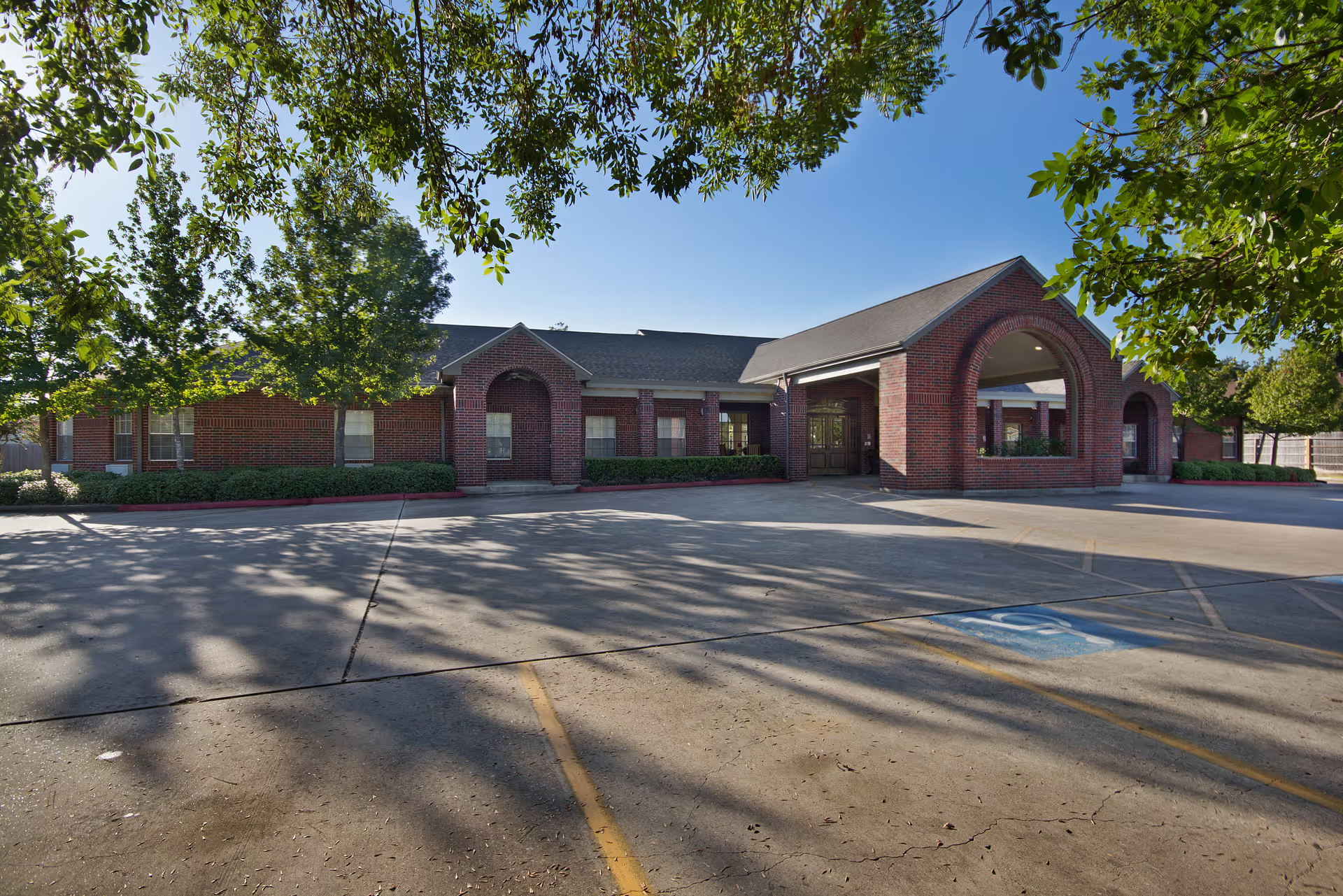
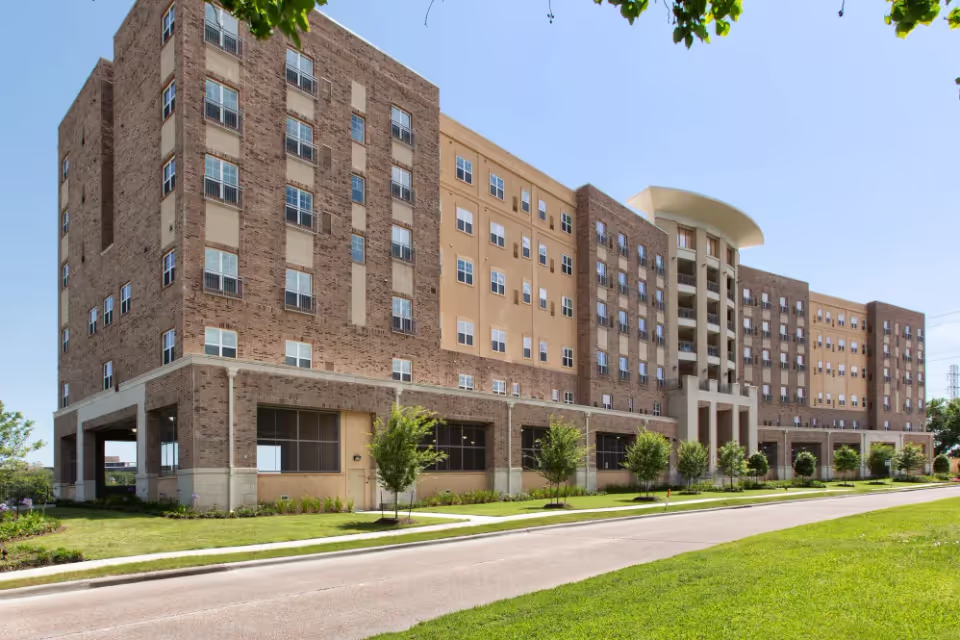
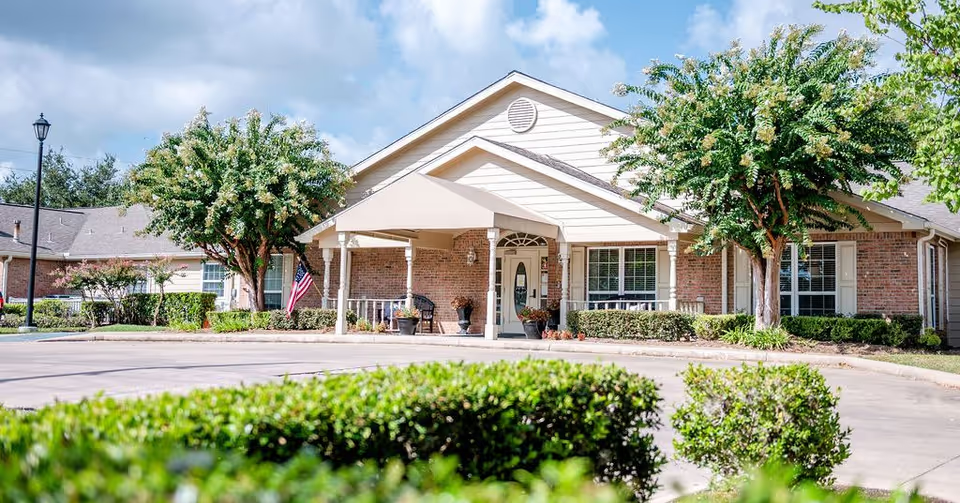
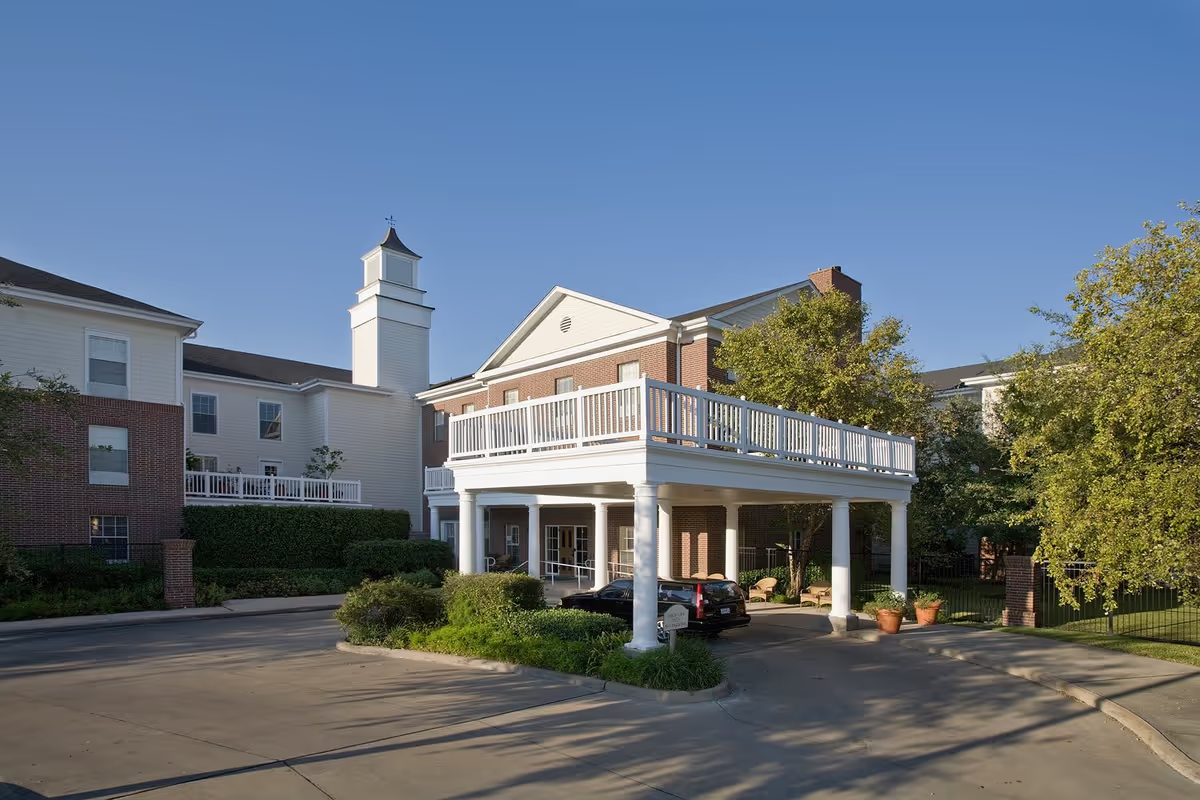
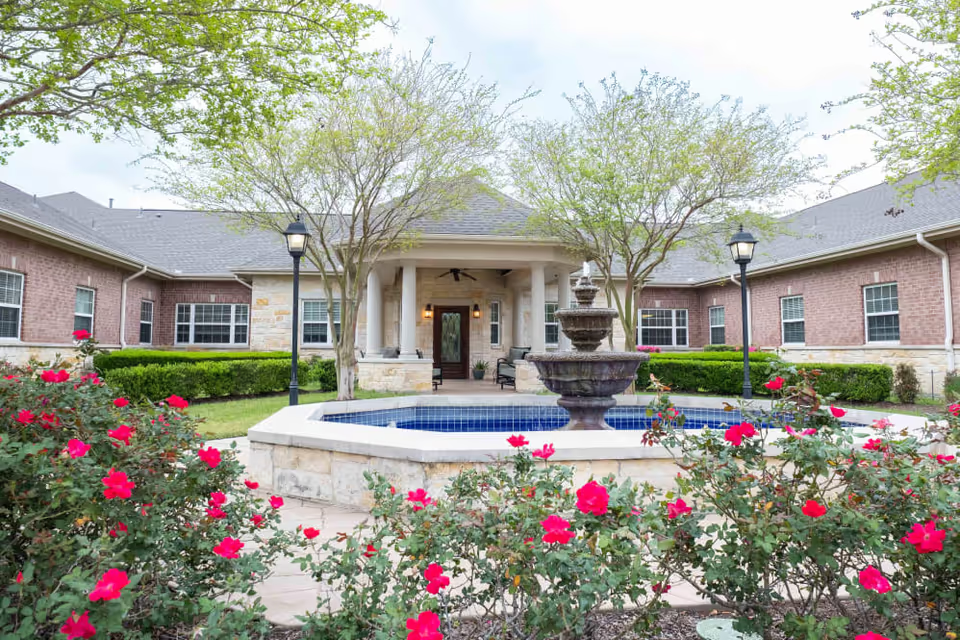
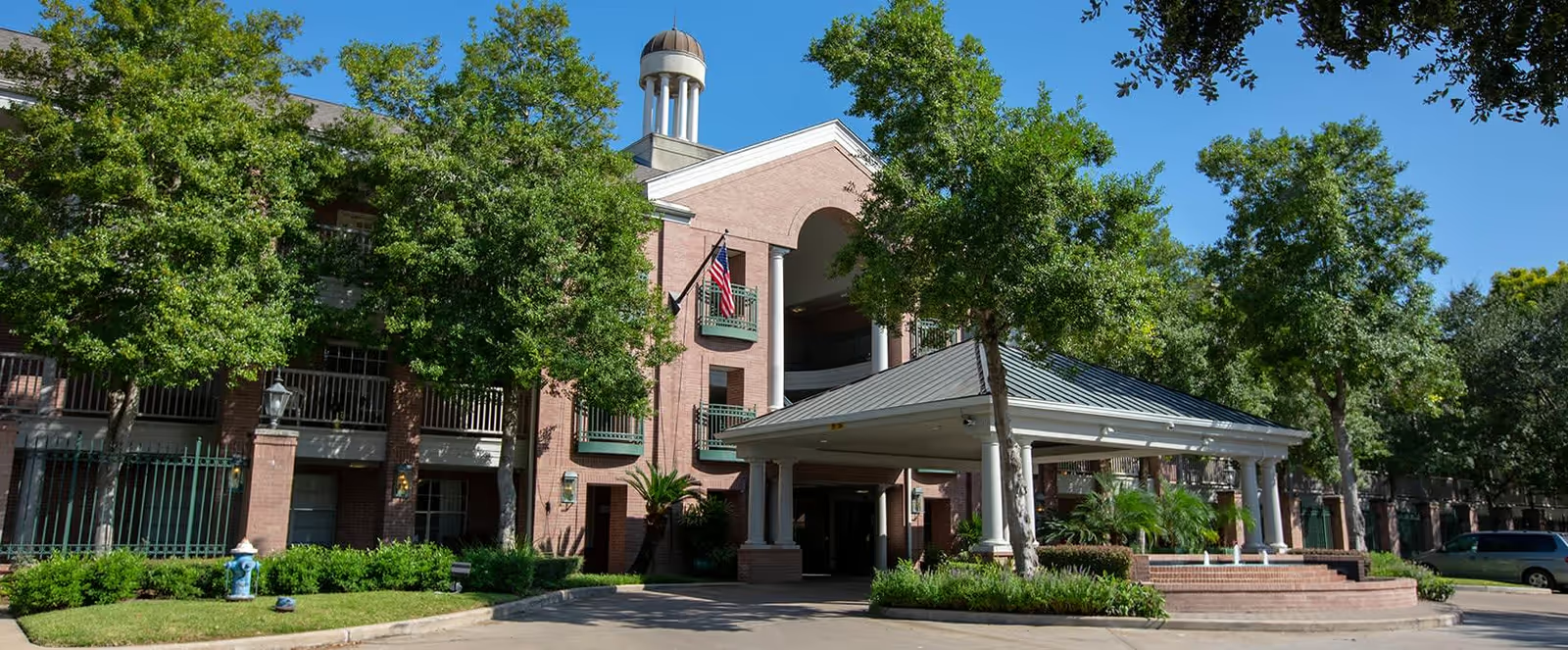
Overall impression: Reviewers portray The Tradition–Buffalo Speedway as a newly built, well-appointed senior living community with resort-style amenities, attractive landscaping, and generally high standards of cleanliness and upkeep. Many families and residents highlight the facility’s modern design, bright apartments, and broad amenity set — indoor heated pool, theater, salon, fitness spaces, and multiple dining venues — that support active daily life and social connection.
Care and staff: A dominant positive theme is staff engagement. Numerous accounts describe compassionate, attentive caregivers and proactive nursing directors who provide reassurance and individualized attention; families credit staff with improving residents’ mood and safety. At the same time, there is a recurring pattern of unevenness: some reviewers describe lapses in responsiveness, brusque communication, or early-morning and occasional overnight coverage gaps. These accounts suggest variability in staff conduct and performance across shifts and teams, rather than a uniform staffing profile.
Dining and activities: Dining is frequently praised for food quality, menu variety, and multiple dining venues; reviewers note high-end meal options and weekly menu changes. However, execution of dining service has been inconsistent in some instances (busser/beverage service and dining-assistance availability), and a few families wanted clearer support during meals for residents who require assistance. Activity programming and transportation are strengths — active calendars, group exercise, outings, and robust memory-care programming with large outdoor/semi-outdoor spaces contribute to social engagement and reduced isolation.
Facilities and safety: The community’s physical plant and safety posture receive strong marks. Reviewers mention clean, well-decorated interiors, sizable apartments, secure gated entry, wristband call systems, motion-detection alerts in care areas, and emergency preparedness (on-site generators, power backup). Memory-care outdoor space and semi-outdoor terraces are repeatedly noted as important features for engagement and wellbeing.
Management, fees, and admissions: Several reviewers appreciate responsive leadership, helpful leasing staff, and a personal feel to intake for some residents. Conversely, there are consistent concerns about fee transparency: families cite ancillary upcharges for medication administration, toileting or dining assistance, and for sitter services. A subset of experiences describe pressured or heavy-handed admission discussions and communication breakdowns during acute-care episodes; these indicate unevenness in how admissions and difficult conversations are managed. Prospective residents should carefully review the fee schedule, what services are included, and escalation pathways for disagreements.
Notable patterns and practical advice: Strengths cluster around amenities, social programming, dining quality, and many compassionate staff. Weaknesses are operational: variability in staff behavior and shift coverage, inconsistent dining-service delivery, nontransparent ancillary fees, and limitations in higher-acuity care. For prospective residents and families, recommended due diligence includes observing mealtime service in person, asking for current staffing ratios by shift and for memory care, requesting a detailed list of included services versus ancillary fees, clarifying the community’s policies for clinical escalation and family communication, and noting front-desk/concierge coverage during tours. These steps will help align expectations with the community’s evident strengths and the operational variability described by reviewers.