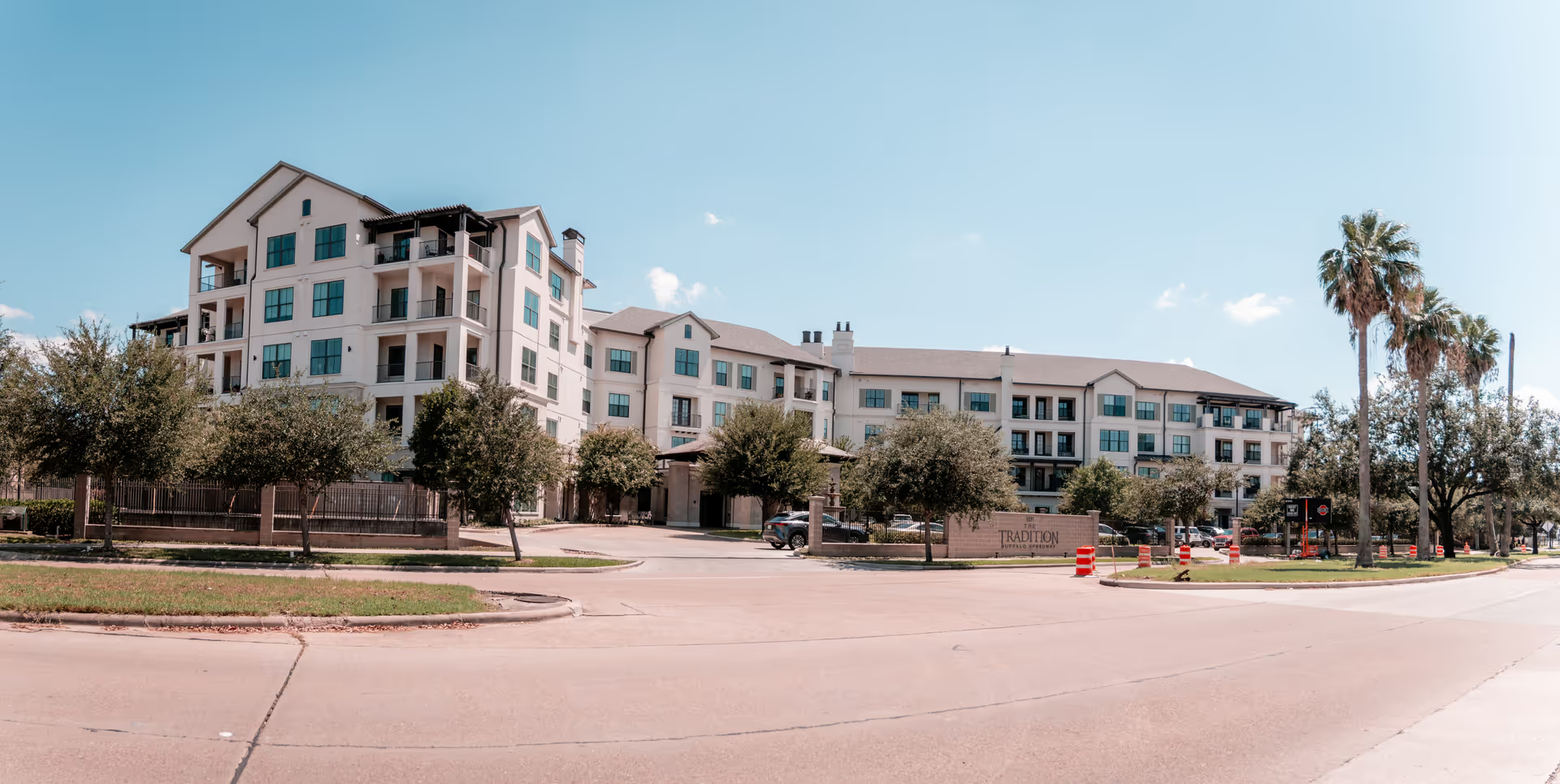
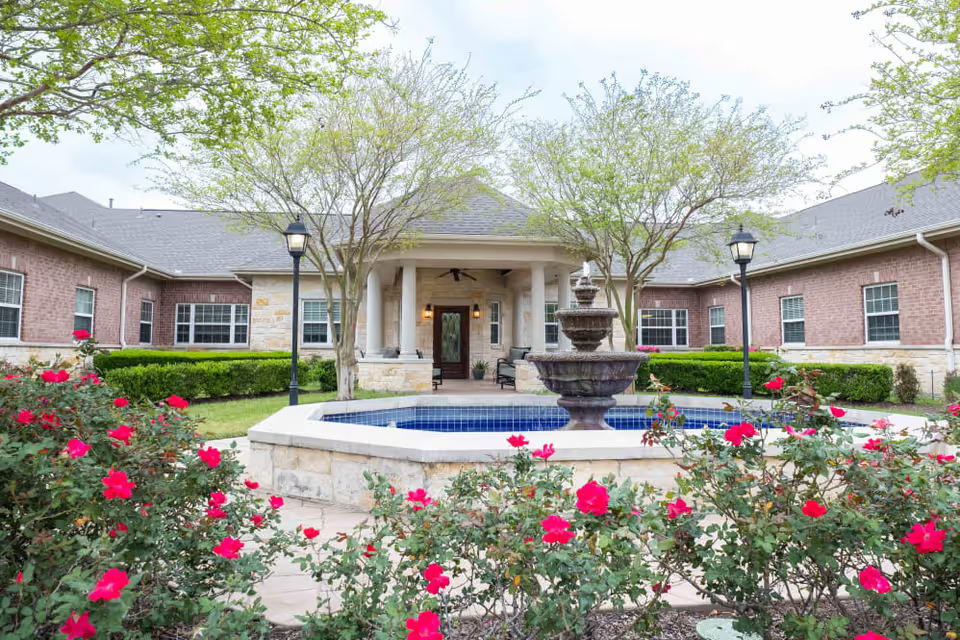
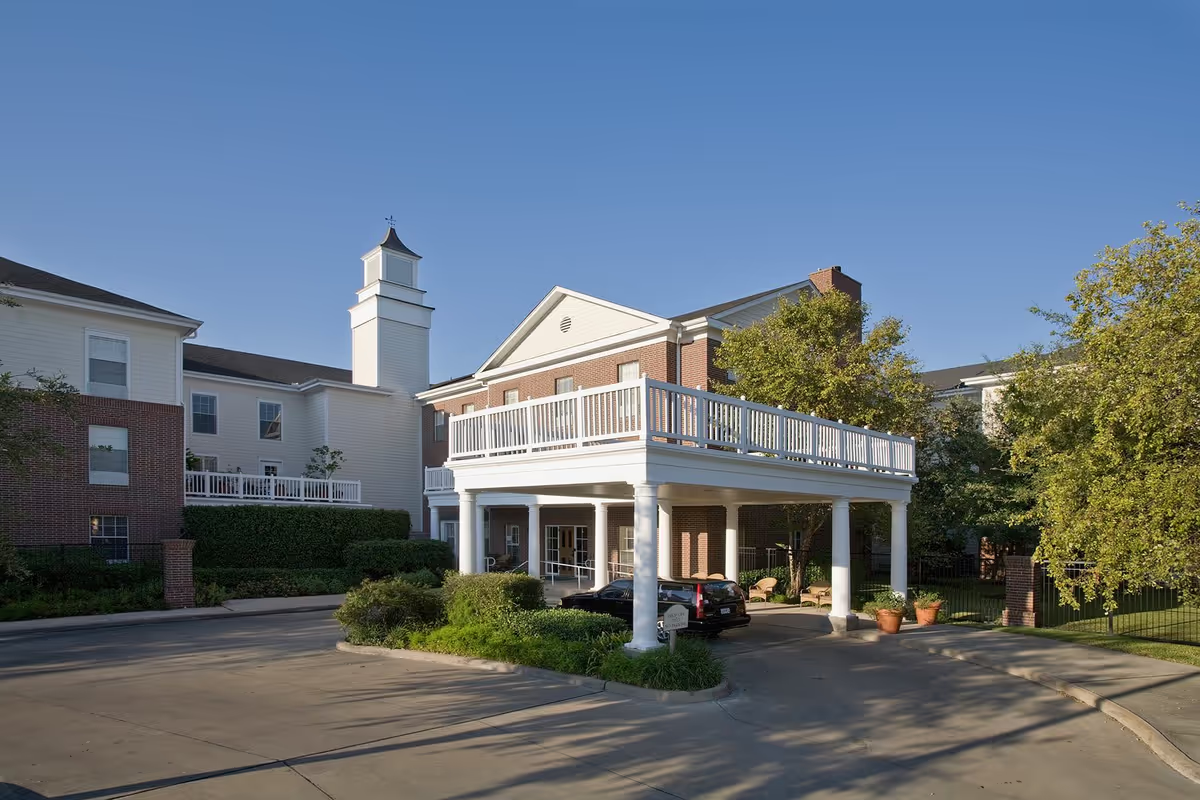
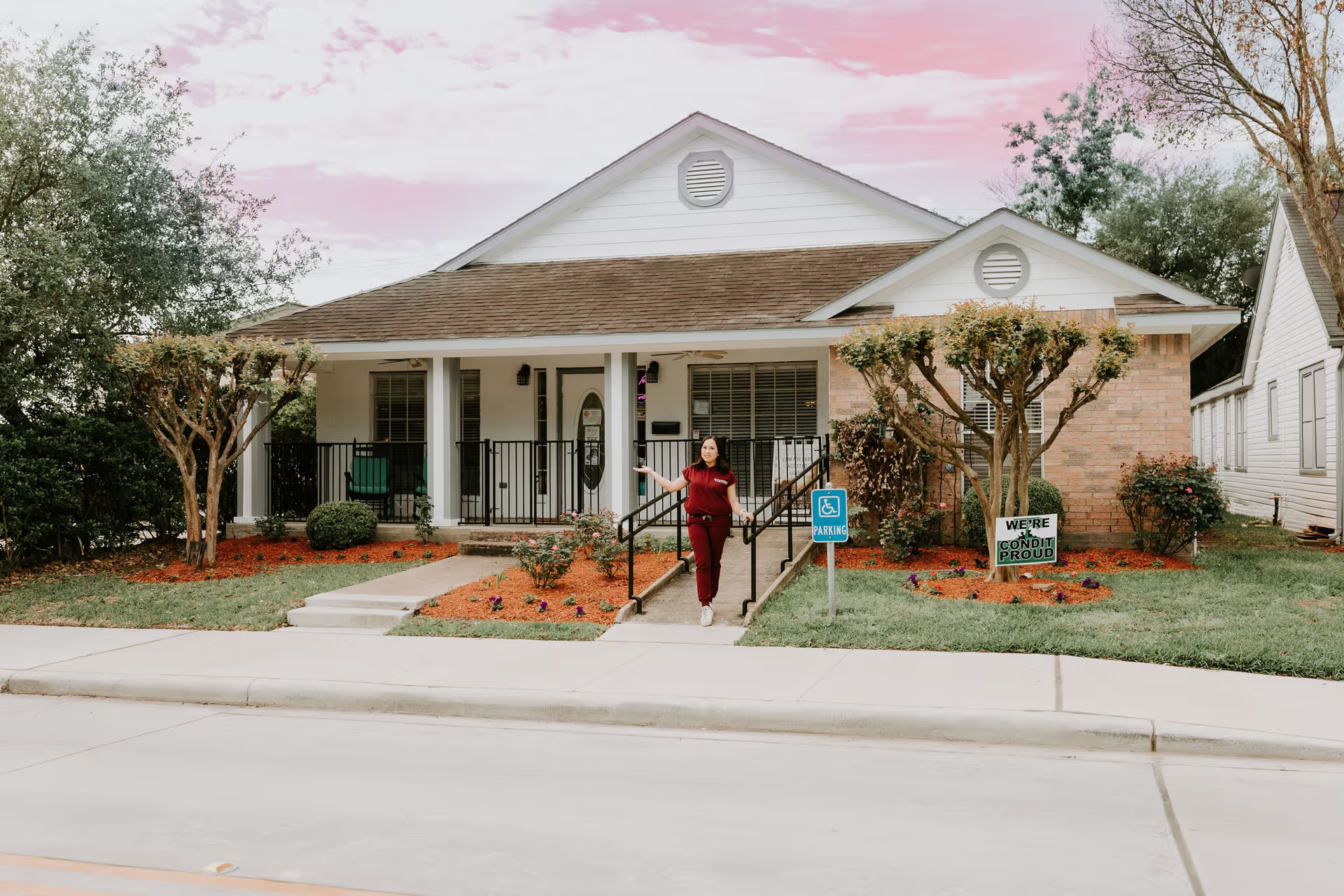
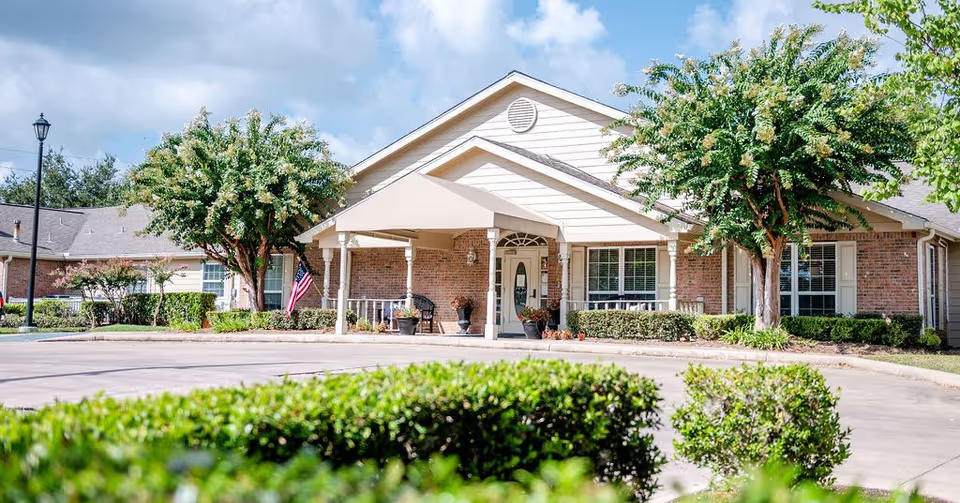
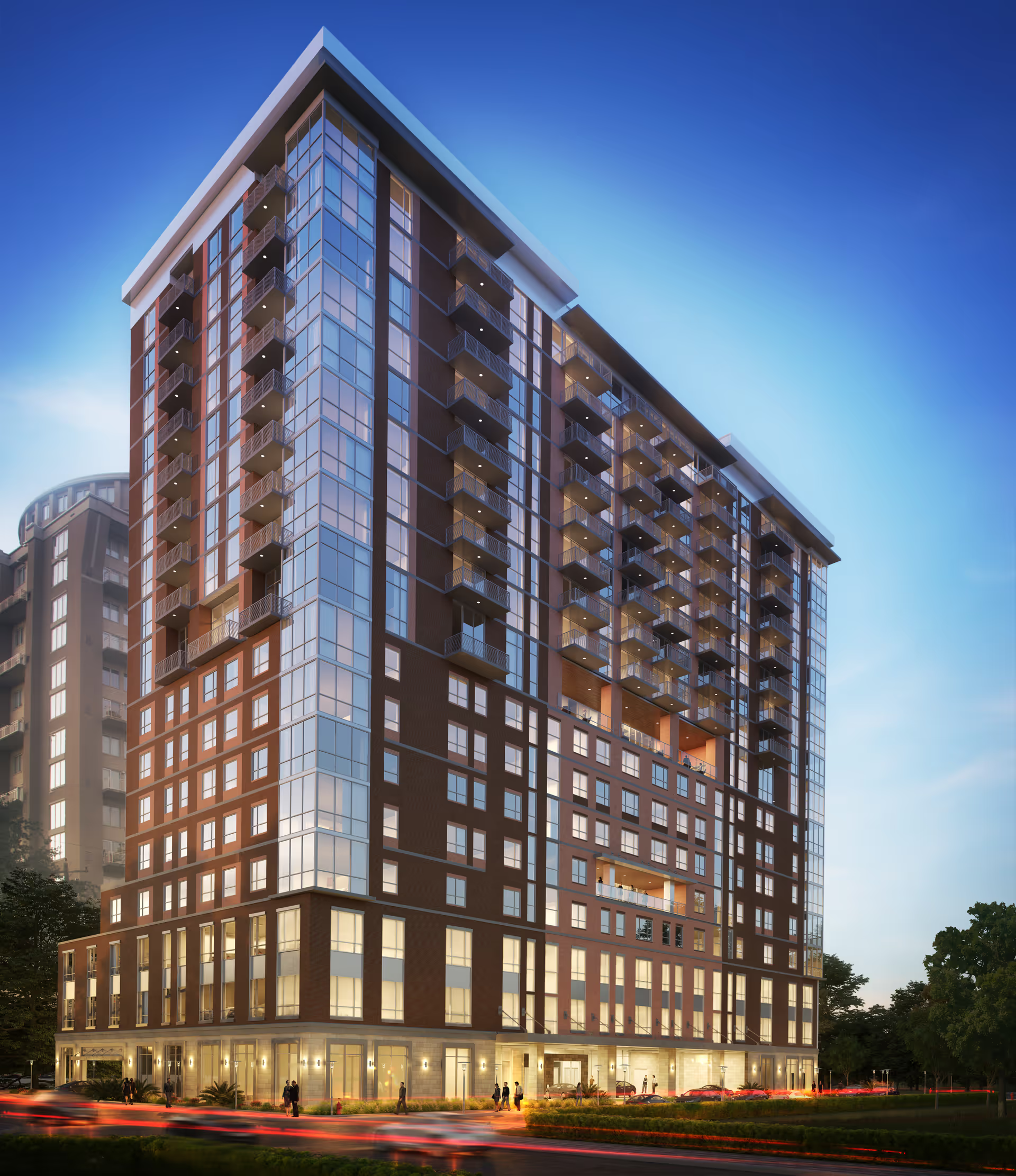
Overall impression: The Village of Meyerland is frequently described as a modern, well-appointed senior-living community with a strong emphasis on activities, hospitality-style amenities, and resident engagement. Many families and residents highlight a welcoming atmosphere, attentive concierge and front-desk staff, and an energetic life-enrichment program that includes themed events, classes, outings, and specialty programming. Physical facilities are consistently praised: the building is often described as new, clean, and tastefully designed with attractive common spaces, private balconies in some units, gardens, and convenient proximity to medical centers.
Care and staff: Care delivery draws mixed but predominantly positive commentary. Numerous reviewers emphasize compassionate, personable caregivers who learn residents’ names and build rapport; life-enrichment and floor staff receive repeated praise for creativity and resident involvement. At the same time, a recurring operational concern is staffing stability. Reviewers note high turnover and occasional understaffing, which manifests as variable caregiver responsiveness, delays in assistance, and uneven continuity of personnel. Memory-care staffing is highlighted positively in several accounts, though other reviewers raise concerns about inconsistent engagement and activity participation on specific memory-care units. Medication coordination and timely administration have been noted as problematic in isolated but consequential cases; families should confirm clinical-process expectations during intake.
Dining and activities: Dining is a clear strength for many residents — the in-house chef and dining team receive strong positive feedback for food presentation, special menus, and accommodating dietary preferences. That said, reviewers also describe variability in meal quality and availability, periodic menu limitations, and occasional shortages of popular items. Activities programming is one of the community’s most consistent assets: daily classes, art, music, exercise, outings, and holiday events are frequently cited as contributing to residents’ quality of life. Prospective residents who prioritize an active social calendar are likely to find the community well suited to their interests.
Facilities, maintenance, and operations: The property’s physical condition and amenities are strengths, with many comments about cleanliness, modern finishes, and thoughtfully designed common areas. Operational weaknesses reflected across reviews include inconsistent housekeeping practices in some units and delays in maintenance or repairs. Several accounts also describe discrepancies between the admissions/tour experience and day-to-day operations; families should verify service-level commitments in writing. Pricing-level concerns appear repeatedly — some families feel cost is high relative to perceived value — and there are isolated but recurrent questions about billing transparency and contract terms that merit careful review.
Management and notable patterns: Leadership changes and management communication receive mixed assessments. Some reviewers praise engaged executive and care directors who are responsive and proactive; others report unanswered emails, uncooperative interactions, and difficulty resolving family concerns. This variability in management performance appears linked to the broader patterns of turnover and operational inconsistency. For prospective residents and families, recommended next steps include: touring during a full day of operations (meal and activity times), asking specific questions about staffing ratios and continuity, reviewing sample contracts and billing practices (including post-mortem rent/notice terms), and confirming processes for maintenance, medication coordination, and memory-care engagement. Overall, the community offers many programmatic and environmental strengths but also exhibits recurring operational areas that families should evaluate to ensure alignment with their care expectations.