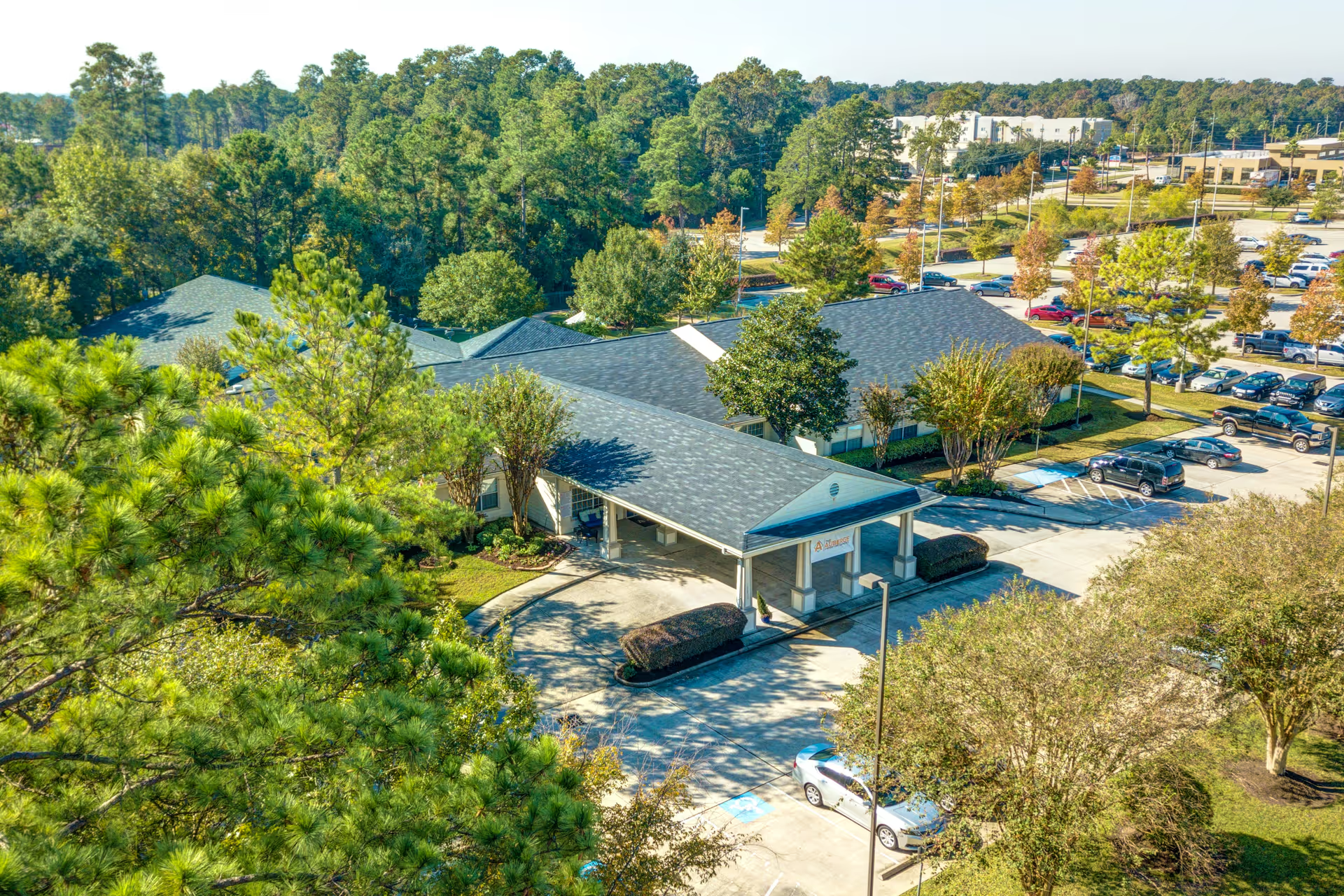
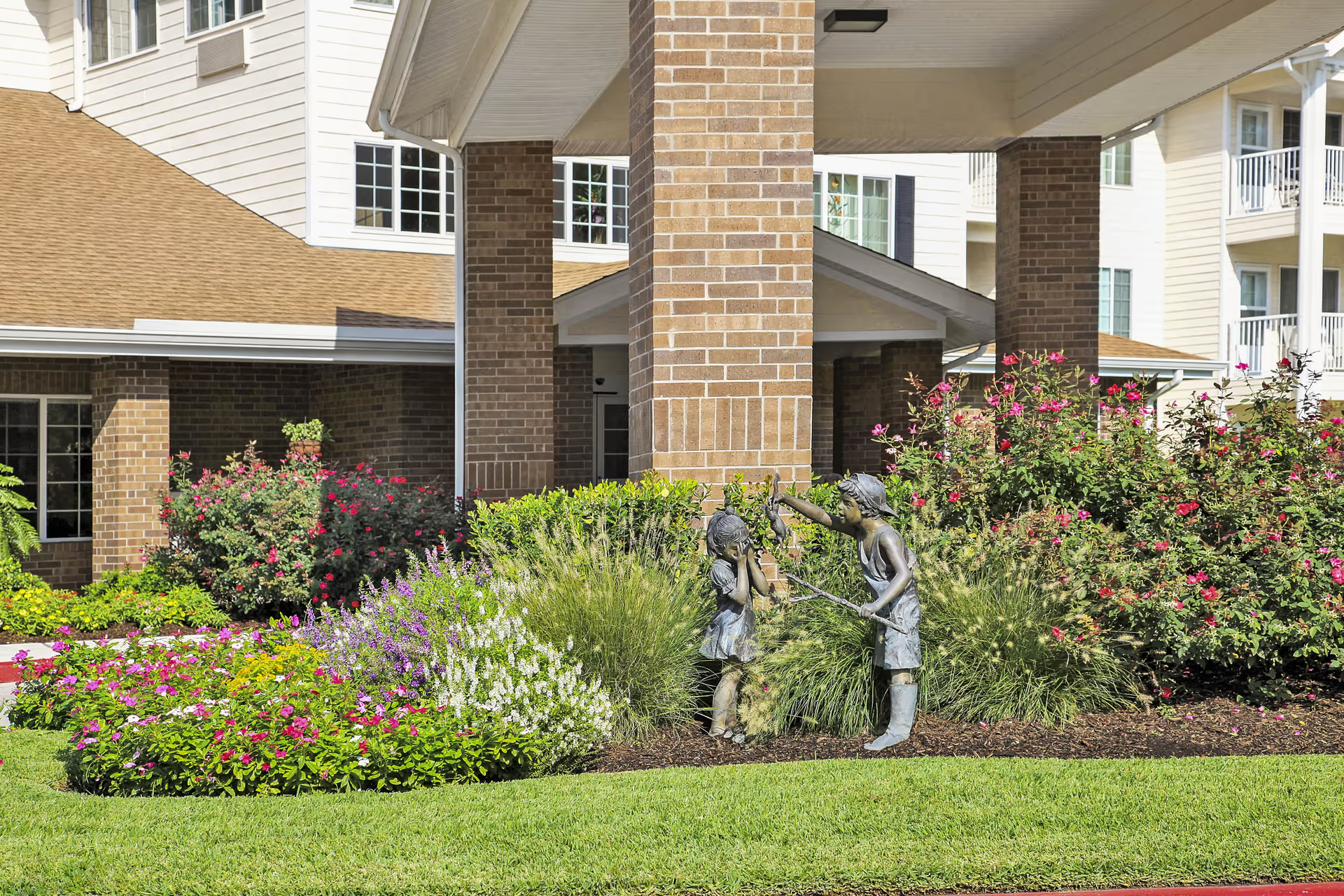
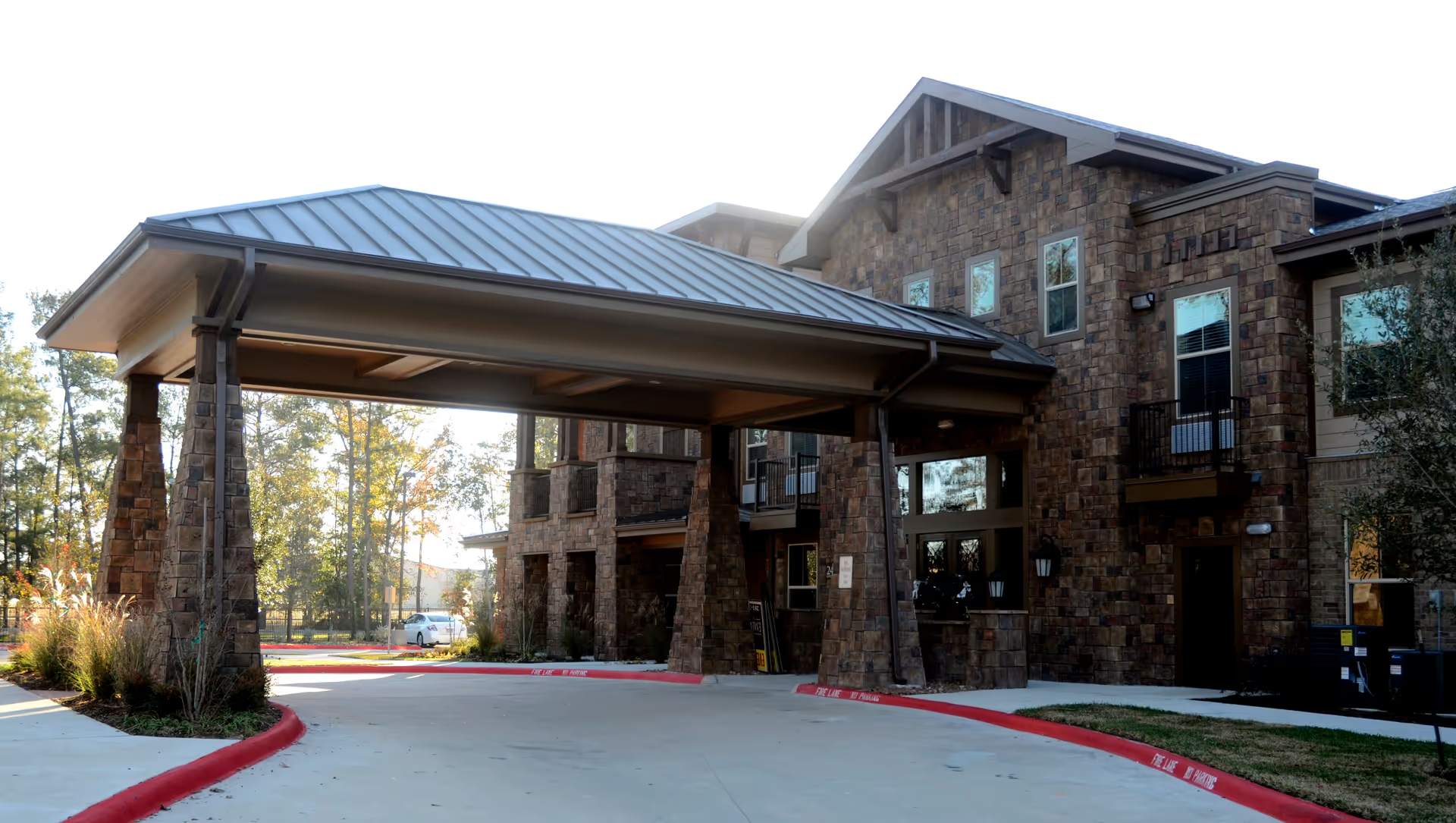
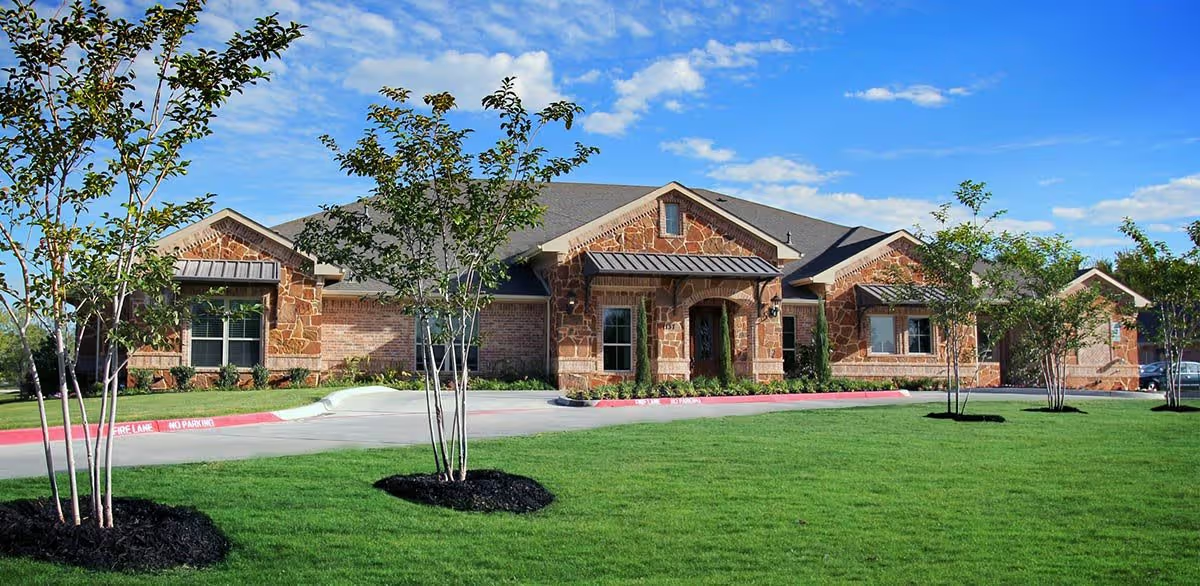
Reviews for Crimson Heights Health & Wellness describe a facility with clear physical strengths but recurring operational challenges. The campus is frequently described as attractive, modern, and clean: newer construction, well‑kept grounds, spacious rooms, multiple dining and living areas, large in-room TVs, accessible bathrooms (including roll-in showers), and on-site therapy gyms are cited as positive features. Housekeeping and general maintenance are praised in several accounts, and the facility accepts Medicaid. A wound-care nurse on-site is singled out positively by some families.
Care quality and clinical services present a mixed picture. Some families described attentive nursing and caring aides, while others raised concerns about inconsistent clinical oversight. Common clinical issues include perceived delays in medication administration and a lack of routine progress checks or therapy follow-ups. Physical therapy resources and equipment exist on-site, but a number of accounts describe short or inconsistent therapy sessions and unmet therapy promises. There are also recurring mentions of uneven personal-care practices and laundry processes that suggest the need for stronger staff training and supervision.
Staffing and communication are recurring areas of concern. Many reviews highlight friendly or caring individuals among the staff, but also describe inconsistent responsiveness: long waits for call-light responses, unanswered internal phones or disconnected extensions, and front-desk or nursing stations that are not always staffed. These communication and availability gaps extend to family interactions, where reviewers cite difficulties reaching staff, poorly managed plan-of-care meetings, and limited or unclear follow-up after clinical changes.
Dining and activities receive mixed feedback. Several reviewers describe the food as cold, limited, or lacking in variety and condiments; some family members found the menus unappealing. Activity listings are broad on paper — bingo, card games, arts and crafts, exercise and dance are mentioned — but practical implementation appears uneven. COVID-related restrictions were also cited as a reason some communal dining and activity spaces were not in regular use, leading to reduced programming visibility for visitors.
Management and operational oversight are highlighted as areas needing improvement. Reviewers reference unresponsive phone handling, billing surprises or unclear charges, and a need for clearer policies and staff retraining. While some staff members (for example, the wound nurse) receive praise, the broader pattern suggests variability in performance between teams and shifts. This contributes to a perception of inconsistent care continuity.
Overall, Crimson Heights offers a modern, accessible physical environment with on-site therapy resources and a range of activity options. Prospective residents and families should verify current staffing levels and call/phone communications, ask for details on therapy schedules and measurable progress checks, inquire about laundry and bathing protocols, and request clear billing and visitation policies during their tour. These targeted questions can help determine whether the facility’s operational practices meet an individual’s care and lifestyle expectations.