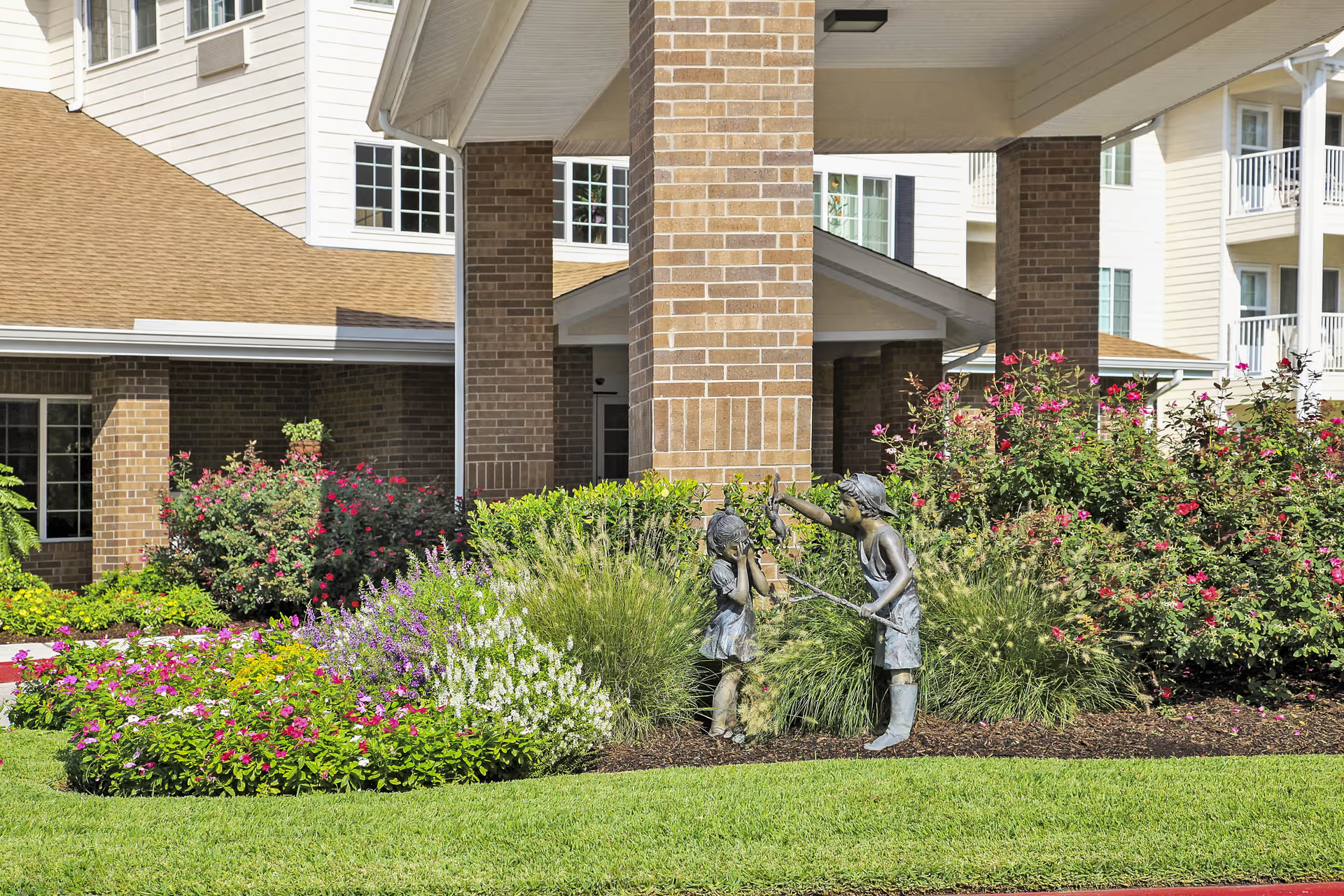
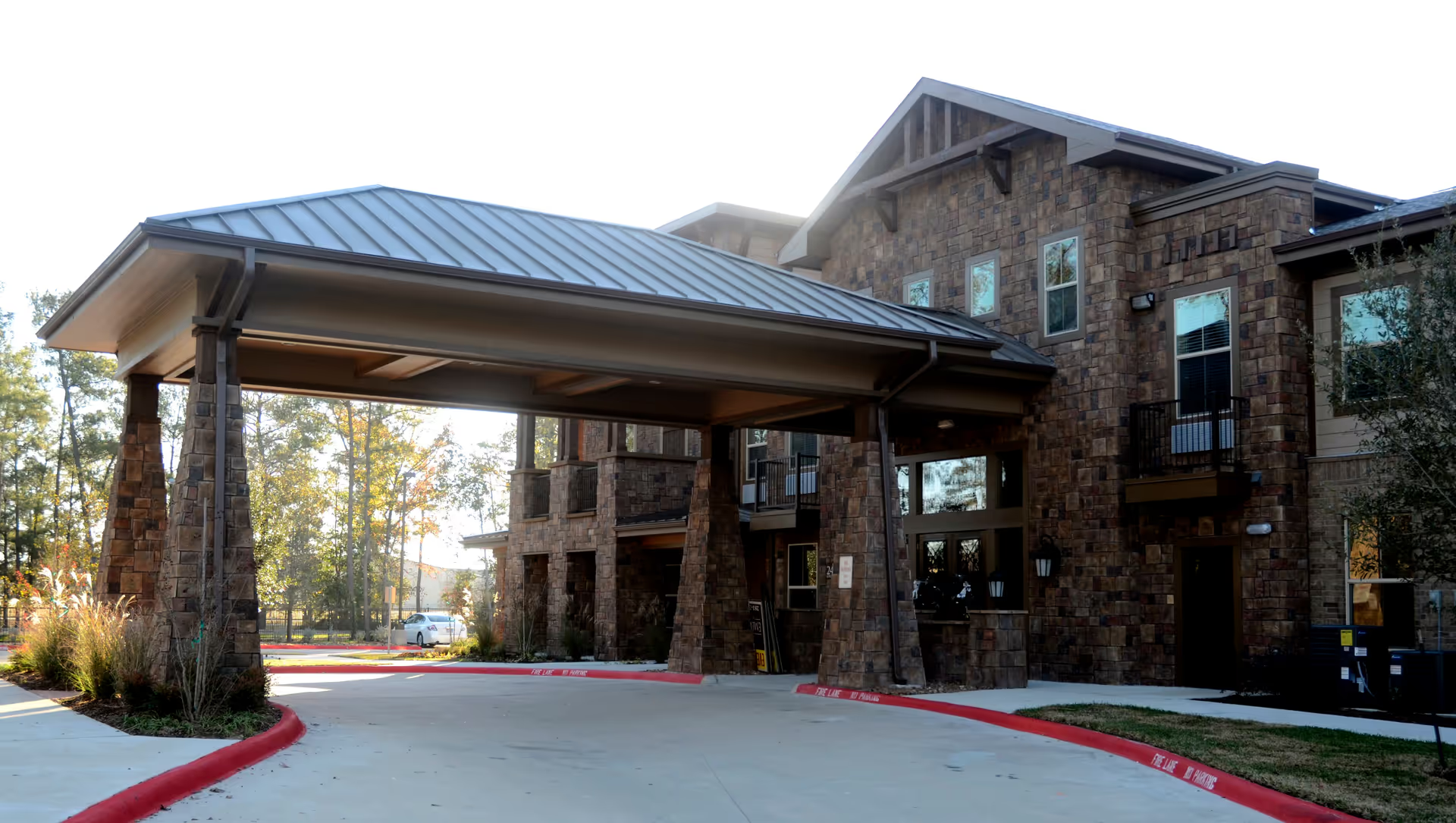
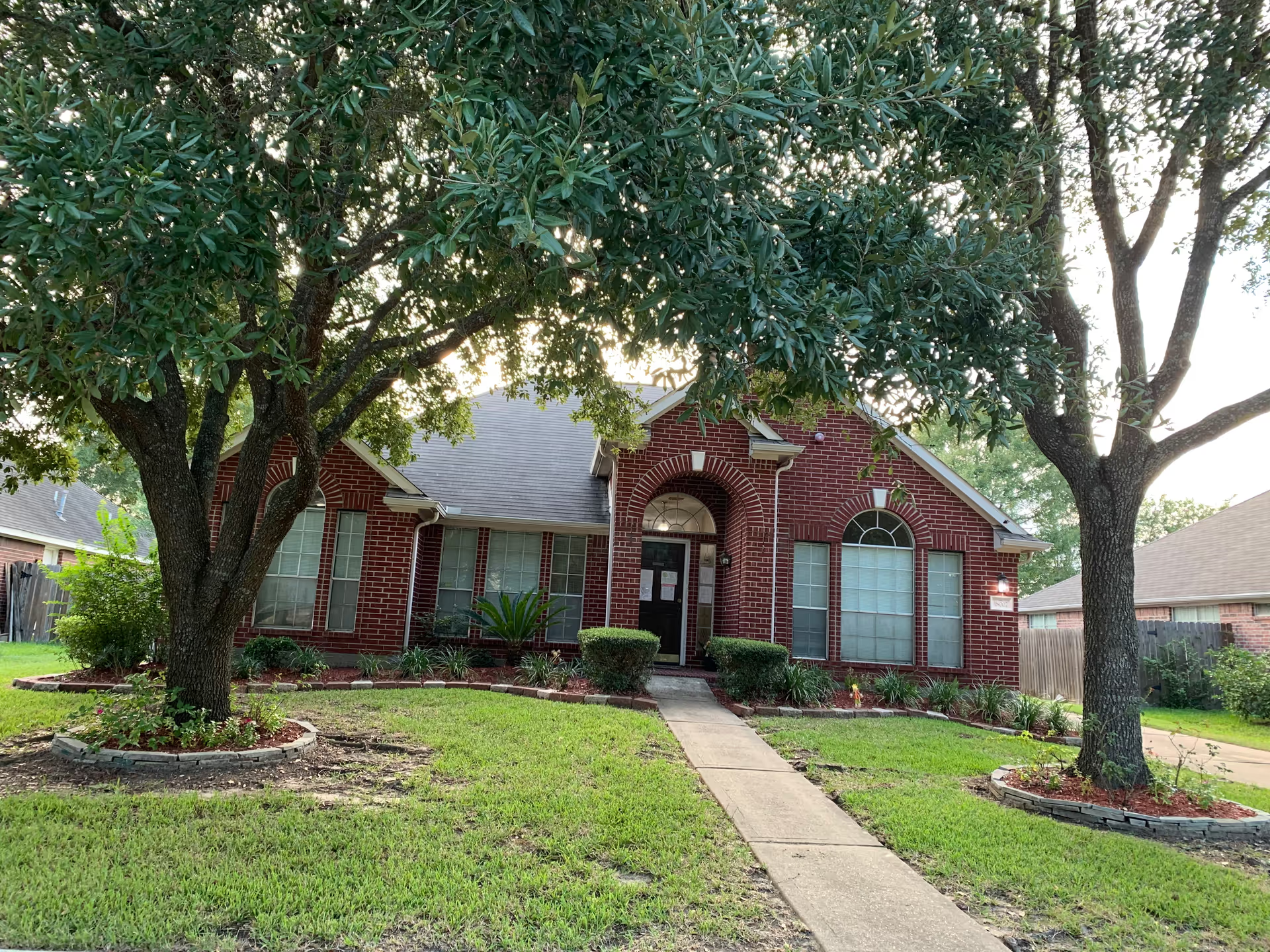
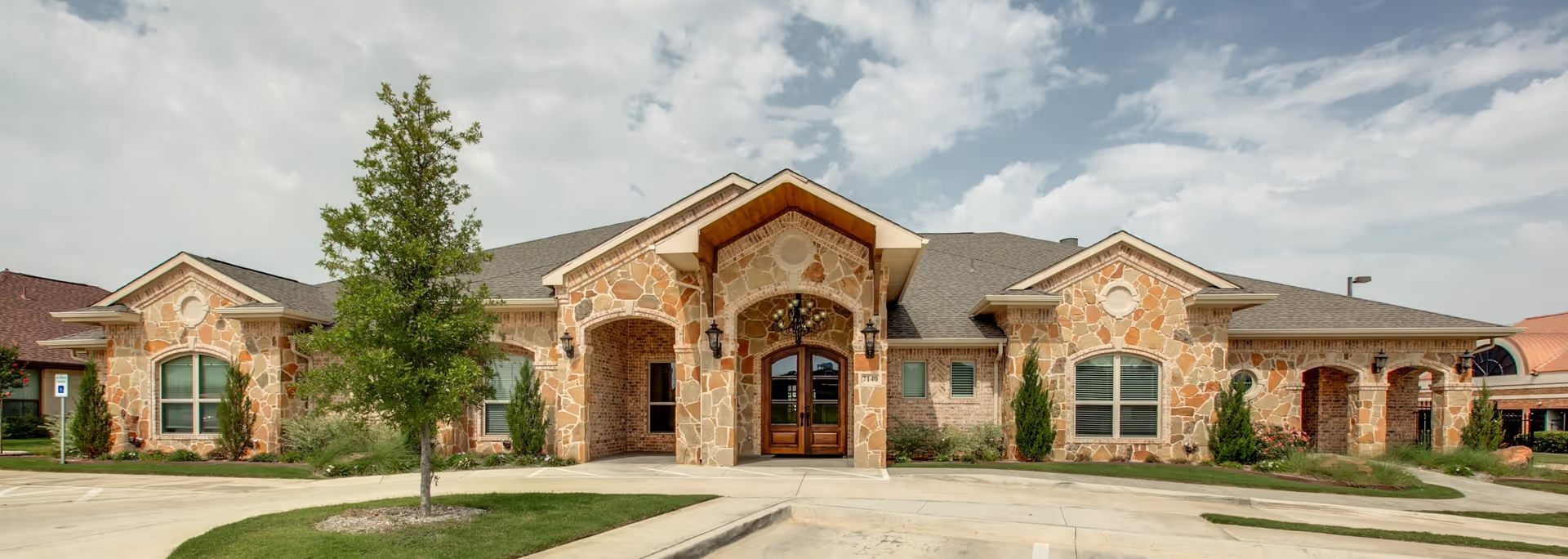
Reviews of Deerbrook Skilled Nursing and Rehabilitation present a highly mixed picture with distinct strengths and recurring operational concerns. Positive accounts consistently highlight compassionate caregiving, an effective therapy program, and attractive communal spaces such as gardens and decorated common areas. Several families described prompt, skilled therapy (PT/OT) and rehabilitation outcomes; others praised specific administrators and admissions staff for responsiveness and helpful communication. The activities program and social offerings receive frequent praise for keeping residents engaged.
At the same time, a sizeable portion of feedback identifies operational weaknesses that affect safety and quality of life. Staffing levels and shift coverage are frequently described as inconsistent, producing delays in response to call lights and resident needs. Reviewers raised concerns about medication administration and clinical oversight, and there are multiple references to inconsistent wound care and personal-care delivery. These issues are often linked to poor communication between nursing, administration, and outside providers, which in some cases impacted discharge planning and coordination of services such as dialysis or home health.
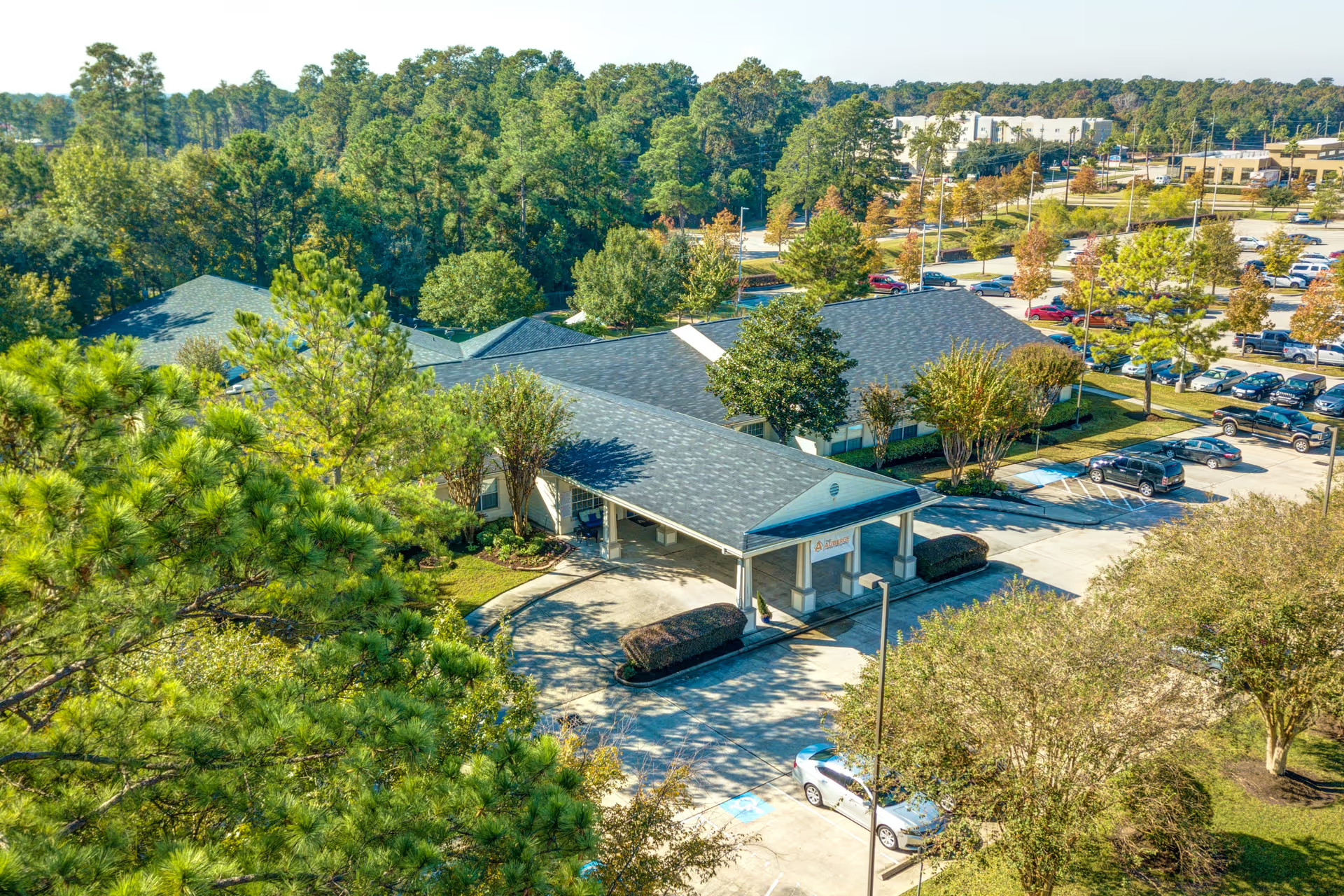
Dining and sanitation are other areas of divergence. While some reviews note accommodating meal choices and a well-maintained cafeteria, many others cite unreliable meal quality (cold or poorly prepared food), inconsistent portioning, and food-service issues. Sanitation and infection-control concerns appear in several accounts, with examples pointing to laundry and room-cleaning problems, pest-control concerns in isolated instances, and maintenance items such as ceiling or plumbing damage. The facility's physical plant is described as a mix of pleasant common areas and aging patient-care spaces—cramped rooms, older beds and equipment, and limited in-room oxygen or safety outlets were noted.
Staff culture and professionalism show high variability. Numerous reviewers commend individual nurses, CNAs, and therapy staff as caring and competent; concurrently, others describe staff distracted by personal devices, inconsistent introductions, and lapses in training or communication tone. Administrative experiences also vary: some family members praise accessible leadership and problem-solving administrators, while other reports detail billing errors, unhelpful front-desk communication, and even allegations of financial mishandling and theft. A few reviews reference regulatory attention or investigations, which families should consider when evaluating the facility.
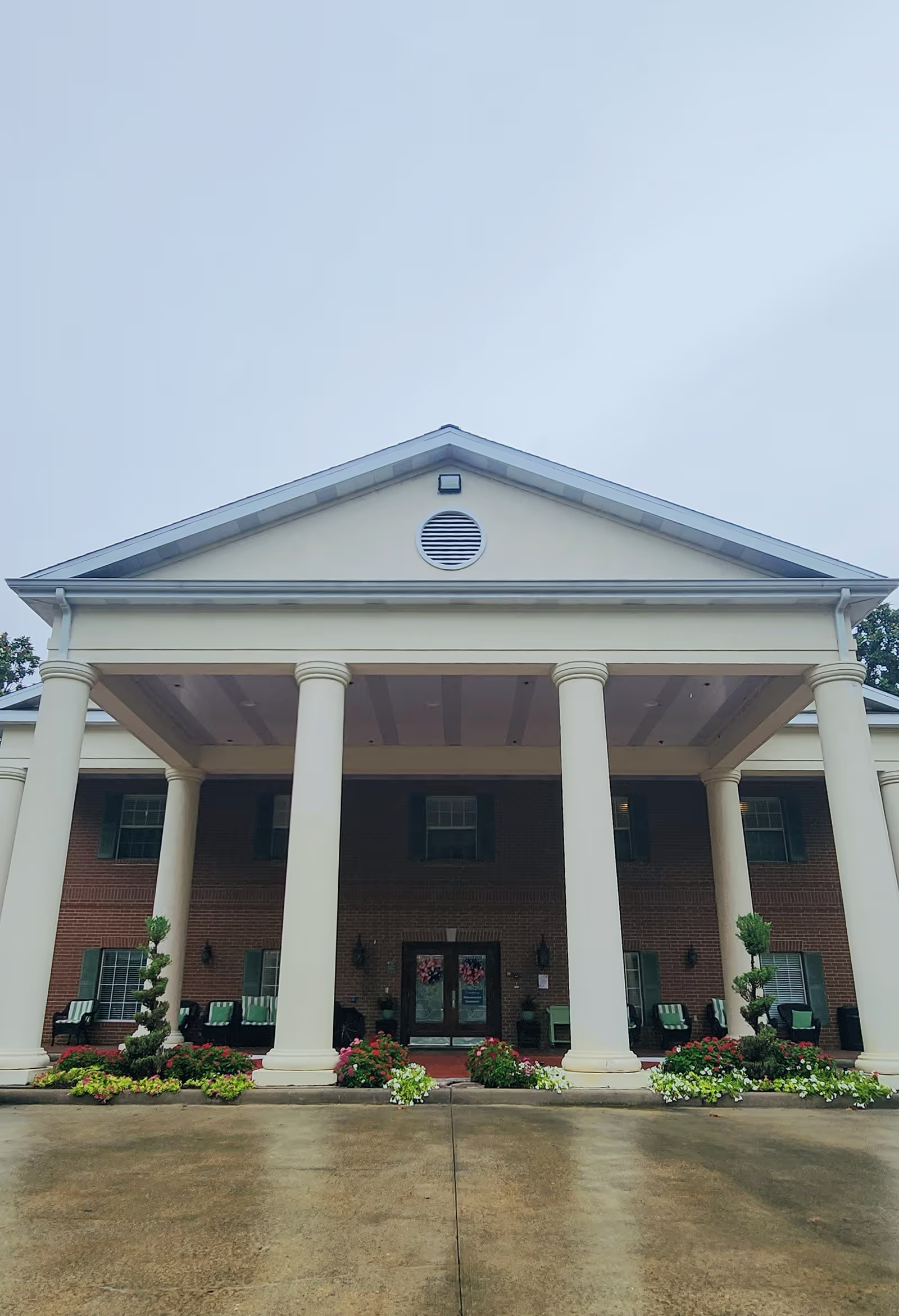
Taken together, Deerbrook demonstrates meaningful strengths in clinical rehabilitation, compassionate individual caregivers, and an inviting communal environment. However, the facility appears to struggle with consistent staffing, clinical-process adherence, sanitation controls, meal-service reliability, and administrative reliability. Prospective residents and families should plan an in-person tour that includes observations during different shifts, direct questions about staffing ratios and wound-care protocols, verification of medication-administration safeguards, review of billing and financial protections, and clear plans for discharge coordination and post-acute services. Monitoring these operational areas and asking for recent quality or inspection data can help assess whether Deerbrook’s strengths will meet a specific resident’s needs.