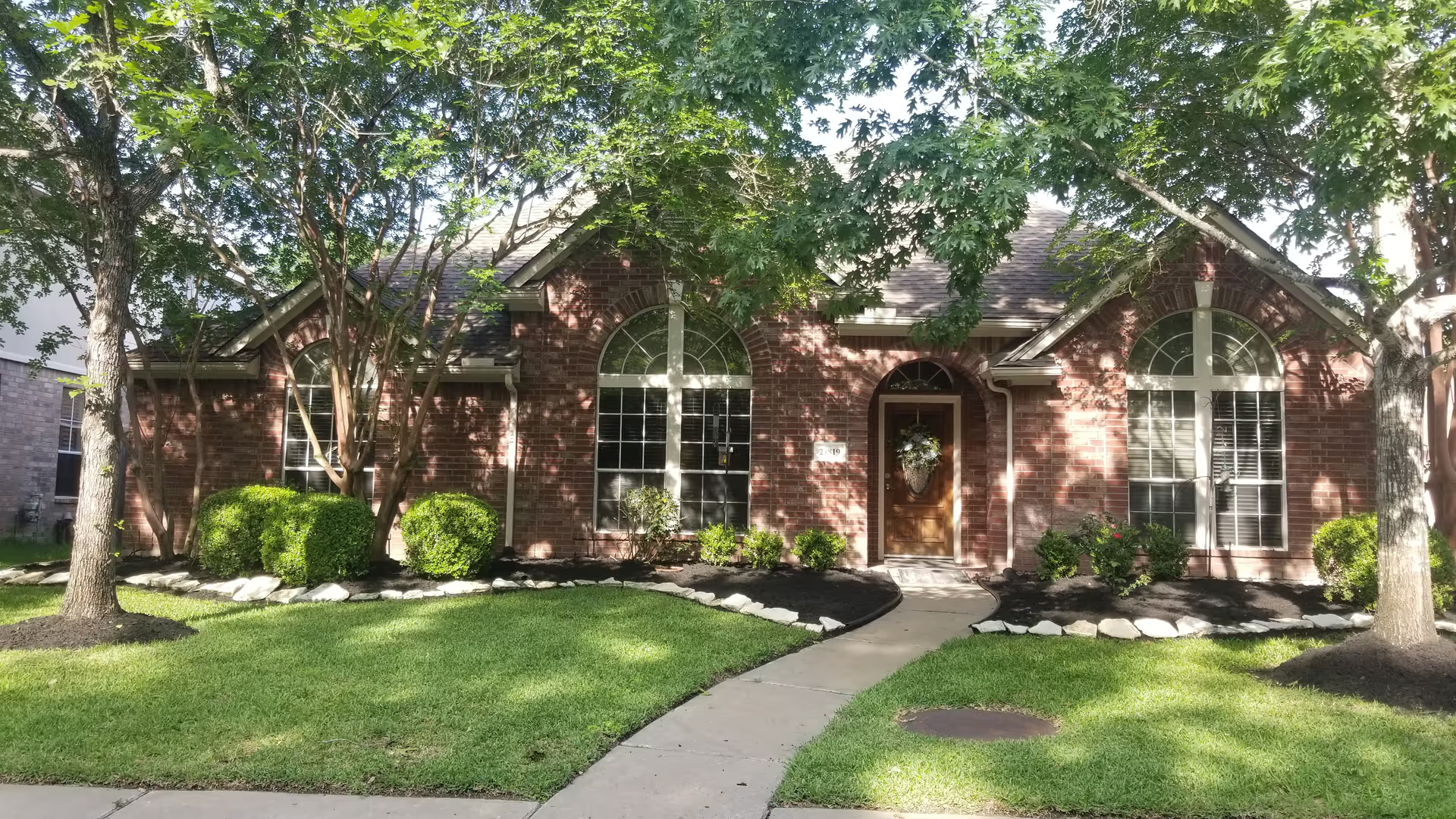
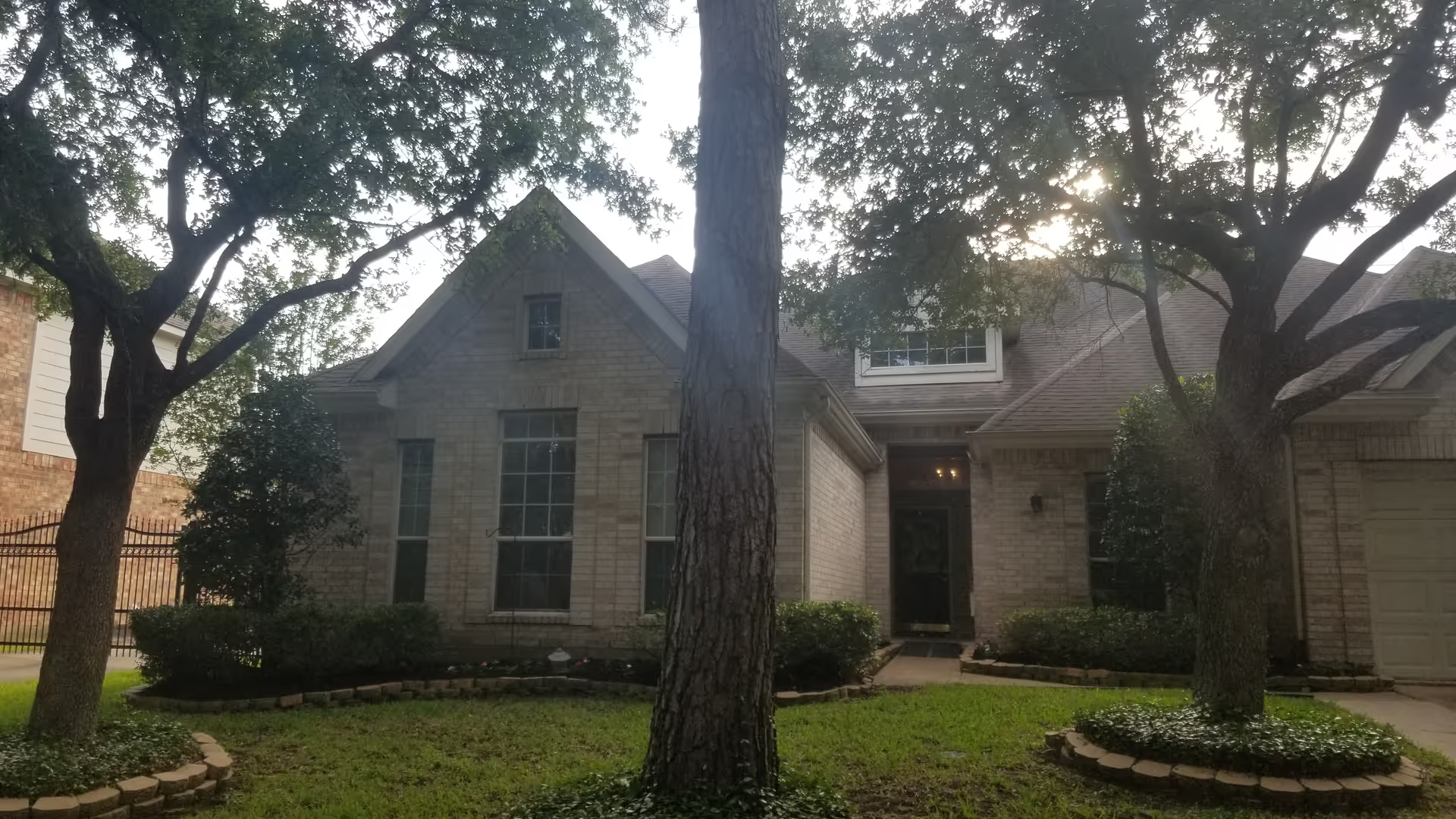
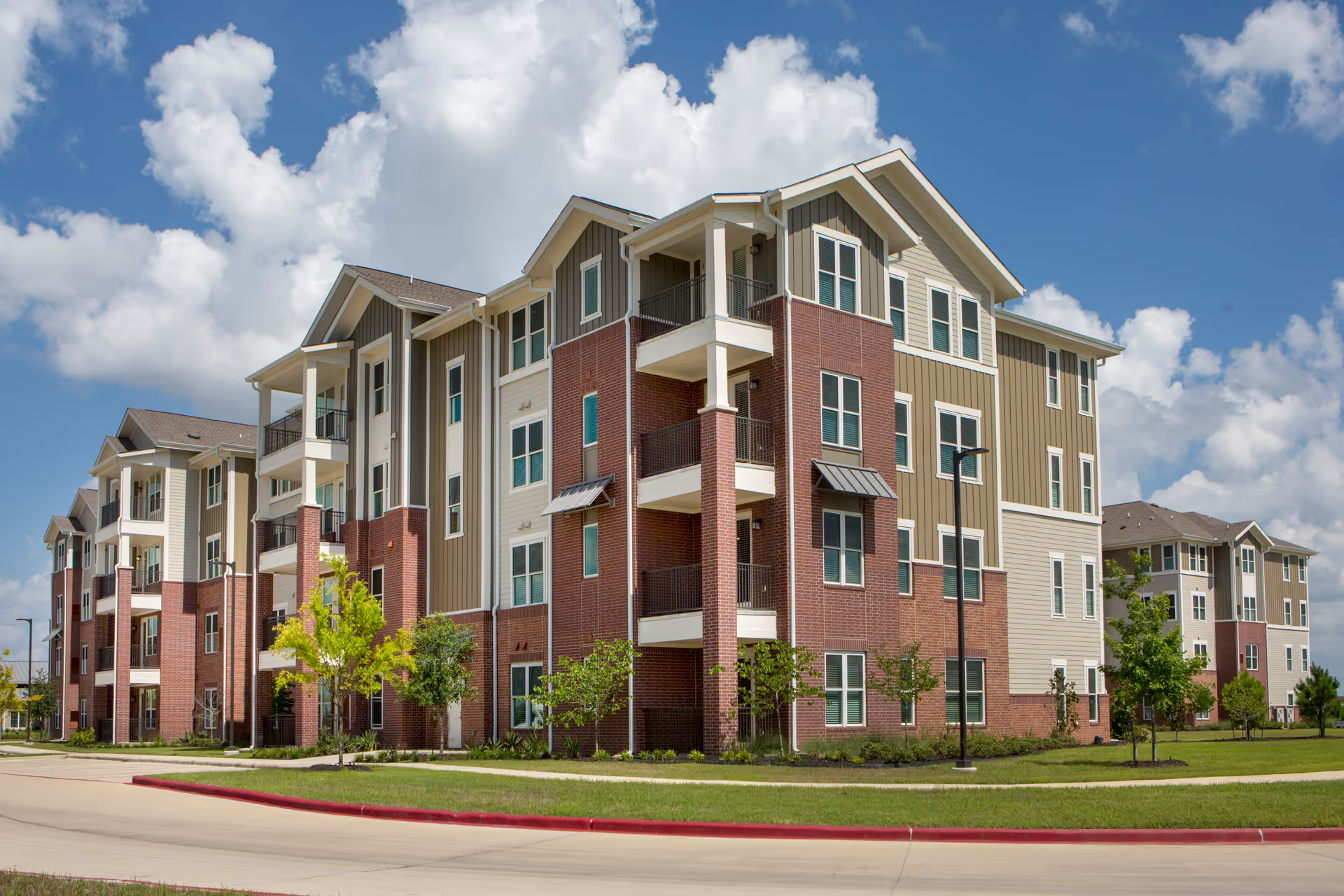
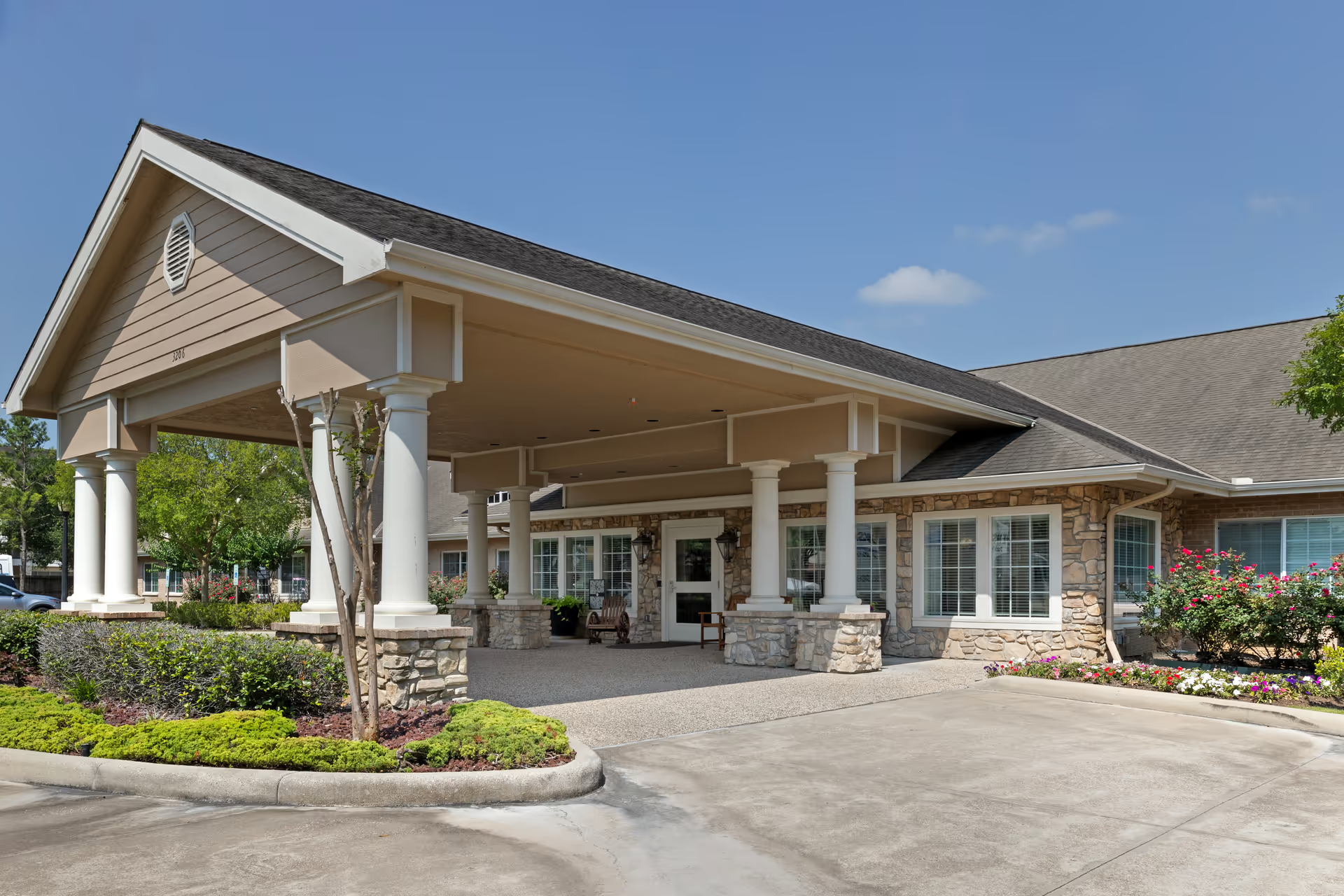
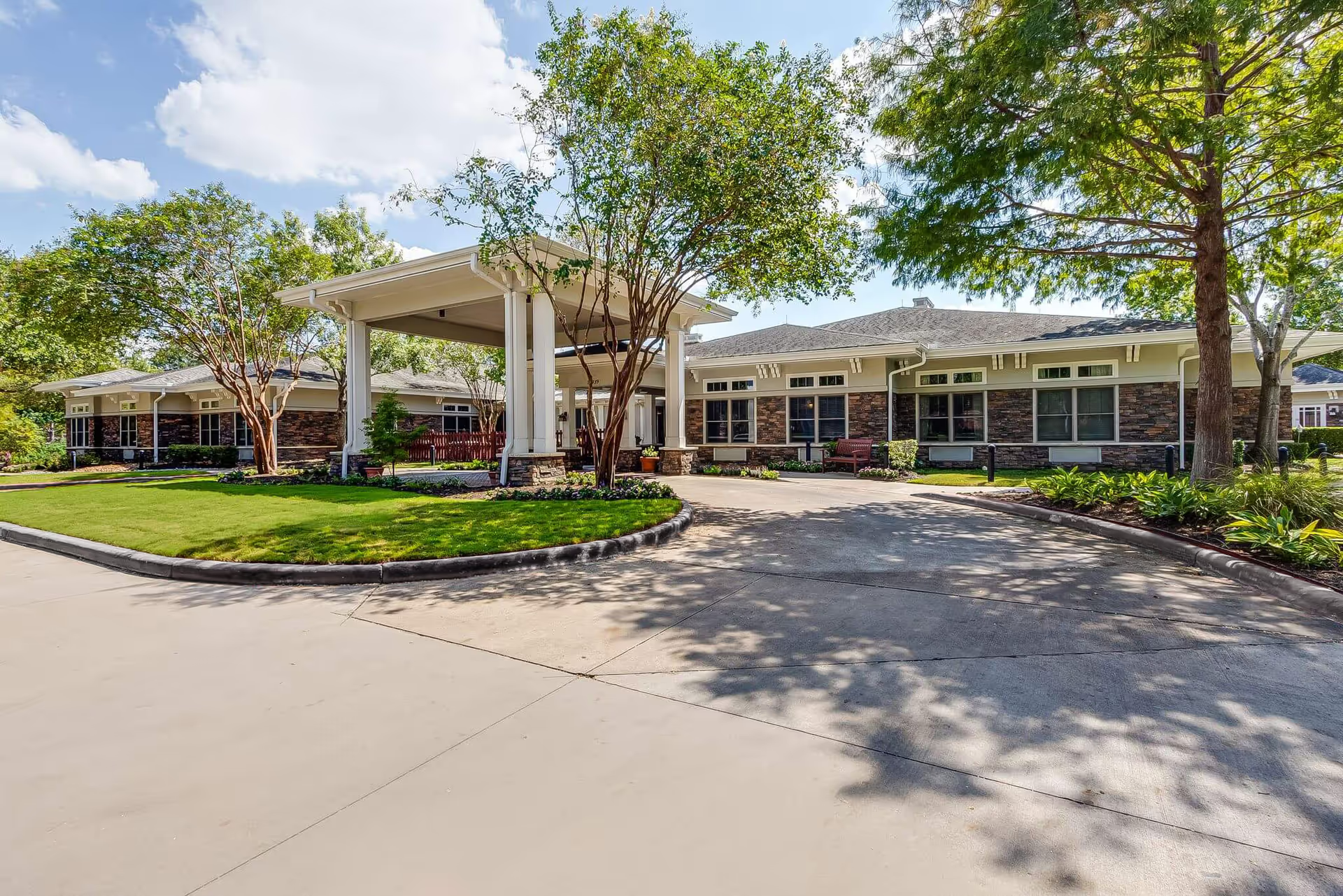
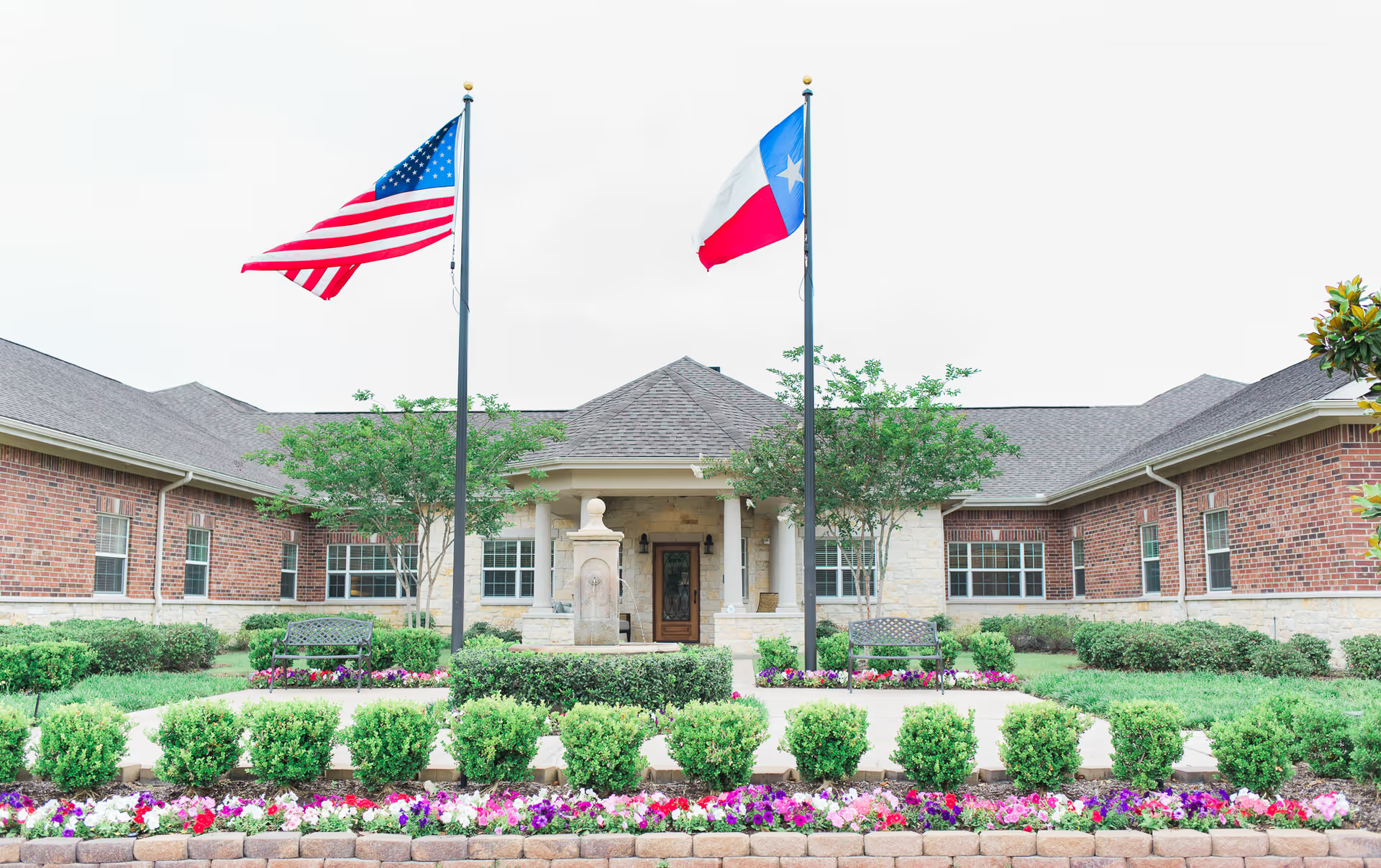
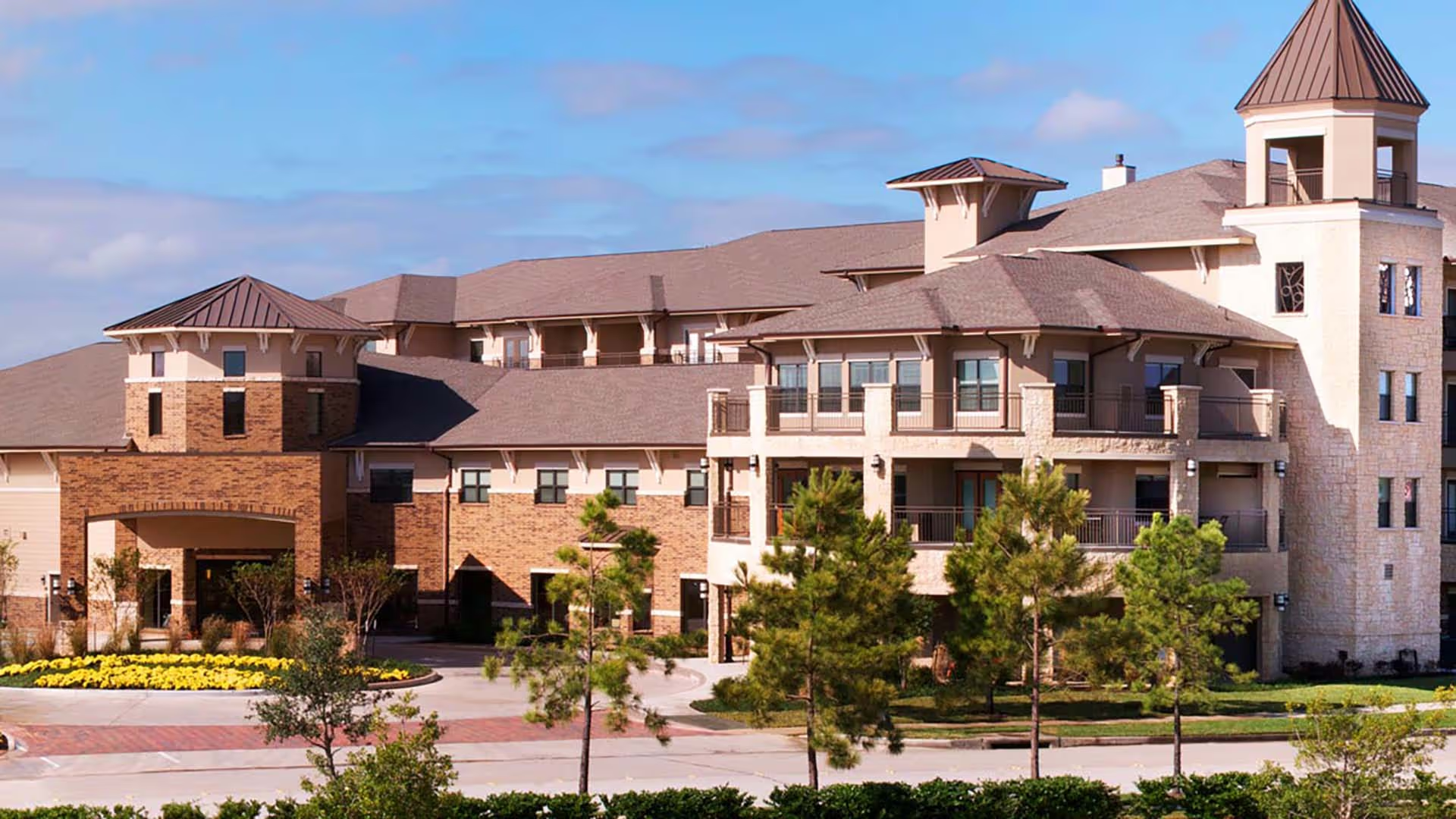
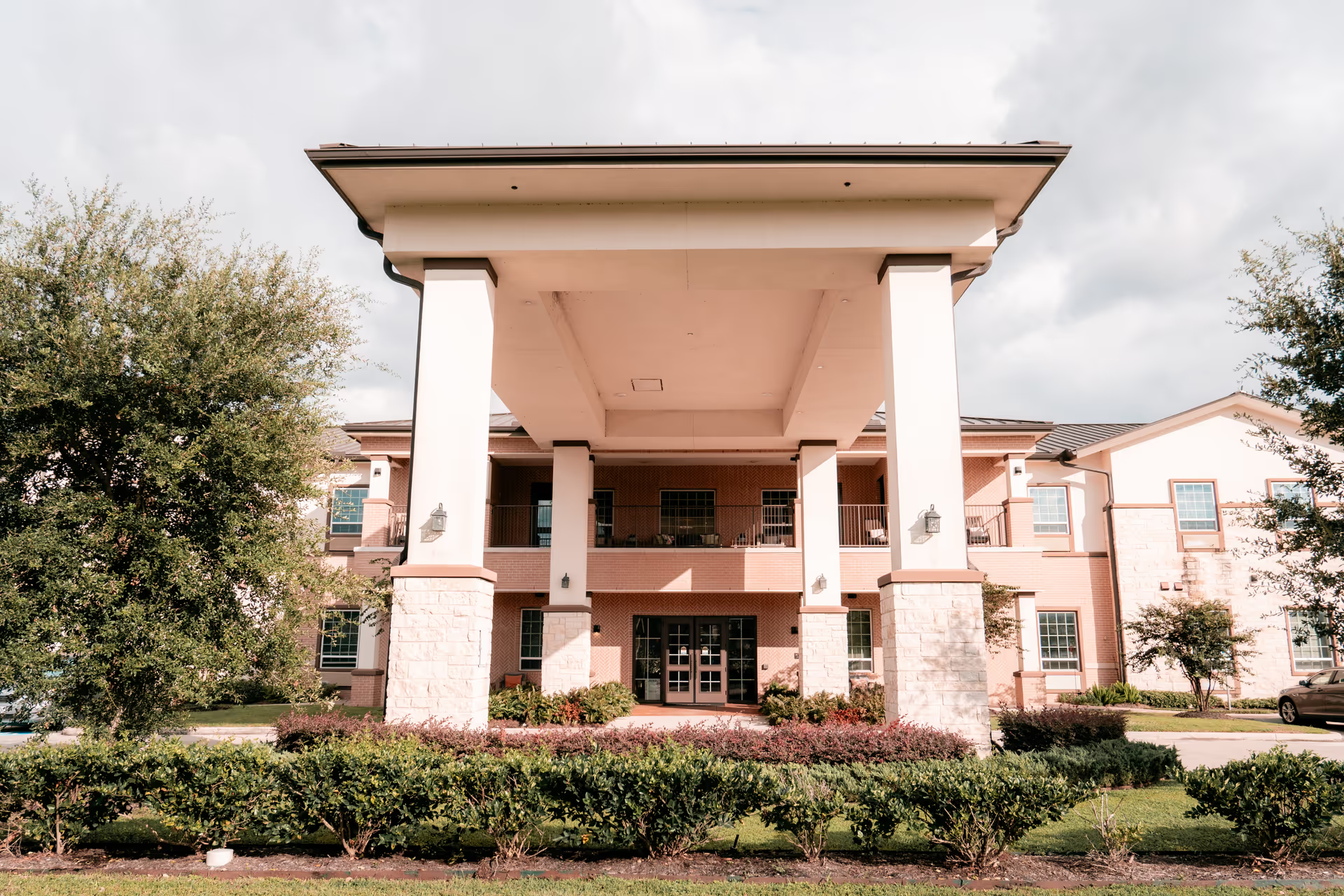
Agape Heritage Homes presents as a small, home-style assisted living option with a number of strengths and distinct operational risks. Families repeatedly cite compassionate, attentive caregivers and a personalized care approach made possible by the facility’s small census. Clinical access appears to include periodic RN and PA visits, and reviewers noted competent PEG and catheter care. The environment is described as spacious and professionally decorated, with a pleasant dining room, flexible meal scheduling, and regular communal activities that contribute to a home-like atmosphere.
Staff-level impressions are mixed. Many reviews praise individual caregivers and managers for responsiveness, continuity, and proactive family updates; a consistent primary caregiver relationship is a recurrent positive. At the same time, there are recurring operational concerns around staffing stability and clinical training. Reviewers expressed that aides are often non-certified or less experienced, and that staffing ratios can be thin at times, which may affect responsiveness and the range of clinical tasks the home can perform independently.
Dining and activities are generally viewed positively. The facility’s dining area and kitchen are described favorably, with flexible options and schedules and social activities such as board games and community-room gatherings. Families noted that food and routine care improvements (for example, improved eating consistency) were evident for some residents, and that the setting can be preferable to larger nursing facilities for socially oriented residents.
Facility condition and safety show divergence between aesthetics and infrastructure. While interiors, furnishings, and room sizes are often praised, reviewers also document maintenance vulnerabilities: a history of flooding, repair needs, and sanitation concerns such as mold in some bathrooms. An emergency flooding event required evacuation assistance and external authority involvement, which highlights neighborhood flood risk and the facility’s exposure to weather-related disruption. These items point to a need to confirm the home’s ongoing repair work, pest- and moisture-control measures, and flood-mitigation plans before placement.
Management and communication also show a mixed pattern. Several families describe proactive communications, accommodating scheduling (including holidays), and a manager who is responsive. Other accounts indicate inconsistent director-level responsiveness, uneven family updates (for example, reliance on a single caregiver for WhatsApp updates), strict visitation policies during infection-control periods, and isolated billing or price-discrepancy concerns. In a few accounts, families expressed discomfort with how incident notification and regulatory engagement were handled; prospective families should request documentation of emergency plans, staffing ratios, and oversight processes.
Overall, Agape Heritage Homes appears to offer a warm, individualized environment with strengths in caregiver–resident relationships, a home-like setting, and some clinical supports. However, the facility also exhibits operational traits that warrant verification: confirm current staffing levels and credentials, review emergency preparedness and flood-mitigation measures, inspect recent maintenance and sanitation remediation, and clarify communication and billing practices. These steps will help families determine whether the facility’s person-centered strengths align with the level of clinical oversight and infrastructure reliability they require.