Overall impression: Reviews describe a facility with strong clinical rehabilitation capabilities and many individual staff members who provide compassionate, hands-on care, alongside recurring operational and administrative weaknesses. Therapy teams (physical, occupational, speech) are frequently praised for daily involvement and measurable functional improvements, and admissions/front-desk staff often provide a smooth initial experience. At the same time, families and residents describe variability in other aspects of facility operation that warrant careful evaluation prior to placement.
Care and staff: Nursing staff and CNAs receive substantial positive feedback for attentiveness and direct-care tasks; several families credited staff with helping residents regain mobility and self-care skills. Therapy services are a clear strength, with consistent mentions of daily PT/OT/ST and positive rehabilitation outcomes. However, reviewers also describe uneven performance across nurses and shifts: examples include delays in responding to call bells, concerns about medication and glucose-monitoring practices, and instances of brusque communication. Understaffing is cited as a contributing factor to inconsistent responsiveness and a reliance on family presence to ensure timely attention.
Dining and activities: The kitchen and dining staff are noted for accommodating special diets and for hosting social events that contribute to resident engagement. Some visitors found meals enjoyable and the dining room presentable. Conversely, other accounts point to inconsistency in meal quality and presentation. Recreational programming and social events (for example, seasonal socials and posted activities) are viewed positively and help create a more home-like environment for many residents.
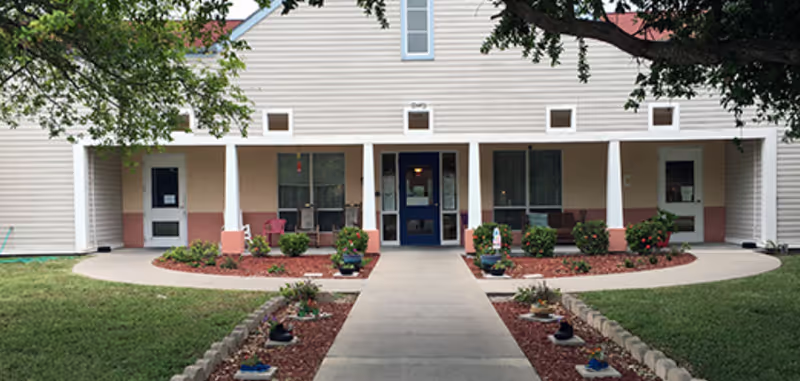
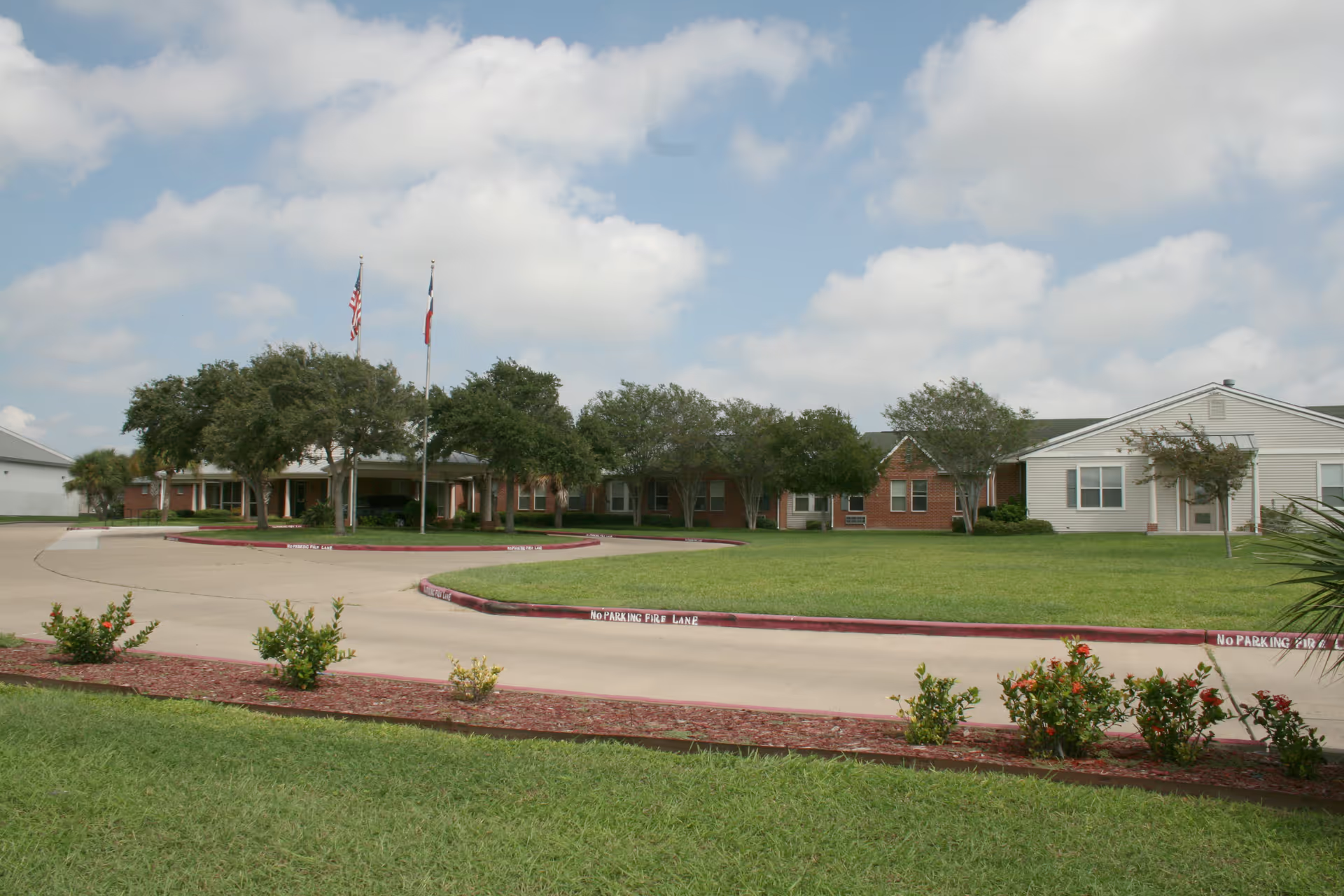
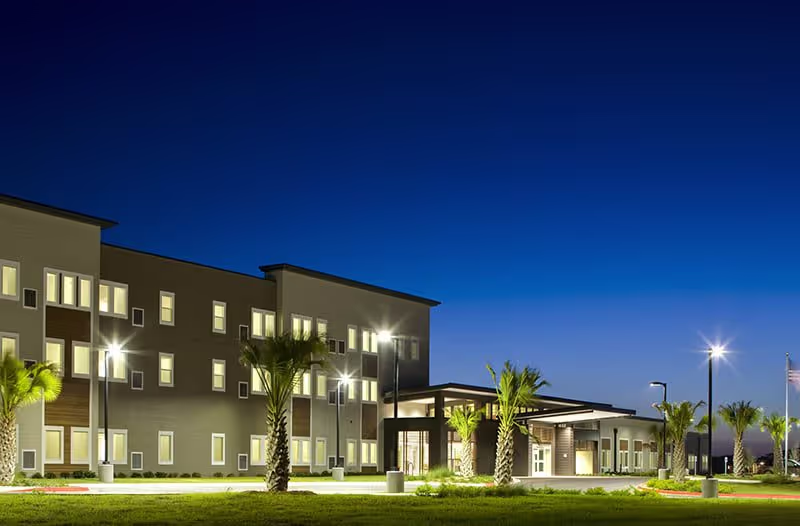
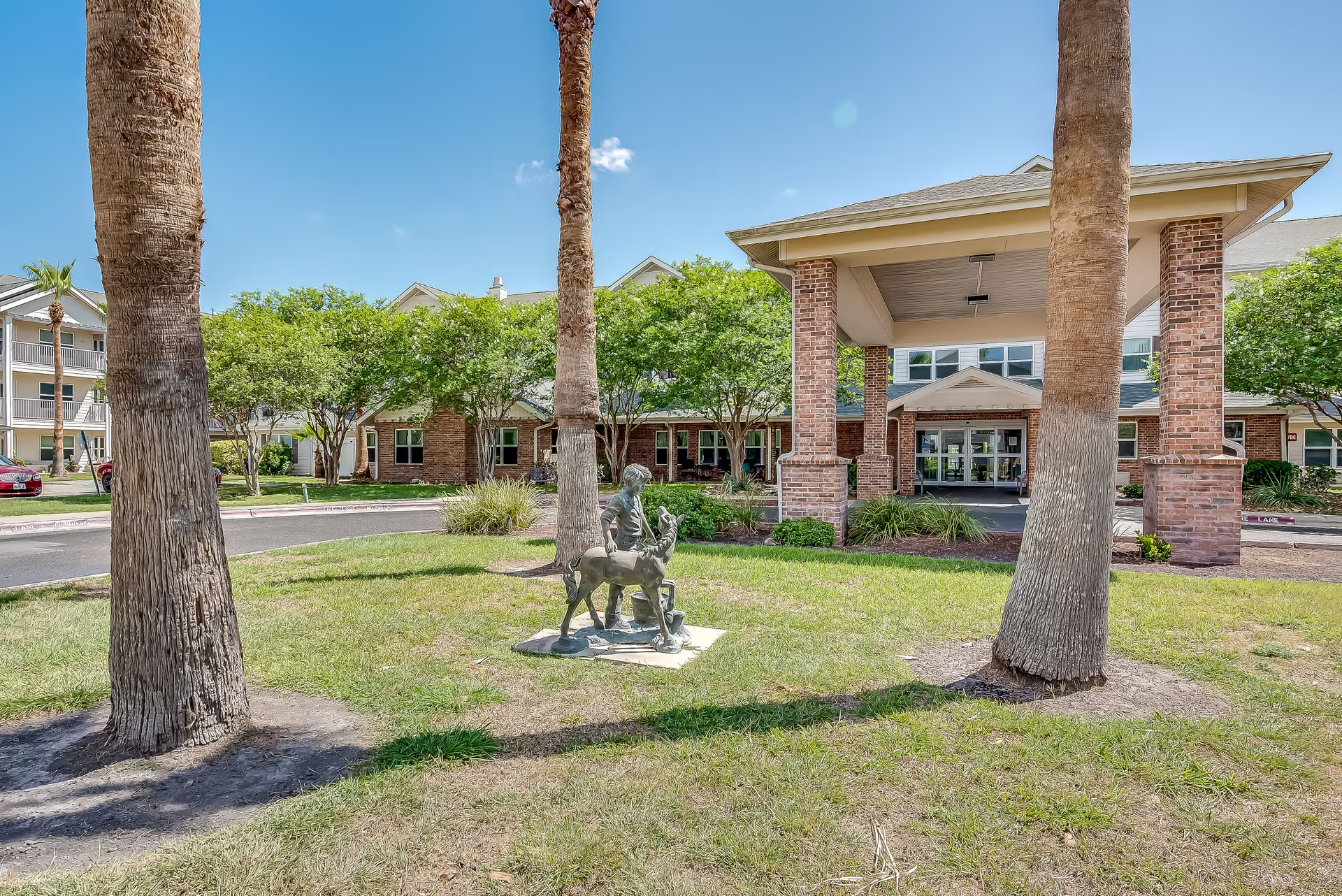
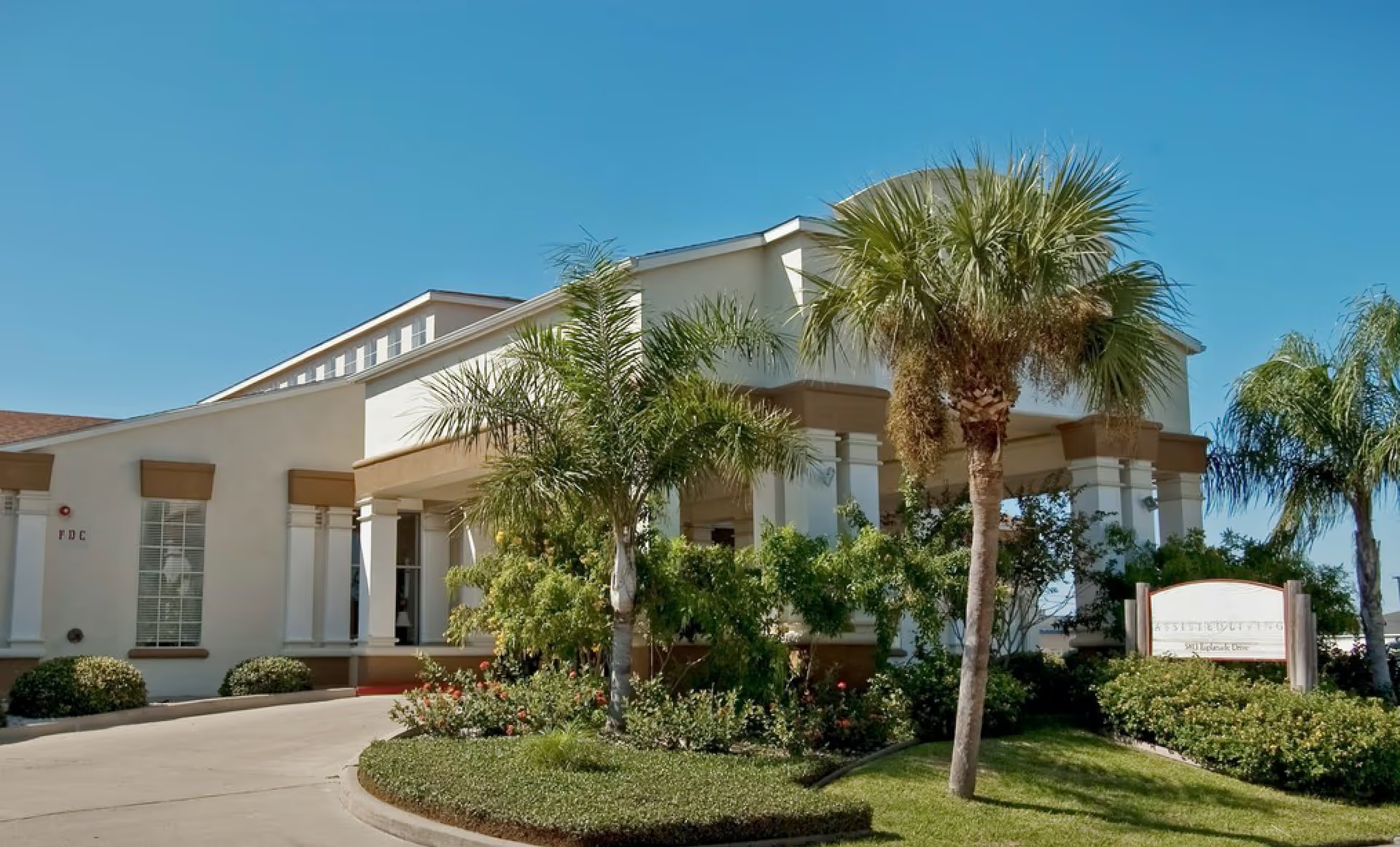
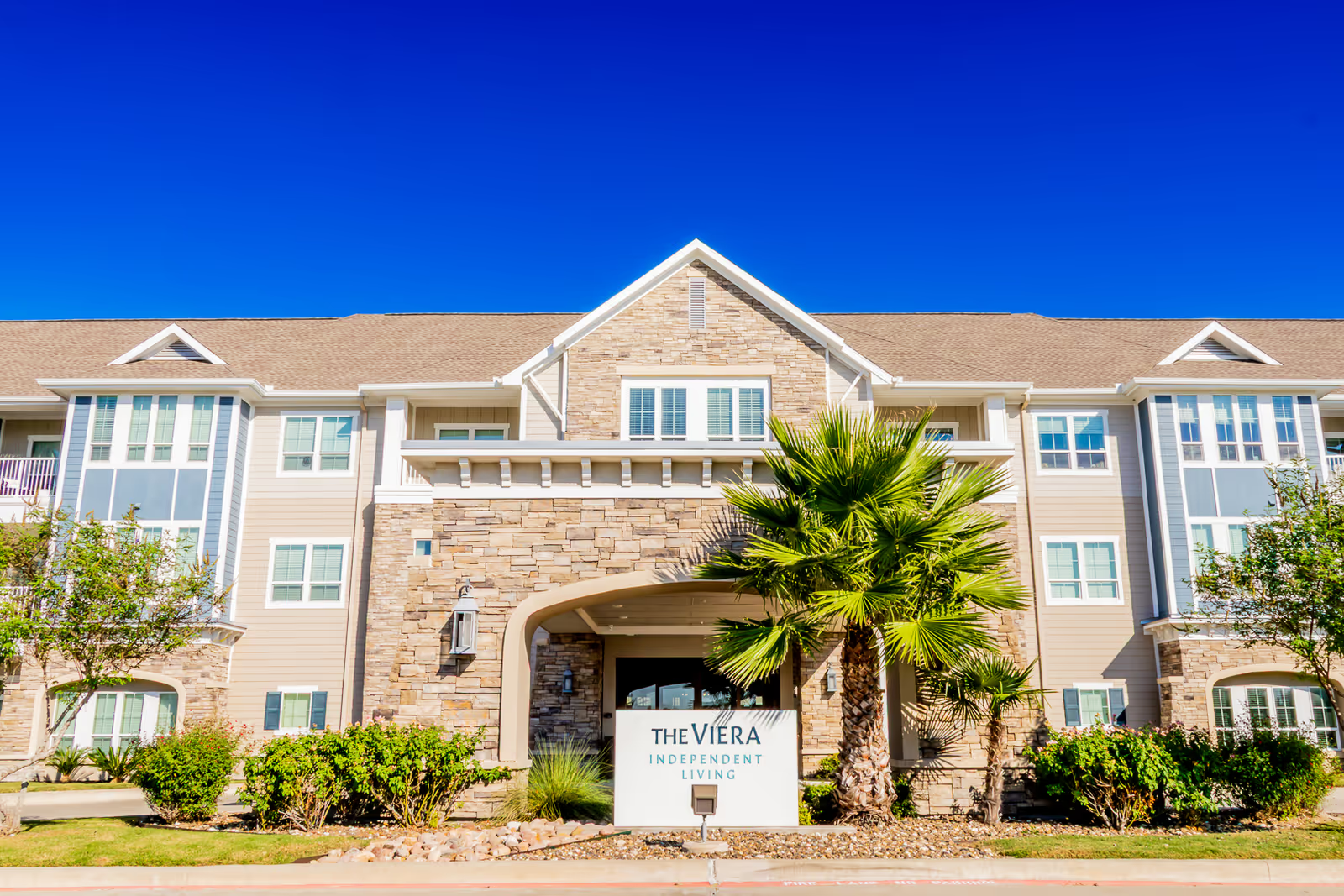
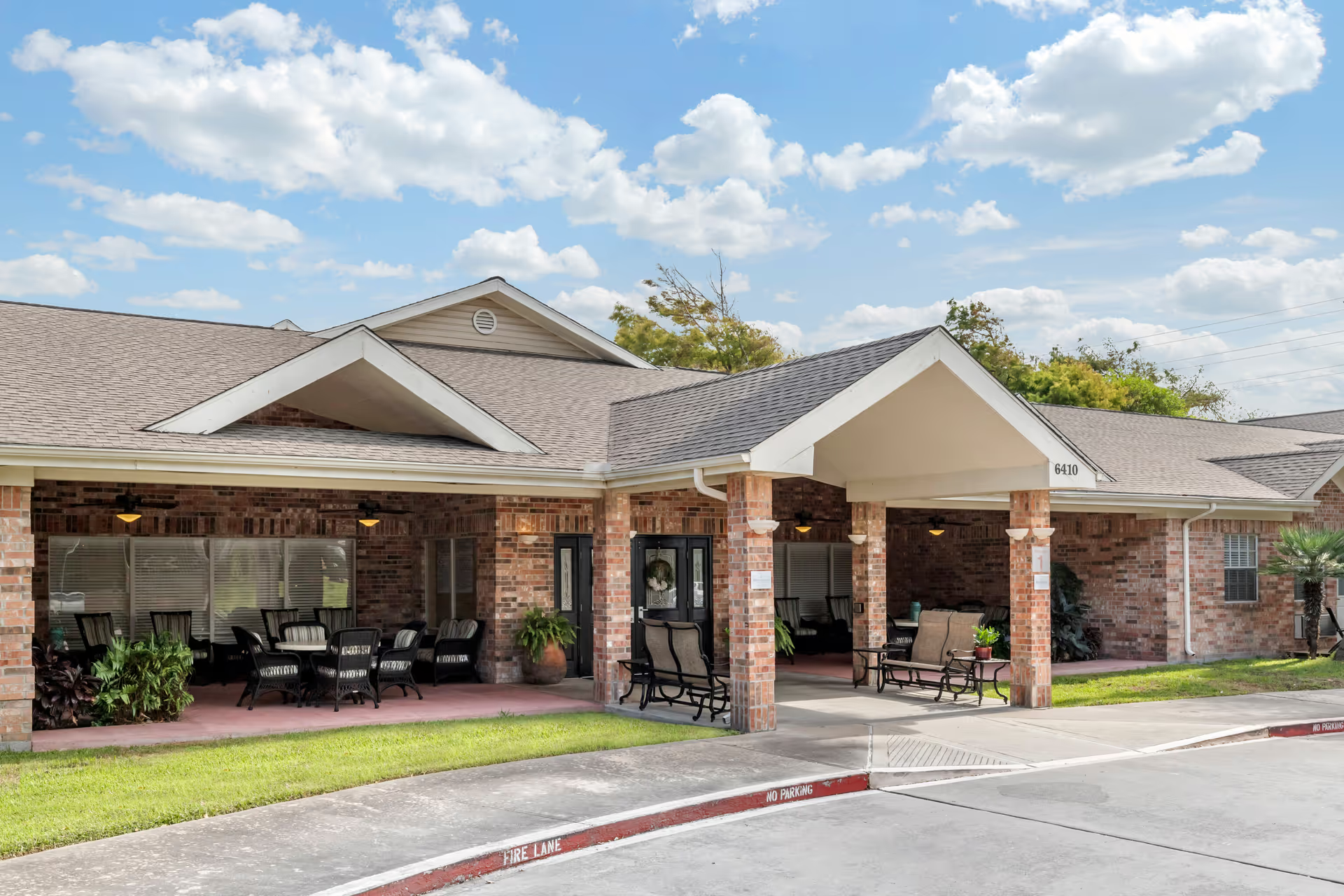
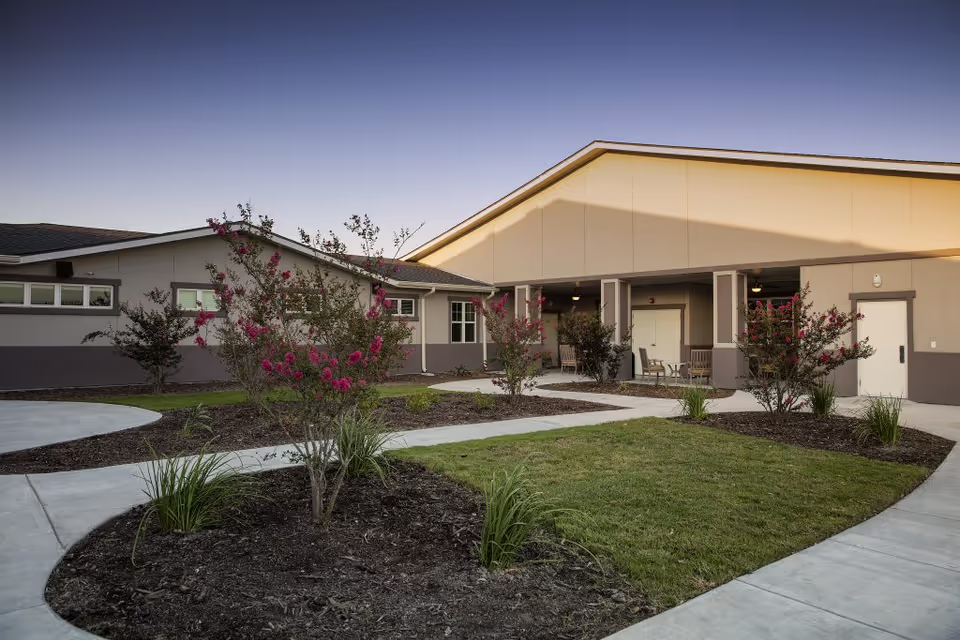
Facilities and cleanliness: Reports about the physical plant are mixed. Several reviews praise clean communal areas and well-kept rooms, while others describe deferred maintenance needs such as damaged walls, ceiling issues, and limited temperature control in resident rooms. Reviewers also raised sanitation and odor concerns in specific areas, indicating variability in environmental upkeep across the building.
Management and operations: Administrative strengths include helpful admissions coordination at times, but persistent concerns relate to billing follow-up, discharge coordination, and phone responsiveness. Families described difficulties obtaining timely administrative responses, unresolved refund or billing questions, and occasional confusion during transitions of care. Safety-process issues also emerge as a theme: reviewers noted falls, bed-exit incidents, and unanswered alarms that suggest opportunities to strengthen fall-prevention protocols and monitoring practices.
Notable patterns and guidance for families: The facility demonstrates clear capability in rehabilitative care and has many staff members who provide compassionate, effective hands-on care. At the same time, recurring operational issues — medication/glucose monitoring processes, staffing consistency, building maintenance, meal consistency, and administrative communication — are evident. Prospective residents and families should consider asking about current staffing levels and shift coverage, medication-administration and glucose-monitoring protocols, fall-prevention measures, recent maintenance or renovation plans, dining menus and accommodations, and typical timelines for billing and discharge communication. Scheduling visits at different times of day and speaking directly with therapy, nursing leadership, and admissions staff can help assess whether the facility’s strengths align with the resident’s needs.