Overall impression: The Terraces at Kingwood Town Center presents as a community with strong strengths in person-centered service, dining, and resident engagement, combined with an aging-in-place model and on-site clinical coordination that many families and residents find reassuring. Consistently praised elements include individualized attention from staff who learn residents’ names, an active social calendar, and a restaurant-style dining program led by chefs and supported by waiter service. The facility’s indoor pool, fitness and therapy offerings, transportation services, and frequent outings contribute to a robust independent-living lifestyle for many residents.
Care and staff: Reviewers frequently describe staff as compassionate, attentive, and invested in residents’ wellbeing. Several named employees and teams received repeated praise for responsiveness and for easing transitions. The presence of on-site home health services, regular doctor visits, and an aging-in-place philosophy are important operational strengths; they help residents remain on-site as care needs increase. However, reviewer accounts also describe notable variability in staff consistency following leadership changes. Staffing turnover has been associated with uneven service delivery and concerns about responsiveness in some situations.
Dining and activities: Dining is a prominent positive for the community when functioning as intended. Many reviewers cite chef-driven menus, healthy meal options, waiter service, and a weekly rotating menu as highlights. The activity program — including classes, movie nights, Happy Hour, seasonal events, and organized trips — is another frequently noted asset that supports social engagement. At the same time, there are recurring comments about inconsistent food quality and occasional shortages or limited variety tied to operational disruptions; these issues appear to have intensified for some residents after management transitions.
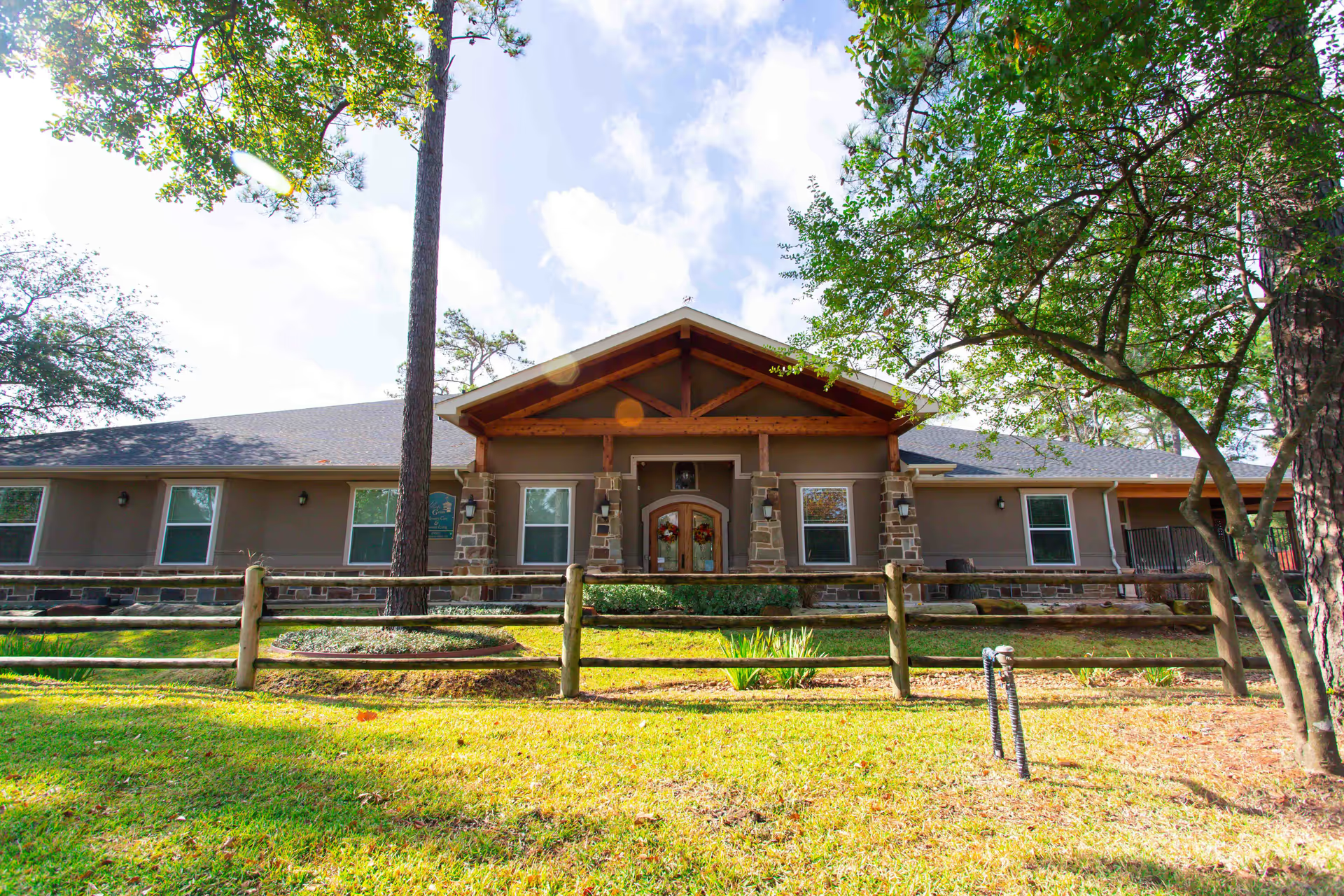
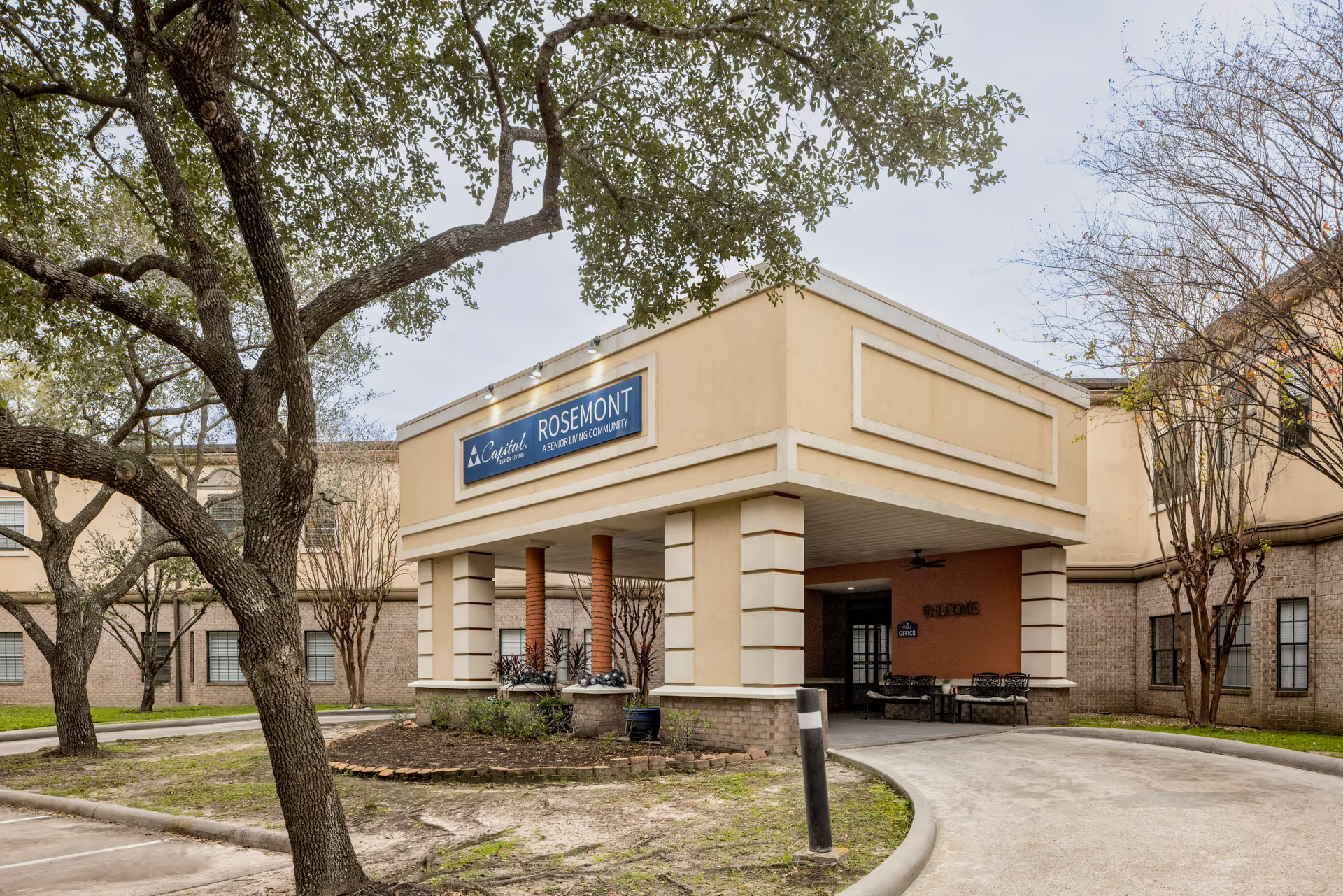
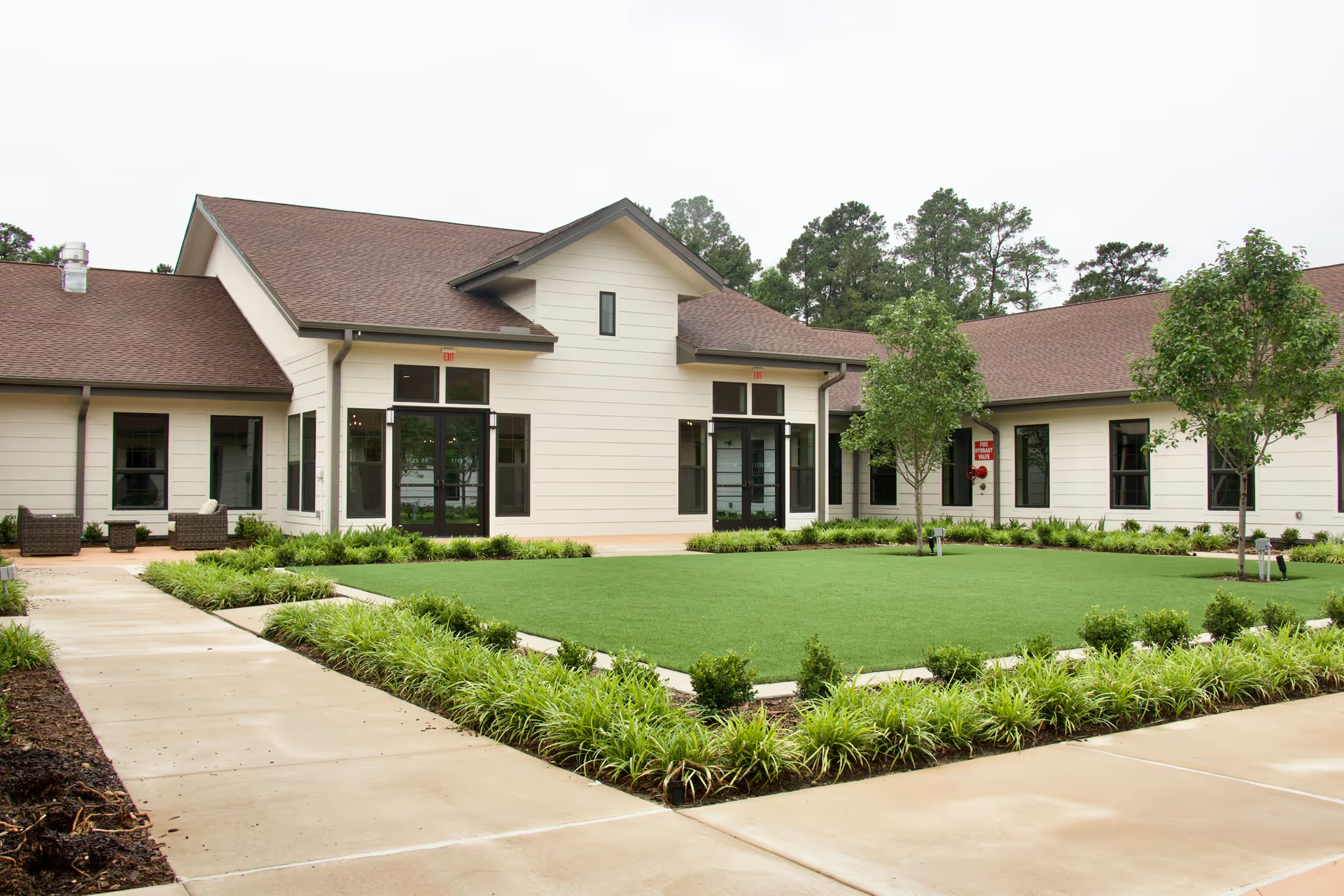
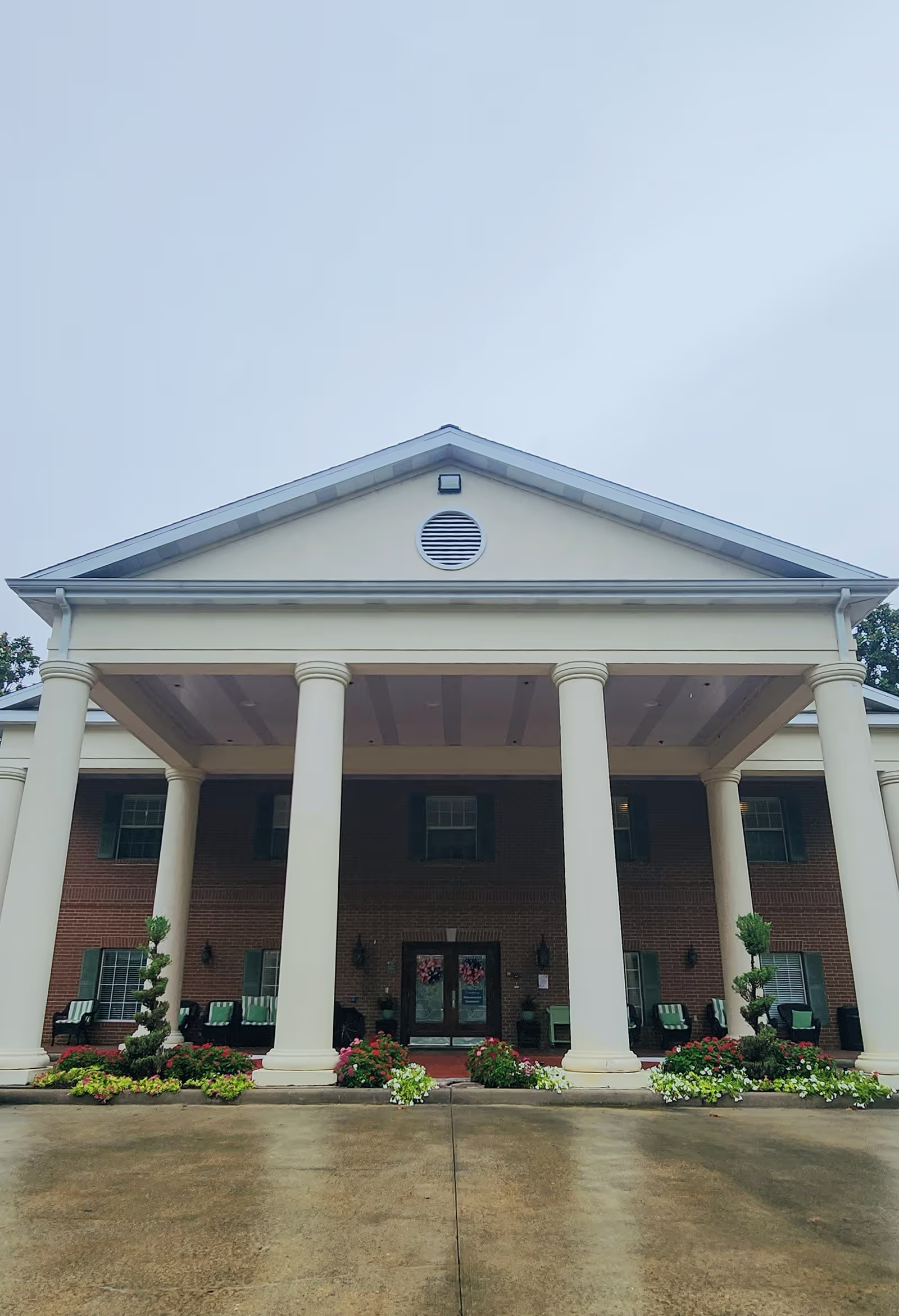
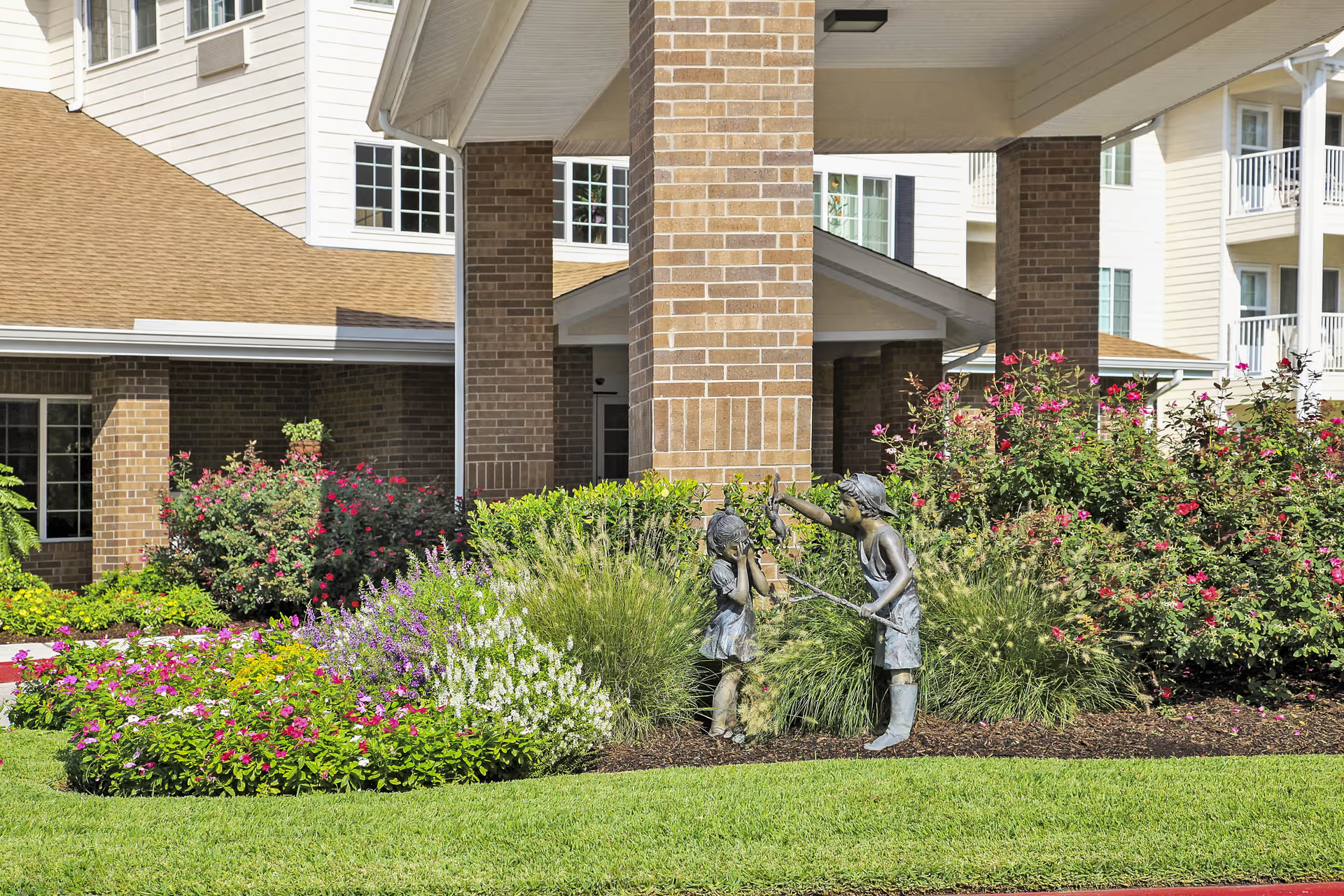
Facilities and maintenance: Public areas and recent renovations are often described as attractive and well-kept, contributing to a hotel-like atmosphere for many residents. Conversely, multiple accounts point to maintenance and infrastructure weaknesses: elevators and HVAC systems described as intermittently unreliable, power-outage incidents with significant consequences, and localized sanitation or pool-maintenance problems. Laundry capacity and placement are cited as inconvenient by some residents, and a subset of observations describe pest-control concerns and water-intrusion or leak events that indicate gaps in routine preventative maintenance.
Management and operational patterns: Reviews reveal a mixed picture of leadership and operational oversight. Positive narratives highlight responsive managers and staff who go above and beyond; negative narratives point to recent leadership turnover, communication shortfalls with families, and a perceived shift toward more profit-driven decision-making. There are also serious operational allegations in a small number of accounts—including claims relating to staff theft and contractor nonpayment—that warrant attention and verification through formal channels. Families should evaluate current management stability and request documentation of corrective actions or quality-improvement plans when touring.
Notable patterns and guidance for families: The community appears to offer a high level of social programming, personalized attention, and clinical coordination that many families value. At the same time, recurrent themes around inconsistent service continuity, infrastructure reliability, and maintenance responsiveness suggest potential risks for residents with higher physical or clinical needs. Prospective residents and families should (1) ask about current leadership tenure and staffing levels, (2) review recent maintenance logs and incident-response protocols (including power-outage contingency plans), (3) sample meals and inquire about menu supply-chain practices, and (4) confirm how environmental sensitivities and healthcare coordination are handled. These targeted questions can help clarify whether the community’s strengths align with a specific resident’s priorities and risk profile.