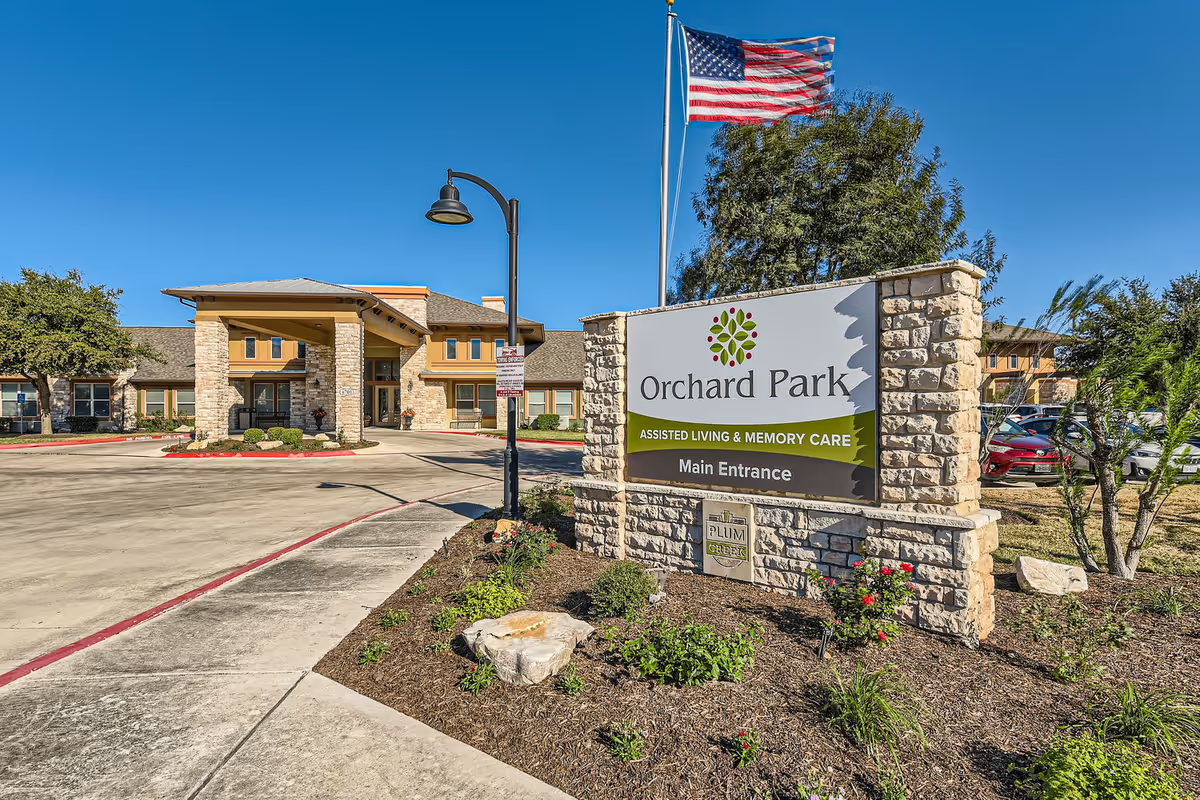
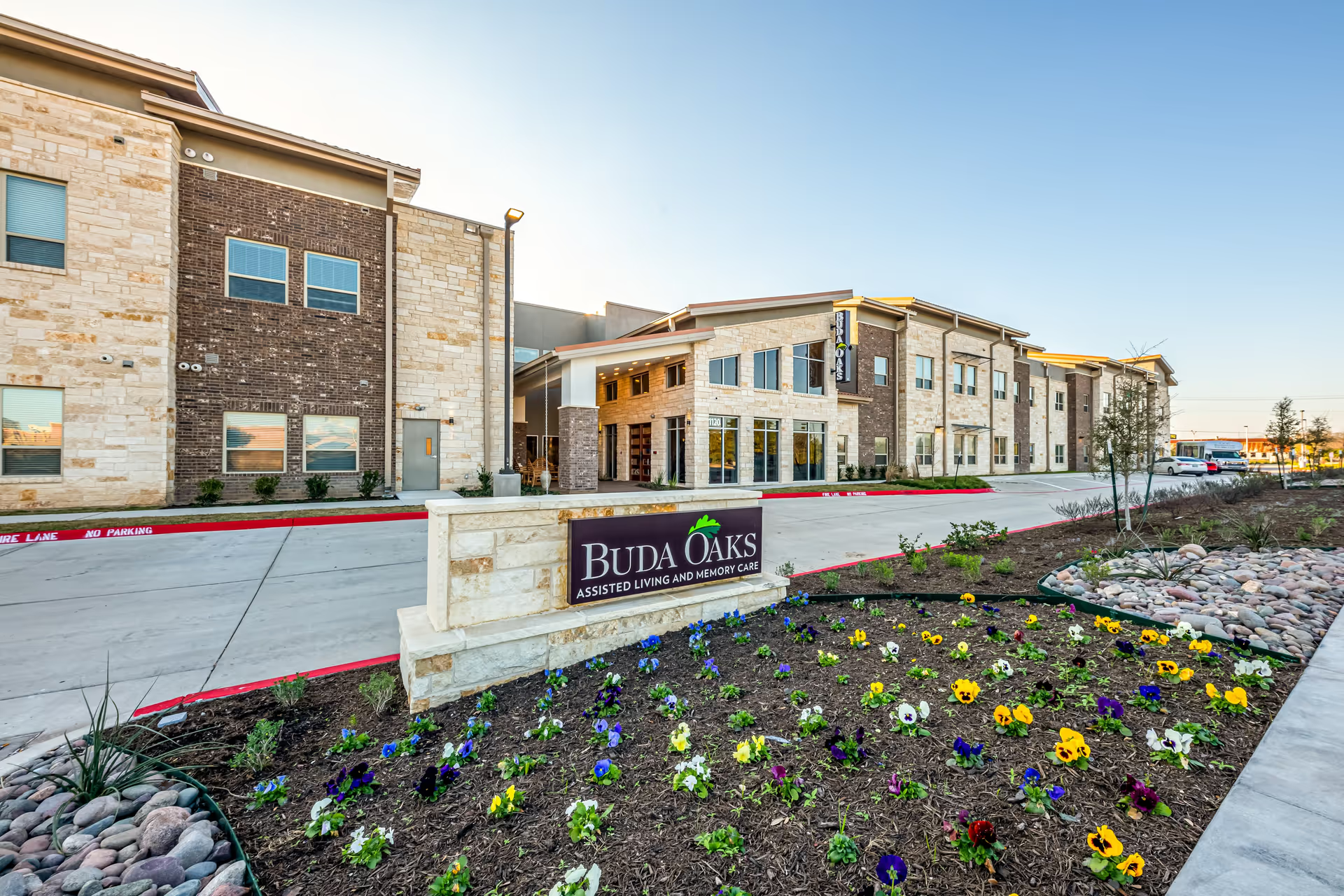
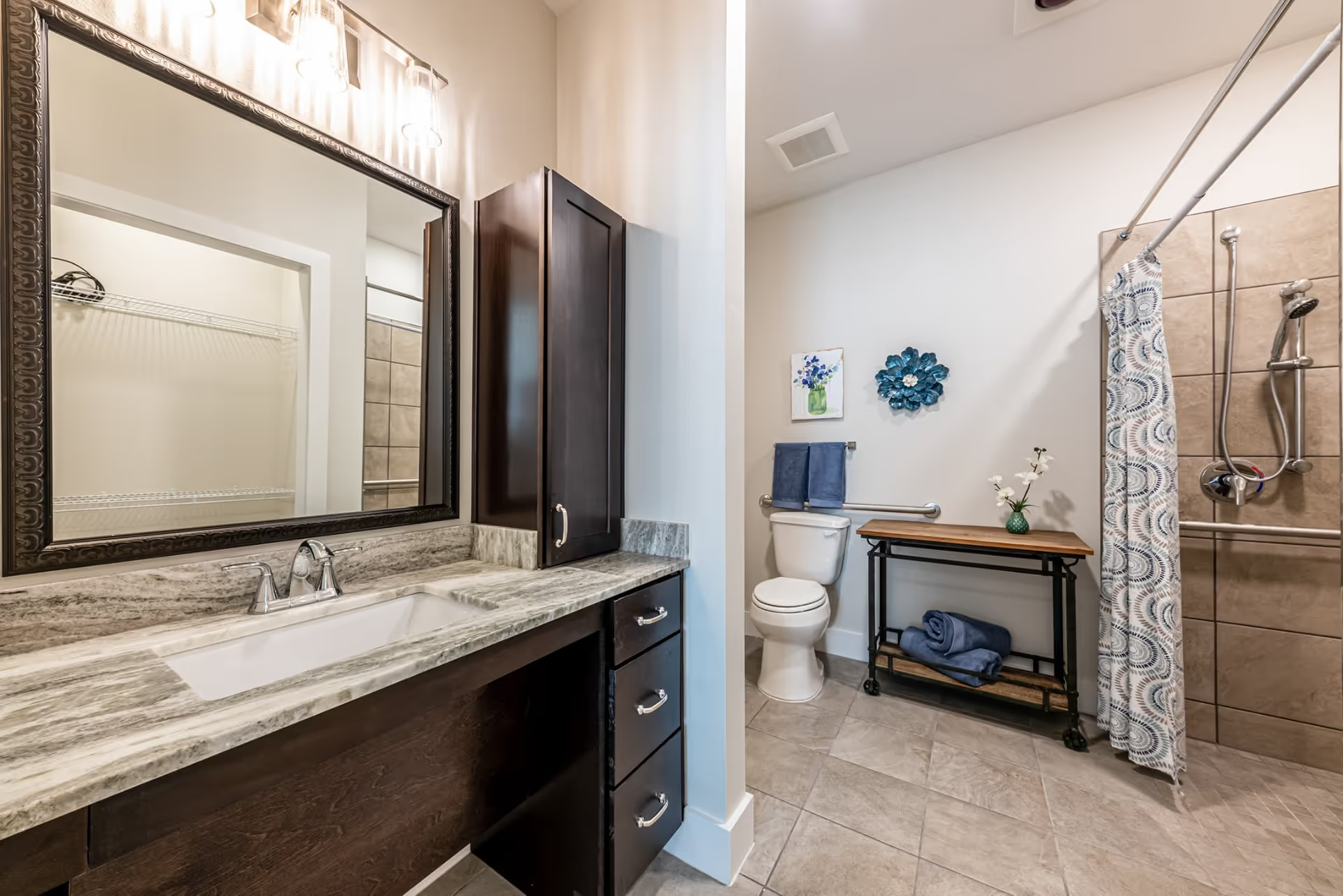
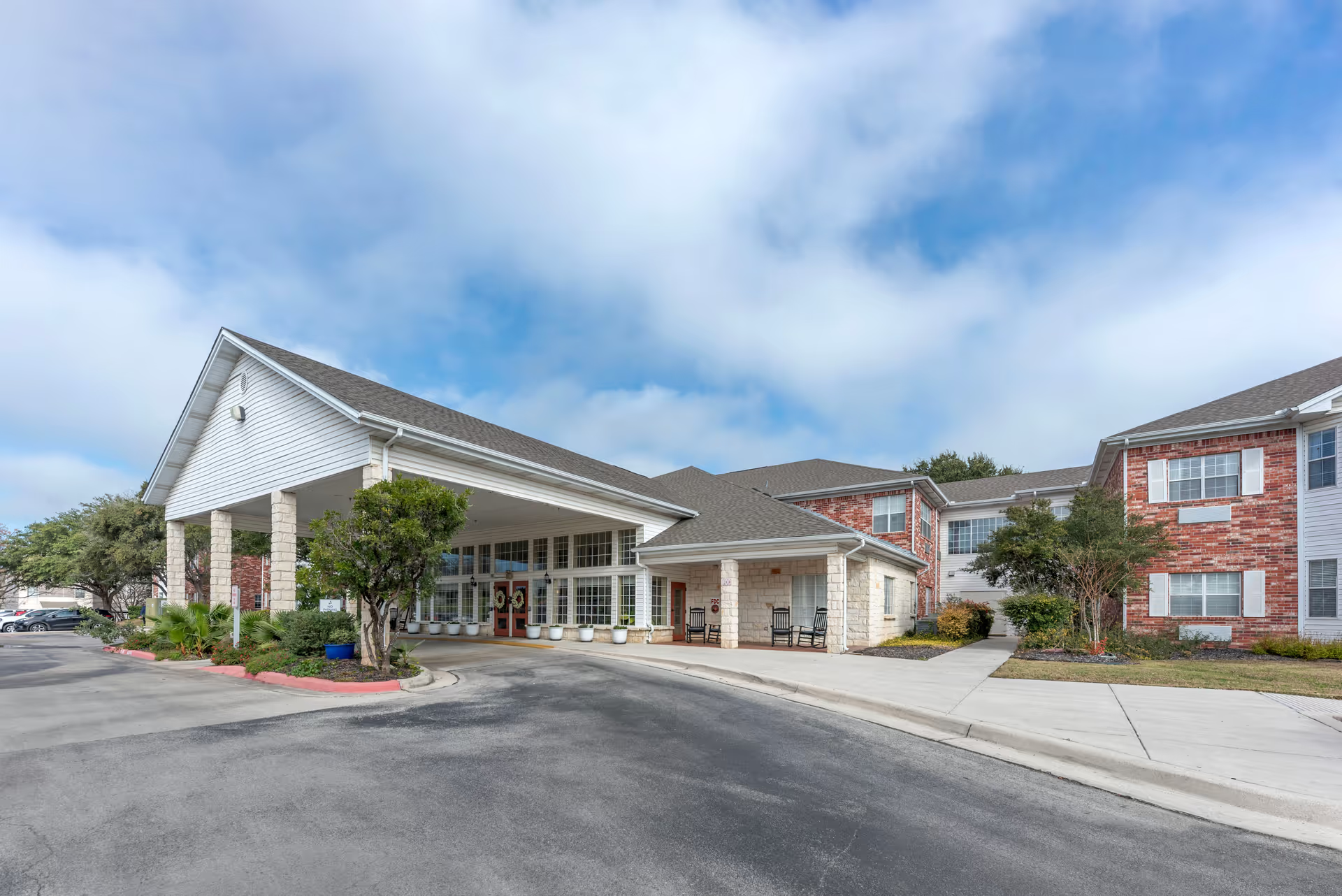
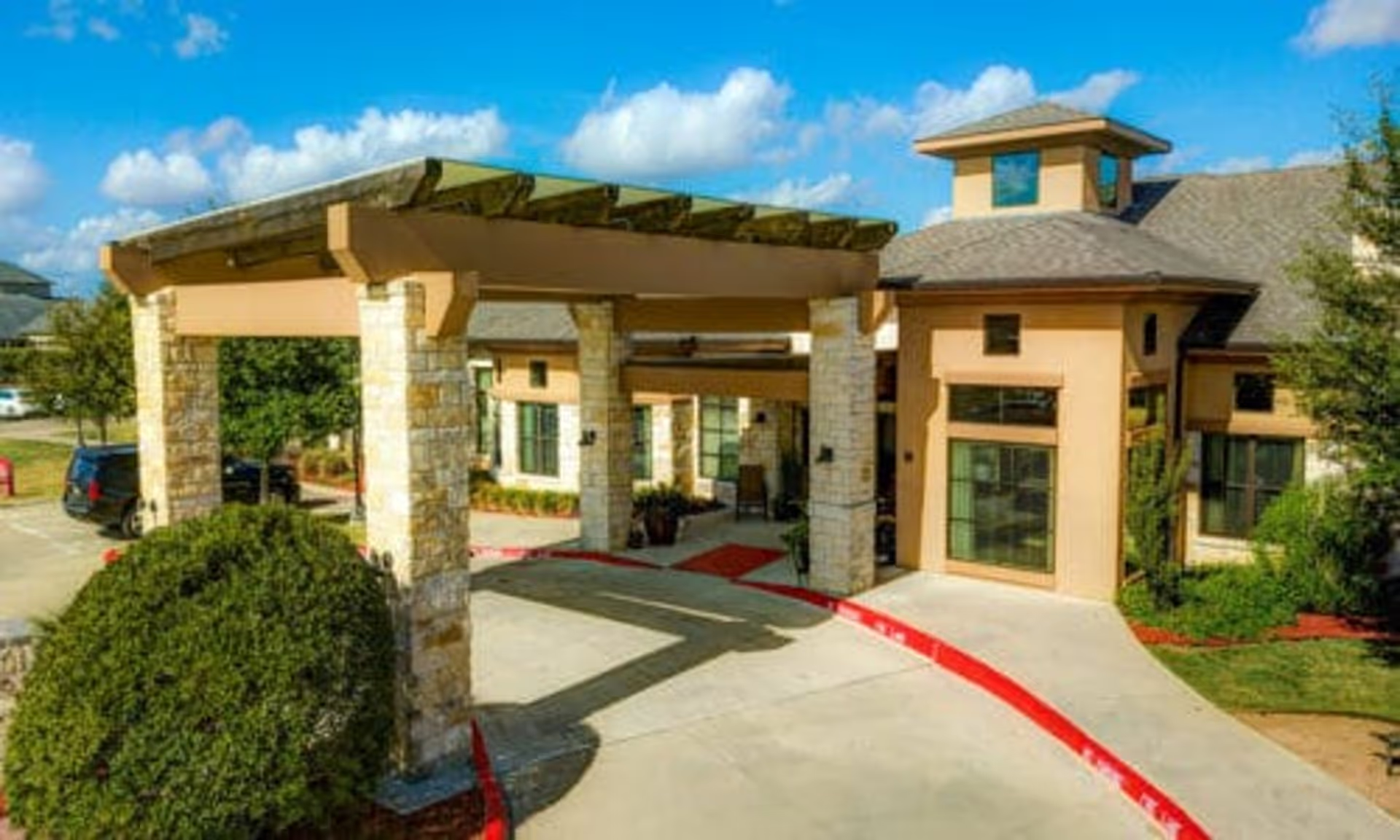
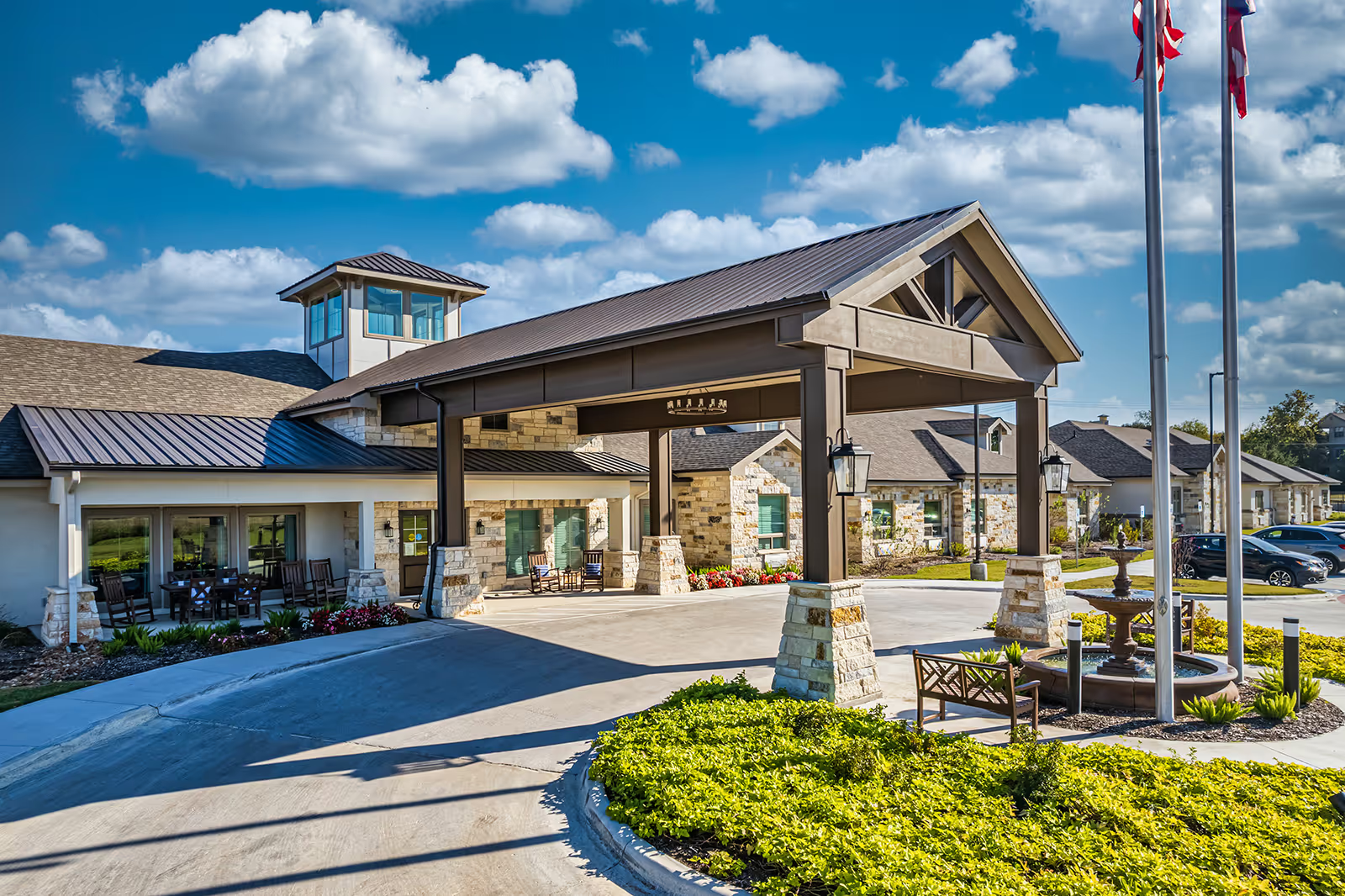
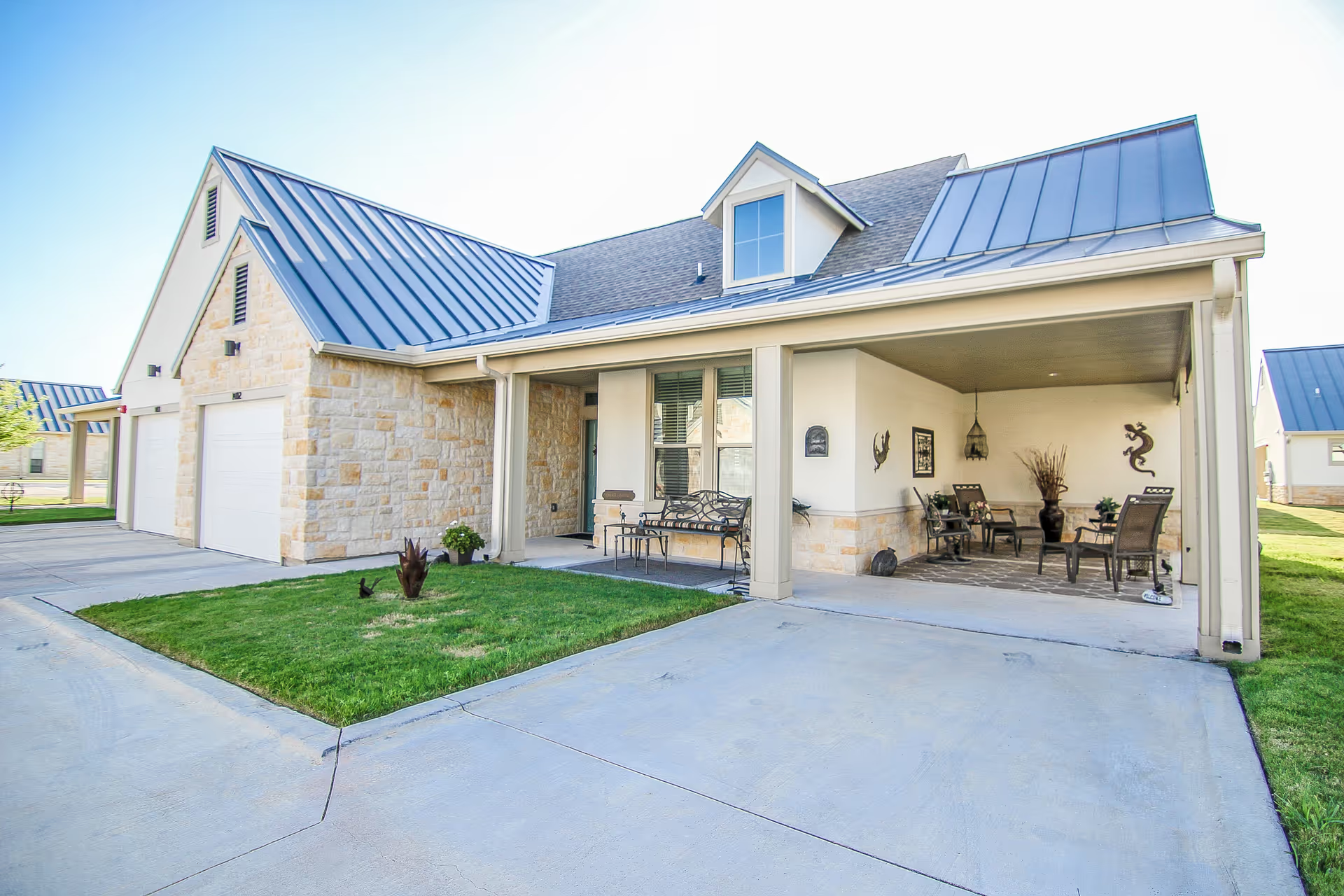
The Philomena elicits a predominantly positive response for its physical environment, amenities, and day-to-day resident life, while exhibiting notable operational variability in clinical and management areas. Many families and residents praise the facility’s modern, single-level layout, bright well-kept interiors, and attractive grounds. Commonly cited amenities include an in-house salon, library, courtyards, movie room, and extra dining spaces for families. On-site clinical supports (physician assistant, mobile x-ray, therapy) and transportation to appointments are frequently mentioned as conveniences that support continuity of care.
Direct-care staff receive substantial praise for compassion, attentiveness, and relationship-building with residents. Reviewers highlighted individual caregivers and activity staff who foster a warm, home-like atmosphere and an active social calendar — exercise classes, art programs, sing-alongs, and outings frequently contribute to a strong sense of community. Meal quality is often described as a strength: healthy, varied menus with dietary accommodations and a dining-room experience likened to restaurant service. The intake process and initial interactions with admissions staff are also commonly described as smooth and welcoming.
Alongside these strengths, recurring operational concerns appear in several areas. Medication-management processes and medication security are described as inconsistent, with examples of missed or incorrect administrations and lapses in inventory controls; this contributes to broader family concerns about clinical reliability. Staffing variability and turnover are cited as factors that produce uneven care coverage and reduced follow-through on individualized care plans. Ancillary services such as laundry pickup and daily room upkeep are reported as inconsistent at times, and there are mentions of weaknesses in tracking personal belongings.
Food service and activity programming show mixed consistency: while dining quality is often praised, there are occasions when service timing, meal temperature, or menu options do not meet expectations. Equipment maintenance and resident supervision are other operational areas of concern, with isolated accounts of broken equipment or delays in attending to resident needs prompting calls for improved preventive maintenance and supervision protocols. Several comments also reference variable communication from leadership and uneven responsiveness to family concerns, which colors perceptions of value relative to monthly cost.
For prospective residents and families, The Philomena offers many features attractive for independent or assisted living needs: a modern facility, robust social programming, on-site clinical supports, and a generally caring staff culture. When evaluating the community, families should ask specific, operational questions about medication controls, staffing ratios and turnover, ancillary-service schedules (laundry, housekeeping), personal-belongings procedures, and leadership responsiveness. Requesting written protocols, examples of recent corrective actions, and direct observation of mealtime service and an activity period can help determine whether the facility’s strengths align with an individual resident’s clinical and daily-living needs.