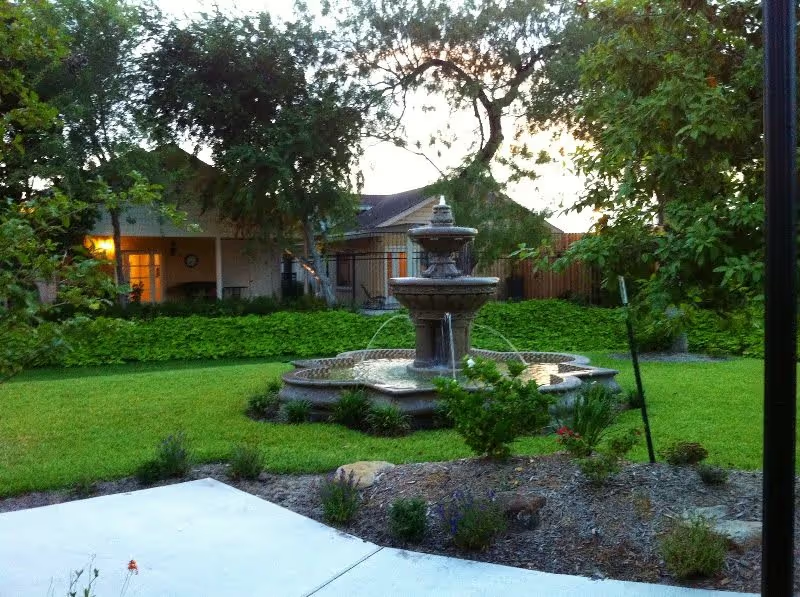
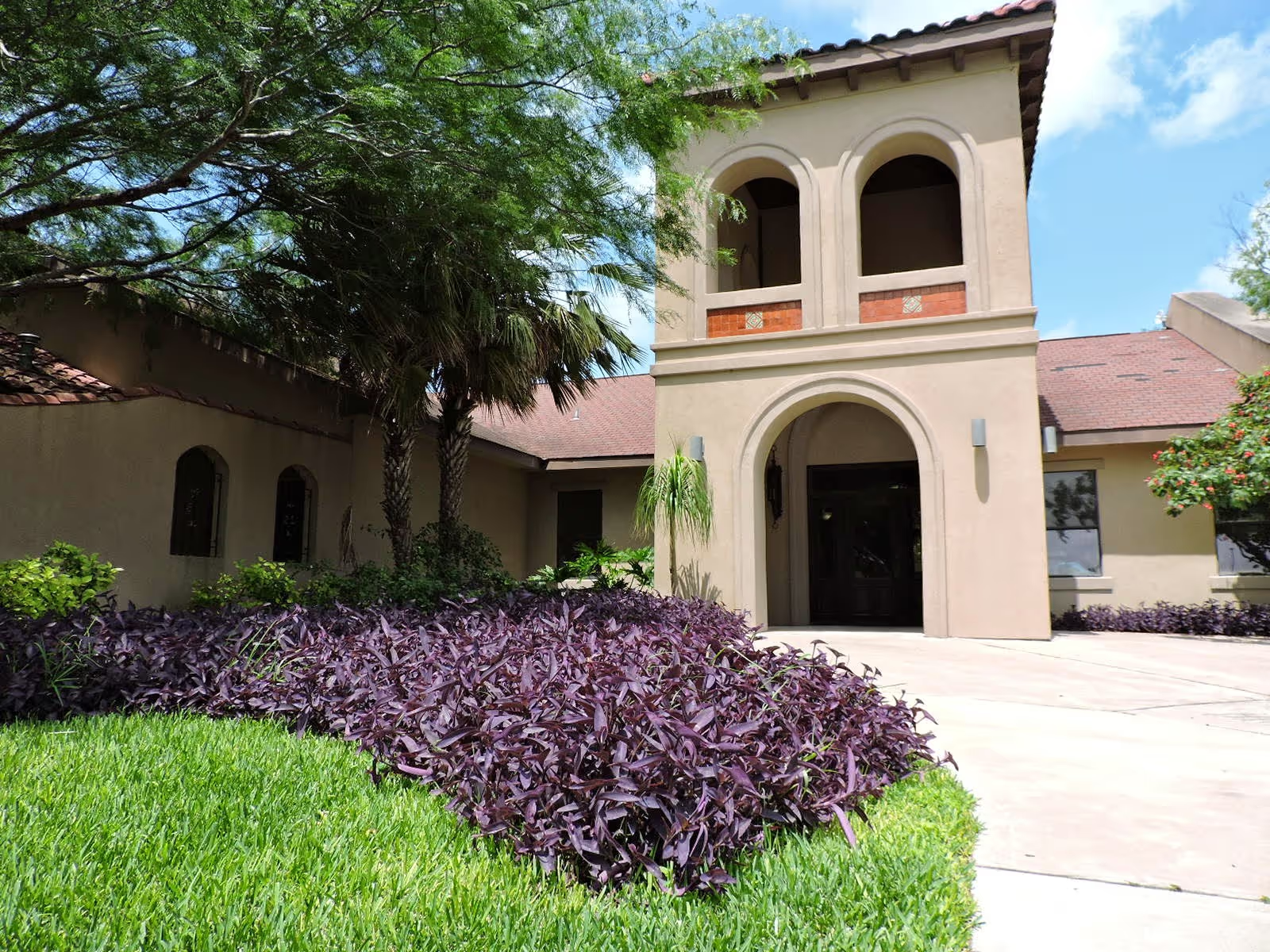
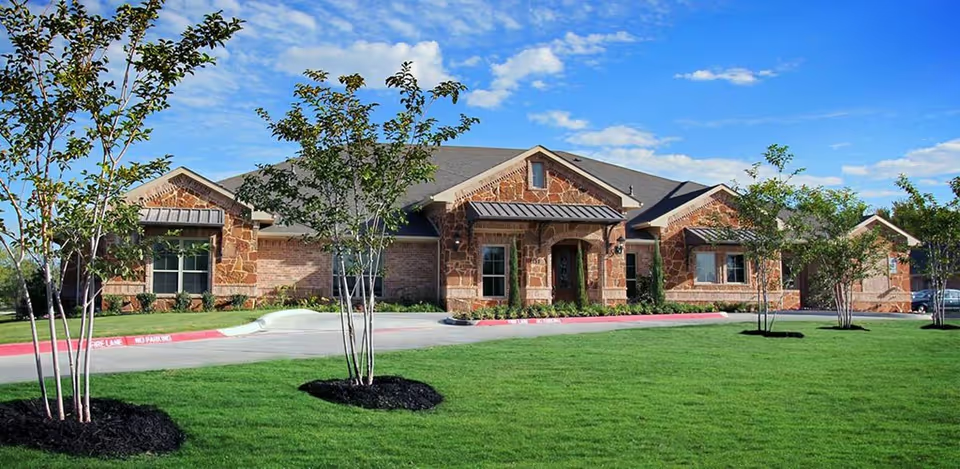
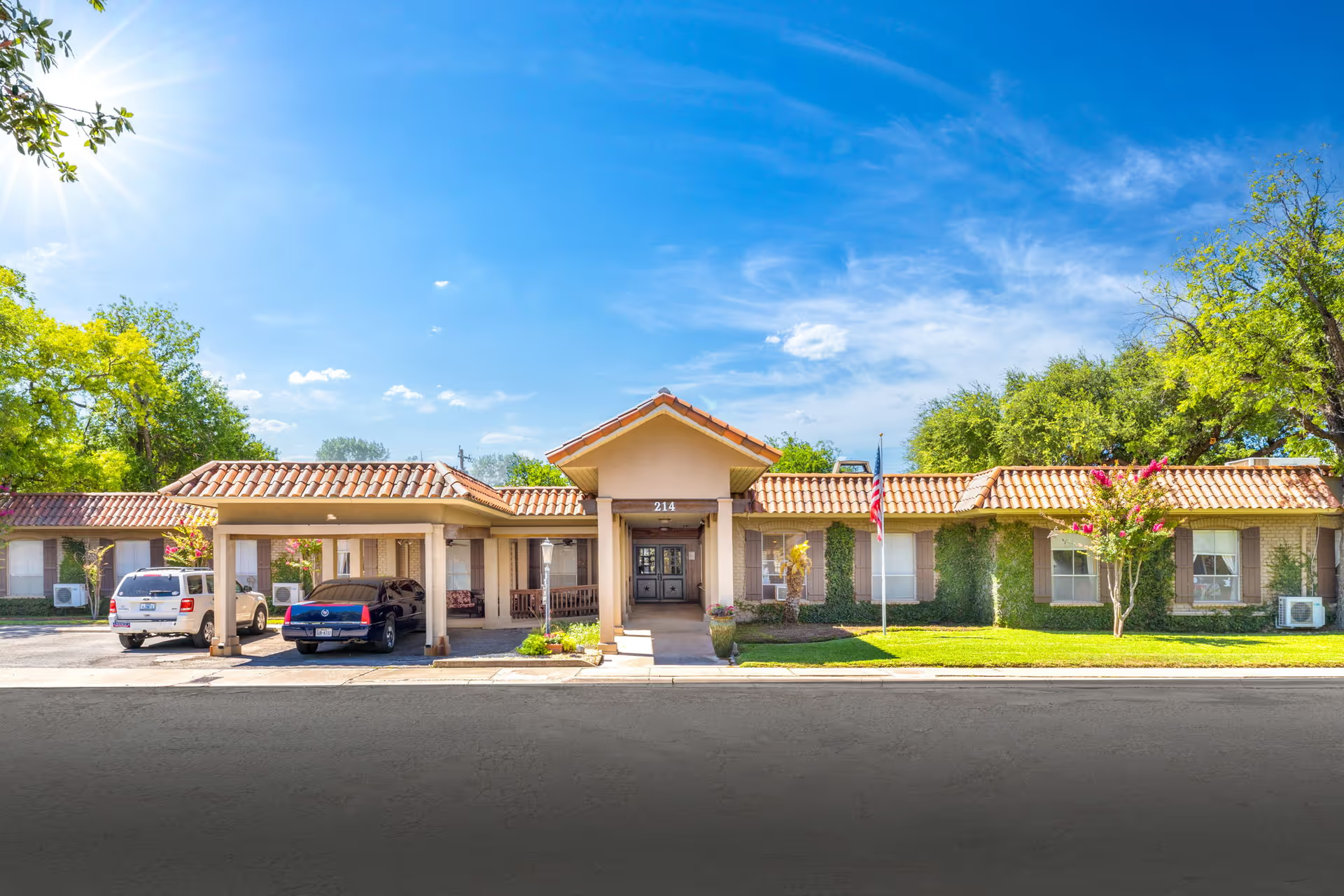
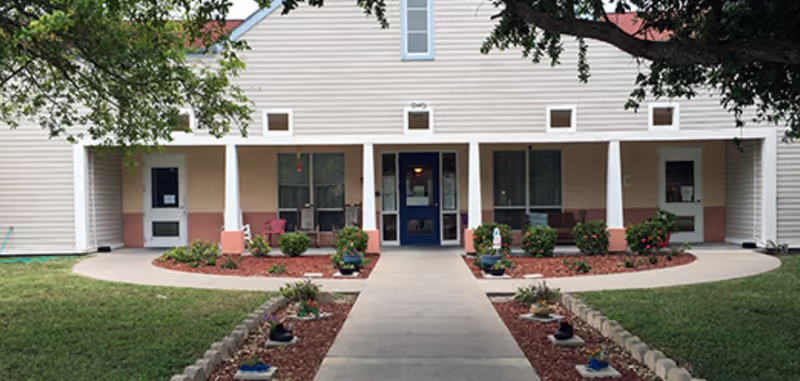
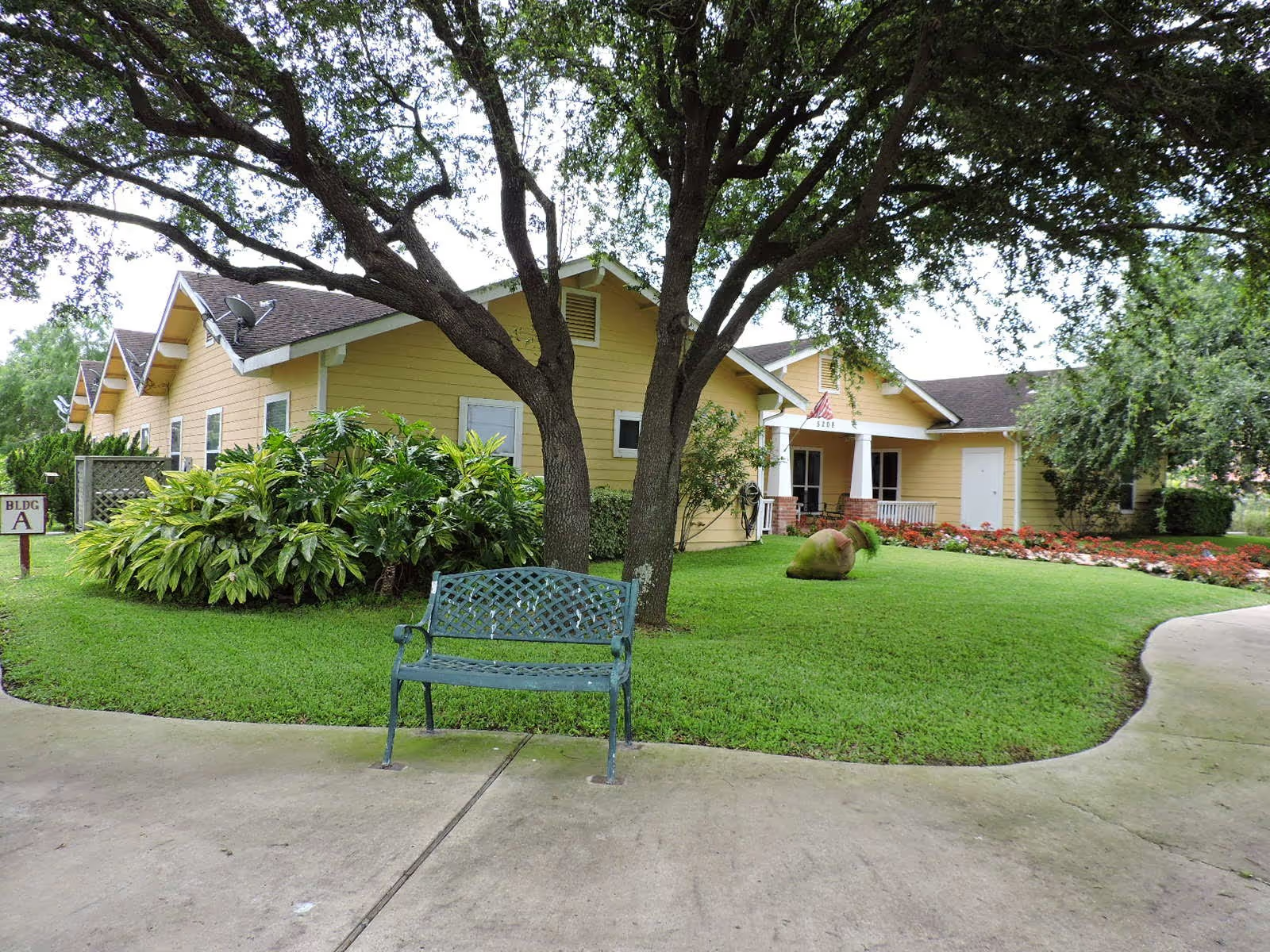
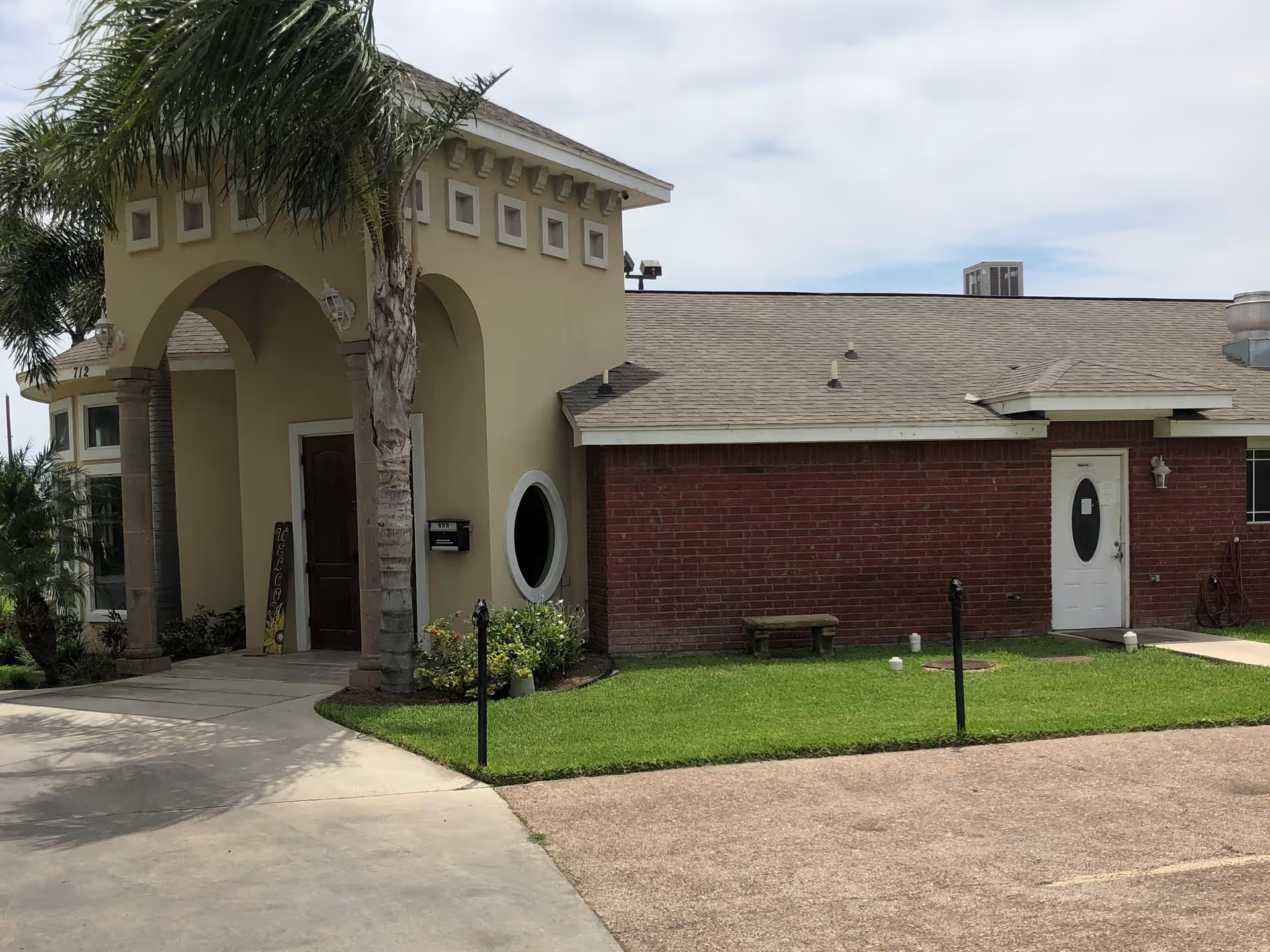
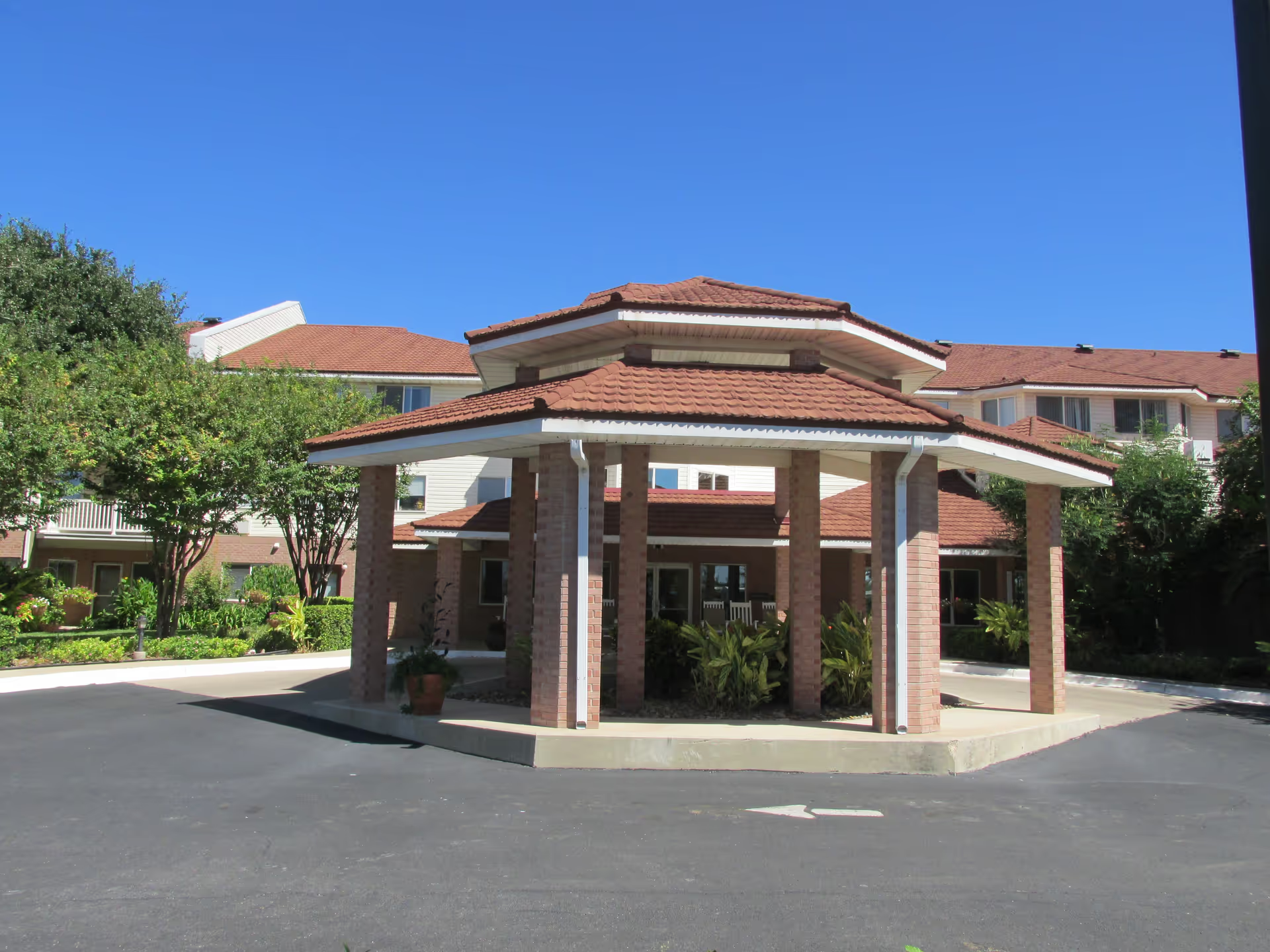
Las Alturas elicits strongly mixed impressions: many families and visitors praise a clean, well‑maintained facility with a home-like atmosphere, cordial front-desk interactions, and visible therapy and wound-care expertise. Reviewers frequently describe staff who are welcoming, personable, and attentive during visits; several accounts note effective rehabilitation outcomes and confidence in specific clinical caregivers. The building, grounds and common areas are regularly described as tidy and organized, and the facility generally presents well during tours and admissions visits.
At the same time, a consistent cluster of operational concerns appears across the feedback. Staffing and responsiveness are the most commonly cited issues — reviewers describe periods when coverage is thin, call requests are slow to be answered, and routine assistance (including feeding or toileting support) can be delayed. Relatedly, there are multiple accounts suggesting gaps in medication administration and clinical monitoring, missed or delayed therapy sessions, and episodes of weight loss or decline that families found concerning. A small number of reviews raised serious allegations, including concerns following a resident's death and claimed clinical lapses; these items warrant direct inquiry with the facility and review of regulatory records.
Staff culture and communication present a dual picture. Positive comments emphasize compassionate, name‑based interactions, clear visitor greetings and helpful admissions staff. Negative comments point to inconsistent bedside manner, occasional unprofessional phone/desk interactions, and administrative dismissiveness when families seek updates. Prospective families should verify the facility's family‑communication protocols, escalation pathways, and expectations for daily updates and care planning.
Dining and activities are similarly mixed. The facility provides standard meal service and assistance with activities of daily living such as showers and mobility support, and some reviewers credit the dining program with satisfactory meals. Others described late deliveries, cold or unattended trays, and inconsistent feeding assistance for residents with swallowing or motor impairments. These reports suggest variability in meal-service continuity and in staff availability to assist residents during mealtime.
Safety and infection-control themes recur in the feedback. While many reviewers find the environment secure and well‑managed, several raised concerns about transfer safety, fall prevention, pressure‑injury monitoring, and isolation practices during infectious events. A few accounts allege lapses in cohorting or room assignment during infection‑control episodes; families should ask about current protocols, surveillance, and staff training in these areas.
In summary, Las Alturas shows clear operational strengths — a pleasant physical environment, visible therapy and wound‑care capability, and many staff who are described as caring and professional. However, recurring operational weaknesses (staffing consistency, responsiveness to calls, medication/monitoring processes, family communication, and meal/ADL support) are significant enough that they should be explored during any decision process. Recommended next steps for prospective residents and families: tour at multiple times of day (including evenings/nights), ask for staffing ratios and recent state survey history, request details about medication administration and infection‑control policies, and establish a preferred point of contact for daily clinical updates before admission.