The reviews describe a facility with clear strengths alongside notable variability in operational performance. Many families and visitors praised the caring nature of clinical and caregiving staff, frequent family updates, and specific clinical strengths such as dementia/Alzheimer’s expertise and supportive hospice care. Positive commentary highlights engaging activity programming (projects, movies, church services, themed dining events), on-site salon services, garden and landscaping efforts, and assistance navigating paperwork and placement logistics.
Care quality appears inconsistent across accounts. Positive experiences include attentive nursing, dignified end-of-life care, prompt phone updates, and residents who show improvement. Contrasting accounts raise substantial clinical and safety concerns: delays in responding to clinical incidents, questions about fall-prevention practices and post-fall follow-up, weight and clinical monitoring issues, infection-control lapses, and incontinence-care delays that affected resident comfort and sanitation in some situations. These contrasting perspectives indicate variability in how clinical protocols are applied or how consistently staff respond to emergent needs.
Staffing and management are similarly mixed. Several reviewers singled out individual staff members and leaders for praise and described a family-focused, helpful approach. Others described frequent staff changes, uneven training or qualification levels, and concerns about supervisory oversight and workplace culture. These patterns suggest the facility may be experiencing turnover and training gaps that affect day-to-day consistency.
Dining and activities receive generally favorable comments about meal variety, special events, and the role of activities in keeping residents engaged. However, there are also accounts highlighting inconsistent meal service and food-handling practices. Prospective families should observe mealtime operations directly and ask about kitchen procedures and nutrition monitoring.
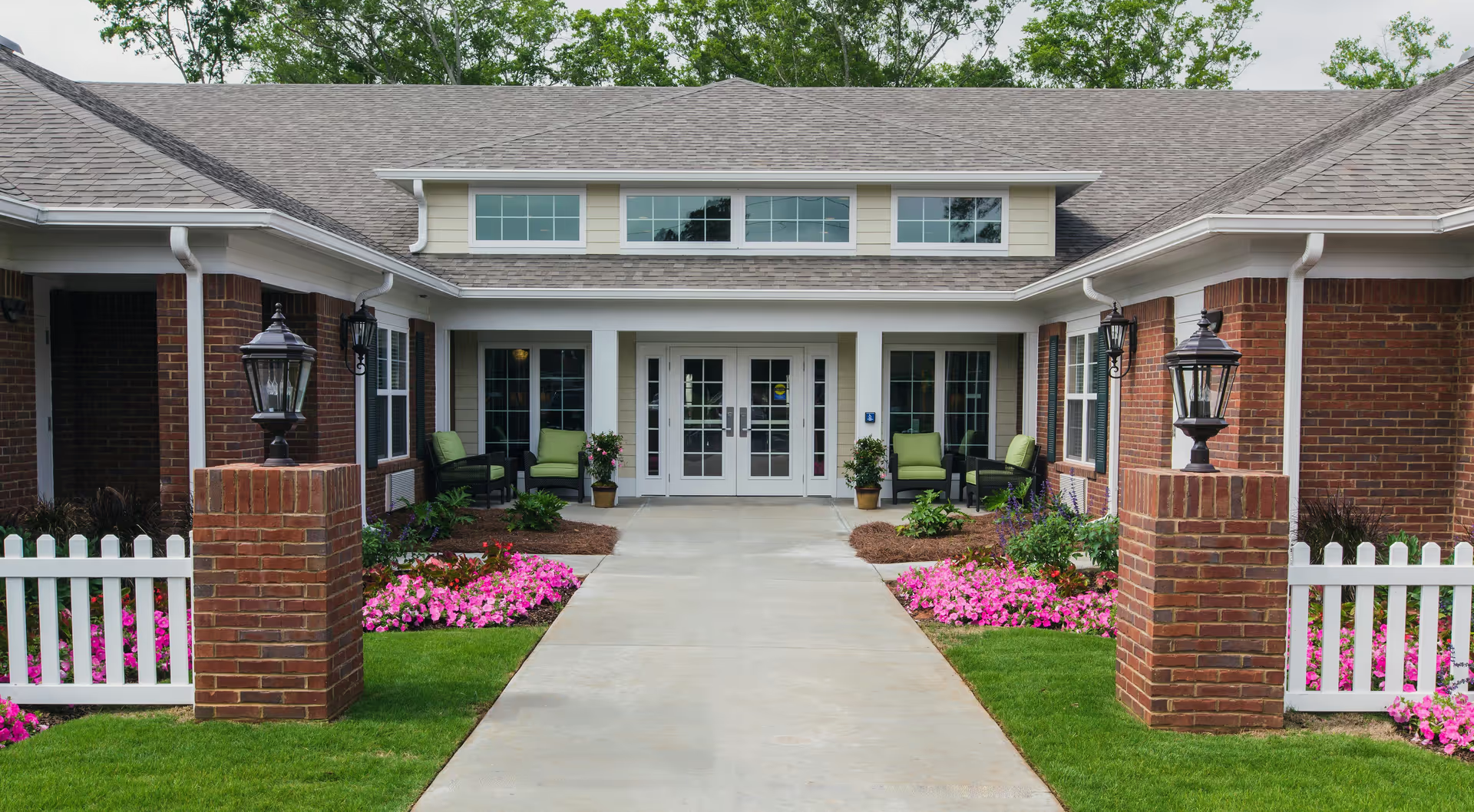
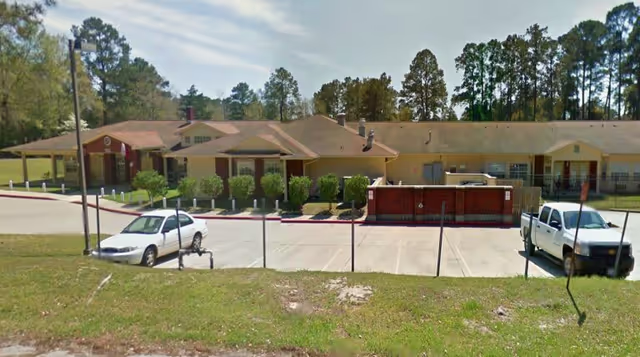
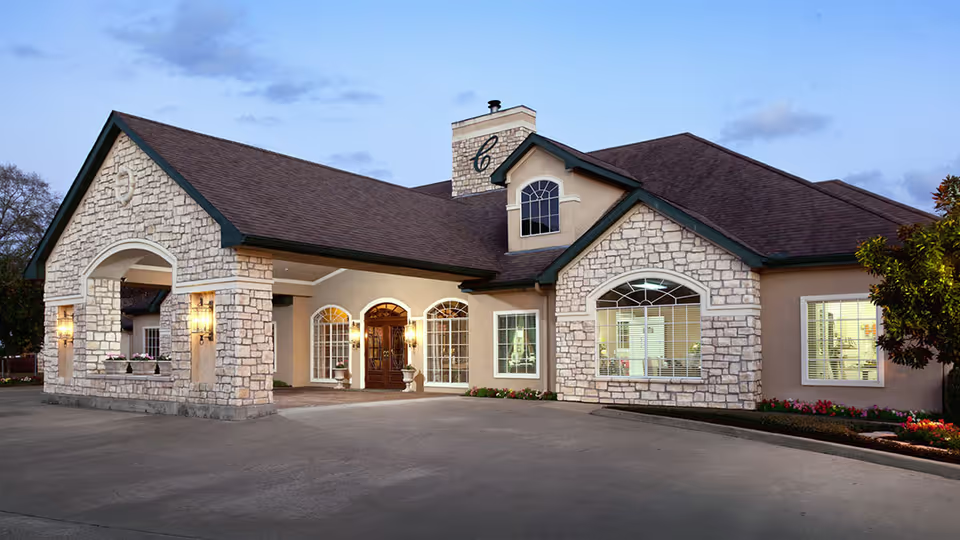
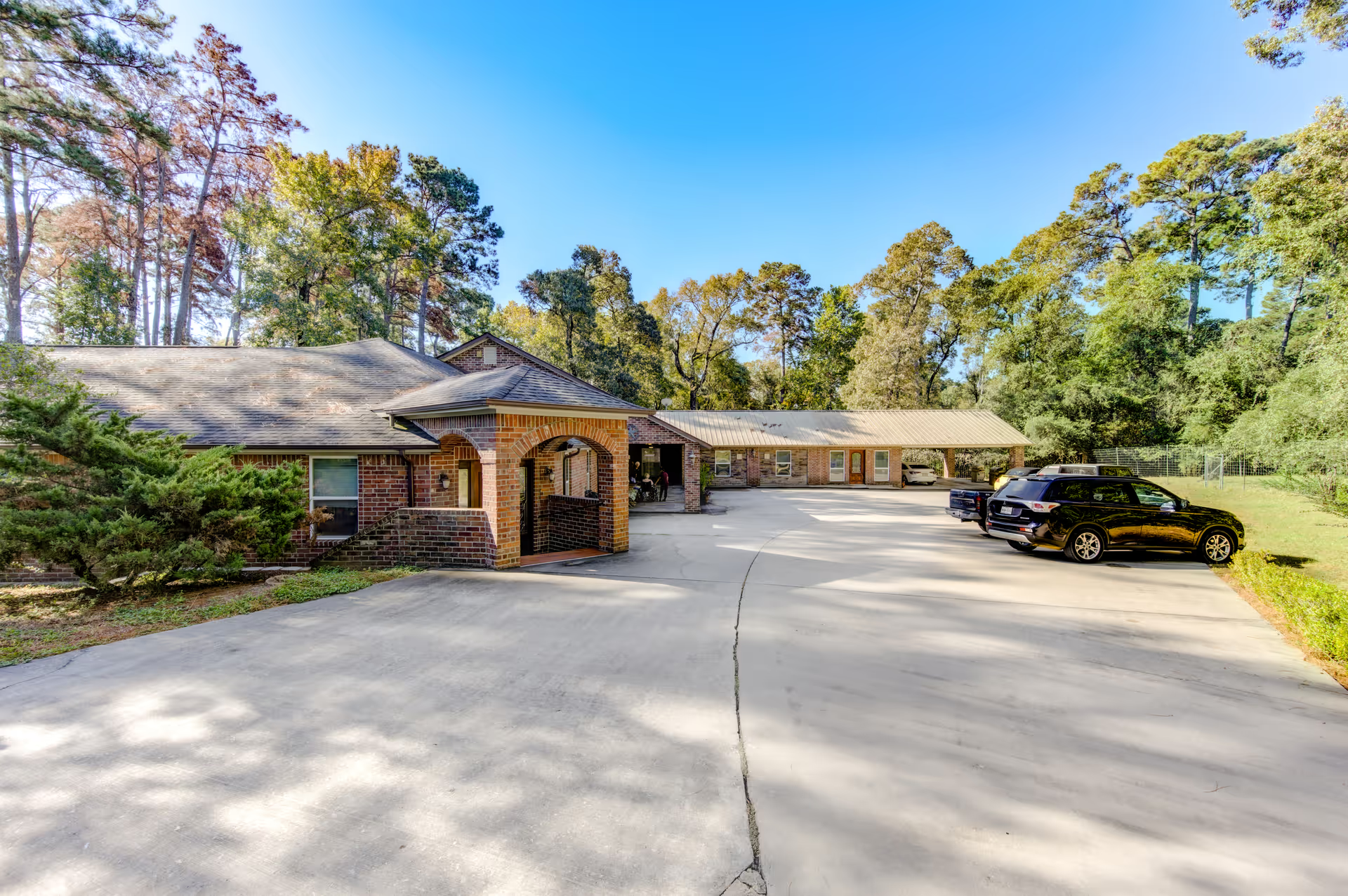
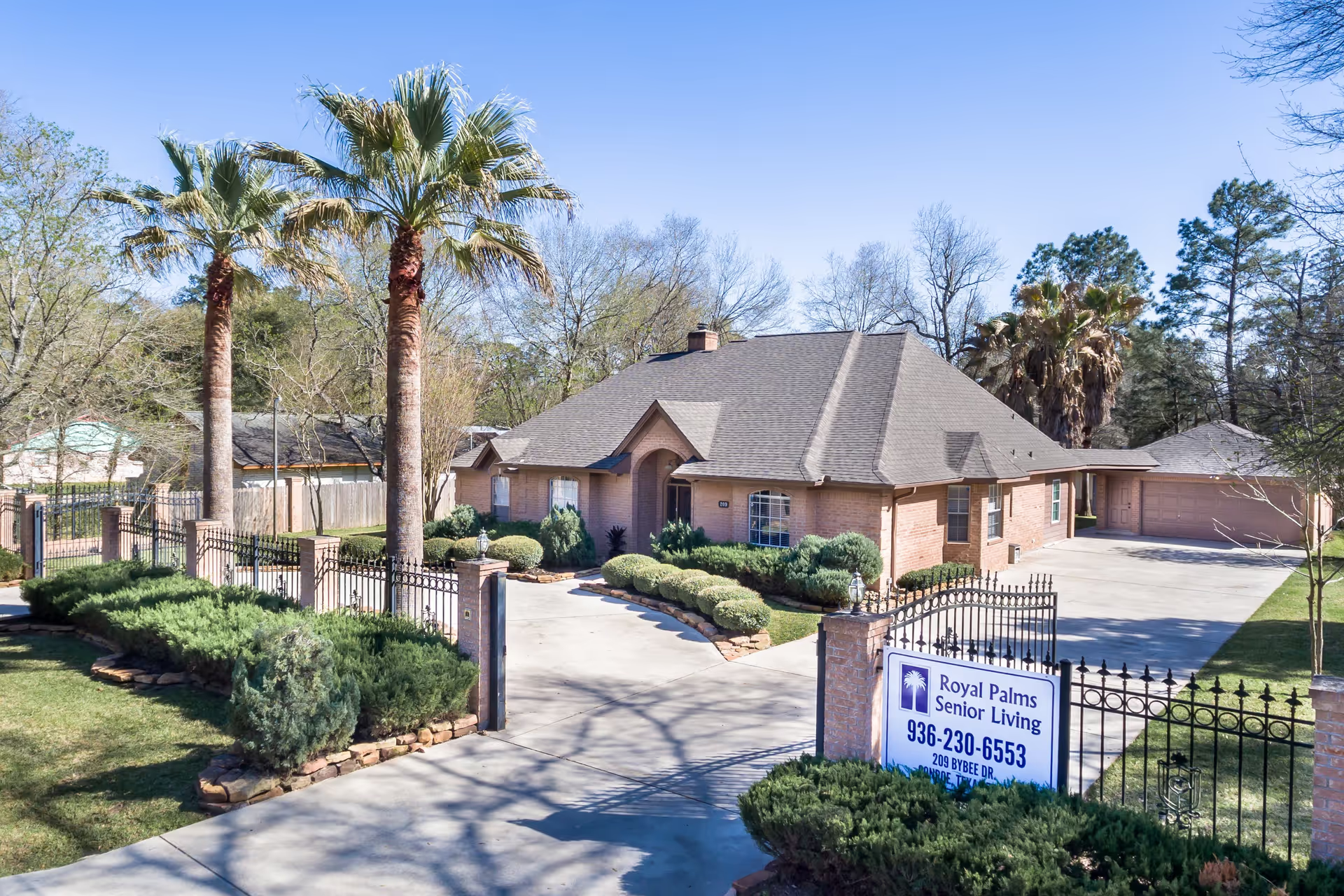
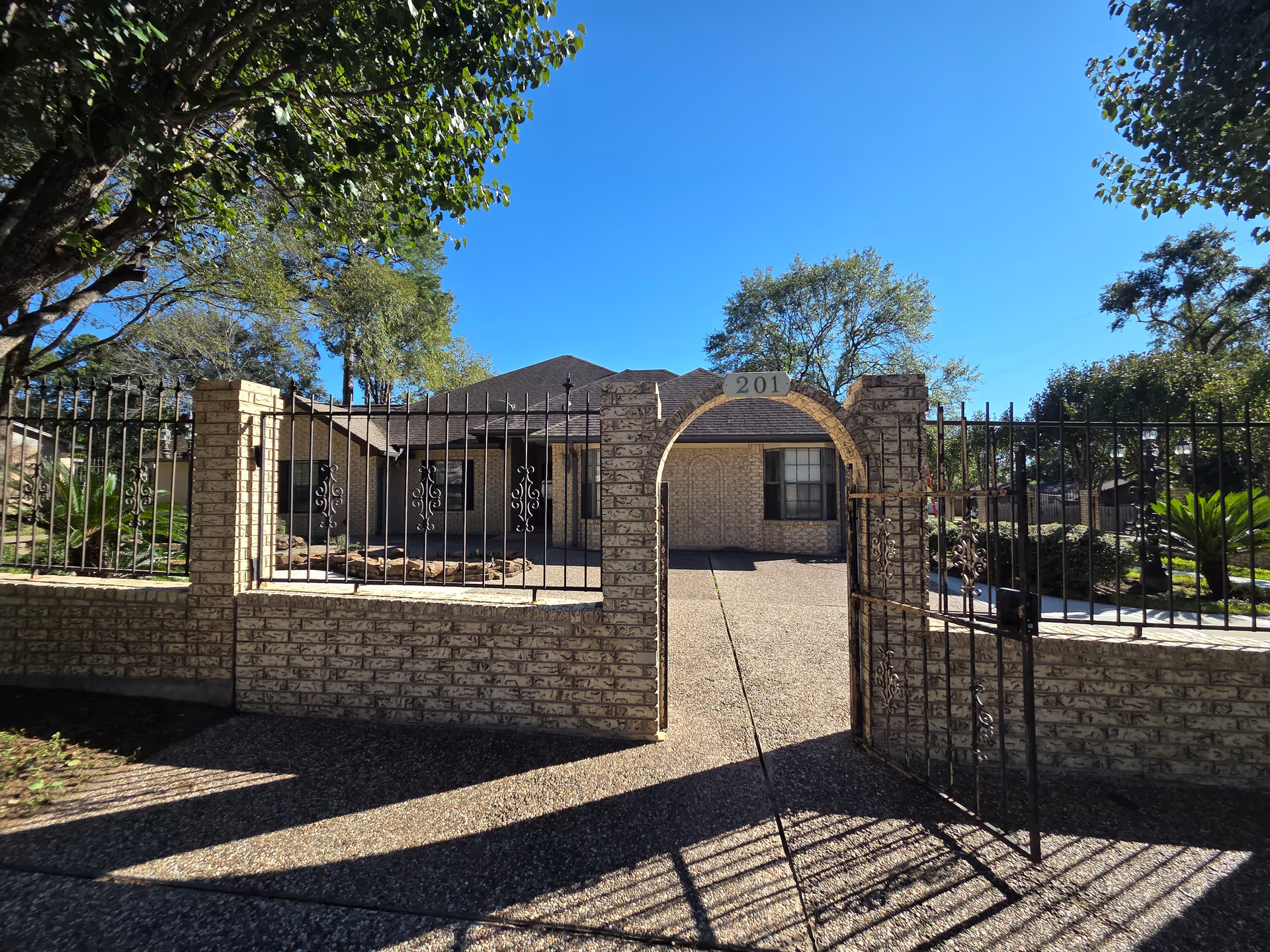
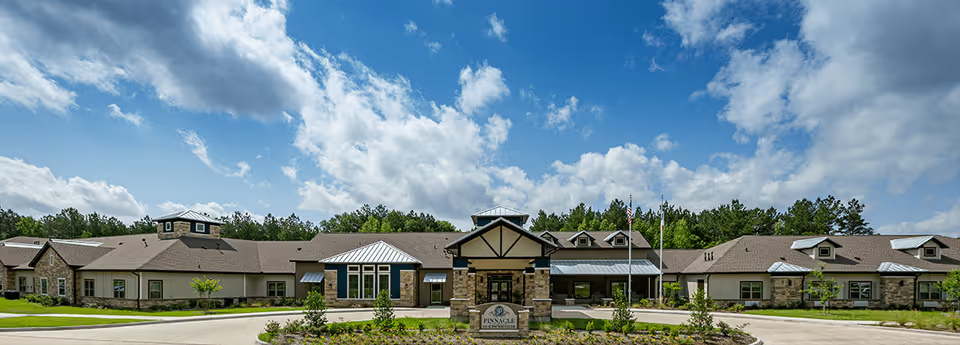
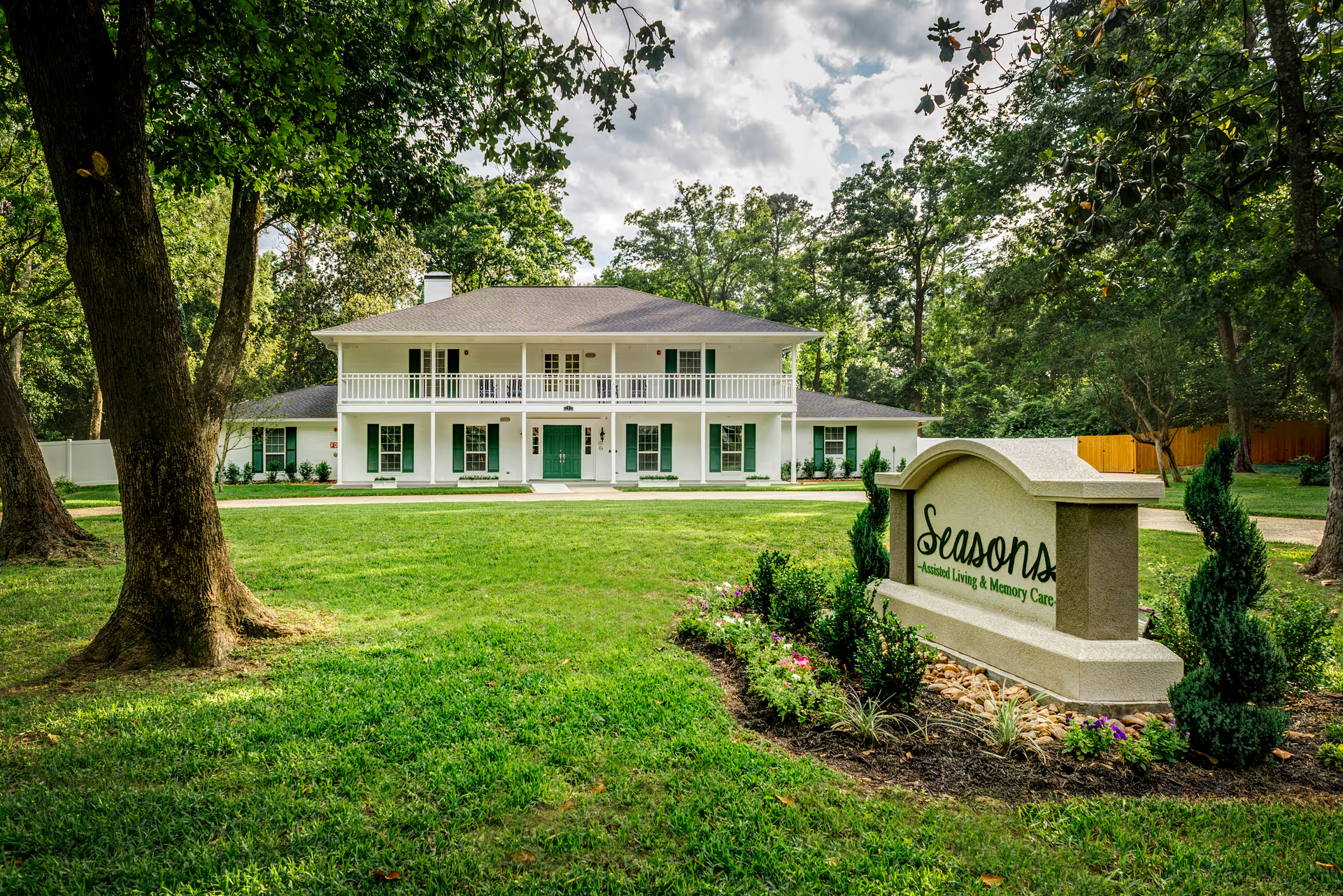
Facility condition and maintenance descriptions are mixed as well. Some reviewers found clean, well-decorated interiors and appreciated landscaping, while others reported maintenance shortcomings, grounds upkeep problems, standing water, and odor or sanitation concerns in specific areas. Infection-control and pest-control issues were mentioned in a few accounts, underscoring the importance of evaluating environmental cleanliness and recent facility remediation efforts.
Notable patterns: experiences appear to range from highly positive to seriously concerning. That variability suggests the facility may perform well under certain staff configurations or shifts but has operational vulnerabilities at other times. For prospective residents and families, recommended due diligence includes an in-person visit during a mealtime and activity period, asking for current staffing ratios and turnover metrics, reviewing recent inspection reports or citations, inquiring about fall-prevention and post-incident communication protocols, and discussing infection-control policies and staff training programs. Observing staff–resident interactions and requesting references from current families can help clarify whether the facility’s strengths align with a given resident’s needs.